
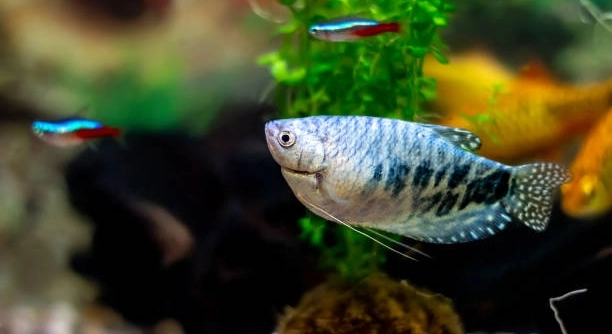
Gouramis are popular freshwater fish known for their bright colors and peaceful nature. Many hobbyists want to create the best environment for them to thrive. Understanding their preferences in tank setup is important for their health and happiness.
Gouramis generally prefer environments with more width than depth. They feel more comfortable swimming in horizontal space, which mimics their natural habitats. Tanks that prioritize width over depth support their activity and reduce stress.
Knowing how to arrange your tank can improve your gourami’s well-being. This article will help you create a space that suits their natural behavior and needs.
Why Gouramis Prefer Width Over Depth
Gouramis come from slow-moving waters like ponds, rice paddies, and shallow streams. These environments are usually wide and open rather than deep. Because of this, gouramis are used to swimming mostly horizontally. They rely on wide spaces to explore, find food, and avoid threats. Deep tanks restrict their natural movement and can make them feel confined. When tanks offer more width, gouramis swim more freely and show healthier behavior. This also helps reduce stress, which can improve their immune system and lifespan. Wide tanks provide better access to surface air, which gouramis often need because they have a special breathing organ called the labyrinth. This organ allows them to gulp air from the surface. If a tank is too deep, it becomes harder for them to reach the surface comfortably. So, a tank with more horizontal swimming space matches their natural needs and supports their overall well-being.
In contrast, deep tanks limit their swimming patterns and can cause discomfort. Width supports their natural activity better.
Choosing a wider tank makes it easier to mimic the natural setting of gouramis. You can add plenty of plants and hiding spots across the horizontal plane, giving them places to explore and feel safe. This layout also encourages natural swimming behavior and social interaction if you keep multiple gouramis. Providing more width allows the fish to use their labyrinth organ effectively, surfacing easily without stress. The tank should have gentle water flow, as gouramis prefer calmer waters. Avoid strong currents that might tire them out. Overall, wider tanks create a more balanced and suitable environment for gouramis to thrive.
Ideal Tank Setup for Gouramis
Wider tanks are best, but other factors matter too.
To set up a tank for gouramis, aim for at least 20 gallons with a wide footprint. Use plants like Java fern, Anubias, and floating species to mimic their natural habitat. These plants give shelter and help keep the water calm. Soft, slightly acidic water with temperatures between 75-82°F matches their natural conditions. Substrate can be sand or fine gravel to provide comfort. Add some driftwood or smooth rocks for hiding places, which help gouramis feel secure. Avoid overcrowding the tank, as gouramis need space to swim and avoid stress. Light should be moderate, simulating shaded areas they experience in the wild. This setup encourages natural behavior and helps gouramis stay healthy.
Regular water changes and gentle filtration maintain good water quality without disturbing the fish. Proper tank setup with width in mind creates a comfortable and supportive environment that meets gouramis’ needs well.
Feeding Habits and Space Requirements
Gouramis need enough space to search for food comfortably. A wider tank allows them to explore and reduces competition among tank mates during feeding time.
Gouramis are surface and mid-water feeders who enjoy a variety of foods, including flakes, pellets, and live or frozen options like brine shrimp or bloodworms. In a tank with enough horizontal space, they can swim freely to find their food without feeling stressed. When tanks are too small or narrow, dominant fish may block access, leading to uneven feeding and aggression. More width means better distribution of food and less conflict. This supports healthy growth and natural foraging behavior, which is important for their well-being.
Because gouramis rely on vision to find food, clear and open swimming areas improve their ability to spot and catch meals. Crowded or tall tanks with little horizontal room make feeding more difficult and can increase stress. A wider layout also gives you more options to place feeding zones away from hiding spots, reducing territorial disputes. This setup encourages calmer, more natural feeding habits.
Compatibility and Tank Mates
Gouramis generally prefer calm neighbors and enough space to avoid stress and aggression.
Choosing tank mates for gouramis means picking peaceful species that won’t compete aggressively for space or food. Gouramis are semi-aggressive but shy, so small to medium-sized fish like tetras, rasboras, or peaceful catfish work well. Tanks with ample width reduce territorial disputes by giving fish room to establish their own areas. Avoid fast or aggressive swimmers that may harass gouramis, especially in cramped tanks. A wide tank helps balance social interactions and keeps gouramis comfortable, healthy, and less stressed. Proper space and careful selection of tank mates are key to a peaceful aquarium environment.
Water Flow Preferences
Gouramis prefer slow-moving or still water conditions. Strong currents can cause stress and reduce their activity.
In their natural habitat, gouramis live in calm waters like ponds and slow streams. Gentle water flow helps keep them comfortable and supports their breathing with the labyrinth organ. Too much current forces them to swim harder, which can tire them out and affect their health.
Lighting Needs
Moderate lighting with shaded areas suits gouramis best. Bright lights can stress them and cause hiding behavior.
Breathing and Surface Access
Gouramis need easy access to the water surface for breathing air. A tank design with wide surface area helps meet this need naturally.
Behavioral Impact of Tank Shape
Tanks with more width encourage natural swimming and reduce signs of stress in gouramis. Depth alone does not support their behavior well.
What size tank is best for gouramis?
A tank that offers more width than depth is ideal for gouramis. At minimum, a 20-gallon tank with a wide footprint provides enough horizontal space for swimming and exploration. This size helps mimic their natural habitat and reduces stress caused by cramped conditions. Taller, narrow tanks should be avoided because gouramis swim mostly sideways and need room to move freely.
Can gouramis live in deep tanks?
While gouramis can survive in deeper tanks, it is not their preferred environment. Deep tanks limit their horizontal swimming space and make it harder to reach the surface for air, which is important because gouramis use a labyrinth organ to breathe atmospheric oxygen. A shallow but wide tank better suits their natural behavior and helps them stay healthy.
How important is water quality for gouramis?
Water quality is very important for gouramis. They thrive in clean, well-maintained water with gentle filtration. Frequent water changes help keep nitrate and ammonia levels low. Poor water quality can stress gouramis, making them more prone to illness. A tank with plants can help improve water conditions naturally by absorbing waste.
What kind of plants should I use in a gourami tank?
Plants like Java fern, Anubias, and floating species such as duckweed are perfect for gourami tanks. These plants offer hiding spots, shade, and surface cover. Floating plants also calm the water surface, which gouramis prefer. Dense plant cover mimics their natural environment and helps gouramis feel secure.
Do gouramis need tank mates?
Gouramis can live alone, but they often enjoy the company of peaceful tank mates. Good companions include small tetras, rasboras, and peaceful catfish. Avoid aggressive or very active fish that may stress gouramis, especially in smaller tanks. Proper tank size with enough space is key to reducing territorial behavior and ensuring harmony.
How often should I feed my gouramis?
Feeding gouramis once or twice a day is sufficient. They enjoy a varied diet, including flakes, pellets, and occasional live or frozen foods like brine shrimp or bloodworms. Overfeeding should be avoided to prevent water quality issues. Feeding small amounts that they can consume within a few minutes works best.
Why do gouramis need access to the surface?
Gouramis have a labyrinth organ that allows them to breathe air from the surface. This adaptation helps them survive in low-oxygen waters. Easy access to the surface is essential, so tanks should not be too deep or overcrowded. Surface agitation should be minimal to let them breathe comfortably.
Can gouramis tolerate strong currents?
No, gouramis prefer calm or slow-moving water. Strong currents cause stress and can tire them out quickly. A gentle filter or sponge filter works best to keep water clean without creating too much flow. Providing hiding spots also helps gouramis escape any occasional strong water movement.
How do I prevent aggression in gouramis?
Providing enough space and hiding places reduces aggression among gouramis. Avoid overcrowding and keep an eye on their behavior, especially during breeding when they can become territorial. Choosing compatible tank mates and maintaining good water quality also help keep aggression low.
Is tank shape more important than size for gouramis?
Both tank size and shape matter, but shape often plays a bigger role for gouramis. A wide, shallow tank is better than a tall, narrow one because it supports their natural swimming patterns. Even a larger tank that is too deep may feel restrictive if it lacks sufficient horizontal space.
When setting up a tank for gouramis, it’s important to remember that these fish prefer more width than depth. This preference comes from their natural environment, where they swim mostly side to side in calm, shallow waters. Giving them a wide space to move around helps keep them active and less stressed. Deep tanks can make it hard for them to reach the surface easily, which is important since they breathe air using a special organ called the labyrinth. So, choosing a tank with a wide footprint is key to making them comfortable and supporting their natural behavior.
A good tank setup for gouramis also includes plants and decorations spread out across the horizontal space. Plants like Java fern, Anubias, and floating species provide shelter and help create a calm environment. These plants also help maintain water quality by absorbing waste. A wider tank gives more room to arrange these plants, offering hiding spots and resting places. This not only reduces stress but also encourages natural swimming and social behaviors. Gouramis feel safer and more relaxed when they have plenty of space and places to explore.
Lastly, paying attention to water flow, lighting, and tank mates is just as important as tank shape. Gouramis like slow-moving water and moderate light, which help them stay calm and healthy. Choosing peaceful tank mates and providing enough space reduces aggression and competition. Regular water changes and gentle filtration keep the water clean without disturbing the fish. Keeping all these factors in mind will create a better environment where gouramis can live longer and happier lives. The key takeaway is that focusing on width over depth and mimicking their natural surroundings will help gouramis thrive in a home aquarium.

Hello,
If you enjoy the content that we create, please consider saying a "Thank You!" by leaving a tip.
Every little bit helps us continue crafting quality advice that supports the health, happiness, and well-being of pets around the world, for pets of all shapes, sizes, and species.
We really appreciate the kindness and support that you show us!