
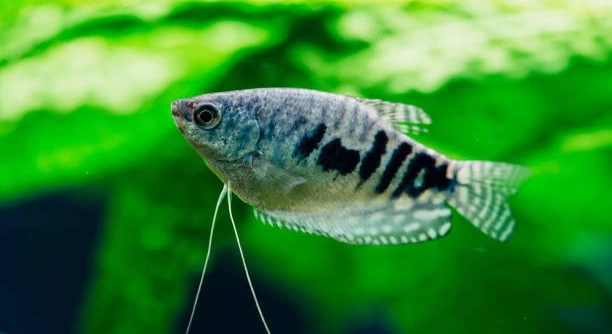
Do you ever find yourself wondering if your gourami feels lonely in its tank, swimming quietly among plants and pebbles? Understanding their social needs can help create a healthier, more peaceful environment in your aquarium.
Gourami can thrive both alone and with companions, depending on the species and tank conditions. Some types prefer solitude, while others do better in groups. Proper research and thoughtful planning are key to keeping them happy.
Tank setup, fish temperament, and space all play important roles in how your gourami interacts with others. Let’s look at what helps them feel safe, secure, and stress-free in your care.
Understanding Gourami Social Behavior
Gourami are a freshwater species known for their calm nature, though not all are alike. Some types, like dwarf gourami, enjoy the company of other peaceful fish. Others, like the three-spot gourami, can become aggressive, especially in tight or crowded spaces. Their behavior can shift based on tank mates, tank size, and even how often they’re fed. These fish are also territorial, so adding more can create tension if the environment isn’t right. A peaceful setup with plenty of hiding spaces helps reduce stress. When cared for properly, gourami tend to be calm and display vibrant colors and active swimming. Each type has its own preferences, and knowing these makes a big difference. It’s best to keep a watchful eye when new fish are introduced. Slow, thoughtful introductions help avoid stress and fighting. With attention to detail, gourami can live happily in well-balanced tanks with or without companions.
Always research the specific type of gourami you have.
If you notice chasing, hiding, or torn fins, it may be a sign that your tank is too crowded or unbalanced. Observing their behavior helps you decide if they’re comfortable or need a different setup.
Choosing the Right Companions
Avoid mixing aggressive or fast-swimming fish with gourami. Fish like barbs or aggressive cichlids may stress them out, especially in smaller tanks.
For gourami that do well in community tanks, peaceful companions like corydoras, small rasboras, or mollies are good options. The key is choosing fish that don’t nip fins and won’t crowd the space. Keep in mind the tank’s size—overcrowding leads to stress. A 20-gallon tank may be enough for a pair of dwarf gourami, but larger types need more room. Plants and hiding spaces also matter. They offer shelter and reduce the chance of territorial disputes. Feed the fish properly and keep the water clean. Uneven feeding or poor conditions can lead to aggression even among peaceful species. If your gourami appears calm and active, it’s likely doing well. But if it hides often or stops eating, take a closer look at the tank setup. Small changes make a big difference.
Creating a Comfortable Tank Environment
A peaceful tank setup reduces stress and keeps your gourami healthy. They like slow-moving water, soft lighting, and plenty of plants. Hiding spots help them feel safe, especially if they’re sharing the space with other fish.
Use live or silk plants, driftwood, and small caves to create hiding areas and visual barriers. This layout helps limit territorial behavior. Keep the water temperature between 74–82°F and maintain a steady pH around 6.8–7.5. Use a gentle filter to avoid strong currents, which can stress gourami. Avoid bright lighting or sudden changes in their surroundings. Adding floating plants like water lettuce can help mimic their natural habitat. A calm and stable tank encourages natural behavior like bubble nest building and peaceful swimming. Watch how your gourami moves through the tank—relaxed, steady swimming is usually a good sign they’re comfortable. Small changes in layout or lighting can help them settle in better.
Regular water changes and consistent feeding times help build trust and create a routine. If your gourami seems jumpy or hides often, something might be off. Check water quality first, then look at tank layout or companions. Stress can weaken their immune system over time, so early signs shouldn’t be ignored. A clean, calm space matters.
Monitoring Behavior and Signs of Stress
Unusual swimming, color fading, or hiding for long periods may be signs your gourami feels stressed. They may also lose interest in food or become more aggressive.
Check water parameters weekly to avoid sudden spikes in ammonia or nitrate. Sudden changes in temperature or loud noises near the tank can also trigger stress. If your gourami begins pacing or chasing others, it could be reacting to overcrowding or an unsuitable tank mate. Some stress signs show slowly, like clamped fins or dull colors. Always observe how they interact with other fish and their environment. A peaceful gourami should swim smoothly, explore its space, and show interest during feeding. Keep a notebook if needed, tracking any changes you notice over time. If behavior problems persist, consider rearranging the tank or separating fish. Balanced tanks lead to happier, healthier gourami that show more natural behavior.
Feeding and Routine
Feeding your gourami at the same times each day helps lower stress. They feel more secure when they know when to expect food. Use a mix of flakes, pellets, and occasional treats like bloodworms.
Avoid overfeeding. Leftover food can quickly spoil the water and make your fish sick. Only feed what they can eat in a couple of minutes.
When to Keep Them Alone
Some gourami do better without tank mates, especially if they’ve shown signs of aggression or stress. Older or dominant fish may prefer a quiet space without competition. Keeping them alone lets you focus fully on their needs.
Watching for Long-Term Health
Keep an eye on their color, appetite, and swimming patterns. Healthy gourami should move smoothly and look alert. If you notice changes, act quickly.
FAQ
Do gourami need companions to thrive?
Gourami can thrive with or without companions depending on the species and their environment. Some gourami, like the dwarf gourami, are more social and enjoy the company of other peaceful fish. Others, such as the three-spot gourami, can be territorial and prefer solitude. The key is understanding the specific needs of the species you have. If they’re kept alone, gourami can be very content, especially if the tank provides plenty of hiding spots and a stable environment. However, when kept with others, peaceful tank mates like corydoras or rasboras are ideal.
Can gourami live with other fish?
Yes, gourami can live with other fish, but it’s important to choose compatible tank mates. Peaceful fish are best, as aggressive fish can stress out gourami. Fish like tetras, mollies, and corydoras are great choices. Avoid fish that nip fins, like barbs, as they can irritate gourami. If you notice any signs of aggression or stress, it’s best to separate the fish. Also, consider the size of your tank—overcrowding can lead to territorial disputes.
What are the best tank conditions for gourami?
Gourami thrive in a tank with calm water, soft lighting, and plenty of plants for hiding and resting. A gentle filter is crucial to avoid strong currents, which can stress them out. Keep the water temperature between 74-82°F and maintain a pH of 6.8-7.5. Gourami also appreciate a tank with plenty of space to swim freely. Floating plants and live plants offer them places to hide, mimicking their natural environment. Regular water changes help maintain a healthy habitat.
How can I tell if my gourami is stressed?
Stressed gourami often show changes in behavior, such as hiding for long periods, swimming erratically, or becoming less active. They might also stop eating or exhibit clamped fins. The coloration of your gourami may fade, and you may notice them pacing or trying to escape certain areas of the tank. If your gourami is constantly hiding or doesn’t interact with its tank mates, it could be a sign that they feel threatened or uncomfortable.
Can gourami live in a tank without plants?
While gourami can live in a tank without plants, adding them helps create a more comfortable environment. Plants provide shelter and reduce stress, making the fish feel safer. Gourami are naturally shy and benefit from having places to hide. Live or silk plants can also help improve water quality by absorbing excess nutrients.
How often should I feed my gourami?
Feed your gourami once or twice a day. It’s important to offer small portions that they can eat within a few minutes. Overfeeding can lead to water quality problems and obesity in your fish. A mix of high-quality pellets, flakes, and occasional treats like bloodworms will help maintain a balanced diet. Remove any leftover food from the tank to keep the water clean.
Do gourami like warm water?
Yes, gourami prefer warm water. The ideal temperature range is between 74-82°F. Water that’s too cold or fluctuates too much can stress them out and even make them sick. Ensure your tank’s temperature stays consistent to keep your gourami healthy. A reliable aquarium heater can help maintain the correct temperature.
What should I do if my gourami’s fins are torn?
If your gourami’s fins are torn, it’s essential to check for potential causes. Tank mates may be nipping at the fins, or the water quality might not be ideal. Start by removing any aggressive tank mates and test the water parameters. Keep the tank clean and provide hiding spots for your fish to recover. Sometimes, torn fins heal on their own, but if the damage is severe or getting worse, you may need to isolate the fish to prevent further injury.
Can gourami get along with bettas?
Gourami and bettas are both members of the same family, and while they may get along in larger tanks, it’s generally not recommended to keep them together. Bettas, especially males, are known to be aggressive and may see gourami as rivals. If you try to keep them in the same tank, make sure it’s large enough, with plenty of hiding spots and visual barriers to reduce the chances of conflict.
How long do gourami live?
Gourami typically live for about 4-6 years, although with proper care, some can live even longer. Factors like water quality, tank size, and diet all play a role in their lifespan. Keeping the tank clean and providing the right conditions will help your gourami live a long and healthy life.
Do gourami need a lot of space?
Gourami don’t require an overly large tank, but they do need enough space to swim comfortably. A tank size of at least 20 gallons is recommended for a pair of dwarf gourami, with larger species needing more room. More space reduces stress, and it helps minimize territorial behavior. Adding plants and decorations can also give them areas to explore.
Can I keep multiple gourami in the same tank?
You can keep multiple gourami in the same tank, but it depends on the species and the tank size. Some gourami are more territorial and may fight, especially if the tank is small. For species like dwarf gourami, a pair may do well in a 20-gallon tank. Larger species may need more space. If you want to keep multiple gourami, provide plenty of hiding spots and plants to minimize conflicts.
Final Thoughts
Gourami are relatively easy to care for, making them a popular choice for both beginner and experienced fish keepers. They are peaceful and can adapt well to various tank conditions, as long as their basic needs are met. Their calm nature allows them to coexist with other non-aggressive species, but it’s essential to ensure the tank is large enough to avoid overcrowding and territorial issues. Regular water changes, proper feeding, and maintaining a stable environment are key to keeping your gourami happy and healthy.
While gourami can live alone, they do enjoy the company of others if kept in the right conditions. The type of gourami you have will affect whether they need companions or prefer solitude. For example, dwarf gourami generally do well in pairs or small groups, whereas other species may not tolerate being with others. It’s important to monitor their behavior, especially when introducing new tank mates, to ensure there is no aggression. If your gourami seems stressed, it’s worth reevaluating the tank setup or making adjustments to the environment.
Ultimately, providing a peaceful and balanced tank with appropriate tank mates is the key to ensuring your gourami thrive. The right companions, a well-maintained environment, and a regular care routine will help your gourami live a long, healthy life. While some fish may enjoy solitude, others are perfectly content with companions. By understanding their individual needs, you can create the best possible living space for your gourami, allowing them to show off their beautiful colors and peaceful nature. A little effort goes a long way in maintaining their well-being, and the rewards of a healthy, active fish are well worth it.

Hello,
If you enjoy the content that we create, please consider saying a "Thank You!" by leaving a tip.
Every little bit helps us continue crafting quality advice that supports the health, happiness, and well-being of pets around the world, for pets of all shapes, sizes, and species.
We really appreciate the kindness and support that you show us!