
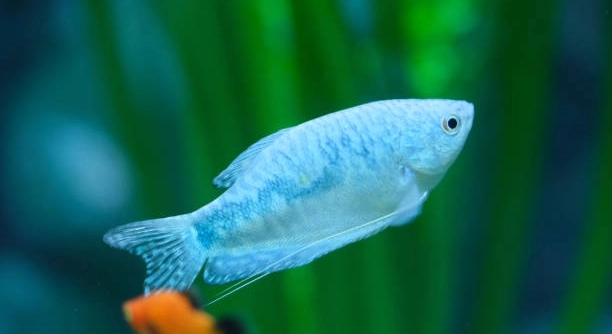
Gourami are popular freshwater fish known for their peaceful nature and striking appearance. Many aquarists seek to create a harmonious aquarium by choosing compatible tank mates that promote calm interactions and reduce stress among their fish. Selecting appropriate companions is essential for a balanced tank environment.
Gourami generally prefer calm tank mates that do not exhibit aggressive or overly active behavior. Peaceful species help maintain a stable environment and reduce territorial disputes, allowing gouramis to thrive without constant stress or competition for space.
Choosing the right tank mates can greatly improve the wellbeing of your gourami and create a more pleasant aquarium experience. Understanding their social preferences is key to maintaining a peaceful aquatic community.
Why Gourami Prefer Calm Tank Mates
Gourami are naturally peaceful fish that do best in an environment without constant agitation. They can become stressed if housed with aggressive or overly active tank mates. Stress in gourami often shows through hiding, loss of color, or reduced appetite. Calm companions help them feel secure and display their natural behaviors, such as exploring and swimming leisurely. Avoiding fast-moving or territorial fish prevents conflicts and injuries. Tank mates like small tetras, rasboras, or peaceful catfish are ideal choices. These species do not provoke gourami, allowing them to coexist without competition for space or food. A calm tank environment promotes the gourami’s health and reduces the risk of illness linked to stress.
Selecting peaceful fish minimizes stress and supports the well-being of gourami in community tanks.
Providing an environment where gourami feel safe helps maintain their vibrant colors and active nature. Choosing calm species is essential to keeping harmony within the aquarium. Overly energetic or aggressive fish can disrupt this balance, causing ongoing tension. When tank mates maintain a relaxed presence, gourami are more likely to thrive and show their best traits. Regular observation can help identify any signs of stress or conflict early. Adjustments to tank mates may be necessary to preserve a calm atmosphere. The goal is a peaceful community where all species coexist without harm or competition.
Common Calm Tank Mates for Gourami
Peaceful small fish such as neon tetras, harlequin rasboras, and Corydoras catfish are well-suited to living with gourami.
Neon tetras and harlequin rasboras are small schooling fish that swim calmly in groups, posing no threat to gourami. Corydoras catfish stay mostly at the bottom, avoiding direct interaction with gourami and reducing territorial disputes. These species share similar water parameters and temperature preferences, making them compatible in a single tank. It is important to avoid aggressive or fin-nipping fish that may stress gourami or cause injury. Avoid larger, territorial species such as certain cichlids. Maintaining clean water and providing sufficient hiding spots benefits all species in the tank, further reducing stress. Selecting tank mates that occupy different areas of the tank also helps minimize conflict. Overall, choosing calm and non-aggressive companions supports a healthy, peaceful aquarium environment where gourami can thrive comfortably.
Tank Setup to Support Calm Interactions
Providing plenty of hiding spots and plants helps gourami and their tank mates feel secure. A well-structured tank reduces stress and limits aggressive encounters.
Plants, caves, and decorations create natural boundaries and shelter, making it easier for fish to avoid conflicts. Gourami appreciate floating plants, which offer cover and help diffuse light, creating a calm environment. Soft lighting and stable water conditions also support peaceful behavior. Avoid overcrowding the tank, as too many fish increase stress and competition. Maintaining clean water with regular changes is essential to keep fish healthy and calm. A balanced tank setup that mimics the natural habitat promotes relaxed interactions among gourami and their companions.
Arranging the tank to provide space and shelter reduces stress and encourages harmonious living. Attention to details such as plant density and hiding places creates a comfortable atmosphere for all fish. Proper filtration and water flow also help maintain stable conditions, preventing sudden disturbances that might agitate the fish.
Monitoring Behavior for a Peaceful Community
Observing fish behavior regularly allows early detection of stress or aggression, which helps maintain a calm tank.
Look for signs like chasing, fin nipping, or hiding, which indicate tension among tank mates. Gourami may retreat if stressed, so watch for reduced activity or loss of color. Addressing these issues early prevents injury and disease. Adjusting tank mates or adding more hiding spaces can restore peace. Sometimes rearranging decorations helps disrupt established territories and reduce conflict. Consistent feeding schedules and avoiding sudden changes in the environment also support calm behavior. Being proactive ensures the aquarium remains a balanced, stress-free space for gourami and other fish.
Avoiding Aggressive Tank Mates
Aggressive or territorial fish can stress gourami and cause injury. Avoid species known for fin nipping or chasing.
Choosing peaceful companions reduces conflict and promotes harmony. Aggressive fish disrupt the calm environment gourami need to thrive.
Impact of Tank Size on Fish Behavior
A properly sized tank allows gourami and their tank mates to establish separate territories without constant encounters. Larger tanks reduce stress by providing ample swimming space and hiding spots. Overcrowding increases competition and aggression, while a spacious environment supports peaceful coexistence. A minimum of 20 gallons is recommended for gourami with compatible tank mates, allowing enough room for natural behaviors.
Feeding Practices That Promote Calm
Feeding in small amounts throughout the day prevents competition and reduces stress among fish.
Water Conditions and Their Effects
Stable water parameters are crucial to maintaining calm behavior. Fluctuations in temperature or pH cause stress and agitation in gourami.
FAQ
Do gourami get along with other fish?
Gourami generally do well with other peaceful fish that share similar water needs. They prefer calm tank mates that do not provoke aggression. Small schooling fish like tetras and rasboras are usually good companions. Avoid aggressive or very active species that might stress gourami. Proper tank setup and monitoring behavior ensure compatibility.
What are signs of stress in gourami?
Stress signs include hiding frequently, loss of color, reduced appetite, and lethargy. Gourami may also become more aggressive or restless when stressed. Fin damage from nipping or injuries can be a symptom of conflict. Identifying these signs early helps prevent further problems and improves fish health.
Can gourami live with aggressive fish?
It is not recommended to keep gourami with aggressive fish. Aggressive tank mates often chase, nip fins, or intimidate gourami, leading to stress and injury. A peaceful community tank is the best environment for gourami to thrive and show their natural behavior.
How many gourami can I keep in one tank?
The number depends on tank size and species. For most gourami, one male per tank is ideal to avoid territorial disputes. Multiple females can coexist peacefully if there is enough space and hiding spots. Overcrowding increases stress and aggression, so a minimum 20-gallon tank is recommended for a single gourami with tank mates.
What tank mates should I avoid with gourami?
Avoid fin-nippers like tiger barbs and overly active fish such as some danios. Large or territorial fish, including many cichlids, are not suitable. These species often provoke fights or chase gourami, causing stress and injuries. Stick to peaceful, similarly sized fish to keep a calm tank.
How can I reduce stress in a gourami tank?
Provide plenty of plants and hiding places to create a safe environment. Maintain stable water conditions with regular testing and water changes. Feed balanced meals without overfeeding. Avoid sudden changes in lighting or decorations. Monitoring fish behavior regularly helps catch stress signs early for quick action.
Do gourami need special water conditions?
Gourami prefer slightly acidic to neutral pH, usually between 6.0 and 7.5. Temperature should range from 74°F to 82°F (23°C to 28°C). Stable water parameters prevent stress. Gentle filtration with moderate flow suits gourami since they prefer calm waters. Regular water changes keep the environment clean and healthy.
Can gourami live alone?
Yes, gourami can live alone but they often enjoy the presence of other peaceful fish. Alone, they may become bored or inactive. Adding calm tank mates improves their activity and well-being. If kept solo, provide enrichment like plants and hiding spots to keep them engaged.
How often should I feed gourami?
Feed gourami once or twice daily with high-quality flakes, pellets, or frozen foods. Small, frequent feedings prevent uneaten food buildup and reduce stress from competition. A varied diet supports their health and vibrant colors.
What is the best way to introduce new fish to a gourami tank?
Quarantine new fish for at least two weeks to prevent disease. Introduce them slowly, observing interactions closely. Adding new tank mates at the same time can reduce territorial behavior. Rearranging decorations before introduction helps reset territories and lowers aggression risk.
Final Thoughts
Gourami are peaceful fish that do best with calm tank mates. They prefer environments where aggression and stress are minimal. Choosing compatible species and providing a well-structured tank helps create a balanced community. Careful attention to their needs ensures they can live comfortably alongside other fish.
A calm tank environment depends on more than just choosing the right companions. The tank setup plays an important role in supporting peaceful behavior. Plants, hiding spots, and stable water conditions reduce stress and aggression. Regular monitoring helps catch any signs of conflict early. Making adjustments when needed keeps the tank harmonious and healthy for all its inhabitants.
Understanding gourami behavior and tank requirements makes maintaining a peaceful aquarium easier. Avoiding aggressive fish and overcrowding contributes to their well-being. Feeding practices and water quality also impact their stress levels. Following these guidelines creates an environment where gourami thrive and display their natural, calm nature. Keeping their community tank peaceful benefits all fish involved and enhances the overall aquarium experience.

Hello,
If you enjoy the content that we create, please consider saying a "Thank You!" by leaving a tip.
Every little bit helps us continue crafting quality advice that supports the health, happiness, and well-being of pets around the world, for pets of all shapes, sizes, and species.
We really appreciate the kindness and support that you show us!