
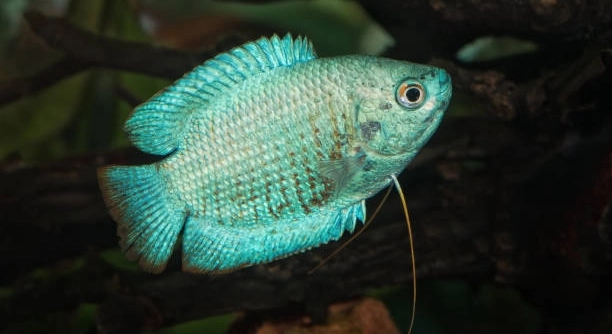
Gourami are popular freshwater fish known for their unique nesting habits and caring behavior during breeding. Many fishkeepers notice how these fish interact with their nests in the aquarium environment. Observing their behavior raises interest in understanding their attachment to the nest.
Gourami do show attachment to their nests, especially during the breeding period. Male gouramis build bubble nests and actively guard and maintain them until the fry hatch. This behavior ensures the survival and protection of their offspring during early development.
Exploring gourami nesting behavior helps hobbyists provide better care and create a supportive environment for breeding success. This article will explain how gouramis relate to their nests and what it means for their well-being.
Understanding Gourami Nesting Behavior
Gourami males are responsible for building bubble nests, usually at the water’s surface. These nests are made from saliva bubbles mixed with plant material. The purpose of the nest is to protect the eggs and young fry after spawning. Once the nest is built, the male guards it closely, repairing any damage and ensuring the bubbles stay intact. This behavior shows a strong instinct to protect offspring. The male gourami will often become more territorial during this time, staying near the nest and chasing away potential threats. The nest’s location can vary depending on the aquarium setup, but it is usually in a calm, sheltered area. Proper water conditions and a stress-free environment help support this natural behavior. The male’s attachment to the nest is essential for successful breeding and early fry survival.
Male gouramis build and maintain nests for the safety of their eggs and young fry.
Attachment to the nest is driven by instinct and the need to ensure offspring survival. This protective behavior ends once the fry become more independent. Understanding these natural behaviors can help aquarists support the breeding process and reduce stress on the fish.
How to Support Nesting Gouramis in Your Aquarium
Providing a calm environment with plenty of hiding spots helps the male gourami feel secure while guarding the nest. Floating plants are beneficial as they provide cover and materials for bubble nest building. Maintaining stable water temperature and quality is critical, as fluctuations can disrupt breeding behavior. Avoid disturbing the tank during this period because sudden movements or loud noises might stress the fish and cause the male to abandon the nest. Feeding the male well with high-protein food will keep him healthy and better able to care for the nest. Monitoring the tank closely without causing disturbance allows for early detection of any problems. When the fry hatch, the male will continue guarding them for a short time before the young start swimming freely. Supporting these natural behaviors helps increase breeding success and healthy fry development.
Recognizing When Gouramis Are Attached to Their Nest
Male gouramis show clear signs of attachment by actively guarding their nests. They stay close, often hovering above or beside the bubble cluster, repairing any broken bubbles. Aggression toward other fish is common during this time.
This guarding behavior is an instinct tied to reproduction. The male’s energy focuses on protecting the eggs and fry from predators and environmental disturbances. When the nest is disturbed or damaged, he quickly works to rebuild it. This attachment usually lasts until the fry are free-swimming and less vulnerable. If the male suddenly stops tending the nest, it might indicate stress, poor water conditions, or the eggs have not survived. Observing these behaviors helps ensure the fish are healthy and conditions are suitable for breeding success.
It’s important to limit tank disturbances during this period. Excessive stress can cause the male to abandon the nest entirely. Keeping the environment calm supports his natural instincts.
Common Issues Affecting Nest Attachment
Stress, poor water quality, and tank mates can all affect a male gourami’s attachment to the nest. Unstable conditions make the fish less likely to maintain consistent care. Aggressive or overly curious tank mates can also disrupt nesting behavior, forcing the male to spend time defending the territory instead of caring for the eggs.
Ensuring clean, stable water parameters and providing enough space for the male to guard the nest without constant interruptions are essential. Adding floating plants can offer cover and reduce stress. In some cases, separating the male or providing a dedicated breeding tank is the best solution to support healthy nest attachment. Monitoring behavior closely allows timely intervention to prevent loss of eggs or fry due to nest abandonment or damage.
How to Encourage Nest Attachment in Gouramis
Providing a quiet, stable environment helps the male gourami feel secure. Floating plants give him materials for building and places to hide while guarding the nest. Avoid sudden changes in water conditions or tank setup.
Feeding high-quality protein supports the male’s health and energy. Reducing stress increases the chances of successful nest building and attachment.
Signs That a Gourami Has Lost Interest in Its Nest
A male gourami that stops repairing or guarding the nest shows loss of interest. He may swim away from the area or become less territorial. Eggs may be left unprotected and at risk.
When to Separate Gouramis During Nesting
If tank mates disturb the male or eggs, separation may be necessary. Aggressive or curious fish can cause stress, leading to nest abandonment or damage.
Watching Fry Development After Nesting
Once the fry hatch, the male’s guarding lessens. They begin swimming freely and need gentle care during this stage.
FAQ
Do gouramis always build nests?
Most male gouramis build bubble nests as part of their breeding behavior, but not all will do so in every aquarium setting. Nest building depends on factors like maturity, water conditions, and stress levels. If the environment isn’t right, a male may delay or skip nest building altogether. Proper water temperature, calm surroundings, and the presence of a suitable female encourage nest creation. Without these, the male might show less interest in breeding and nest attachment.
How long does a gourami stay attached to the nest?
A male gourami’s attachment typically lasts until the fry become free-swimming, which usually takes about 5 to 7 days after the eggs hatch. During this period, the male guards the nest constantly, maintaining the bubble structure and chasing away threats. Once the fry swim away from the nest and gain some independence, the male’s care decreases, and he will gradually lose interest in the nest area.
Can a gourami abandon its nest?
Yes, gouramis can abandon their nests if they feel threatened or stressed. Poor water quality, aggressive tank mates, or frequent disturbances can cause the male to stop caring for the nest. Sometimes, if the eggs do not survive or if the male senses environmental problems, he may leave the nest altogether. It’s important to maintain stable tank conditions and minimize disturbances during breeding to prevent abandonment.
What happens if the nest is damaged?
If the bubble nest is damaged, the male gourami usually works quickly to repair it. Damage can come from tank disturbances, water movement, or curious tank mates. A damaged nest leaves the eggs vulnerable to falling out or getting lost in the water. The male’s repair behavior shows strong attachment to the nest and concern for the eggs’ survival. Keeping the water calm and the tank peaceful helps protect the nest.
Do female gouramis care for the nest or fry?
Female gouramis generally do not participate in nest building or care for the fry. After spawning, the female usually leaves the nest area. The male is responsible for guarding and maintaining the nest until the fry become free-swimming. Once the fry are independent, both parents typically stop their care. This division of labor is common among many gourami species.
How can I tell if the eggs are healthy?
Healthy gourami eggs are small, round, and clear to slightly white in color. They should stay within the bubble nest and not fall to the bottom of the tank. Eggs that turn cloudy, shrink, or disappear may be unhealthy or infertile. A healthy nest will look well-maintained by the male, with bubbles intact and eggs protected on the surface. Watching the male’s behavior can also indicate egg health—active guarding usually means the eggs are viable.
Should I remove other fish during nesting?
Removing or separating other fish during nesting is often recommended. Tank mates may disturb the male or eat the eggs and fry, which can cause stress and lead to nest abandonment. Providing a separate breeding tank or using a divider helps ensure the male can focus on guarding the nest without distractions or threats. This step increases the chances of successful breeding and fry survival.
What do gouramis eat while guarding the nest?
While guarding the nest, male gouramis need a high-protein diet to maintain energy. Feeding small amounts of live or frozen foods such as brine shrimp, bloodworms, or daphnia helps keep them strong. Overfeeding should be avoided to maintain water quality. The male may eat less during this period but still requires proper nutrition to sustain his protective behavior.
Can the male gourami harm the fry?
Usually, the male gourami does not harm the fry during the guarding period. His instinct is to protect them until they are free-swimming. However, if the male becomes overly stressed or if the fry are weak or sick, there can be cases of aggression or neglect. Monitoring the tank and maintaining good water conditions helps prevent such issues and supports healthy fry development.
How long does it take for fry to swim freely?
Gourami fry typically start swimming freely about 5 to 7 days after hatching. During this time, they develop enough strength and coordination to leave the nest area. The male’s guarding behavior decreases as the fry gain independence. Once swimming freely, the fry need appropriate food and a safe environment to grow, often requiring smaller live or powdered foods suited for their size.
Final Thoughts
Understanding gouramis’ attachment to their nests is important for anyone keeping these fish. Male gouramis show strong care by building and guarding bubble nests to protect their eggs. This behavior is natural and reflects their role in ensuring the next generation’s survival. Paying attention to these nesting habits can help aquarists provide the right environment for successful breeding. When the conditions are right, male gouramis become dedicated caretakers, actively maintaining their nests and protecting their eggs until the fry are ready to swim on their own.
Creating a calm, stable environment supports the male’s attachment to the nest. Factors like water quality, tank mates, and tank setup all affect his ability to care for the eggs properly. Stress or disturbances can cause him to abandon the nest, which can lead to lost eggs or fry. Floating plants and quiet spaces give the male places to hide and work on the nest undisturbed. Feeding him nutritious food during this time helps keep his energy up for guarding duties. Being mindful of these needs increases the chances of healthy fry and a happy, thriving aquarium.
It is also helpful to watch for signs that a male gourami has lost interest in his nest. Changes in behavior, such as leaving the nest unattended or stopping repairs, often mean stress or poor conditions. At this point, improving water parameters or reducing tank stressors can sometimes encourage him to return. In some cases, separating the male or creating a dedicated breeding tank is the best solution. With patience and careful care, gourami breeders can support the natural nesting instincts and enjoy watching the full cycle from eggs to free-swimming fry. This knowledge helps create a better environment for the fish and a more rewarding experience for the keeper.

Hello,
If you enjoy the content that we create, please consider saying a "Thank You!" by leaving a tip.
Every little bit helps us continue crafting quality advice that supports the health, happiness, and well-being of pets around the world, for pets of all shapes, sizes, and species.
We really appreciate the kindness and support that you show us!