
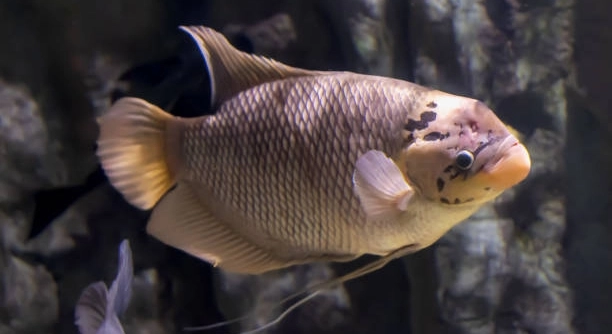
Do you ever wonder how gouramis adjust to larger living spaces in big tanks? Many fishkeepers aim to provide roomy environments but worry about the fish’s sense of security. Understanding gouramis’ comfort in big tanks is important for their care.
Gouramis can feel safe in big tanks if the environment is properly structured. Providing plenty of hiding spots, plants, and calm water conditions helps reduce stress. Without these, large tanks may cause unease rather than comfort.
Knowing what makes gouramis feel secure will help you create a better home for them. The details in their environment matter more than just the size of the tank.
Understanding Gourami Behavior in Large Tanks
Gouramis are naturally shy fish that enjoy having places to hide and explore. In a big tank without enough cover, they can feel exposed and stressed. Plants, caves, and decorations provide safe spots where gouramis can retreat when they feel uneasy. They also use these spaces to establish territories and feel in control of their surroundings. Calm water and stable conditions further help them settle. Sudden changes in light or loud noises can startle gouramis, making a large open tank feel threatening. Observing how they behave in their environment is key. If they hide constantly or swim nervously, the setup might not be meeting their needs. Adding floating plants or dense vegetation can create shaded areas that mimic their natural habitat. This makes the space feel more comfortable and less overwhelming. The goal is to balance space with enough secure zones to keep gouramis calm and confident in bigger tanks.
Even with more room, gouramis need familiar hiding places to feel secure. Large tanks without cover can increase their stress.
When planning a big tank, think beyond just size. The tank’s layout must provide comfort through thoughtful placement of plants and shelters. Gouramis prefer areas where they can peek out safely but still hide if needed. Floating plants help reduce light intensity, creating a peaceful environment. Open swimming space is important but should not come at the expense of security. Adding varied plants with different heights offers both open areas and cozy retreats. This setup supports natural behaviors like exploring and resting. Watching how your gouramis interact with their surroundings can guide adjustments. Over time, they will become more confident and relaxed. It’s a balance of space and security that helps gouramis thrive in large tanks.
Tank Size and Gourami Comfort
Gouramis generally feel more comfortable in tanks that are at least 20 gallons. Smaller tanks limit their movement and can increase stress, while larger tanks provide more swimming space and opportunities to explore.
However, bigger tanks without proper setup can make gouramis feel exposed. Large open areas with no hiding spots may cause anxiety. Providing plenty of plants and decorations in a spacious tank helps gouramis find shelter and reduces stress. The right balance between open swimming space and secure hiding places is essential. Gouramis are territorial, so dividing the tank with plants or décor allows them to claim their own areas, making them feel safer. A well-structured large tank supports their natural behavior and comfort.
Water quality in larger tanks is easier to maintain but can fluctuate if not managed properly. Regular cleaning and monitoring are important to keep gouramis healthy and calm. Stable temperature and pH levels also contribute to their well-being in any tank size.
Signs Gouramis Feel Safe or Stressed
When gouramis feel safe, they swim confidently and explore their environment calmly. They may rest near plants or decorations, showing relaxed behavior. Their colors appear brighter and fins move smoothly without clamping.
On the other hand, stressed gouramis often hide excessively or stay at the tank’s bottom. They may dart suddenly or show signs of aggression. Clamped fins and faded colors are common stress indicators. Stressed fish might also refuse food or show lethargy. Watching these behaviors helps identify if the tank environment meets their needs. Adjusting tank setup, water conditions, or tank mates can improve their comfort. Understanding these signs ensures gouramis stay healthy and stress-free.
Creating Safe Zones in Big Tanks
Safe zones help gouramis feel protected in large tanks. These areas include dense plants, caves, or decorations where fish can hide or rest without feeling threatened.
Using floating plants adds shaded spots, making the environment less bright and stressful. These natural covers help gouramis feel secure and calm.
How Tank Mates Affect Gourami Security
Tank mates greatly influence how safe gouramis feel. Peaceful species that don’t chase or crowd gouramis help reduce stress. Aggressive or fast-swimming fish can intimidate them, causing anxiety. Choosing compatible tank mates creates a balanced environment, allowing gouramis to behave naturally and comfortably.
Importance of Water Movement
Gouramis prefer gentle water flow. Strong currents can tire them out and increase stress. Positioning filters or pumps to create soft circulation supports their comfort.
FAQ
Do gouramis need hiding spots in big tanks?
Yes, gouramis definitely need hiding spots no matter the tank size. In big tanks, these safe places become even more important because open spaces can make them feel vulnerable. Plants, caves, or decorations give gouramis a chance to retreat and reduce stress. Without enough hiding spots, they may feel exposed and uneasy.
Can gouramis live happily in very large tanks?
Gouramis can live happily in large tanks if the environment suits their needs. Bigger tanks provide more room to swim and explore, but only if the space includes enough cover and calm areas. Simply having a big tank isn’t enough—structure and security matter a lot to their comfort.
How many gouramis can I keep in one large tank?
The number depends on the tank size and gourami species. A 20-gallon tank can usually hold one or two gouramis comfortably. Larger tanks allow more, but avoid overcrowding. Overcrowding causes stress and territorial fights, especially among males. Always provide enough space and hiding places for each fish.
What water conditions do gouramis prefer?
Gouramis thrive in warm, slightly acidic to neutral water with a pH between 6.0 and 7.5. Temperature should stay around 75-82°F (24-28°C). Stable water quality is essential to keep them healthy and stress-free. Regular testing and water changes help maintain ideal conditions.
How does lighting affect gourami comfort?
Bright, harsh lighting can stress gouramis, especially in large tanks with little cover. Dimmer or indirect light, combined with floating plants, creates a calm environment. Natural shading helps gouramis feel less exposed and more secure, encouraging natural behavior.
Can gouramis adapt to tanks without plants?
While gouramis can survive without plants, they won’t be as comfortable. Plants provide essential hiding spots and help improve water quality. Without them, gouramis may feel vulnerable, increasing their stress levels. If live plants aren’t an option, use artificial plants or decorations to offer some shelter.
What are common signs of stress in gouramis?
Signs of stress include clamped fins, faded colors, hiding excessively, erratic swimming, or loss of appetite. Stressed gouramis might also show aggression or lethargy. Noticing these signs early helps you adjust the tank environment or care routine to improve their well-being.
Is tank size the most important factor for gourami safety?
Tank size matters, but it’s not the only factor. Security comes from a balanced setup with proper hiding spots, gentle water flow, stable water conditions, and compatible tank mates. Large tanks without these elements may cause more stress than smaller, well-planted tanks.
How often should I clean a large gourami tank?
Regular maintenance is key regardless of tank size. Partial water changes of 20-30% every week or two help keep water clean and stable. Large tanks can accumulate waste quickly, which stresses gouramis. Cleaning decorations and checking filters also supports a healthy environment.
Can gouramis recognize their owners or surroundings?
Gouramis are curious and can become familiar with their environment. They may respond to your presence by swimming near the glass or showing less fear over time. This doesn’t mean they fully recognize owners like pets, but they do learn routines and safe areas within the tank.
Final thoughts on gouramis and big tanks focus on understanding their needs beyond just tank size. While many assume that giving fish a bigger space automatically makes them happier, the reality is more complex. Gouramis require a balanced environment where they can swim freely but also find places to feel safe. Simply having a large tank without enough plants, hiding spots, or calm areas may cause more stress than comfort. Their natural behavior is shaped by both space and security, so it is important to create an environment that supports both.
When setting up a big tank for gouramis, it is helpful to think about their natural habitat. They usually live in slow-moving waters with lots of vegetation. Mimicking this with plenty of plants, floating leaves, and decorations can help gouramis feel more at ease. These elements provide shelter and reduce exposure, which is especially important in larger tanks where empty open spaces can seem intimidating. The water quality and gentle water flow also play major roles in their overall comfort and health. Taking the time to monitor and maintain these factors will improve the well-being of your gouramis in a big tank.
Lastly, paying attention to how your gouramis behave will tell you a lot about their comfort level. If they swim confidently, show bright colors, and explore their environment, it is a good sign they feel safe. On the other hand, if they hide a lot, show signs of stress, or avoid certain areas, it means adjustments are needed. Regularly checking on their behavior and tank conditions helps you respond quickly and create the best possible home. In the end, the size of the tank matters, but how you use the space to meet gouramis’ needs is what truly makes the difference.

Hello,
If you enjoy the content that we create, please consider saying a "Thank You!" by leaving a tip.
Every little bit helps us continue crafting quality advice that supports the health, happiness, and well-being of pets around the world, for pets of all shapes, sizes, and species.
We really appreciate the kindness and support that you show us!