
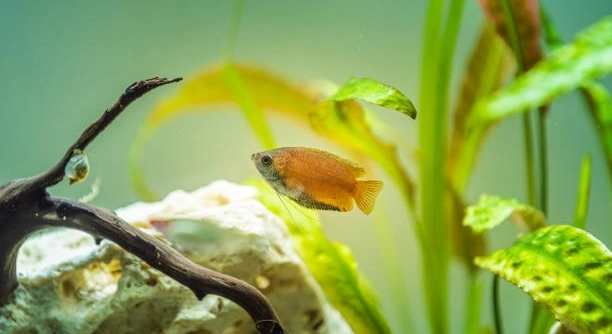
Giant gouramis are large freshwater fish that live in calm rivers and ponds. They are known for their gentle nature, but owners often notice certain behaviors that seem to show authority over other fish. Observing them closely can reveal interesting patterns.
Giant gouramis do display dominance behavior, especially in shared tanks. They establish territories, assert control over food, and interact aggressively when challenged by other fish. These behaviors are consistent with natural instincts to maintain hierarchy and resources within their environment.
Learning to recognize these behaviors helps owners manage tank dynamics more effectively and ensures a peaceful environment for all fish. Understanding dominance can improve care and prevent conflicts in mixed-species tanks.
Understanding Giant Gourami Social Behavior
Giant gouramis show social behavior that is easy to observe once you know what to look for. They often interact with other fish through subtle movements, gestures, and occasional displays of size. In shared tanks, these fish will establish areas where they feel comfortable and safe. Dominance can appear as chasing, nipping, or even staring at other fish. These behaviors are not always aggressive but indicate hierarchy. Over time, you may notice a pattern where one fish consistently claims certain spots or feeding areas. Other gouramis typically respect this and keep their distance, though occasional challenges may happen. Observing these interactions can be fascinating because it shows how complex fish behavior can be. By paying attention, you can better manage tank space, feeding schedules, and tankmates to reduce stress. The way they communicate without words is subtle but clear once understood.
Dominance in giant gouramis is often related to size, confidence, and prior experience with other fish.
Recognizing these behaviors is helpful for tank management. Large gouramis need room to assert themselves safely. Providing hiding spaces and visual barriers can reduce conflicts. Feeding routines also play a role—consistent times prevent food-related aggression. Tankmates should be chosen carefully; smaller, peaceful fish may be stressed by overly dominant gouramis. Over time, observing their interactions allows you to predict potential disputes before they escalate. Maintaining proper water conditions and monitoring health also supports social stability. By understanding these dynamics, owners can create an environment where gouramis live comfortably and display natural behaviors without undue stress. Adjustments to tank layout, feeding, and population balance are key to keeping a harmonious aquarium. Watching these fish interact becomes more rewarding once their hierarchy and communication style are understood.
Signs of Dominance in Your Tank
Dominance is most visible during feeding and territorial displays. Larger fish often get priority access to food.
Signs include chasing, nipping, and posturing. Fish may flare fins, push others away, or hover in prominent areas. Subtle gestures like staring or slow circling can signal authority. Consistent observation is important to distinguish dominance from random activity. Some fish show quiet control, asserting hierarchy without overt aggression. Tank structure influences these behaviors; open areas may increase displays, while hiding spaces reduce tension. Recognizing these cues early helps prevent injuries. Environmental enrichment and careful feeding routines can support peaceful cohabitation. By noting which fish are dominant, you can adjust tank conditions to ensure all inhabitants feel secure. Tracking patterns over days or weeks reveals clear social order. Maintaining this awareness supports both the health of your gouramis and the stability of the tank. Adjusting placement of decorations, plants, and feeding spots can reinforce harmony and reduce stress among fish. Understanding these behaviors allows owners to balance territory, resources, and social interaction effectively.
Managing Aggressive Behavior
Aggression in giant gouramis usually appears when space is limited or food is scarce. Dominant fish may chase others or block access to preferred areas. Recognizing early signs helps prevent injury and stress, ensuring all fish remain healthy and calm within the tank.
Providing ample space and visual barriers reduces conflict. Tank size should accommodate each fish comfortably, with hiding spots and plants to create separate zones. Consistent feeding schedules minimize competition, as gouramis learn when and where food will appear. Observing interactions daily helps identify which fish are dominant and which may need more space or enrichment. By managing their environment carefully, aggression can be reduced without disrupting natural behaviors.
Separating overly aggressive individuals may be necessary in some cases. Temporary partitions or relocating fish to another tank allows calmer gouramis to feed and rest without harassment. Monitoring water quality and maintaining strong filtration also helps reduce stress, as poor conditions can exacerbate aggressive tendencies. Adjustments to tank layout, population density, and feeding routines create a more balanced environment, allowing all fish to coexist peacefully while still expressing natural dominance behaviors.
Feeding and Territory
Dominant gouramis often eat first and claim the best areas, while others wait their turn or avoid conflict. Managing feeding helps balance their interactions and reduces tension.
Feeding strategies can influence social dynamics. Providing multiple feeding points ensures that less dominant fish get food without confrontation. Rotating locations or offering floating and sinking foods allows all fish to access meals comfortably. Observing who eats first and how fish react to each other helps adjust routines. Overfeeding can cause health problems, but underfeeding may increase aggression as fish compete for limited resources. Careful monitoring of both quantity and distribution supports harmony.
Territory is closely linked to feeding behavior. Gouramis mark preferred areas by swimming, lingering, or displaying postures. Rearranging decorations or plants occasionally can prevent long-term monopolization of prime spots. Understanding which zones are claimed helps place hiding areas for less dominant fish, reducing stress. Overcrowding increases disputes, so maintaining an appropriate number of fish is crucial. By balancing territory, feeding, and tank layout, all gouramis can coexist with minimal conflict. Careful observation and small adjustments maintain a peaceful and stable environment for everyone.
Territorial Marking
Giant gouramis often claim specific areas in the tank as their own. They patrol these zones regularly, showing subtle displays like flaring fins or slow circling to assert control over their space.
Dominant fish may chase others away from their territory. Less assertive gouramis usually avoid these areas, creating a clear social structure within the tank.
Environmental Factors
Tank size, decoration, and hiding spots directly influence dominance behavior. Larger tanks with plenty of plants and barriers allow gouramis to establish territories without constant conflict. Proper water quality and temperature also reduce stress, helping fish maintain natural social interactions.
Observing Hierarchy
Watching interactions over time helps identify dominant and submissive fish. Recognizing patterns allows for better tank management, ensuring all gouramis live comfortably and stress is minimized.
FAQ
How can I tell if my giant gourami is dominant?
Dominant gouramis usually claim the best areas in the tank, eat first, and may chase or block other fish. They often display subtle gestures like flaring fins, slow circling, or hovering in open spaces. Watching their interactions over days helps confirm a clear social hierarchy.
Do dominant gouramis always attack other fish?
Not always. Aggression often appears as chasing or nipping, but many dominant gouramis maintain control through posture and presence alone. They may only become physically aggressive if another fish challenges their position or approaches their claimed territory.
How many giant gouramis can live together?
Tank size and available hiding spots determine how many gouramis can coexist. A larger tank with plants and visual barriers reduces conflicts, allowing multiple fish to establish their own zones. Overcrowding increases stress and aggression, so spacing is essential.
Can tank layout reduce aggression?
Yes. Placing plants, rocks, or decorations strategically creates visual barriers and separate zones. This allows submissive fish to retreat safely and dominant fish to patrol their areas without constant confrontation. Changing layouts occasionally can prevent long-term monopolization of space.
Does feeding schedule affect dominance?
Absolutely. Consistent feeding times reduce competition, as fish learn when and where food appears. Offering multiple feeding points ensures less dominant gouramis receive enough nutrition. Floating and sinking foods can also help all fish access meals without triggering disputes.
Should I separate aggressive gouramis?
If aggression leads to injuries or stress, temporary separation is recommended. Using partitions or moving one fish to another tank allows calm fish to feed and rest safely. Once behavior stabilizes, gradual reintroduction may be possible under careful observation.
Do water conditions influence social behavior?
Yes. Poor water quality or inappropriate temperature can increase stress and provoke aggression. Maintaining proper filtration, stable temperature, and clean water helps gouramis display natural behaviors without unnecessary conflicts. Healthy fish are calmer and more predictable in social interactions.
Can I prevent dominance entirely?
Dominance is a natural behavior and cannot be fully prevented. However, careful tank management—including space, feeding, hiding spots, and observation—can reduce conflicts and ensure all fish coexist with minimal stress. Recognizing and respecting social hierarchies is key.
Is size the main factor in dominance?
Size often influences dominance, as larger gouramis tend to assert control more easily. However, confidence, prior experience, and personality also play roles. Smaller but assertive fish can sometimes challenge larger individuals, especially in smaller tanks with limited space.
How long does it take to recognize hierarchy?
Patterns usually appear over several days to weeks. Observing feeding behavior, territorial claims, and interactions regularly helps identify which fish are dominant and which are submissive. Once understood, tank adjustments can support a more balanced environment.
What are signs of stress in submissive gouramis?
Submissive fish may hide frequently, swim erratically, or avoid areas claimed by dominant fish. Loss of appetite, faded colors, or unusual behavior can also indicate stress. Providing hiding spots and multiple feeding areas helps reduce tension and improve overall well-being.
Can dominant behavior change over time?
Yes. Dominance can shift due to growth, changes in tankmates, or environmental adjustments. New gouramis may challenge established hierarchies, and older fish may lose influence as younger fish grow. Monitoring interactions ensures timely management to maintain harmony.
Are dominance displays harmful to fish?
Most displays are harmless postures or gestures. Physical aggression can cause injury if unchecked, but proper tank setup, space, and monitoring reduce the risk. Understanding the difference between display behavior and actual attacks is important for tank management.
How do I balance multiple dominant gouramis?
Provide plenty of space, separate feeding points, and visual barriers. Observe interactions and intervene if aggression escalates. Rotating decorations and ensuring adequate hiding spots allow multiple dominant fish to coexist while minimizing stress and injury.
Can dominance affect breeding?
Yes. Aggressive or dominant individuals may prevent submissive gouramis from accessing spawning areas or food. Ensuring separate zones and monitoring interactions during breeding periods helps protect all fish and improves reproductive success.
What should I do if hierarchy causes constant stress?
If stress persists despite adjustments, consider reducing the number of fish or rearranging tank mates. Temporary separation or larger tanks can restore balance. Consistent observation and small interventions maintain a safe and comfortable environment for all gouramis.
Are giant gouramis more aggressive than other aquarium fish?
They are generally calm but can show strong dominance, especially in shared tanks. Their behavior is more noticeable due to size and territorial instincts. Compared to smaller, non-territorial species, their dominance displays can be more pronounced and require careful management.
How does age influence dominance?
Older, larger gouramis often assert authority over younger fish. Juveniles may gradually gain confidence as they grow, occasionally challenging established hierarchies. Age and size both contribute to social order, but environment and personality also influence dominance patterns.
Can dominance be influenced by diet?
Balanced nutrition supports health and reduces stress-related aggression. Poor diet may make fish more irritable or aggressive as they compete for limited resources. Offering varied, high-quality foods ensures all gouramis remain healthy and less prone to conflict.
Is it necessary to intervene in every aggressive encounter?
Not every display requires action. Subtle dominance gestures are natural and rarely harmful. Intervention is only needed if fights escalate, injuries occur, or submissive fish show prolonged stress. Careful observation allows owners to distinguish harmless displays from dangerous aggression.
Do decorations really help with social stability?
Yes. Plants, rocks, and other barriers create visual separation, giving subordinate fish safe zones. They also provide dominant gouramis areas to patrol without constant confrontation. Adjusting decorations occasionally prevents long-term territorial monopolies and supports a balanced social structure.
How can I monitor dominance effectively?
Observe feeding patterns, territorial behavior, chasing, and subtle gestures like fin flaring. Note which fish claim preferred areas and how others respond. Recording patterns over time provides insight into hierarchy, helping guide tank adjustments and reduce stress for all fish.
Can dominant behavior affect health?
Chronic stress from constant conflict can impact growth, immunity, and appetite. Ensuring proper space, hiding spots, and feeding routines reduces stress. Healthy fish are more resilient and exhibit natural behaviors without endangering their own well-being or that of tankmates.
Are there signs that dominance is becoming problematic?
Frequent chases, injuries, hiding, loss of appetite, or faded colors indicate that hierarchy is causing stress. Immediate adjustments, such as creating barriers or separating fish, help prevent long-term harm and restore stability.
Do dominant gouramis need larger tanks?
Yes. Larger tanks provide enough space for territorial claims and reduce conflict. Crowded conditions increase aggression and stress, making tank size one of the most important factors in managing dominant behavior effectively.
Can tankmates influence dominance behavior?
Yes. Peaceful, smaller fish are less likely to challenge gouramis, while similarly sized or assertive species may provoke conflicts. Choosing compatible tankmates and monitoring interactions helps maintain harmony and reduces aggressive encounters.
How long should I watch interactions before intervening?
Observation over several days or weeks is ideal to understand patterns. Quick reactions to isolated events can be unnecessary, but consistent aggression or stress requires timely intervention to prevent injury and maintain a stable environment.
Is it normal for dominance to shift suddenly?
Shifts can happen due to new fish, growth, or environmental changes. Sudden challenges are natural, and temporary disputes often settle as hierarchy reestablishes. Monitoring behavior ensures these shifts don’t lead to prolonged stress or injuries.
Can dominance behavior be trained or modified?
Behavior cannot be fully trained, but environmental adjustments, feeding routines, and tank layout can influence interactions. Managing space and providing safe zones allows all fish to express natural behaviors without harmful conflicts.
Do male and female gouramis show dominance differently?
Both sexes can display dominance, but males may be more territorial, especially during breeding. Females may assert control over feeding areas or preferred spots but are generally less aggressive in physical displays. Observing each fish individually helps understand their patterns.
How important is observation in maintaining a peaceful tank?
Observation is crucial. Noticing subtle gestures, feeding order, and territorial claims allows owners to manage dominance before problems escalate. Consistent attention helps maintain health, reduce stress, and ensure all gouramis coexist comfortably.
What are common mistakes in handling dominance?
Overcrowding, ignoring subtle signs, inconsistent feeding, and lack of hiding spaces often worsen conflicts. Proper tank management, careful observation, and small adjustments prevent stress, injury, and long-term dominance issues, creating a balanced environment for all fish.
Can dominance lead to long-term health problems?
Yes. Chronic stress, reduced feeding, and constant harassment can affect immunity, growth, and lifespan. Addressing dominance through space, feeding, and environmental adjustments ensures healthier, calmer fish with less risk of long-term harm.
Are there tools to help manage dominant gouramis?
Partitions, visual barriers, multiple feeding points, and strategic tank layout are effective. These tools help reduce conflict, give subordinate fish safe spaces, and allow dominant gouramis to establish territories without constant confrontation. Proper use supports a harmonious aquarium.
How can I tell if my gouramis are stressed due to dominance?
Signs include hiding, erratic swimming, faded colors, loss of appetite, or reluctance to feed in open areas. Monitoring these behaviors and providing adjustments like hiding spots or temporary separation helps reduce stress and restore balance.
Can dominance affect breeding success?
Yes. Aggressive or overly dominant fish may block access to spawning sites or prevent less dominant fish from feeding adequately. Providing separate breeding areas or monitoring interactions improves reproductive outcomes and ensures all fish remain healthy during the process.
Is it necessary to have all dominant fish in separate tanks?
Not always. With proper space, hiding spots, and careful observation, multiple dominant gouramis can coexist. Separation is only needed if aggression leads to injuries, prolonged stress, or food deprivation for less dominant fish.
Do environmental changes influence dominance behavior?
Yes. Rearranging decorations, adding plants, or adjusting tank size can shift territorial claims and reduce conflict. Changes must be gradual to allow fish to adapt without triggering unnecessary aggression.
How often should I review tank dynamics?
Regular review, ideally weekly, helps identify emerging conflicts or shifts in hierarchy. Observing feeding patterns, chasing, and territorial displays ensures early intervention when needed. Consistent monitoring maintains a healthy, balanced environment.
Can dominance behavior be predicted?
Partially. Size, age, and personality give clues, but interactions and environmental factors also play roles. Observation over time provides the best understanding of hierarchy and potential conflicts, allowing for proactive management.
Is it normal for submissive fish to eventually become dominant?
Yes. As they grow or gain confidence, previously submissive fish may challenge older dominant individuals. Tank layout and space influence the outcome, so monitoring and adjustments help maintain balance.
Can stress from dominance cause disease?
Chronic stress weakens immunity, making fish more susceptible to infections and illness. Maintaining proper tank conditions, reducing conflict, and ensuring access to food and shelter helps prevent stress-related health problems.
Does dominance affect feeding habits?
Yes. Dominant fish eat first and may block access to others. Providing multiple feeding locations, varying food types, and consistent schedules ensures all fish get proper nutrition and reduces competition-related stress.
Are there subtle signs of dominance I should look for?
Yes. Flaring fins, slow circling, hovering in open areas, and posturing near resources are subtle indicators. Not all dominance involves chasing; recognizing these cues helps manage social hierarchy effectively.
How can I reduce conflict without separating fish?
Increase space, add hiding spots, provide multiple feeding points, and rotate decorations. These adjustments allow fish to express dominance naturally while minimizing physical aggression and stress for less assertive tankmates.
What should I do if two gouramis fight constantly?
Intervene immediately if injuries occur. Consider temporary separation, adjusting tank layout, or reducing population density. Observing and managing their environment helps restore balance and prevents ongoing stress or harm.
Can dominance affect tank cleanliness?
Indirectly. Aggressive interactions may scatter food or disturb substrate, making maintenance more challenging. Maintaining consistent cleaning routines and providing appropriate feeding strategies helps reduce mess and supports healthy water conditions.
Do dominant gouramis ever cooperate?
Yes. Once hierarchy is established, dominant fish often patrol or feed without constant aggression. Subordinate fish respect boundaries, creating a more stable, cooperative environment where all fish can coexist with minimal conflict.
How long does it take for dominant behavior to stabilize?
Stabilization varies, often taking days to weeks depending on tank size, number of fish, and personalities. Observation and small adjustments help ensure hierarchy settles without prolonged stress or aggression.
Are there differences in dominance between captive and wild gouramis?
Captive gouramis may show more noticeable displays due to limited space. Wild fish have larger areas to establish territory, reducing frequent confrontations. Tank management can replicate natural conditions to support healthy social behavior.
Does lighting influence dominance behavior?
Lighting can affect visibility and territorial confidence. Bright, consistent lighting helps fish recognize boundaries, while sudden changes may trigger stress or temporary disputes. Proper lighting supports natural behavior and stable hierarchy.
Can dominance behavior be reduced with plants?
Yes. Dense plants provide hiding spots, visual separation, and alternative zones. They allow subordinate fish to retreat safely and reduce aggressive interactions, supporting a calmer and balanced aquarium environment.
Are some gouramis naturally more dominant?
Yes. Personality, size, and past experiences influence dominance. Observing interactions helps identify naturally assertive individuals, allowing for proactive tank management to minimize stress for all fish.
How do I keep track of hierarchy effectively?
Record feeding order, territorial displays, chasing, and gestures over days or weeks. Observing patterns helps understand social structure and guides adjustments in layout, feeding, or tankmates to maintain harmony.
Can dominance behavior return after separation?
Yes. Reintroduction may trigger reestablishment of hierarchy. Gradual introductions and careful monitoring help reduce conflict and allow fish to adjust without severe stress or injury.
Does water flow impact dominance?
Strong currents may influence preferred areas, forcing fish to compete for calm zones. Adjusting flow to create calmer regions reduces conflict and allows dominant and subordinate fish to coexist comfortably.
Are dominance issues more common in small tanks?
Yes. Limited space increases competition for territory and resources. Larger tanks with zones and hiding spots help disperse interactions and reduce aggression, supporting a more stable social hierarchy.
Can dominant fish bully others over time?
Yes. Without adequate space or resources, dominant fish may continuously harass submissive tankmates. Intervention through separation, enrichment, or layout adjustments prevents chronic stress and injury.
How do I know when intervention is necessary?
Intervene if chasing leads to injuries, food deprivation, hiding, or faded colors. Subtle gestures usually don’t require action, but repeated harmful behavior signals the need for adjustments.
Can dominance affect growth of subordinate fish?
Yes. Submissive fish may eat less or experience stress, impacting growth. Providing multiple feeding points and safe zones ensures all fish get adequate nutrition and can develop normally.
Do dominant gouramis defend against all fish equally?
No. Dominance is often targeted toward similar-sized or assertive fish. Smaller or passive species may be tolerated, while larger or confident fish may trigger aggressive displays. Understanding interactions helps manage tank dynamics.
Is dominance behavior different during breeding?
Yes. Territoriality and aggression may increase, particularly in males. Subordinate fish may be excluded from spawning areas or food. Providing separate zones or monitoring closely ensures successful breeding and reduces conflict.
How often should I check for injuries due to dominance?
Daily observation is ideal. Minor nips may heal quickly, but repeated attacks or visible wounds require immediate intervention to prevent infection and stress. Early detection protects all fish.
Can dominance influence overall tank harmony?
Yes. Well-managed dominance creates stable social structure, reducing stress and conflict. Poorly managed dominance leads to chronic aggression, stress, and potential health issues. Adjustments to layout, feeding, and population maintain harmony.
What is the best way to introduce new gouramis?
Quarantine first, then introduce gradually with visual barriers. Monitor interactions closely, providing hiding spots and separate feeding points. Slow integration reduces aggression and allows new fish to establish their place without constant conflict.
Does tank size impact the severity of dominance displays?
Yes. Larger tanks provide space for multiple territories and reduce direct confrontations. Smaller tanks concentrate fish, increasing chasing, nipping, and competition for food and territory. Proper tank sizing is critical for managing dominance behavior.
Can dominance be observed in very young gouramis?
Yes. Even juveniles show early signs through posturing, chasing, or claiming specific areas. Early observation helps plan tank layout, feeding routines, and future groupings to minimize conflict as they grow.
Are some species of gouramis more prone to dominance?
Giant gouramis are particularly noticeable due to size and territorial instincts. Other gourami species may show dominance, but it is often less pronounced or less aggressive. Species-specific behavior guides tank management strategies.
Does dominance affect water quality indirectly?
Yes. Aggression may scatter food and disturb substrate, increasing waste. Maintaining filtration, regular cleaning, and proper feeding strategies helps keep water clean and reduces stress from dominance-related disturbances.
Can dominance behavior be reversed?
Not completely. Hierarchy is natural, but environmental adjustments, tank layout, and careful feeding can influence interactions and reduce conflict. Respecting social order while managing resources helps maintain a stable tank environment.
Do dominant gouramis sleep differently?
Dominant fish may choose prominent resting areas, while subordinate fish hide or sleep in less exposed spots. Providing secure zones ensures all fish can rest safely without stress or harassment.
Is it necessary to track every interaction?
Not every single interaction, but regular observation of feeding, chasing, and territory displays helps identify trends. Monitoring patterns allows timely adjustments and prevents stress or injury from prolonged dominance conflicts.
Can dominant behavior lead to aggression toward humans?
No. Dominance is directed at tankmates, not people. Gouramis may approach during feeding, but they do not display territorial aggression toward humans in a standard aquarium setting.
Do dominant fish eat more than others?
Often, yes. They typically access food first. Providing multiple feeding points and careful observation ensures subordinate fish also get adequate nutrition without competition-related stress.
Can dominance behavior affect aquarium plants or decorations?
Yes. Fish may patrol or defend specific zones, sometimes disturbing plants or substrate. Strategic placement and sturdy decorations reduce disruption while supporting natural territorial behavior.
How do I know if my tank setup encourages dominance?
Frequent chasing, blocked feeding, and persistent occupation of specific areas indicate limited space or insufficient hiding spots. Adjusting layout, adding barriers, and providing multiple feeding zones helps manage dominance effectively.
Are there signs of healthy dominance?
Yes. Clear hierarchy without constant injury, balanced feeding, and predictable territory claims indicate natural
Giant gouramis are fascinating fish to keep because of their size, intelligence, and social behavior. Observing them can be rewarding, especially when you notice how they interact and establish social hierarchies. Dominance behavior is a natural part of their life, and it helps them manage territory, feeding, and relationships with other fish. Understanding these behaviors allows owners to provide a more suitable environment for their gouramis and other tank inhabitants. By learning to recognize the signs of dominance, such as posturing, chasing, or claiming certain areas, you can better manage tank dynamics and reduce unnecessary stress.
Managing a tank with dominant gouramis requires attention to space, tank layout, and feeding routines. Large tanks with plenty of hiding spots, visual barriers, and multiple feeding points allow all fish to express their natural behaviors without constant conflict. Observing how your fish interact over time is essential, as patterns of dominance and submission may not be immediately obvious. Adjustments such as adding plants, rearranging decorations, or separating aggressive individuals temporarily can make a significant difference. Maintaining consistent feeding schedules and ensuring all fish have access to food also reduces competition, which is often a source of tension among tankmates.
Providing proper care for giant gouramis goes beyond just feeding and cleaning the tank. Attention to their social behavior is equally important for their well-being. Recognizing dominance, supporting natural hierarchies, and creating a balanced environment ensures healthier, calmer fish. Over time, observing interactions and making small adjustments to tank conditions helps maintain harmony and prevents stress-related issues. By understanding how dominance works and how to manage it effectively, you can create a peaceful and stable environment where all your fish thrive. With careful observation, attention to their needs, and a thoughtfully arranged tank, giant gouramis can coexist successfully with other fish, displaying natural behavior without causing harm or constant disruption.

Hello,
If you enjoy the content that we create, please consider saying a "Thank You!" by leaving a tip.
Every little bit helps us continue crafting quality advice that supports the health, happiness, and well-being of pets around the world, for pets of all shapes, sizes, and species.
We really appreciate the kindness and support that you show us!