
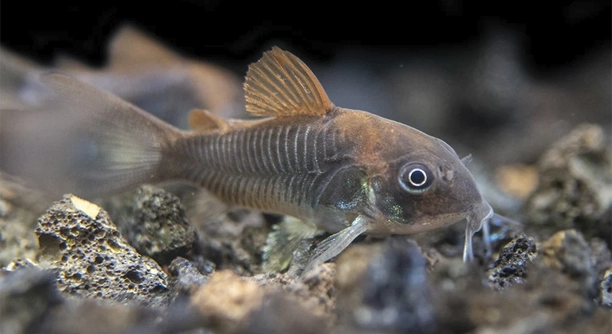
Corydoras catfish are known for their unique behavior and social nature. Many pet owners wonder if their fish can form bonds with them. This article explores the science behind whether these fish can recognize their owners.
Corydoras catfish have shown some ability to recognize their owners, particularly through scent and visual cues. Studies suggest that fish can associate their owners with food and respond to their presence, indicating a form of recognition.
Understanding how these fish interact with their owners offers valuable insight into their behavior. Keep reading to learn more about the scientific findings surrounding Corydoras catfish recognition.
How Corydoras Catfish Interact with Their Owners
Corydoras catfish are known for their social behavior, especially in aquarium settings. They can form bonds with their owners, responding to familiar faces and actions. Studies show that these fish may recognize their owners based on sight and scent. This recognition can lead to more active behaviors when their owners are present, such as swimming to the surface or showing excitement when fed. While these fish do not have the same emotional connections as more complex animals, their ability to associate their owners with food and safety is clear.
Interestingly, catfish don’t rely solely on sight to recognize their owners. They also use their sense of smell to detect familiar scents, further enhancing their bond with those who care for them. This sensory approach makes their recognition process different from that of many land animals.
Fish like the Corydoras are capable of forming simple associations with their environment and caregivers. However, their recognition is more instinctual and based on survival rather than deep emotional connections.
The Science Behind Fish Recognition
Studies have shown that fish, including Corydoras, can learn and remember their owners. This ability is attributed to their cognitive functions, which include memory and learning. Fish use both visual cues and scent to create associations with their owners, especially when food is involved. In some studies, fish that were repeatedly fed by a particular person would swim toward them when they approached, even before food was offered. This behavior suggests that Corydoras can identify their owners and respond accordingly. This recognition is crucial for survival, as it helps them identify sources of food and safety.
Over time, fish can associate certain actions with feeding times. This creates a predictable pattern where the fish anticipate when their owner will be present. Some owners may even notice their fish reacting differently depending on their behavior, such as swimming toward the surface or becoming more active when they approach the tank. Understanding how fish form these associations offers insight into their cognitive abilities, showing that even simple creatures can recognize patterns and respond to their environment.
Can Corydoras Catfish Recognize Other Fish?
Corydoras catfish can recognize other fish, especially those they share a tank with. They show preferences for familiar companions, often grouping together with specific fish.
Their ability to recognize tank mates is based on social behaviors and environmental cues. Corydoras catfish form bonds with others in their environment, which helps them stay safe and find food. In a well-maintained aquarium, these fish will often stick to the same areas, interacting with specific tank mates. They may even display territorial behavior, protecting certain spots from newcomers. Over time, they begin to recognize the movements and actions of other fish, creating a dynamic of cooperation and sometimes competition within the tank.
Fish recognition is also influenced by their memory. Corydoras can remember other fish they’ve encountered for extended periods. This ability helps them navigate their surroundings, ensuring that they know who their allies are and who may pose a threat. Such behavior highlights the complexity of fish interactions, far beyond the simple survival instincts many people expect.
How Does Feeding Affect Recognition?
Feeding time plays a significant role in how Corydoras catfish recognize their owners and other fish. They associate feeding routines with their caregivers, enhancing their recognition abilities.
The connection between feeding and recognition is built on repetition. As their owner consistently provides food, the catfish learn to associate their presence with nourishment. They often swim toward the surface or become more active when the owner approaches, signaling their recognition. Corydoras also begin to recognize the specific motions associated with feeding, such as the sound of a tank lid opening. Over time, this connection strengthens their bond with the person providing the food, creating a routine that the fish look forward to.
Fish that are regularly fed may even act more excited during feeding times, displaying behaviors that suggest anticipation. They can learn to identify the person who feeds them through these patterns. This makes feeding time a powerful tool in developing a connection between the fish and their owner, highlighting the importance of consistency in their care routine.
Can Corydoras Catfish Recognize Their Owner’s Voice?
Corydoras catfish seem to respond to their owner’s voice, though their hearing abilities are different from humans. Their reaction might not be as strong as with visual or scent cues, but they do notice sounds.
Fish, including Corydoras, are capable of detecting vibrations and sounds in their environment. While they may not fully “hear” in the way humans do, they can sense vibrations created by sound waves through the water. Over time, they may associate specific sounds, such as their owner’s voice or footsteps, with the arrival of food or other events in their environment. The more often these sounds occur in connection with positive experiences, the more likely they are to form an association. This is similar to how dogs may react to certain sounds associated with feeding or playtime.
Can Corydoras Catfish Recognize Changes in Their Environment?
Corydoras are sensitive to changes in their environment, such as water temperature, lighting, and even changes in tank decorations. This sensitivity helps them adapt quickly.
Fish are constantly aware of their surroundings. Changes in the environment, such as a shift in water temperature or new objects placed in the tank, can alter their behavior. Corydoras may become more active or cautious when they sense these changes, showing their awareness of even small adjustments. Their response can be linked to both their instincts and their learned experiences in the tank, particularly regarding their comfort and safety.
Do Corydoras Catfish Form Emotional Connections?
Corydoras catfish do not form emotional connections in the same way humans or mammals do. However, they do exhibit social behaviors that indicate bonding.
While these fish do not experience emotions in the same way humans do, their social nature leads to behaviors that suggest a form of attachment. Corydoras are often seen schooling together and showing coordinated movements. This behavior could be a sign of a basic form of bonding, as they feel safer and more comfortable when close to others. They may also show signs of trust with their owners through predictable responses, like approaching the tank when fed. This is more about survival instincts than emotional attachment, but it still indicates an important form of connection.
FAQ
Do Corydoras Catfish Recognize Their Owners by Sight?
Yes, Corydoras catfish can recognize their owners by sight. These fish can associate their caregivers with feeding time and other familiar actions. Over time, they learn to associate the presence of their owner with food or positive experiences, and they may swim toward the tank’s surface when they see their owner approach. This visual recognition is a part of their overall sensory processing, which also involves scent and vibrations.
Can Corydoras Catfish Hear Their Owners?
Corydoras catfish do not hear in the same way humans or land animals do, but they are capable of sensing vibrations and sounds in the water. They can detect sounds and movements around the tank, including the sounds of footsteps or a person’s voice. While the response to sound may not be as strong as their response to visual or scent cues, they do learn to associate certain sounds, like the opening of the tank lid or their owner’s voice, with feeding or other familiar events.
Do Corydoras Catfish Have Good Memory?
Yes, Corydoras catfish possess a good memory, which helps them remember their owners and even other fish in their tank. They can associate feeding times, tank maintenance, and the presence of specific people with certain actions. This memory allows them to recognize their owner and respond more actively when they approach the tank. Studies have shown that fish are capable of retaining memories and recalling them when needed, especially in relation to food or safety.
How Do Corydoras Catfish Recognize Their Owners?
Corydoras catfish recognize their owners primarily through sight and scent. The most significant cue is often the regular feeding routine, where the fish associate the arrival of their owner with food. The fish learn to connect their owner’s movements and actions with positive experiences. Their ability to recognize is more rooted in routine than emotional attachment, but it’s still a clear sign that these fish can form associations with their caregivers.
Can Corydoras Catfish Feel Affection?
Corydoras catfish do not feel affection in the same way mammals do. However, they do exhibit social behaviors that resemble bonding. They tend to form schools for protection and companionship, which can be interpreted as a basic social connection. While these bonds are more about survival and comfort, they may seem affectionate, especially when they recognize their owners and show excitement at feeding time. Their behavior is more instinct-driven than emotional, but it still reflects their social nature.
Do Corydoras Catfish Like Being Handfed?
Yes, many Corydoras catfish enjoy being handfed, especially when they have become accustomed to their owners. These fish are opportunistic feeders and will often take food directly from the hand once they recognize their owner and associate their presence with feeding. Handfeeding can help reinforce the bond between the fish and its owner, and it can be a fun way to interact with your Corydoras. However, it’s important to ensure that the fish are not overfed, as this can lead to health issues.
Can Corydoras Catfish Recognize Other Fish?
Yes, Corydoras catfish can recognize other fish in their tank. They tend to form schools with certain tank mates, and over time, they can become familiar with the fish they share their environment with. This recognition helps them establish social dynamics, which may include both cooperation and territorial behaviors. Corydoras are particularly sensitive to changes in the tank, so they quickly recognize when new fish are introduced or when there is a shift in their environment.
How Often Should I Feed My Corydoras Catfish?
Corydoras catfish should be fed once or twice a day, depending on the type of food provided and the number of fish in the tank. It’s important to give them small portions that they can consume within a few minutes to avoid overfeeding and water pollution. Offering a variety of foods, including sinking pellets, flakes, and occasional live or frozen foods, helps ensure a balanced diet. Be mindful not to leave uneaten food in the tank, as it can cause water quality problems.
Do Corydoras Catfish Need to Be in Groups?
Yes, Corydoras catfish are social creatures and should ideally be kept in groups. They feel safer and more comfortable when surrounded by others of their species. In the wild, they form schools for protection, and this behavior is often observed in aquariums as well. A group of at least three to six Corydoras is recommended for their well-being. Keeping them in groups reduces stress, encourages natural behaviors, and makes for a happier and healthier environment for the fish.
How Long Do Corydoras Catfish Live?
Corydoras catfish typically live between 5 to 10 years, depending on their care and environmental conditions. Proper tank maintenance, a balanced diet, and a stress-free environment can help them live a long and healthy life. Maintaining clean water, avoiding overcrowding, and providing appropriate tank mates will contribute to their overall well-being and longevity. Regular water changes and monitoring for signs of illness can also improve their lifespan.
Can Corydoras Catfish Recognize Changes in Their Environment?
Corydoras catfish are highly sensitive to changes in their environment, such as water temperature, lighting, and even the introduction of new objects. They may become more active or cautious when they sense changes. These fish are constantly monitoring their surroundings, and any shift in their habitat can affect their behavior. Recognizing environmental changes is crucial for their survival, as it helps them adapt and stay safe in their ever-changing aquatic world. The sensitivity of Corydoras catfish to their environment highlights their acute awareness of the world around them.
Final Thoughts
Corydoras catfish are fascinating creatures with a surprising capacity to recognize their owners and respond to their environment. While they may not form emotional bonds in the way mammals do, they do show signs of familiarity with their caregivers, especially when it comes to feeding times. Their ability to recognize sight, sound, and scent allows them to identify their owners and other familiar cues in their tank. This ability is rooted in instinct and memory rather than affection, but it shows how adaptable and aware these fish can be.
Understanding how Corydoras interact with their environment can also enhance the way we care for them. These fish are social creatures that thrive in groups and respond well to regular feeding routines. Their behavior, from recognizing their owner’s presence to adjusting to changes in their tank, reflects their sensitivity to their surroundings. By paying attention to their reactions, owners can create a more comfortable and healthy environment for their Corydoras. Regularly changing the water, providing a varied diet, and ensuring they have tank mates will help keep these fish happy and healthy for years to come.
In conclusion, while Corydoras catfish may not express affection the way we typically understand it, they are certainly capable of forming strong associations with their environment. Their ability to recognize their owners and respond to changes in their surroundings is a clear indication of their intelligence and awareness. Providing the right conditions for these fish to thrive, both socially and physically, is key to ensuring their long-term well-being. As owners, it’s essential to understand these behaviors and respond to their needs to maintain a thriving aquarium.

Hello,
If you enjoy the content that we create, please consider saying a "Thank You!" by leaving a tip.
Every little bit helps us continue crafting quality advice that supports the health, happiness, and well-being of pets around the world, for pets of all shapes, sizes, and species.
We really appreciate the kindness and support that you show us!