
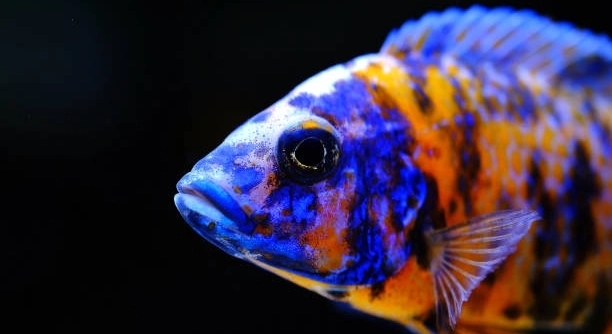
Salmon are remarkable creatures that travel long distances to return to the rivers where they were born. Their instinctual journeys are guided by natural cues, allowing them to navigate vast waters and challenging currents with precision and care.
Convicts, or Pacific salmon, exhibit strong natal homing behavior, often returning to the exact stream where they hatched. This remarkable ability is influenced by olfactory memory and environmental imprinting, allowing them to recognize specific chemical signatures in their spawning sites.
This fascinating navigational skill highlights the connection between memory and instinct, offering insights into salmon behavior that extend far beyond their immediate environment.
How Salmon Find Their Way Back
Salmon have a fascinating ability to locate the exact stream where they hatched. They rely heavily on their sense of smell, detecting unique chemical signatures in the water. From the moment they leave their natal stream as fry, salmon begin memorizing the odors of their surroundings. These scents act as a map, guiding them back years later when it’s time to spawn. Even when rivers change slightly or water levels fluctuate, salmon can adjust and still find the correct location. Researchers have observed that this homing instinct is particularly strong in Pacific salmon, which often return with remarkable precision. The combination of memory and environmental cues allows them to navigate long distances, including through lakes and estuaries, without confusion. It’s a delicate balance of instinct, sensory information, and adaptation, showing that salmon are far more aware of their environment than many might assume. Their ability to remember past spawning sites is a testament to nature’s complexity and precision.
This memory-based navigation ensures that salmon populations maintain genetic diversity and strengthen their species over time.
Returning to the exact stream also helps salmon avoid predators and ensures suitable conditions for eggs. Their success depends on these learned and instinctual behaviors, which have evolved over thousands of years.
The Role of Environmental Imprints
Salmon imprint on their surroundings early in life, which strongly influences their later choices.
Environmental imprinting is a critical process that occurs when young salmon absorb chemical cues from their natal waters. These cues include minerals, organic compounds, and other unique chemical signatures. As they grow and move toward the ocean, the memory of these signals remains embedded in their brains. Years later, when adult salmon are ready to spawn, they rely on this chemical map to identify the correct river or stream. Even slight alterations in water composition or pollution can affect their ability to recognize these cues, which may impact spawning success. Scientists have conducted experiments showing that salmon exposed to different water chemicals during early life may return to different sites or fail to return entirely. The combination of olfactory memory and instinct allows salmon to synchronize their spawning with optimal environmental conditions, ensuring higher survival rates for their offspring and maintaining strong populations in their natural habitats.
Navigation Through Changing Waters
Salmon can adapt to changes in river flow, temperature, and obstacles while returning to their spawning sites. Their strong olfactory memory allows them to recognize familiar chemical cues, even when conditions shift slightly, ensuring they reach the correct stream with remarkable accuracy.
This adaptability is crucial because rivers and streams are rarely static. Seasonal changes, rainfall, and human activity can alter water chemistry or create new barriers. Salmon use a combination of smell, vision, and current sensing to navigate these challenges. By memorizing environmental cues early in life, they can adjust their path without losing orientation. Even when encountering unfamiliar conditions, salmon often find alternative routes that lead them back to their natal sites, demonstrating both resilience and precise sensory memory. This balance between instinct and adaptation highlights the sophisticated mechanisms guiding their migration.
The ability to detect subtle chemical changes ensures that salmon can find safe spawning grounds, even in rivers that have shifted over time. Their precision is a result of both memory and environmental awareness, allowing successful reproduction across generations.
Factors Affecting Spawning Site Recall
Water pollution and habitat disruption can interfere with salmon’s olfactory memory and navigational accuracy.
When rivers are polluted or modified, salmon may struggle to recognize their natal sites. Chemicals, sediment buildup, or dams can mask or alter the natural scent of the water, confusing returning adults. Habitat loss due to deforestation or construction can remove critical environmental cues. In some cases, salmon may delay spawning or select suboptimal locations, affecting survival rates of offspring. Conservation efforts, such as restoring river conditions and reducing pollution, are essential for preserving these natural behaviors. Maintaining clear, chemically consistent waterways supports the salmon’s innate ability to return home.
Researchers have observed that salmon exposed to altered water chemistry during early life may fail to imprint correctly, which reduces their success in returning years later. Even minor changes in mineral content or the presence of industrial runoff can create challenges, forcing salmon to rely on less precise navigation methods. Additionally, barriers like dams or diversions require salmon to expend extra energy, which can reduce spawning success. Environmental protection and restoration programs aim to minimize these impacts by ensuring rivers retain their natural chemical composition and structure. Supporting healthy habitats allows salmon to continue their instinct-driven migrations and maintain population stability across generations.
Memory and Instinct
Salmon rely on a combination of memory and instinct to find their spawning sites. Their early-life imprinting creates a chemical map, while instinct guides them through obstacles and long distances, ensuring they return to the exact stream where they hatched.
This balance allows them to adapt to small changes in the environment. Even when rivers shift slightly or new currents appear, salmon can follow their memory cues and rely on instinctive behaviors to stay on course. Their remarkable precision is a result of these two systems working together seamlessly.
Challenges During Migration
Predators, changing water temperatures, and human-made structures can create obstacles for returning salmon. They must navigate carefully to survive and reach spawning sites.
Importance of Early Life Experiences
Young salmon imprint on their natal waters immediately after hatching, absorbing unique chemical signals that guide them years later. These experiences are critical for successful spawning. They learn subtle cues from water composition, vegetation, and surrounding terrain, which become permanent markers in their memory. Without this early imprinting, salmon may struggle to return, reducing their chances of reproducing and affecting population stability. Early exposure ensures they can recognize and navigate their spawning sites despite environmental changes. This reliance on early-life experiences highlights how memory and environment shape salmon behavior and survival.
Observing Salmon Behavior
Salmon often display cautious and deliberate movements near spawning sites, reflecting both memory and instinct in action.
FAQ
How do salmon remember their spawning sites?
Salmon remember their spawning sites through a process called olfactory imprinting. When they are young, they absorb the unique chemical signature of the water where they hatch. This imprint acts like a memory map, allowing them to recognize the exact stream years later when they return to spawn. Their sense of smell is incredibly sensitive, and it guides them even across long distances and changing river conditions. Combined with instinctive behaviors, this memory ensures they reach the correct location to reproduce successfully.
Do all salmon species return to the same stream?
Not all salmon species return with the same precision, but most Pacific salmon, including Chinook, Coho, and Sockeye, show strong natal homing behavior. Some species may stray slightly, which can help spread populations and maintain genetic diversity. Freshwater salmon generally show higher accuracy, while those that spend longer periods at sea may have more variation in their return. Even with small variations, the majority of adults reliably find their original stream.
What happens if the spawning site is damaged or polluted?
If the spawning site is damaged, polluted, or blocked by structures like dams, salmon can struggle to return. Pollution can mask chemical cues, making it difficult for them to recognize the correct stream. Physical barriers may force them to expend more energy, reducing their spawning success. In some cases, salmon may attempt nearby streams instead, but this may result in lower survival rates for their offspring. Maintaining healthy waterways is essential for supporting these natural behaviors.
Can salmon adapt if their natal stream changes?
Yes, salmon show a surprising level of adaptability. While they rely on chemical memory, they can adjust to minor changes in water flow, temperature, or obstacles. Their memory provides a guide, but instinct helps them navigate around challenges. Adaptation is not perfect, however, and significant changes to the habitat can reduce spawning success. Conservation measures, like restoring rivers and controlling pollution, help salmon continue to return effectively.
How far can salmon travel to reach their spawning site?
Salmon can travel hundreds or even thousands of miles from the ocean to their natal streams. Their migration often involves navigating rivers, lakes, and estuaries. This incredible travel relies on their memory, sensory perception, and endurance. Despite exhaustion and environmental challenges, most salmon reach the precise location where they were born, demonstrating remarkable persistence and navigational skill.
Do salmon ever fail to return?
Yes, some salmon fail to return due to predation, exhaustion, or environmental obstacles. Changes in river conditions, pollution, and barriers can prevent them from reaching their natal sites. Failure to return can impact population numbers, making conservation and habitat restoration critical. Successful return relies on both memory and favorable conditions along their route.
Why is it important for salmon to return to the same site?
Returning to the same site ensures the right environmental conditions for spawning and supports population stability. It helps maintain genetic diversity and provides a safe, familiar area for eggs to develop. Returning to a known location also allows salmon to avoid areas with higher predation risk, increasing the survival chances of their offspring.
Can humans help salmon navigate or improve their success?
Yes, humans can support salmon by protecting rivers, reducing pollution, and building fish-friendly structures around dams. Programs that restore spawning habitats and monitor water quality help salmon imprint and return successfully. Even small efforts, like planting vegetation along riverbanks or removing debris, can improve conditions and support their natural memory-based behaviors.
Do salmon use other senses besides smell to navigate?
While smell is the primary guide, salmon also use vision, current sensing, and the Earth’s magnetic field to navigate. Vision helps them recognize landmarks and avoid obstacles, while detecting currents allows them to follow water paths. Some studies suggest magnetic sensing aids long-distance ocean navigation, giving them a broader orientation before chemical cues guide them home.
How long can salmon remember their spawning site?
Salmon can remember their natal site for several years, typically the entire period they spend at sea before returning to spawn. Memory formed in early life remains strong, even after long migrations and exposure to varied environments. This lasting imprint is crucial for their ability to find the exact location for reproduction, demonstrating a powerful connection between memory and survival.
Do salmon ever stray to different streams on purpose?
Some salmon do stray slightly, which can help spread populations and maintain genetic diversity. Straying is usually limited and depends on environmental factors, population density, and habitat availability. While most return to their original stream, occasional straying ensures that species can adapt to changing conditions and colonize new areas, supporting long-term survival.
Can climate change affect salmon spawning behavior?
Yes, climate change impacts water temperatures, river flow, and chemical composition, all of which influence salmon navigation and spawning success. Warmer waters may stress fish, while altered currents can make chemical cues less reliable. Protecting rivers and mitigating climate effects are essential for supporting salmon populations and ensuring their memory-guided migrations remain effective.
How do researchers study salmon memory?
Scientists study salmon memory using experiments that manipulate water chemistry, track migrations with tags, and observe returning adults. Imprinting experiments expose fry to specific chemical cues and later monitor if they return to those locations. Tagging and monitoring allow researchers to see how environmental changes affect navigation, providing insights into how memory, instinct, and environmental factors interact to guide salmon.
Do salmon return alone or in groups?
Salmon often return in groups, called runs. Traveling together provides safety in numbers, reduces predation risk, and improves navigation efficiency. While each fish relies on its own memory, the collective movement helps guide individuals through complex river systems and ensures higher chances of successful spawning.
What is the most critical factor for successful spawning?
The most critical factor is a combination of intact natal streams and strong olfactory memory. Clear water, natural chemical composition, and minimal obstacles allow salmon to imprint early and navigate accurately. Without these conditions, their ability to return and reproduce can be severely compromised, affecting both individual survival and population health.
How long does it take for salmon to reach their spawning sites?
Travel time varies by species and distance, ranging from a few weeks to several months. Salmon must navigate rivers, estuaries, and sometimes open ocean before returning to their natal site. Timing is essential, as they need to arrive during optimal conditions for spawning and egg development, requiring both memory and endurance.
Are all salmon equally good at remembering their sites?
Not all salmon have the same precision. Pacific salmon generally show stronger homing behavior than Atlantic species. Individual variation exists due to genetics, early-life conditions, and environmental exposure. Even so, most salmon demonstrate impressive accuracy, returning to their natal streams with remarkable reliability, thanks to a combination of memory, imprinting, and instinct.
Can salmon learn from other fish while migrating?
Salmon primarily rely on memory, but traveling in groups allows for some observational learning. Young or inexperienced salmon may follow older or more experienced individuals, indirectly benefiting from collective knowledge. However, imprinting and olfactory memory remain the dominant factors guiding their precise return to natal sites.
Do salmon ever return to spawn more than once?
Some species, like Chinook and Coho, may spawn more than once, while others die after a single spawning season. Repeat spawners rely on the same memory mechanisms to navigate, demonstrating that olfactory imprinting and instinct remain effective across multiple migrations for individuals that survive initial spawning.
What can disrupt a salmon’s ability to remember its site?
Pollution, habitat destruction, dams, and sudden changes in water chemistry can disrupt memory cues. These factors interfere with olfactory imprinting or make chemical signals harder to detect. Even minor changes can confuse returning salmon, forcing them to expend extra energy or select suboptimal sites, which can reduce reproductive success.
How do salmon survive long migrations?
Salmon survive long migrations by relying on stored energy, instinctive behaviors, and memory-guided navigation. They rest in calmer waters, avoid predators, and follow chemical cues to minimize errors. Their physical endurance and natural adaptations allow them to reach natal streams despite exhaustion, obstacles, and environmental challenges.
Can humans use salmon memory to improve conservation efforts?
Yes, understanding salmon memory helps design effective conservation strategies. By protecting natal streams, controlling pollution, and managing water flows, humans can support olfactory imprinting and navigational success. Habitat restoration ensures salmon can imprint correctly and return reliably, maintaining populations and supporting long-term species survival.
Are farmed salmon capable of returning to natural spawning sites?
Farmed salmon generally lack the natural imprinting process and may struggle to return to wild streams. Their early life in artificial environments prevents proper chemical memory formation. Releasing them into rivers without natural imprinting reduces spawning success and can create challenges for wild populations if they compete for resources or breed in unnatural locations.
How precise is a salmon’s memory?
Salmon memory is highly precise, often allowing them to locate the exact gravel bed where they hatched. Even after years at sea, they can detect subtle chemical differences in water and follow them with minimal error. This precision is critical for reproductive success and maintaining strong populations over generations.
What role does genetics play in spawning site recall?
Genetics influence the strength of homing behavior and sensory abilities. Some salmon naturally have better olfactory sensitivity or instinctive navigation skills. While environmental imprinting is essential, genetics determine how reliably an individual can detect cues and adapt to minor changes in their environment, affecting overall spawning success.
How do researchers track returning salmon?
Researchers use tags, radio transmitters, and chemical markers to monitor salmon migrations. These tools show how far fish travel, how environmental factors affect navigation, and whether they return to their natal sites successfully. Tracking allows scientists to understand memory, imprinting, and the influence of habitat changes on spawning behavior.
Do salmon use memory for anything besides spawning?
Yes, salmon rely on memory for feeding and avoiding predators during migration. They remember safe resting spots, feeding areas, and environmental hazards. However, the most studied and critical memory function remains their ability to return to natal streams for reproduction, which is essential for species survival.
Can salmon teach us about memory and navigation in animals?
Studying salmon offers insights into how memory, environmental cues, and instinct interact. Their precise navigation demonstrates the power of early-life imprinting and sensory adaptation. These lessons inform conservation, animal behavior studies, and understanding how memory can guide critical survival behaviors across species.
How does group migration affect memory use?
Group migration provides safety and may reinforce memory cues. Salmon moving together can follow familiar scents more efficiently, and social behavior reduces predation risk. While individual memory guides each fish, traveling in a group enhances overall success and helps maintain the species’ natural reproductive patterns.
Do environmental changes force salmon to learn new routes?
Yes, significant changes like blocked rivers or altered flows may require salmon to adjust. While memory provides a base map, instinct and adaptability help them find alternative routes. These adjustments are more challenging, and successful navigation depends on both resilience and environmental conditions.
Is there a limit to how far memory can guide salmon?
Memory primarily guides salmon within freshwater systems where chemical cues are present. In the open ocean, navigation relies more on magnetic sensing and instinct. Memory becomes critical again when approaching natal streams, allowing precise localization of spawning sites despite long distances traveled.
Can salmon survive if they fail to return?
Failure to return prevents reproduction, ending the individual’s contribution to the population. This makes successful navigation essential for species survival. Environmental protection ensures more salmon can complete migrations, reproduce, and maintain healthy populations for future generations.
Do salmon ever forget their natal site?
Salmon rarely forget their natal site once imprinted. Their chemical memory is long-lasting and robust, guiding them even after years at sea. Major environmental disruptions can interfere with this memory, but under normal conditions, it remains highly reliable.
How do human activities impact salmon memory?
Activities like pollution, dam construction, and water diversion can mask chemical cues, disrupt navigation, or destroy habitats. Protecting rivers and maintaining consistent water quality are crucial to preserving salmon memory and ensuring their successful return to spawning sites.
Are there differences in memory between male and female salmon?
Both males and females rely equally on olfactory memory for spawning site recall. Differences in behavior are more related to mating strategies than memory. Both sexes must navigate precisely to reproduce successfully, making memory a shared and vital trait for survival.
What is the role of chemical cues in memory?
Chemical cues from water composition, minerals, and organic matter create the imprint salmon rely on. These cues remain stable over time and allow fish to identify natal streams accurately. Memory of these signals is critical for navigating complex river systems and ensuring reproductive success.
Can salmon adjust if chemical cues are weak?
Salmon can compensate using vision, current sensing, and instinct, but weak cues reduce accuracy. Delays or errors in navigation may occur, and successful spawning depends on both environmental quality and the strength of early-life imprinting. Healthy rivers are essential for reliable chemical guidance.
How long does imprinting take?
Imprinting occurs during the early weeks of a salmon’s life, shortly after hatching. Exposure to natal water chemistry during this period is critical. Proper imprinting ensures they can navigate accurately years later, demonstrating the importance of early-life experiences for survival and reproduction.
Do salmon prefer certain types of streams?
Salmon select streams with suitable gravel beds, water flow, and temperature for spawning. Memory guides them to familiar conditions that maximize egg survival. Streams with consistent chemical signatures are more likely to attract returning adults, ensuring a higher success rate for reproduction.
Are there cases of salmon returning to the wrong stream?
Yes, occasional straying occurs, often due to environmental changes, human interference, or weakened chemical cues. While some straying helps spread populations, most salmon return to their correct natal streams, demonstrating the strength and precision of their memory and imprinting mechanisms.
How do salmon know when to start migrating?
Migration timing is influenced by instinct, water temperature, and seasonal cues. Memory of the natal site provides direction, but external environmental factors trigger the start of the migration. This combination ensures they arrive at optimal conditions for spawning and survival of offspring.
Can young salmon learn from older salmon?
Imprinting and memory are individual processes, but traveling in groups allows some observational benefits. Young salmon may follow adults, reducing exposure to predators or mistakes, but precise navigation relies on their own chemical memory imprinted during early life.
Do all rivers support successful salmon memory use?
Only rivers with stable chemical composition, natural flow, and minimal pollution support accurate imprinting and memory-guided returns. Degraded rivers reduce the reliability of cues, making navigation more difficult and decreasing spawning success. Conservation and restoration efforts help maintain these conditions.
Is memory the only factor in spawning success?
Memory is critical, but physical endurance, environmental conditions, and instinct all play roles. Successful spawning depends on the interaction of these factors, with memory providing the precise guide to the natal site while other traits support survival and reproduction.
Do salmon return alone after leaving the ocean?
Salmon usually return in groups, but each fish relies on individual memory. Traveling together reduces predation risk and may help maintain orientation, yet the success of each return is still dependent on the accuracy of chemical imprinting and environmental awareness.
Can salmon adapt to new rivers if necessary?
Yes, salmon can adjust if forced to spawn in a nearby stream due to barriers or habitat changes. Memory of the natal site may still guide general navigation, but adaptation requires relying more on instinct and environmental cues to find suitable conditions.
What research is being done on salmon memory?
Scientists continue to study chemical imprinting, migration tracking, and the impact of environmental changes on navigation. Tagging, lab experiments, and field observations help reveal how memory interacts with instinct and adaptation. Research informs conservation strategies and habitat restoration efforts.
How critical is memory for species survival?
Memory is essential for species survival. Accurate natal site recall ensures successful reproduction, population stability, and genetic diversity. Without it, salmon would struggle to reproduce effectively, making environmental protection and early-life imprinting vital for maintaining healthy populations.
Do salmon ever change their spawning sites voluntarily?
Occasionally, salmon may select nearby streams if environmental conditions are unfavorable, but this is rare. Most adults rely on memory and instinct to return to their original natal site, ensuring optimal conditions for spawning and offspring survival.
Can environmental restoration improve salmon memory success?
Yes, restoring rivers, reducing pollution, and removing barriers enhance chemical cues and navigational accuracy. Healthy environments strengthen imprinting and help salmon return reliably, supporting population growth and long-term species survival.
How do predators affect salmon memory use?
Predators increase the need for careful navigation. Salmon rely on memory to avoid known predator hotspots while still finding natal streams. While memory guides location, instinct and caution help them survive threats during migration.
Is imprinting permanent?
Imprinting is long-lasting and typically remains effective throughout a salmon’s lifetime. Early-life exposure to natal water chemistry forms a durable memory that allows precise navigation even after years at sea.
Do hatcheries affect memory development?
Hatchery-raised salmon may imprint incorrectly or not at all if exposed to artificial water conditions. This can reduce their ability to return to natural streams and impact overall spawning success when released into the wild.
How do chemical signals guide navigation?
Chemical signals act as unique identifiers for each stream. Salmon detect these compounds using their sensitive olfactory system, following them to locate exact spawning sites. These cues remain the most reliable method for precise homing.
Can memory compensate for physical barriers?
Memory guides the intended path, but physical barriers require salmon to rely on alternative routes. Strong imprinting helps them remain oriented, though obstacles may reduce efficiency and increase energy expenditure, affecting reproductive success.
Do salmon remember specific spots within a stream?
Yes, salmon can locate exact gravel beds or spawning areas within a stream. Their memory includes detailed chemical and environmental cues that guide them to optimal locations for laying eggs.
How do environmental changes affect olfactory memory?
Changes like pollution, sedimentation, or water chemistry shifts can obscure chemical cues, reducing accuracy. Salmon may struggle to identify natal sites, making clean, stable rivers essential for successful imprinting and navigation.
Are memory and instinct equally important?
Memory provides precise location information, while instinct ensures survival and navigation through obstacles. Both are critical, working together to guide salmon back to spawning sites and support reproductive success.
Can salmon recover if they miss their spawning site?
Missing the natal site can reduce reproductive success, but salmon may attempt nearby areas. Recovery depends on environmental conditions, energy reserves, and instinct, though offspring survival is generally lower outside the original stream.
Do all salmon species migrate the same distance?
Migration distances vary widely. Some travel a few dozen miles, while others traverse hundreds or thousands. Distance influences energy expenditure, reliance on memory, and the need for adaptive behaviors to reach spawning sites successfully.
Is memory passed to offspring?
Memory itself is not inherited. Offspring must imprint on their own natal site. Genetics influence sensory abilities and instinct, but each generation relies on early-life imprinting to navigate effectively.
How do researchers test salmon memory?
Experiments expose fry to specific chemical cues, then track adults’ return. Tagging and
Salmon are remarkable for their ability to return to the exact stream where they were born. This behavior is guided largely by olfactory memory, formed early in life when young salmon imprint on the chemical signatures of their natal waters. Even after spending years at sea, this memory allows them to recognize and navigate back to their spawning sites with impressive accuracy. The combination of memory and instinct provides them with a natural map, guiding them through rivers, lakes, and estuaries despite changing currents, obstacles, and environmental conditions. Their journeys highlight the delicate balance between learned behavior and innate navigation skills, showing that memory is not just a tool but a survival mechanism that has developed over thousands of years of evolution.
Environmental factors play a significant role in the success of salmon returning to their spawning sites. Pollution, habitat disruption, and water diversion can interfere with chemical cues, making it difficult for salmon to identify their natal streams. Even minor changes in water composition or temperature can reduce the accuracy of their navigation. Human-made barriers, such as dams, increase the energy required for migration and can delay or prevent spawning entirely. Restoration efforts, including habitat protection, water quality management, and fish-friendly structures, are essential to ensure that salmon can continue to rely on their memory to complete this critical life stage. These measures help preserve not only individual survival but also the long-term stability of salmon populations, supporting both ecological balance and biodiversity.
The study of salmon memory and spawning behavior provides valuable insights into how animals interact with their environment. It shows the importance of early-life experiences and how instinct and memory work together to ensure survival. Understanding these processes can guide conservation practices, helping humans create conditions that support natural behaviors and successful reproduction. Salmon demonstrate that memory is not only a mental function but also a critical factor in the continuity of a species. Their precise navigation, shaped by both environmental cues and instinct, is a reminder of the complexity of natural systems. Protecting rivers, maintaining clean waterways, and reducing barriers allow these fish to carry out their natural life cycle, ensuring that future generations can continue this remarkable return to their spawning sites. By paying attention to the factors that affect their memory and migration, we can help salmon thrive, sustaining their ecological role and the delicate balance of freshwater and marine ecosystems.

Hello,
If you enjoy the content that we create, please consider saying a "Thank You!" by leaving a tip.
Every little bit helps us continue crafting quality advice that supports the health, happiness, and well-being of pets around the world, for pets of all shapes, sizes, and species.
We really appreciate the kindness and support that you show us!