
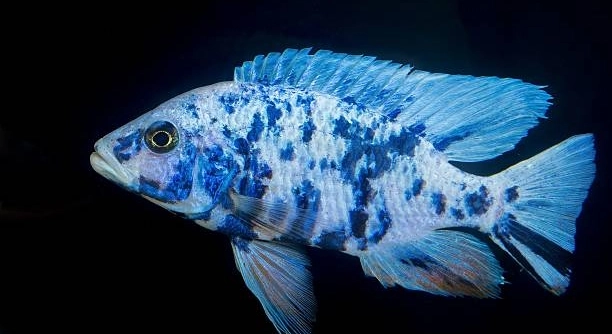
Do convicts in home aquariums respond differently to dim or bright tanks, affecting their behavior and overall wellbeing? Tank lighting can play a subtle but important role in how these creatures interact with their environment and adapt to daily routines.
Research indicates that convicts generally prefer dimly lit tanks over brightly illuminated ones. Lower light levels reduce stress, encourage natural hiding behaviors, and promote healthier feeding patterns, while excessive brightness can cause agitation and disrupt normal social interactions.
Understanding the impact of lighting on convicts can improve tank setup and help maintain a balanced, harmonious aquatic environment for these fish.
Understanding Light Preferences in Convicts
Convicts tend to feel more comfortable in dimly lit tanks because it mimics their natural habitat. Bright lights can make them skittish and less willing to explore their surroundings. In dim lighting, they show calmer behavior, stay closer to hiding spots, and interact more naturally with other fish. Observing them in different light conditions reveals clear differences in activity levels and social interactions. Some convicts will even adjust their position within the tank based on light intensity, seeking shaded areas when it becomes too bright. Tank decorations like plants or rocks can create natural shading, which convicts seem to prefer. Providing dim lighting does not mean the tank has to be dark; a soft, even light allows for visibility while keeping stress low. Over time, consistent lighting that matches their preferences can improve feeding habits, reduce aggression, and encourage a stable environment for both the fish and the tank as a whole.
Dim lighting helps convicts feel safe and reduces stress-related behavior. They become more active and display natural social patterns.
Creating shaded areas within the tank enhances comfort. Plants, rocks, and subtle light gradients allow convicts to choose their preferred environment, balancing exploration and rest. Watching them settle into these areas shows how sensitive they are to brightness. Adjusting the light gradually over time ensures they adapt without sudden stress. Consistent dim conditions also support regular feeding and breeding behaviors. Overly bright tanks can lead to hiding or aggression, so gradual observation and adjustment are key. By paying attention to how convicts react to different light levels, you can create a tank that encourages healthy interaction, reduces conflict, and supports overall wellbeing. This approach not only benefits the fish but also makes observing them more enjoyable and rewarding.
Setting Up Your Tank Lighting
Dim lighting is generally better for convicts as it replicates shaded natural areas and reduces stress.
When setting up tank lighting, aim for a balance that provides enough visibility without overwhelming the fish. Using adjustable LED lights or timers can help maintain consistent light cycles. Incorporate decorations like plants, rocks, or driftwood to create natural shade zones. Avoid placing the tank in direct sunlight, which can increase brightness and cause temperature fluctuations. Monitoring the convicts’ behavior after changes is essential. If they are constantly hiding or showing signs of agitation, the lighting may still be too intense. Gradual changes and careful observation ensure the fish adjust smoothly. Maintaining consistent dim lighting can support natural feeding, breeding, and social interactions. Over time, this setup creates a stable environment where convicts feel secure and display more predictable behaviors, making tank management easier. Proper lighting is not just aesthetic; it directly influences health, behavior, and the overall harmony of the aquarium ecosystem.
Adjusting Brightness Gradually
Sudden changes in light can stress convicts, causing them to hide or act aggressively. Gradually adjusting brightness allows them to acclimate comfortably and maintain normal behavior without disrupting feeding or social interactions.
Start by slightly lowering the existing tank light over several days. Observe how convicts respond, noting any increase in hiding or reduced movement. Use plants or decorations to create additional shaded areas, giving fish options to escape brighter spots. Avoid turning off lights abruptly, as this can confuse them. Consistent timing, such as setting lights on a daily schedule, helps them adapt naturally while maintaining a healthy routine. This method keeps stress low and supports long-term wellbeing.
Lighting changes also affect water temperature and algae growth. Dimmer light reduces rapid algae buildup while helping maintain stable conditions. Convicts respond positively to soft, even lighting, and gradual adjustments make it easier to monitor their reactions. By slowly introducing changes, you give the fish control over their environment, encouraging natural behaviors, smoother social interactions, and overall stability in the tank. Over time, this approach promotes a peaceful and balanced aquarium that benefits both the fish and the ecosystem.
Using Tank Decorations for Shade
Plants, rocks, and driftwood create shaded areas where convicts can feel secure. These spots reduce stress and encourage natural behaviors.
Adding natural decorations allows convicts to choose light levels themselves. Shade zones provide safe resting areas while leaving open spaces for exploration. Arrange taller plants near bright spots and place rocks strategically to create gradients of light. This encourages movement without forcing fish into exposed areas. Decorations also mimic their natural habitat, making the tank more comfortable. Observing convicts using these shaded areas shows how sensitive they are to lighting and how decorations can improve overall tank harmony.
Decorations serve multiple purposes beyond aesthetics. They break up the tank visually, preventing aggressive dominance by certain fish, and give hiding spots for weaker individuals. Driftwood and plants can absorb excess light and provide shelter, while rocks and caves offer security for breeding or resting. By combining shade and open space, convicts can regulate their exposure to brightness, reducing stress and aggression. Careful placement of decorations ensures fish can move freely and maintain natural routines. Over time, the tank becomes a more interactive and balanced environment, where light, shelter, and space work together to support healthy behavior and a stable aquatic ecosystem.
Monitoring Fish Behavior
Observing convicts regularly helps identify stress caused by lighting. Signs like hiding, aggression, or reduced feeding indicate adjustments may be needed to maintain comfort and wellbeing.
Tracking movement patterns shows which areas of the tank they prefer. Fish that avoid brightly lit zones benefit from additional shaded spots and gradual light changes.
Balancing Light and Activity
Providing dim lighting encourages convicts to explore without feeling threatened. Bright areas can be left near the surface for natural behaviors, but most activity will occur in moderate or shaded zones. Gradually increasing light during the day while keeping overall brightness low helps maintain natural rhythms. Using timers ensures a consistent schedule, supporting feeding and breeding patterns. Fish tend to be more active when they can predict light changes, reducing stress and aggression. Careful observation allows adjustments to both intensity and placement of lights, ensuring a stable and comfortable environment where convicts can display normal social and exploratory behaviors.
Preventing Overexposure
Too much bright light can disrupt feeding and breeding, so controlling intensity and duration is essential.
FAQ
Do convicts prefer complete darkness at times?
No, convicts do not thrive in complete darkness. They need some light to navigate, find food, and interact with tank mates. Total darkness can increase stress and disrupt natural behaviors. Dim, consistent lighting is ideal, providing visibility while still allowing them to feel safe and secure in shaded areas.
How long should lights stay on in a convict tank?
A consistent schedule of about 10–12 hours of light per day works best. Using a timer ensures the fish experience predictable light cycles, which helps regulate feeding, activity, and rest patterns. Maintaining this routine prevents stress caused by sudden or irregular changes in brightness.
Can convicts adapt to brighter tanks over time?
Some convicts may gradually adjust to brighter conditions, but this depends on individual temperament. Even if they adapt, they often prefer shaded spots or plants to retreat to. Gradual changes are critical; sudden increases in light can cause hiding, aggression, or reduced activity.
Do tank plants affect convict behavior?
Yes, plants provide essential shade and create natural hiding spots, which reduces stress and encourages exploration. Tall or dense plants near brighter areas allow fish to regulate their exposure to light. Plants also improve water quality and create a more stable environment overall.
Is it necessary to use dim lights for breeding convicts?
Dim lighting supports natural breeding behavior by reducing stress. Bright tanks can inhibit mating and cause aggression between pairs. Shaded areas or moderate light levels give convicts privacy and security, which is essential for successful spawning and caring for fry.
Can convicts’ mood be influenced by light intensity?
Absolutely. Bright lighting can make them more aggressive, anxious, or prone to hiding. Dim, evenly distributed light promotes calmer behavior, encourages social interaction, and supports overall health. Observing changes in activity and positioning in the tank provides insight into their comfort level.
Are certain colors of light better than others?
Natural white or soft daylight LED lighting is generally preferred. Harsh blue or overly bright lights can increase stress. Avoid using intense colored lighting that alters their environment unnaturally. Gradual changes and soft tones create a stable, comfortable setting for convicts to thrive.
Should lights be turned off completely at night?
Yes, providing a dark period of 12–14 hours allows convicts to rest naturally. Continuous light disrupts sleep cycles, increases stress, and can affect feeding and social behavior. A consistent day-night cycle is essential for maintaining healthy routines in the tank.
Do tank size and layout impact lighting needs?
Yes, larger tanks or tanks with open areas require careful light placement to avoid excessively bright spots. Decorations, plants, and rocks help create gradients, giving convicts control over light exposure. Observing where fish spend most of their time can guide adjustments.
Can lighting influence aggression between convicts?
Yes, overly bright tanks can increase territorial behavior and conflict. Dim lighting combined with hiding spots reduces aggressive interactions, especially in smaller tanks or when multiple males are present. Managing light intensity is a practical way to maintain balance in social dynamics.
How quickly should lighting changes be implemented?
Gradual adjustments over several days or weeks are necessary. Sudden changes can trigger hiding, reduced activity, or stress-related behaviors. Monitoring their response allows you to fine-tune light levels while keeping the tank environment stable and comfortable.
Do convicts prefer natural sunlight or artificial lighting?
Artificial lighting is preferable, as it allows controlled intensity and duration. Direct sunlight can overheat the tank, cause algae overgrowth, and create uneven light levels. Timed artificial lights provide consistent cycles that mimic natural day-night rhythms without negative side effects.
How do dim lights affect feeding habits?
Dim lighting encourages convicts to feed more confidently. Bright tanks can make fish skittish, causing them to hide during feeding times. Maintaining soft, even light ensures all fish have access to food while staying relaxed and comfortable in their environment.
Can lighting impact tank algae growth?
Yes, excessive bright light promotes algae buildup, which can affect water quality and obscure shaded areas. Dim lighting reduces this growth while still providing enough visibility for fish. Using plants and decorations strategically helps manage both light exposure and algae distribution.
How important is consistency in lighting?
Consistency is critical. Irregular lighting causes stress, disrupts feeding schedules, and affects behavior. Using timers and maintaining stable light levels creates a predictable environment where convicts feel secure, encouraging natural activity, social interaction, and overall health.
Do juvenile convicts have different lighting needs than adults?
Juveniles are more sensitive to light intensity and stress. Dim, evenly lit tanks with plenty of shaded areas support healthy growth and socialization. Adults are slightly more adaptable, but shaded zones remain important for reducing aggression and providing safe resting areas.
Is there a maximum brightness convicts can tolerate?
While some may tolerate moderate brightness, high-intensity lighting causes stress, hiding, and aggression. It’s best to keep overall illumination soft and evenly distributed, with shaded areas for choice and comfort. Overly bright tanks rarely benefit the fish’s wellbeing.
Does the type of lighting fixture matter?
LEDs with adjustable intensity are ideal because they allow precise control over brightness and timing. Fluorescent lights can work, but they may create uneven lighting and limited shade. Fixtures that allow gradual adjustment help maintain a stress-free environment.
Can lighting influence tank cleaning routines?
Yes, dim lighting may make it slightly harder to spot debris, but it benefits fish behavior. Planning cleaning around predictable light schedules minimizes disruption. Gentle changes in lighting during maintenance help avoid stress while keeping the tank clean and safe.
How do shaded areas affect social hierarchy?
Shaded areas provide refuge for subordinate fish, reducing bullying and territorial aggression. Dominant fish may still patrol open spaces, but giving all individuals control over light exposure balances social interactions and reduces chronic stress.
Are there signs that lighting is too low?
If fish appear lethargic, fail to feed, or cluster unnaturally, lighting may be too low. While dim is preferred, some visibility is necessary for normal activity. Adjusting light gradually can restore balance and encourage natural behavior.
Do convicts show preferences for specific parts of the tank based on light?
Yes, they often gravitate to shaded or moderate light areas. Observing where fish spend most of their time helps determine the ideal arrangement of lights, plants, and decorations to meet their comfort needs.
Does lighting affect breeding frequency?
Dim, consistent lighting supports breeding by reducing stress and providing secure areas for eggs and fry. Bright, intense light can disrupt spawning behavior and increase aggression between pairs. Gradual light adjustments help maintain optimal conditions for reproduction.
Can lighting changes cause illness?
Indirectly, yes. Stress from sudden or overly bright lighting weakens immunity, making fish more susceptible to disease. Gradual adjustments, shaded areas, and consistent schedules help prevent stress-related health issues.
Should lighting differ between community and single-species tanks?
Yes, in community tanks, dim lighting helps reduce aggression between different species. Single-species tanks may tolerate slightly brighter light, but shaded areas are still essential for comfort and natural behavior.
Are there seasonal considerations for lighting?
Seasonal changes are less critical with artificial lights, but maintaining consistent day-night cycles year-round supports stable behavior, feeding, and breeding patterns. Avoid adjusting intensity drastically with the seasons to prevent stress.
Can light flicker affect convicts?
Yes, flickering lights can increase stress, cause erratic behavior, and disrupt feeding. Using stable, quality lighting reduces stress and maintains a calm, predictable environment for the fish.
How do you know if lighting is optimal?
Fish display normal activity, explore shaded and open areas, feed regularly, and interact socially without hiding excessively. Observing these behaviors confirms lighting is balanced, safe, and supports overall wellbeing.
Is it better to use natural décor or artificial structures for shade?
Natural décor like plants and rocks is ideal because it mimics their environment and improves water quality. Artificial structures work but may lack the same benefits. Combining both can provide flexibility while maintaining natural hiding spots.
Can lighting schedules help reduce aggression in tanks with multiple males?
Yes, gradual light changes and shaded areas reduce visibility of rivals, minimizing aggression. Consistent schedules and dim overall lighting create a calmer social environment, helping subordinate males avoid stress while still allowing natural hierarchy.
Do convicts react differently to overhead lights versus side lighting?
Overhead lighting often creates harsher brightness and shadows, causing hiding or agitation. Side lighting or diffused lights provide softer illumination, promoting natural exploration and reducing stress in sensitive areas of the tank.
How often should lighting be adjusted?
Adjust only when necessary, such as after observing stress or changes in behavior. Gradual, small modifications every few days or weeks are safest, allowing convicts to adapt without disruption to routines.
Does lighting influence water temperature?
Indirectly, yes. High-intensity lights can warm the tank, potentially stressing fish and altering oxygen levels. Dim, moderate lighting reduces heat buildup and maintains stable water conditions, supporting overall health.
Can lighting impact fry survival?
Yes, too much brightness can make fry hide excessively or become targets of aggression. Dim lighting with shaded areas supports fry safety and encourages feeding without unnecessary stress.
Are there differences in light preference among convict subspecies?
While all convicts prefer dim, shaded areas, some subspecies may tolerate slightly brighter conditions. Observation of individual behavior is more reliable than general rules, as fish personalities vary even within the same subspecies.
Do seasonal light patterns affect convicts in indoor tanks?
With artificial lighting, seasonal changes are mostly irrelevant. Consistency is key. Stable light cycles ensure feeding, breeding, and activity patterns remain predictable, preventing stress associated with sudden environmental shifts.
Is it okay to occasionally increase light for viewing purposes?
Yes, brief increases are acceptable if done gradually and not for extended periods. Always provide shaded areas so fish can retreat and maintain comfort during temporary changes.
Do convicts prefer direct or diffused light?
Diffused light is preferred, as it reduces harsh shadows and glare. Direct, intense light can increase stress and aggressive behavior, while soft illumination supports exploration, feeding, and social interactions naturally.
Can lighting impact aggression during breeding?
Bright, unshaded tanks can increase territorial disputes and aggression between breeding pairs. Dim, consistent light with shaded zones reduces conflict and provides security for eggs and fry, supporting healthier reproductive behavior.
Is there a preferred light spectrum for convicts?
Neutral white or daylight-spectrum lighting is best. Harsh blue or colored lights can increase stress or disrupt natural behaviors. A soft, balanced spectrum supports visibility, comfort, and normal activity.
How does lighting affect nocturnal behavior?
Dim or shaded areas allow convicts to rest without complete darkness, supporting natural day-night cycles. Overly bright conditions at night can disrupt sleep, increase stress, and reduce overall activity the following day.
Do tank cleaning routines require light adjustment?
Yes, cleaning during normal light periods is less stressful. Avoid sudden bright lighting while fish are exposed. Gradually increasing illumination or using diffused light makes maintenance safer and more comfortable for convicts.
How do you test if light is too intense?
Observe behavior: hiding, aggression, or reduced movement indicates excessive brightness. Gradually lowering intensity or adding shade zones can restore comfort and encourage normal patterns.
Can lighting affect growth rates?
Indirectly, yes. Stress from excessive light or sudden changes can reduce feeding efficiency and energy use, slowing growth. Consistent, dim lighting helps maintain healthy eating and development.
Are shaded zones more important in small tanks?
Yes, smaller tanks intensify exposure to light and increase territorial tension. Shaded areas help subordinate fish find refuge, reduce conflict, and promote natural behavior even in limited space.
Do convicts prefer shallow or deep light penetration?
Moderate penetration is ideal. Too shallow creates exposed bright zones, increasing stress, while too deep may reduce visibility for feeding. Balanced lighting with shade allows choice and comfort throughout the tank.
Is it necessary to adjust light for seasonal temperature changes?
Not usually, as artificial lighting provides consistent intensity. Focus on maintaining day-night cycles and shaded areas rather than changing light levels with the season.
Can lighting influence water chemistry?
Indirectly, yes. Excess light can increase algae growth, affecting oxygen and nutrient balance. Dim, controlled lighting minimizes these effects and supports stable water conditions for convicts.
How do convicts respond to sudden light flickers or outages?
Sudden changes can startle fish, causing hiding, darting, or aggressive behavior. Gradual adjustments and consistent schedules prevent stress and maintain predictable routines.
Do older convicts need different lighting than younger ones?
Older fish are generally more tolerant of moderate brightness but still benefit from shaded areas. Juveniles are more sensitive and require softer light for safe exploration and feeding.
Can lighting affect territorial boundaries?
Yes, bright, open areas can encourage dominance displays. Dim lighting and shaded zones reduce visibility of rivals, helping subordinate fish avoid conflict and supporting overall tank harmony.
Are there long-term effects of improper lighting?
Chronic stress from excessive or inconsistent lighting can weaken immunity, reduce feeding efficiency, increase aggression, and negatively affect growth and breeding. Proper dim, consistent lighting supports overall health and natural behaviors.
Should lighting intensity be uniform across the tank?
Not entirely. Some variation allows fish to choose shaded or open areas. Gradients of light encourage exploration while reducing stress and aggressive interactions.
Do convicts prefer indirect or direct tank lighting for resting?
Indirect lighting is preferred for resting areas. It reduces glare and provides safe zones where fish can relax without feeling exposed or threatened.
Can lighting affect algae management strategies?
Yes, dim lighting slows algae growth, while bright or prolonged light encourages buildup. Strategic placement of shaded zones helps manage algae while maintaining fish comfort.
How much light do fry need?
Fry require low, diffused light to encourage feeding while staying protected from stress. Bright areas can lead to hiding or increased vulnerability to aggression.
Is it better to gradually increase brightness for viewing or keep it low?
Gradual increases are acceptable if shaded areas remain. Sudden, high-intensity light should be avoided to prevent stress and hiding.
Can lighting influence feeding aggression?
Yes, bright light may make some fish more dominant or nervous, affecting feeding patterns. Dim lighting and shaded zones allow equitable access to food and reduce stress-related aggression.
Does water clarity affect lighting preferences?
Yes, murky or cloudy water can make bright light feel harsher, while clear water allows even dim lighting to illuminate the tank without causing stress.
Are there benefits to using a light dimmer in convict tanks?
Yes, dimmers allow precise control over intensity, helping create gradual transitions, shaded areas, and comfortable conditions that support natural behavior and reduce stress.
How do convicts react to reflections or glare from bright lights?
Reflections can confuse or stress them, leading to hiding or aggression. Using diffused or indirect lighting reduces glare and supports calmer behavior.
Can lighting affect plant growth in convict tanks?
Yes, high-intensity light promotes faster plant growth, which may alter shaded areas. Balancing light supports both plants and fish comfort, maintaining a harmonious tank environment.
Should lighting differ between daytime and nighttime maintenance?
Yes, performing maintenance during normal light periods is less stressful. Avoid sudden bright lights during night hours to protect sleep and reduce stress.
Does light direction impact convicts’ preferred swimming areas?
Yes, fish often swim in shaded or moderately lit areas, avoiding harsh overhead light. Directional lighting can guide movement and help create comfortable zones.
Can lighting influence aggression in newly introduced convicts?
Bright tanks can increase initial aggression as fish establish territory. Dim lighting and shaded zones help reduce stress and provide refuge, allowing smoother social integration.
Is lighting intensity linked to oxygen levels in the tank?
Indirectly, yes. Excess light promotes algae growth, affecting oxygen and nutrient levels. Controlled dim lighting supports stable conditions, benefiting convicts’ health.
Do convicts prefer shaded corners or central dim areas?
Shaded corners are generally preferred for resting and hiding, while central dim areas allow exploration and feeding. Providing a mix ensures comfort and natural behavior.
How important is lighting consistency for long-term health?
Consistency reduces stress, supports feeding, social interaction, and breeding, and helps maintain predictable routines. Fluctuating light levels can lead to chronic stress and health problems over time.
Can lighting impact tank temperature indirectly?
Yes, high-intensity lights can raise water temperature, stressing fish and affecting oxygen levels. Dim or moderate lighting reduces heat buildup and maintains stable conditions.
Do convicts show different preferences in shallow vs. deep tanks?
Shallow tanks may expose fish to brighter surfaces, increasing stress. Deep tanks allow for natural gradients of light, giving fish more control over exposure and comfort.
Is it necessary to combine natural and artificial shading?
Yes, combining plants, rocks, and controlled lighting ensures both aesthetic and functional shaded areas. This allows fish to regulate exposure and maintain comfort while exploring.
Can lighting affect aggression outside breeding season?
Yes, bright or uneven light can increase territorial behavior even when not breeding. Dim, consistent lighting reduces conflict and promotes stable social interactions.
Are there risks to frequent light changes?
Frequent changes cause stress, hiding, reduced feeding, and aggression. Gradual adjustments and consistent schedules prevent disruption and maintain a comfortable environment for convicts.
Do convicts respond differently to fluorescent versus LED lighting?
LEDs with adjustable intensity provide more control and are less stressful. Fluorescent lights may create uneven illumination or flicker, causing hiding or agitation. LEDs are preferable for maintaining stable, comfortable conditions.
How do lighting gradients benefit tank harmony?
Gradients allow fish to choose preferred brightness, reducing conflict, stress, and hiding. They support exploration, feeding, and social interaction, making the tank environment more natural and balanced.
Can lighting changes affect dominance hierarchies?
Yes, bright areas may empower dominant fish, increasing aggression. Shaded zones provide refuge for subordinate fish, balancing social dynamics and reducing chronic stress.
Is soft light better for observing convicts without stressing them?
Yes, soft, diffused lighting allows clear observation while maintaining comfort. Harsh bright lights can cause hiding, agitation, or aggression.
Do convicts prefer stable over fluctuating light cycles?
Stable cycles support natural behavior, feeding, and breeding. Fluctuating light increases stress and disrupts social and feeding routines, negatively affecting overall wellbeing.
How do shaded zones affect feeding hierarchy?
Shaded areas allow less dominant fish access to food without interference, reducing stress and promoting fair distribution of resources.
Are light intensity preferences the same for all convicts?
No, individual temperament plays a role. Most prefer dim light, but some may tolerate slightly brighter areas. Observation is key to understanding their needs.
Does lighting influence mating rituals?
Dim, consistent light supports courtship, nest building, and spawning by reducing stress and providing secure spaces. Bright, exposed tanks can inhibit reproductive behavior.
Final Thoughts
Lighting plays a critical role in maintaining a healthy and balanced environment for convicts in home aquariums. Dim, evenly distributed lighting tends to support natural behaviors, reduce stress, and improve overall wellbeing. Bright or harsh lighting can cause hiding, aggression, and irregular feeding, which may affect both adult fish and fry. Over time, consistent dim lighting allows convicts to explore their tank more confidently, interact socially, and establish natural territories without excessive conflict. Observing how the fish respond to light levels is the best way to determine what works for a particular tank setup. Even small adjustments, like adding shaded areas with plants, rocks, or driftwood, can make a significant difference. These shaded zones give fish control over their environment and allow them to choose the level of brightness they are comfortable with, which supports calmer, more predictable behavior.
Using decorations strategically is as important as adjusting the lighting itself. Plants and rocks create natural shade, which allows fish to retreat from overly bright spots while still giving them space to explore. Driftwood or caves can also provide cover for breeding pairs or fry, increasing survival rates and reducing stress for more dominant individuals. Maintaining a balance between open areas and shaded zones helps prevent conflicts between tank mates, as subordinate fish have places to escape without being constantly threatened. Gradual changes in lighting and thoughtful decoration placement work together to create an environment that encourages natural behavior, reduces aggression, and promotes a stable social structure. Consistent observation ensures the tank remains comfortable, and minor adjustments can be made as fish adapt to the environment over time.
Consistency and gradual adjustments are essential for long-term success. Convicts respond best to predictable light cycles, with periods of dim light that mimic natural conditions and provide rest. Sudden changes in brightness or frequent fluctuations can stress fish, reduce feeding efficiency, and disrupt breeding behaviors. By implementing soft lighting, shaded areas, and controlled cycles, the aquarium becomes a safe and comfortable space where convicts can thrive. These small, deliberate efforts contribute not only to the fish’s health but also to the overall harmony of the tank ecosystem. Paying attention to their behavior, providing choice in light exposure, and maintaining stable conditions ensures that convicts remain active, calm, and healthy. Over time, a properly lit and thoughtfully decorated tank will make observing and caring for convicts more enjoyable, creating a peaceful and balanced aquatic environment for everyone involved.

Hello,
If you enjoy the content that we create, please consider saying a "Thank You!" by leaving a tip.
Every little bit helps us continue crafting quality advice that supports the health, happiness, and well-being of pets around the world, for pets of all shapes, sizes, and species.
We really appreciate the kindness and support that you show us!