
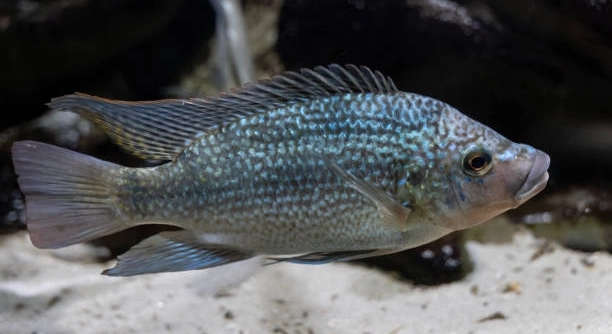
Have you ever watched your convict cichlid swim around the tank and wondered if it notices your presence? Many fish owners find themselves speaking to their pets, hoping for a reaction. These small, striped fish have interesting behaviors.
Convict cichlids do not recognize human names in the way mammals might, but they can respond to consistent sounds or cues. Repeated verbal signals, coupled with feeding or interaction, allow these fish to associate certain noises with specific outcomes.
Learning how these fish react to human interaction can improve their care and strengthen the bond between owner and pet over time.
How Convict Cichlids Learn to Recognize Sounds
Convict cichlids are highly observant fish that respond to repeated stimuli in their environment. Over time, they begin to associate certain sounds with food or attention. For example, if you consistently call out a particular sound before feeding, the fish may swim toward you when they hear it. This is not the same as recognizing a name, but it shows their ability to form simple associations. Many owners notice that convict cichlids start anticipating feeding times and follow familiar sounds. Visual cues also play a role; gestures or movements near the tank can trigger a response. Environmental consistency is key. Changing locations, sounds, or feeding times too often can confuse the fish. By maintaining a steady routine, you can encourage interaction and make your convict cichlid more comfortable. Observing these responses can be satisfying, showing their intelligence and adaptability in a controlled setting.
Consistency in training makes these fish more responsive and predictable in their behavior.
When teaching convict cichlids to respond, patience is essential. Start with a simple cue, like a short verbal signal or tapping on the tank, and repeat it every time you feed them. Over several weeks, they begin to associate the cue with food. Avoid overloading them with too many signals at once. Gradually, the fish will start swimming toward the source of the sound or showing alertness when they hear it. Positive reinforcement, like feeding immediately after the cue, strengthens this connection. It is important to observe their behavior carefully; sudden changes in swimming patterns or aggression can indicate stress. By respecting their natural instincts and maintaining calm interactions, you can encourage a stable and predictable response. These small steps allow for effective communication between you and your convict cichlid, improving daily interactions and overall care.
Visual Cues and Interaction
Convict cichlids also respond strongly to movement and gestures near the tank.
Gestures, hand movements, and consistent positioning during feeding can signal the fish to come closer. Fish notice changes in light, shadow, and motion, which can trigger curiosity or recognition. Combining visual cues with sound creates a more effective training system. For instance, tapping the tank lightly while moving your hand in a predictable pattern helps the fish associate both signals with feeding. Over time, they can anticipate your presence and react promptly. Environmental enrichment, like decorations or hiding spots, also supports their learning by making them more aware of surroundings. Observing how they interact with these cues gives insight into their memory and problem-solving abilities. This dual approach strengthens communication, making interactions smoother and more predictable. Understanding how visual and auditory signals work together allows owners to enhance the fish’s routine and comfort within the tank. These techniques make daily care more engaging and manageable for both owner and convict cichlid.
Feeding Times and Responses
Convict cichlids quickly associate feeding times with specific sounds or movements. They often swim closer to the area where food appears. Regular schedules make them more responsive and reduce stress, helping them feel secure in their environment.
Consistent feeding routines encourage convict cichlids to recognize patterns in daily interactions. When food is offered at roughly the same time and place, the fish begin to anticipate it. Repeating verbal or visual cues during feeding reinforces this recognition. Over time, they respond more quickly, showing alertness and excitement when they detect these familiar signals. Predictable routines help the fish feel safe, which is important for their health and social behavior. Owners often notice that fish become more active and approachable during these times, demonstrating the benefits of structured feeding practices.
In addition to timing, the method of feeding can influence responses. Hand-feeding or using feeding tools allows the fish to link your presence directly with food. This strengthens the association with cues such as tapping or calling sounds. Environmental consistency, like maintaining tank layout and lighting, further supports learning. Convict cichlids may explore their surroundings more confidently when they can predict what will happen, reducing stress-related behaviors. Observing their reactions during feeding can provide insight into their memory and adaptability. This approach not only improves interaction but also ensures the fish maintain healthy habits and energy levels throughout the day.
Social Behavior and Recognition
Convict cichlids display strong social behaviors that affect how they respond to stimuli in their tank.
These fish establish hierarchies and territories, which influence how they interact with each other and with owners. Dominant individuals are often more responsive to visual or auditory cues, while submissive fish may stay hidden. Social dynamics affect their learning and attention, especially during feeding or environmental changes. Group behavior can enhance recognition of patterns, as observing one fish responding to a cue may encourage others to follow. Understanding these social structures helps owners manage interactions effectively, reduce aggression, and promote healthy behavior within the tank.
Interactions among convict cichlids are influenced by both familiarity and hierarchy. Pair bonding, especially during breeding, increases attention to specific cues, while aggressive encounters can disrupt learning. Fish that feel secure are more likely to respond consistently, showing alertness to sounds, gestures, or feeding signals. Social observation plays a role in their learning; they may mimic behaviors of more confident tank mates. Managing group size, providing hiding spots, and maintaining stable conditions reduce stress and support consistent recognition of cues. Observing these patterns provides insight into their intelligence, adaptability, and the subtle ways they respond to both humans and fellow fish.
Tank Environment and Awareness
Convict cichlids respond more readily in a stable environment. Consistent water conditions, decorations, and lighting help them feel secure. Sudden changes can cause stress, making them less likely to notice sounds or movements.
Providing familiar spaces, such as hiding spots or plants, increases their comfort. Comfortable fish are more alert and willing to interact, making training or recognition easier.
Routine Interaction Benefits
Daily interaction strengthens the association between owner cues and expected outcomes. Regular exposure to sounds, gestures, and feeding signals encourages attention and memory retention. Fish become more predictable in behavior, reducing stress and promoting healthier activity levels. Observing them closely allows owners to refine cues and improve communication effectiveness.
Signs of Recognition
Convict cichlids show recognition through movement and alertness. Swimming toward sounds or gestures indicates they have learned to associate the signal with a positive outcome, such as food or attention.
FAQ
Do convict cichlids recognize their owner’s voice?
Convict cichlids do not recognize human voices as names, but they can respond to consistent sounds associated with food or attention. If you call out or tap the tank at feeding time repeatedly, they begin to associate that sound with a positive outcome. Over time, this creates a conditioned response, and the fish may swim closer or show alert behavior whenever they hear the cue. Their recognition is based on pattern learning rather than understanding language, so consistency is key for them to respond reliably.
Can they differentiate between people?
These fish are not capable of distinguishing individual humans like mammals can. They respond mainly to repeated cues in the environment rather than recognizing specific people. However, if different people use distinct signals or feeding patterns, the fish may learn to respond differently to each. For example, one person might tap the tank, while another waves their hand. The fish can associate each signal with a result, such as feeding, but this is learned behavior and not true recognition of the individual person.
How long does it take for them to respond to a cue?
The time varies depending on the fish’s personality and the consistency of the cue. Some convict cichlids may start showing a response within a few days, while others require weeks of repetition. Regular, calm, and predictable interaction speeds up learning. Reinforcing the cue with a reward, like food immediately after the signal, improves the chances that the fish will respond consistently. Interruptions in routine or sudden environmental changes can slow learning, so maintaining stability is important.
Do they respond to visual signals alone?
Yes, convict cichlids are observant and can learn to respond to hand movements or other visual cues. Combining visual signals with auditory cues often produces stronger recognition. For example, tapping the tank while moving your hand in a specific pattern helps the fish link both signals to feeding. Observing their reaction to gestures allows owners to determine which cues are most effective. Fish that feel safe in their environment respond better, so minimizing sudden movements and stress helps improve their attentiveness to visual signals.
Can stress affect recognition?
Stress significantly affects how convict cichlids respond to cues. Poor water quality, overcrowding, or aggressive tank mates can make them anxious and less likely to notice sounds or gestures. Fish that feel threatened may hide or become aggressive, limiting their ability to learn and respond. Providing a stable environment with proper tank conditions, hiding spots, and consistent routines helps reduce stress and encourages more reliable reactions to cues. Calm interactions and predictable signals improve their comfort and allow them to respond more consistently.
Is it possible to teach multiple cues?
Yes, but it requires patience and gradual introduction. Start with one simple cue, like a short sound or gesture, and repeat it consistently. Once the fish reliably responds, you can introduce another cue. Overloading them with too many signals at once can cause confusion. Gradually building associations helps the fish distinguish between different cues, especially when paired with consistent rewards. Tracking their responses to each cue ensures they are learning and reduces frustration for both the fish and the owner.
Do convict cichlids remember cues over time?
Convict cichlids have decent short-term memory for routine signals, such as feeding cues. If cues are repeated regularly, they can remember associations for weeks. However, extended breaks or inconsistent routines can weaken their memory, making it necessary to retrain. Consistency and repetition are key to maintaining learned responses, and owners often notice fish responding more promptly with regular practice. Memory retention improves when cues are paired with predictable outcomes, such as food or gentle interaction, reinforcing the association over time.
Can they respond differently depending on the time of day?
Yes, convict cichlids are sensitive to light, feeding schedules, and tank activity, which can affect how alert they are. They may respond more actively during their usual feeding periods and show less interest at other times. Observing their natural activity patterns and aligning cues with these periods improves responsiveness. Recognizing when the fish is most attentive helps ensure that cues are effective, making training and interaction more productive. Adjusting interaction times to match their daily rhythms benefits both learning and overall fish well-being.
How can owners improve recognition and interaction?
Providing a stable environment, consistent routines, and clear, repeated cues is essential. Combining visual and auditory signals with immediate rewards encourages learning. Observing the fish closely to understand individual responses helps refine training methods. Minimizing stress, offering hiding spots, and maintaining proper water conditions all contribute to a fish that is more alert and willing to engage. By respecting their instincts and using predictable interactions, owners can improve both the fish’s responsiveness and the overall tank experience.
Are there signs that the fish is responding incorrectly?
Aggression, hiding, or erratic swimming during cues may indicate stress or confusion. These behaviors suggest that the signals are inconsistent, the environment is unstable, or the fish is uncomfortable. Adjusting routines, simplifying cues, and ensuring a calm setting helps correct these responses. Consistency, patience, and careful observation are key to effective interaction.
Final Thoughts
Convict cichlids are more intelligent than many people realize. They do not recognize human names, but they can learn to associate sounds, gestures, and routines with specific outcomes, like feeding or attention. This ability to form simple associations shows their adaptability and memory. Owners who spend time observing their behavior often notice that these fish respond to consistent cues. Over time, they may swim closer to the tank or show alert movements when they hear a sound or see a gesture they recognize. Understanding this behavior makes interacting with convict cichlids more rewarding and allows owners to provide better care.
Consistency is the most important factor in helping convict cichlids respond reliably. Repeating the same verbal or visual cue at feeding times or during interaction allows the fish to link the signal with a positive result. Sudden changes in routine, environment, or signals can confuse them and make them less responsive. Visual cues, like hand movements or gestures near the tank, often work best when paired with sound. Positive reinforcement, such as feeding immediately after a cue, strengthens this connection. By observing their responses and keeping interactions calm and predictable, owners can improve the fish’s attentiveness and reduce stress. Over time, these small efforts lead to a fish that is more engaged, responsive, and easier to interact with.
It is also important to consider the overall environment and social structure within the tank. Stress, poor water quality, overcrowding, or aggressive tank mates can limit learning and make convict cichlids less likely to respond. Providing hiding spots, maintaining stable water conditions, and keeping consistent routines support both their health and their ability to notice cues. Social behavior matters too; dominant or confident fish are often more responsive, and observing their interactions can give insight into their learning. With patience, careful observation, and consistent signals, owners can encourage recognition and engagement, creating a more predictable and harmonious environment. This approach not only improves daily interaction but also ensures the fish remain healthy, alert, and comfortable in their tank.

Hello,
If you enjoy the content that we create, please consider saying a "Thank You!" by leaving a tip.
Every little bit helps us continue crafting quality advice that supports the health, happiness, and well-being of pets around the world, for pets of all shapes, sizes, and species.
We really appreciate the kindness and support that you show us!