
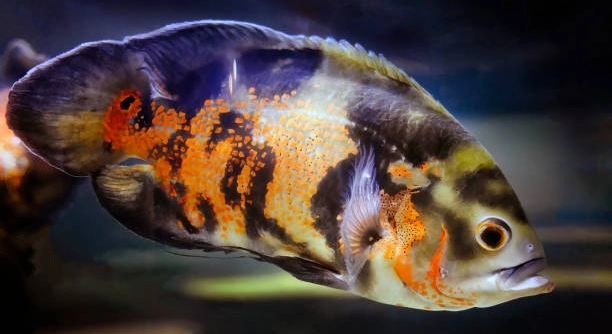
Convict cichlids are popular freshwater fish known for their bold colors and active behavior. Many aquarists enjoy observing their interactions, but these fish can also be sensitive to changes in their environment. Small adjustments in their tank can affect their behavior.
Convict cichlids are capable of recognizing changes in their tank, including rearranged decorations, new plants, or altered water conditions. They respond through cautious exploration, increased hiding, and shifts in territorial behavior, demonstrating environmental awareness and adaptability.
Understanding how convict cichlids notice changes can help ensure their wellbeing. Recognizing their reactions allows for a smoother transition when updating or cleaning the tank.
Adjusting the Tank Without Stressing Cichlids
Making changes in a convict cichlid tank requires care. Start by moving one decoration or plant at a time rather than rearranging everything at once. This allows the fish to explore and adjust gradually. Water changes should be done slowly, keeping temperature and pH levels stable. Introduce new plants or ornaments during their active hours so the fish can observe without feeling threatened. Avoid sudden loud noises or tapping on the glass, as this adds to stress. Even small changes, like adding a hiding spot or altering lighting, should be monitored closely. Watching how the fish react after each adjustment helps determine if the change was too much. Consistency in feeding and tank maintenance also supports their adaptation. Over time, careful changes will allow convict cichlids to feel comfortable and maintain normal behaviors without aggression or fear.
Gradual adjustments reduce stress and help cichlids maintain normal activity levels.
Observation after each change is key. Noticing their reactions ensures the tank remains stable and secure.
Benefits of a Well-Maintained Tank
A stable tank environment promotes health and natural behavior in convict cichlids.
Keeping the tank consistent improves feeding, reduces aggression, and supports breeding. Sudden changes can confuse the fish, causing hiding or erratic swimming. Maintaining clean water, stable temperature, and a familiar layout encourages confident movement and social interaction. Regular monitoring helps detect early signs of stress or illness, allowing for prompt action. Adding decorations or plants gradually enhances their habitat without causing disruption. Providing sufficient hiding spots and clear territories reduces fighting among fish. Predictable feeding routines support digestion and energy levels. Lighting should mimic natural cycles to maintain their circadian rhythm. Even small adjustments, when done carefully, improve the overall wellbeing of the tank. A well-maintained environment ensures convict cichlids remain active, healthy, and display natural behaviors consistently, making them easier to observe and care for in the long term.
Understanding Territorial Behavior
Convict cichlids become more territorial when changes occur in their tank. They may patrol areas more often and defend hiding spots.
Territorial behavior increases when new objects or decorations are added. Males, in particular, guard nests or favorite areas, showing aggression toward other fish. Females may also become protective, especially if breeding is occurring. Observing these behaviors helps identify which parts of the tank are considered valuable. Temporary changes often cause heightened alertness, but most cichlids adjust within a few days. Maintaining consistent territories and slowly introducing changes reduces stress. Using rocks, plants, and caves strategically can create clear boundaries and minimize conflicts.
Regular monitoring of interactions allows you to manage aggression before it escalates. Adjusting tank layout gradually helps fish maintain confidence while reducing territorial disputes. Predictable feeding and hiding spaces also support calm behavior.
Feeding and Behavior Changes
Feeding routines can be affected by alterations in the tank.
Sudden changes may cause convict cichlids to eat less or act hesitant during feeding times. They may explore cautiously before approaching food or compete more aggressively for familiar spots. Stress from rearrangements can suppress appetite, and some fish may hide longer than usual. Keeping a consistent schedule and monitoring food intake ensures all fish remain healthy. Gradual adjustments and familiar feeding locations help them regain normal behavior.
Providing stable feeding routines supports digestion and energy levels, even during tank changes. Observing which fish eat first and how they interact during meals can indicate comfort and hierarchy. Changes in behavior often settle after a few days if the environment remains stable. Introducing new foods slowly and keeping feeding areas consistent prevents competition and stress. Maintaining clean water and removing uneaten food also ensures a healthy diet. By combining careful observation with consistent feeding, convict cichlids adapt more quickly to new conditions without long-term disruption to their behavior.
Signs of Adaptation
Convict cichlids gradually explore and accept new tank arrangements. They start swimming confidently around changed areas and interacting normally with other fish.
Adaptation is visible when hiding decreases and feeding behavior returns to regular patterns. Over time, they treat the modified spaces as part of their territory.
Safe Ways to Introduce Changes
Introduce changes slowly to avoid stress. Move one decoration at a time, and monitor reactions carefully. Allow several days between adjustments to give cichlids time to explore and adapt. Keeping water conditions stable and maintaining familiar feeding routines supports a smoother transition. Gradual introductions reduce aggression and hiding.
Monitoring Daily Behavior
Tracking daily behavior helps identify if adjustments are causing stress. Watch for hiding, aggression, or reduced appetite.
Using Plants and Hiding Spots
Plants and hiding spots provide security during changes. They help cichlids feel safe while exploring new areas.
FAQ
Do convict cichlids remember tank layouts?
Yes, convict cichlids have a good memory for their environment. They recognize familiar hiding spots, territories, and feeding areas. When decorations or plants are moved, they may explore cautiously at first but quickly learn the new layout over time. Consistent placement helps reduce stress.
How long does it take for them to adjust to changes?
Adjustment usually takes a few days to a week, depending on the extent of the change. Small alterations, like moving a single plant, are adapted to within a couple of days. Major rearrangements, such as new rocks or caves, may require a week or more for them to feel comfortable.
Do all cichlids react the same way to changes?
Not always. Individual fish have different temperaments. Some may explore boldly, while others hide or show aggression. Males often patrol and guard territories, while females may be more protective during breeding. Observing each fish is important to ensure all adapt safely.
Can frequent changes harm them?
Yes, frequent or sudden changes can cause stress, reducing appetite and increasing aggression. Prolonged stress can weaken their immune system, making them more vulnerable to disease. Gradual changes and stable routines are key to maintaining healthy, confident fish.
Is hiding a bad sign?
Hiding is a natural reaction to new or unfamiliar situations. Short periods of hiding are normal, but prolonged hiding may indicate stress or poor water conditions. Ensuring plenty of secure hiding spots helps cichlids feel safe while adjusting.
Do they recognize people feeding them?
Convict cichlids can learn to associate humans with food. They may swim closer to the glass during feeding times and show excitement when food is offered. Consistent routines strengthen this behavior, making feeding more predictable and reducing stress.
How should I introduce new decorations?
Introduce one item at a time and place it where it does not block established territories. Observe reactions for several days before making further changes. Gradual introduction allows fish to explore and claim new spaces without feeling threatened.
Do water changes count as environmental changes?
Yes, significant shifts in water temperature, pH, or hardness are noticed by convict cichlids. Sudden changes can make them cautious or reduce appetite. Performing slow, partial water changes keeps conditions stable and minimizes stress.
Will adding plants help with adaptation?
Adding plants provides cover and reduces stress by giving hiding spots. They also help define territories, making transitions smoother. Gradually introducing plants ensures cichlids explore them safely without sudden disruption to their routine.
Can tankmates affect their response to changes?
Yes, other fish influence behavior. Aggressive or territorial tankmates can increase stress when changes occur. Monitoring interactions is important to ensure a stable social environment during adjustments. Adding spaces for each fish helps reduce conflict and allows safer exploration.
What is the best way to monitor their stress?
Observe swimming patterns, feeding behavior, and hiding. Erratic swimming, constant hiding, or loss of appetite are signs of stress. Regular observation after changes ensures any issues are addressed promptly, maintaining a healthy and stable tank environment.
Do cichlids ever forget tank layouts?
Generally, convict cichlids retain memory of their environment for long periods. Familiar areas, feeding spots, and hiding places remain recognizable, helping them feel secure. Only drastic or repeated disruptions can temporarily confuse them. Gradual changes and stable routines preserve their comfort.
How do they explore new objects?
Cichlids approach new items cautiously at first, often circling or nudging them. Over time, they investigate further and may claim the item as part of their territory. Providing multiple hiding spots helps them feel safe while exploring unfamiliar objects.
Are juvenile cichlids more sensitive to changes?
Yes, younger fish are often more cautious. They may hide longer and show increased stress during adjustments. Gradual changes and safe areas are particularly important for juveniles to help them build confidence and learn the tank layout.
Does lighting affect how they adapt?
Lighting impacts behavior. Bright sudden lighting can startle them, while consistent day-night cycles help maintain normal activity. Adjusting lighting gradually or using natural light cycles supports smoother adaptation to environmental changes.
Can breeding pairs react differently?
Breeding pairs are highly territorial and protective. They may guard nests aggressively when changes occur. Providing extra hiding spots and minimal disruption during breeding helps reduce conflict and ensures both parents feel secure.
Is tank size important for adaptation?
Yes, larger tanks give more space to explore and reduce territorial disputes. Small tanks amplify stress when changes happen because fish have fewer options to avoid each other. Proper tank size with enough hiding spots supports safer adaptation.
How do I know if a change was too much?
Signs include prolonged hiding, loss of appetite, constant aggression, or frantic swimming. If these behaviors continue for several days, it may indicate the change was too abrupt. Reverting some changes and observing carefully helps restore stability.
Can diet help with stress management?
Yes, offering nutritious, easily digestible food supports energy and resilience. Regular feeding times and consistent food types reduce stress, helping convict cichlids cope better with environmental changes. Balanced diets strengthen immunity and overall health during adjustment periods.
Do they interact differently with humans after changes?
Convict cichlids may become cautious around humans immediately after changes. They often resume normal interaction once they feel comfortable with the new layout. Predictable feeding and calm observation reinforce trust and reduce initial wariness.
How often should tank maintenance occur to minimize stress?
Routine maintenance should be consistent but not overly disruptive. Weekly partial water changes, careful cleaning of decorations, and monitoring water quality keep the tank stable. Avoid making multiple changes at once to ensure cichlids remain calm and healthy.
Do hiding spots reduce aggression?
Yes, providing multiple hiding places allows fish to avoid conflict. Even dominant fish benefit from retreats, which lowers overall stress. Properly spaced hiding spots help establish territories and make adaptation to changes smoother.
Can seasonal changes in temperature affect adaptation?
Yes, convict cichlids are sensitive to temperature shifts. Sudden increases or decreases can cause caution, hiding, or reduced activity. Maintaining stable temperature during seasonal changes helps them explore and adapt without stress.
What’s the best approach for rearranging rocks or caves?
Move one rock or cave at a time and observe reactions. Leave familiar areas untouched initially, allowing fish to adjust gradually. This method reduces conflict and stress while enabling exploration of new spaces safely.
Do they respond differently to live plants versus artificial plants?
Live plants provide natural cover and water benefits, while artificial plants mainly offer hiding spots. Both are effective, but gradual introduction is important to avoid startling fish. Live plants may also encourage natural behaviors like grazing and territorial marking.
How can I tell if tankmates are adjusting well?
Monitor aggression, hiding, and feeding. If all fish explore new areas, maintain appetite, and show normal social behavior, they are adjusting. Persistent chasing or stress indicates that further changes should be slowed or reversed.
Are some changes less stressful than others?
Yes, small, gradual adjustments, like adding a single plant, are usually well tolerated. Large-scale rearrangements or sudden water parameter shifts cause more stress and should be done carefully over several days.
Does water clarity affect adaptation?
Yes, clear water allows better visibility of surroundings, helping fish navigate safely. Cloudy water or debris can increase caution and hiding, making adaptation slower. Regular cleaning and filtration support smoother transitions.
Can stress from changes affect breeding?
Yes, stressed fish may delay spawning, abandon nests, or become aggressive toward mates. Maintaining stable conditions, secure hiding spots, and minimal disruption is essential for successful breeding during tank adjustments.
Is gradual introduction of new fish similar to tank changes?
Yes, introducing new fish requires similar care. Adding one fish at a time, providing hiding spots, and monitoring behavior helps existing convict cichlids adapt without stress or aggression. Gradual integration ensures harmony and reduces territorial conflicts.
Do convict cichlids have long-term memory for environmental changes?
Yes, they remember past layouts and safe spots. Once they adapt, they quickly recognize altered areas and respond confidently. Frequent or abrupt changes can temporarily confuse them, but they regain familiarity with consistent routines and gradual adjustments.
How important is observation during adjustments?
Observation is critical. Watching behavior, feeding, hiding, and aggression provides insight into comfort levels. Promptly addressing stress or conflict ensures a healthy tank and smoother adaptation. Monitoring allows changes to be paced appropriately for all fish.
Can rearranging substrate affect them?
Yes, moving sand or gravel may disturb established territories and nesting areas. Gradual, partial rearrangements minimize disruption. Leaving key areas intact helps fish explore safely and maintain territorial boundaries.
Do they react differently to large versus small decorations?
Larger decorations create new territories and may trigger more caution or aggression. Small items are explored quickly and usually cause minimal stress. Introduce decorations gradually to let cichlids claim and explore new spaces comfortably.
Can sudden noise or vibrations stress them during changes?
Yes, loud sounds or tapping on the glass can increase fear and hiding. Minimizing disturbances during tank changes helps them adapt confidently and reduces prolonged stress.
Is patience the most important factor in making changes?
Yes, patience ensures fish remain healthy and confident. Gradual introductions, careful monitoring, and consistent routines allow convict cichlids to adjust naturally without prolonged stress or aggression.
How can I tell if a change was successful?
Successful changes are indicated when hiding decreases, feeding returns to normal, and fish explore new areas confidently. Calm social interactions and consistent activity levels show they have adapted well.
Does the type of tank matter during changes?
Tank size, layout, and decorations affect adaptation. Larger tanks with multiple hiding spots reduce stress and aggression. Properly spaced decorations allow fish to explore safely and maintain territories while adjusting to changes.
How do I handle aggressive reactions during changes?
Observe and separate overly aggressive fish if necessary. Adding extra hiding spots and spacing decorations reduces conflict. Gradual changes and consistent routines minimize aggression and help all fish feel secure.
Are behavioral changes temporary or long-lasting?
Most behavioral changes from tank adjustments are temporary. With careful management and stable routines, fish return to normal activity, feeding, and interaction patterns within days to a week.
Do convict cichlids recognize their tank over months or years?
Yes, they retain memory of the tank layout and territories over long periods. Consistency in environment reinforces security, reduces stress, and supports normal behavior, even after months of minimal interaction.
Can lighting schedules influence adaptation speed?
Consistent lighting helps maintain activity patterns and reduces stress. Sudden bright or extended light periods can delay adaptation. Gradual changes in lighting, mimicking natural cycles, support faster exploration and adjustment to altered environments.
Do they interact differently with new plants versus decorations?
They often inspect both cautiously. Live plants encourage natural behaviors like grazing, while decorations mainly serve as shelter or territory markers. Gradual introduction ensures safe exploration and reduces territorial disputes.
Can seasonal routines affect how they react to changes?
Yes, changes in daylight or water temperature can influence activity and stress levels. Maintaining consistent conditions and gradual adjustments helps fish adapt steadily, even when seasonal variations occur.
Is water chemistry monitoring essential during changes?
Yes, stable pH, hardness, and temperature reduce stress. Sudden shifts can cause hiding, aggression, or loss of appetite. Gradual adjustments and regular testing ensure the environment remains safe for adaptation.
How do I support shy fish during changes?
Provide extra hiding spots, maintain consistent feeding, and avoid sudden movements near the tank. Shy fish gradually explore when they feel secure, allowing them to adapt at their own pace without unnecessary stress.
Do they show curiosity after initial stress?
Yes, after initial caution, convict cichlids often explore new areas and objects actively. Gradual acclimation encourages confidence and normal behavior, showing they have adjusted successfully.
Are multiple changes at once ever recommended?
No, multiple simultaneous changes increase stress and aggression. Introducing one adjustment at a time allows careful observation and ensures all fish adapt safely. Gradual pacing is the safest approach.
Can tank rearrangement improve behavior?
Yes, thoughtful rearrangement with hiding spots and territories can reduce aggression, encourage exploration, and provide stimulation. Gradual changes improve mental stimulation while maintaining comfort and safety.
Does tank depth affect adaptation?
Yes, depth changes affect swimming patterns and territory use. Gradual adjustments prevent stress and allow fish to explore new vertical spaces confidently. Providing shelters at multiple levels supports smoother adaptation.
Is interaction with humans affected after stress?
Yes, initially fish may avoid the front of the tank. Consistent feeding routines and calm observation help rebuild confidence and normal interactions.
Do they notice small changes in water flow?
Yes, changes in current or filtration intensity can alter swimming behavior. Gradual adjustments allow fish to adapt without fear or disruption to normal activity.
Are there any signs that indicate permanent stress?
Persistent hiding, refusal to eat, or chronic aggression may indicate ongoing stress. Immediate intervention, including reverting changes and checking water quality, is necessary to protect health and behavior.
How often should decorations be cleaned or replaced?
Regular cleaning ensures safe surfaces and reduces algae buildup. Replacement or rearrangement should be gradual and infrequent to prevent unnecessary stress while maintaining a healthy environment.
Do they respond to mirror reflections during changes?
Some may show aggression or curiosity toward reflections. Avoid placing mirrors during adjustments, as it can increase stress and interfere with adaptation to the real environment.
Does tank lighting color affect their comfort?
Yes, overly bright or unnatural lighting can cause hiding or hesitation. Gradual changes and natural light cycles help maintain normal exploration and reduce stress.
Can seasonal water temperature changes influence behavior?
Yes, fluctuations can reduce activity, increase hiding, or affect appetite. Gradual temperature adjustments maintain normal behavior and support smooth adaptation to environmental changes.
Is patience more important than speed during tank adjustments?
Yes, slow, careful changes prevent stress, aggression, and health issues. Observing reactions and spacing changes over days allows fish to adapt confidently and maintain normal behavior patterns.
How long should I observe after each adjustment?
Several days of observation are recommended. Watch for hiding, feeding, aggression, and swimming patterns to ensure fish are comfortable and adapting well before making further changes.
Can subtle changes, like moving a small rock, make a difference?
Yes, even minor changes can trigger cautious exploration or hiding. Gradual adjustments allow fish to recognize the new layout safely without prolonged stress.
Do older fish adapt differently than younger ones?
Older fish are often more confident and adjust faster, while juveniles may hide longer and be more cautious. Providing secure spaces and gradual changes helps all ages adapt successfully.
Does feeding location influence adaptation?
Yes, keeping feeding spots consistent helps fish feel secure. Sudden changes in feeding location can increase hiding or aggression, so maintain familiar routines during adjustments.
Are cichlids more sensitive to changes during breeding?
Yes, breeding pairs are protective and may show heightened aggression or hiding. Minimal disturbance, extra hiding spots, and stable routines support safe adaptation during this period.
Can rearranging tank decor improve mental stimulation?
Yes, new objects and layouts encourage exploration and activity. Gradual introduction prevents stress while providing enrichment that keeps convict cichlids engaged and active.
Is water temperature stability more important than decorations during changes?
Yes, maintaining stable temperature is critical. Sudden fluctuations affect activity, feeding, and stress levels more than rearranged decorations. Gradual changes in both ensure fish remain healthy and confident.
Do they ever reject new hiding spots?
Sometimes, fish may avoid unfamiliar hiding spots at first. Patience and gradual introduction allow them to explore and eventually accept new shelters as part of their territory.
Can tank size limit successful adaptation?
Yes, small tanks limit exploration and increase stress during changes. Larger tanks with multiple hiding spots reduce conflicts and allow fish to adjust more comfortably to environmental alterations.
Are regular observations enough to prevent stress?
Observation is essential but must be combined with gradual changes, stable water conditions, and consistent routines. This comprehensive approach ensures convict cichlids adapt safely and remain healthy.
Do they interact differently with tankmates after a change?
Yes, initial caution or aggression may occur. Gradual adjustments and sufficient hiding spots allow normal interactions to resume, ensuring social harmony and reduced stress.
Is it safe to combine multiple small changes over time?
Yes, combining minor changes gradually over days or weeks allows fish to explore without stress. Careful pacing ensures adaptation without disrupting feeding, territory, or social behavior.
Do they explore new objects immediately?
Typically, cichlids approach cautiously. They may circle, tap, or hide near new items initially. Gradual exploration is normal and indicates healthy curiosity without fear.
Can stress affect color or appearance?
Yes, stressed fish may appear duller or less vibrant. Maintaining stable conditions, hiding spots, and consistent routines helps them retain normal coloration and vitality.
Do some fish never fully adapt to certain changes?
In rare cases, highly timid individuals may take longer or avoid certain areas. Providing multiple options and gradual changes helps most fish adapt safely.
Is monitoring water chemistry enough to ensure adaptation?
No, while stable water chemistry is vital, observing behavior, feeding, and interaction is equally important. Both factors together ensure successful adaptation.
Can small daily adjustments be beneficial?
Yes, minor gradual changes provide stimulation and encourage exploration without causing stress. They help maintain mental activity while keeping the tank environment comfortable and predictable.
Does stress from changes affect lifespan?
Chronic stress can impact health, immunity, and lifespan. Maintaining stable routines, gradual changes, and careful observation helps prevent long-term negative effects and supports healthy growth and longevity.
Can adding extra food help with adjustment?
Yes, nutritious food supports energy levels and resilience. Consistent feeding times during changes reduce stress and help maintain normal behavior.
Are visual barriers important during tank changes?
Yes, barriers like plants or decorations reduce line-of-sight aggression, giving shy or stressed fish a safe space while exploring new areas.
Do they notice water flow changes from new filters?
Yes, sudden increases in current can make them cautious. Gradual flow adjustments allow exploration without fear or disruption to swimming patterns.
Is it okay to leave changes for a week before monitoring?
No, fish should be observed immediately after adjustments to catch stress signs early. Monitoring allows timely interventions and prevents prolonged discomfort or aggression.
Can they learn to navigate new layouts quickly?
Yes, convict cichlids are intelligent and adapt efficiently. Gradual changes, consistent routines, and observation help them learn new territories confidently.
Do tank decorations influence social hierarchy?
Yes, objects like rocks, caves, and plants help define territories. Proper spacing reduces aggression and supports stable hierarchy while fish adjust to new layouts.
Is patience more effective than frequent corrections?
Yes, rushing adjustments or
Final Thoughts
Convict cichlids are intelligent and observant fish that notice changes in their tank quickly. Their behavior can shift when decorations are moved, new plants are added, or water conditions fluctuate. These changes may cause hiding, increased aggression, or cautious exploration. While these reactions are normal, paying attention to them is important for maintaining a healthy and stable environment. Gradual adjustments, rather than sudden ones, allow cichlids to feel safe while they explore new spaces. Over time, most fish adapt and resume normal activity, feeding, and social behavior. Recognizing these behavioral cues can help aquarists create a tank layout that supports confidence, comfort, and natural behaviors.
A well-maintained tank is crucial for convict cichlids to thrive. Consistent water quality, temperature, and feeding schedules reduce stress and support overall health. Adding decorations and hiding spots gradually provides security and encourages exploration without overwhelming the fish. Careful observation after each change allows owners to notice subtle signs of stress or aggression and take corrective measures if needed. Monitoring daily behavior helps identify whether the fish are adjusting well or if adjustments need to be slowed. Even minor changes, when introduced thoughtfully, can improve the fish’s environment while minimizing stress. By combining routine care with gradual modifications, aquarists can create a stable tank where convict cichlids feel comfortable, confident, and active.
Understanding the behavior of convict cichlids helps improve both the fish’s wellbeing and the aquarium experience. Recognizing how they respond to new objects, rearranged decorations, or altered water conditions allows for careful planning and management of the tank. Gradual introductions of changes, plenty of hiding spots, and consistent feeding routines make a noticeable difference in their adaptation. Observing interactions between tankmates ensures that social dynamics remain balanced and reduces conflicts. Over time, convict cichlids become accustomed to their environment and may even show curiosity and confidence in exploring new areas. Careful attention, patience, and structured adjustments allow aquarists to maintain a healthy and harmonious aquarium where the fish can thrive for years.

Hello,
If you enjoy the content that we create, please consider saying a "Thank You!" by leaving a tip.
Every little bit helps us continue crafting quality advice that supports the health, happiness, and well-being of pets around the world, for pets of all shapes, sizes, and species.
We really appreciate the kindness and support that you show us!