
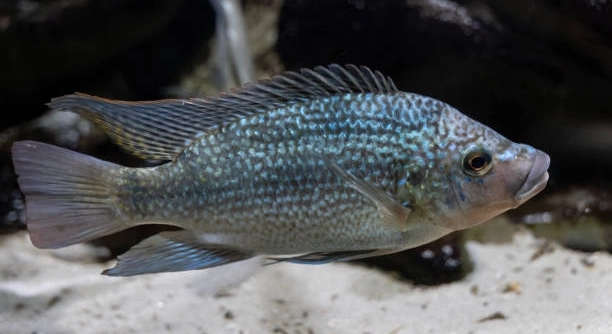
Convict cichlids are popular freshwater fish known for their lively personalities and striking patterns. Many aquarium owners enjoy observing their behaviors and finding ways to create a comfortable, natural environment for them to thrive.
Convict cichlids generally appreciate driftwood in their tanks, as it provides hiding spots, territorial markers, and a sense of security. Incorporating driftwood can also support water chemistry by slightly lowering pH and mimicking their natural habitats.
Adding driftwood can change the look and feel of your aquarium while supporting your fish’s natural instincts and behaviors.
Why Convict Cichlids Prefer Driftwood
Convict cichlids feel more secure when their tank includes driftwood. These fish naturally seek hiding spots and territories, and driftwood provides both. I noticed that my cichlids often stay near larger pieces, using them as shelter or to mark their space. The texture of driftwood also allows them to explore and sometimes graze lightly. When placed strategically, it can break up open swimming areas and reduce aggression between tank mates. Driftwood can slightly soften water by releasing tannins, which is closer to the conditions they experience in rivers and streams. Even small pieces can make a big difference in tank behavior. Over time, the fish seem calmer, and they interact more naturally with their environment. Adding driftwood doesn’t require complicated setup, just a good rinse and soaking to prevent discoloration. It’s a simple step that supports both their health and comfort in captivity.
Driftwood gives cichlids a sense of safety, helping reduce stress and encouraging natural behaviors in the tank environment.
Using driftwood correctly involves balancing size and placement. Large pieces near hiding spots give them security, while smaller branches can create visual interest. I place some pieces horizontally and some vertically to allow swimming space and territories. Driftwood can also interact with plants, creating gentle shade or anchoring areas for moss. Watching the fish use driftwood to stake out space and explore shows how natural it feels. Tannins can slightly color the water but don’t harm the fish; some even benefit from the mild acidity. Over time, driftwood may develop biofilm or algae, which the fish may nibble on. Keeping the wood clean and occasionally moving pieces can maintain balance and prevent overgrowth. Driftwood is versatile and can fit almost any tank size or layout. Its presence not only improves behavior but also adds a natural, organic aesthetic that makes the aquarium feel more alive.
Choosing the Right Driftwood
Size matters when selecting driftwood for your cichlids. Too large, and it limits swimming; too small, and it offers little shelter.
Selecting driftwood requires observing your tank space, fish size, and overall setup. Pieces should be free of chemicals and dirt, ideally from trusted sources or aquarium stores. Once chosen, soak or boil it to remove tannins and ensure it sinks. Curved or textured wood offers climbing and hiding opportunities, while flat pieces can anchor plants or create shaded areas. Overly delicate wood may break under aggressive fish, so choose sturdy options. Placement should consider swimming paths and territory boundaries. Driftwood can subtly influence water chemistry, slightly lowering pH and softening hardness, which some cichlids prefer. The visual appeal is important too; natural shapes blend with plants and rocks to create a realistic habitat. Rotate or rearrange occasionally to prevent dominance conflicts or boredom. Proper selection ensures both aesthetic value and functional benefits, supporting your cichlids’ health, security, and activity.
Preparing Driftwood for Your Tank
Driftwood must be cleaned and soaked before adding it to your cichlid tank. Boiling or soaking removes dirt, debris, and excess tannins, preventing sudden water discoloration. Proper preparation ensures it is safe and fish-friendly.
Boiling driftwood for an hour or more helps sterilize it and remove tannins that can overly darken water. If boiling isn’t possible, soaking for several days with frequent water changes works as well. Testing buoyancy is important; some pieces float initially and need extra soaking. I usually weigh them down with a rock until they sink fully. Properly prepared driftwood avoids sudden pH shifts, protects filter systems, and ensures your fish don’t encounter harmful residues. Taking time for preparation reduces surprises in water quality and keeps the tank stable.
Once in the tank, driftwood will slowly release tannins, creating slightly softer and more natural water conditions. It also becomes a habitat for beneficial bacteria and biofilm. Convict cichlids use it for hiding, establishing territories, and exploring. Observing them interact shows they quickly adjust to new wood. Driftwood may develop minor algae growth, but it can be gently scrubbed or left for fish to nibble. Placement should avoid blocking filter flow or crowding swimming areas. Over time, it becomes a central feature that enhances the tank visually and functionally, benefiting both the fish and the aquarium ecosystem.
Positioning Driftwood in the Aquarium
Driftwood should be positioned to provide both hiding spaces and open swimming areas. Avoid overcrowding the tank to maintain comfort and reduce aggression.
I arrange driftwood to create small caves and shaded corners while keeping open water in the center. Vertical pieces near rocks or plants help cichlids stake territories, while horizontal pieces can act as shelters or resting spots. Observing fish behavior after placement helps determine if adjustments are needed. Avoid placing sharp edges where fish might scrape themselves. Driftwood can also anchor moss or other low-light plants, adding texture and visual interest. Proper positioning encourages natural behavior, reduces stress, and maintains swimming freedom. Adjusting placement occasionally prevents dominance issues and keeps the tank dynamic.
Benefits of Driftwood for Convict Cichlids
Driftwood provides hiding spots that reduce stress and aggression among cichlids. It also offers surfaces for grazing and exploring, keeping the fish active and engaged.
The natural tannins released by driftwood slightly soften water and lower pH, creating conditions closer to their natural habitat. It also supports beneficial bacteria growth, improving overall tank health.
Choosing the Best Type of Driftwood
Hardwoods like Malaysian, Mopani, and Manzanita are ideal for cichlids because they are sturdy, long-lasting, and safe for aquarium use. Soft woods may break down quickly and alter water chemistry unpredictably. Choosing dense pieces ensures they remain in place, providing stable shelters.
Driftwood Maintenance
Driftwood should be periodically checked for algae or soft spots. Gentle cleaning preserves its structure and keeps the tank safe for your fish.
FAQ
Do convict cichlids need driftwood to be healthy?
Convict cichlids do not strictly need driftwood to survive, but it greatly improves their well-being. Driftwood provides hiding spots, reduces stress, and encourages natural behaviors like territorial marking. Without it, fish may become more aggressive or restless, especially in smaller tanks or crowded environments.
Can driftwood change water chemistry?
Yes, driftwood slowly releases tannins that can lower pH and slightly soften water. This mimics the natural conditions of many cichlid habitats. The effect is usually mild but noticeable, especially with large pieces. Monitoring water parameters helps ensure stability and prevents sudden changes that could stress the fish.
How long does driftwood last in a tank?
Hardwoods such as Malaysian, Mopani, or Manzanita can last many years if properly prepared and maintained. Softwoods break down faster and may need replacing within months. Regular cleaning, occasional repositioning, and monitoring for soft spots or decay help extend the life of driftwood in your aquarium.
Do convict cichlids chew on driftwood?
Cichlids may nibble lightly on driftwood, often while exploring or grazing on biofilm and algae that grow on the surface. They rarely damage hard pieces but may accelerate wear on softer wood. Observing their behavior helps determine if a piece is appropriate for the tank.
How should I clean driftwood in my aquarium?
Avoid harsh chemicals. Rinse driftwood under warm water and scrub gently with a soft brush to remove algae or debris. Boiling or soaking before adding it to the tank ensures it is free of contaminants. Minor algae growth in the tank can be left for fish to nibble on, as it is generally safe.
Does driftwood affect fish behavior?
Yes, it often encourages more natural behaviors. Convict cichlids may establish territories, hide when stressed, or use driftwood as part of their social interactions. Over time, fish appear calmer and more confident, and aggression between tank mates may decrease when sufficient hiding spaces are provided.
Can I use any driftwood from outside in my tank?
It is not recommended to use wood collected from rivers or forests without proper preparation. Outside driftwood may carry pesticides, parasites, or toxins. Always choose driftwood from trusted aquarium sources and thoroughly soak and clean it before adding it to your tank to ensure safety.
Will driftwood stain my water?
Yes, driftwood naturally releases tannins that can give water a tea-colored tint. This is harmless for the fish and sometimes preferred because it replicates natural conditions. Boiling or extended soaking before adding the wood can reduce staining, but a slight color change is normal and safe.
How do I arrange driftwood for multiple cichlids?
Place pieces to create multiple hiding spots and territories. Use vertical and horizontal pieces to divide space without overcrowding. Avoid sharp edges and blockages in swimming paths. Observing interactions after placement helps adjust positions to reduce conflict and maintain a balanced, natural-looking environment.
Can driftwood support plants in the tank?
Yes, many plants like mosses, ferns, and anubias can attach to driftwood. It creates shaded areas and adds texture to the aquarium. Anchoring plants to wood provides additional hiding spots for cichlids and encourages exploration, benefiting both the fish and the tank’s overall ecosystem.
Is soaking driftwood necessary before adding it to the tank?
Soaking is important to remove dirt, debris, and excess tannins. It also helps wood sink fully. Without soaking, wood may float or release too many tannins at once, altering water chemistry suddenly. I usually soak wood for several days, changing the water daily until it is ready.
Can driftwood cause harm to my cichlids?
Properly prepared driftwood is generally safe. Problems arise if the wood is untreated, too soft, or has sharp edges. Rotting wood can introduce bacteria or fungi, harming fish. Regular inspections and gentle cleaning prevent issues, keeping both driftwood and cichlids healthy.
How often should I replace driftwood?
Replacement depends on type and condition. Hardwoods can last years, while softwood may degrade within months. Watch for cracks, soft spots, or excessive algae. Replacing driftwood when it begins to break down ensures a safe and stable environment for your convict cichlids.
Can driftwood help reduce aggression?
Yes, it provides hiding places and divides the tank into territories, which can decrease conflicts. Multiple pieces placed strategically allow fish to retreat and establish personal space, making interactions less stressful and more natural. Driftwood alone may not solve all aggression but greatly helps in combination with proper tank size.
Is there a preferred type of driftwood for convict cichlids?
Hardwoods like Mopani, Malaysian, and Manzanita are preferred. They are sturdy, long-lasting, and resistant to decay. Softwoods like pine or cedar are not recommended, as they can release harmful resins and break down quickly, affecting water quality and fish health.
How do I prevent driftwood from floating?
Boiling, soaking, or weighing down pieces until fully waterlogged ensures driftwood sinks. Some large or porous pieces may need extra time. Securing them with rocks or anchoring plants can also stabilize them while still creating natural hiding spots and aesthetic appeal in the tank.
Can driftwood benefit breeding cichlids?
Yes, driftwood can create secluded areas for eggs and fry. It helps reduce stress for breeding pairs and gives juveniles places to hide. Proper placement is crucial to ensure fry survival while maintaining swimming space for adults. Driftwood creates natural boundaries and contributes to a safer breeding environment.
Do I need to remove driftwood when changing water?
No, driftwood can stay in the tank during water changes. Simply rinse off any debris that may have accumulated on the surface. Keeping driftwood in place maintains territories, reduces stress, and supports beneficial bacteria, helping the aquarium remain balanced during maintenance.
Can driftwood encourage algae growth?
Yes, driftwood surfaces can develop algae over time. This is normal and usually harmless. Lightly scrubbing or letting fish graze on it can manage algae. Algae growth is also a sign of a healthy tank, providing additional microhabitats for cichlids to explore.
What’s the best way to combine driftwood with rocks and plants?
Arrange driftwood with rocks and plants to create a natural landscape. Place larger wood near rocks for stability and anchor plants to branches or bases. The combination provides hiding spots, shaded areas, and swimming paths while encouraging natural behaviors and adding aesthetic appeal to the aquarium.
How do I monitor driftwood effects on water quality?
Regularly test pH, hardness, and tannin levels after adding driftwood. Observe fish behavior for stress or irritation. Adjust placement or replace wood if water chemistry shifts too much. Keeping a log of water parameters helps track the influence of driftwood over time, ensuring a stable environment.
Can multiple pieces of driftwood be used together?
Yes, multiple pieces can create a more complex habitat. Space them to provide territories, hiding spots, and open swimming areas. Avoid overcrowding or blocking filters. Strategic placement encourages exploration and reduces aggression, while enhancing the tank visually and functionally.
How do I know if driftwood is safe after years in the tank?
Check for soft spots, cracks, or excessive algae buildup. Smell and texture can indicate rot. If any signs of decay appear, replace or remove the piece. Long-term driftwood can remain safe if regularly inspected and maintained, ensuring a healthy environment for convict cichlids.
Can I combine driftwood with other decorations safely?
Yes, combine with rocks, caves, and plants to enhance hiding spaces and territories. Avoid sharp or unstable pieces. Balanced arrangements improve fish behavior, reduce stress, and provide visual appeal, making the tank feel natural and comfortable for your convict cichlids.
Does driftwood affect water hardness?
Yes, it can slightly soften water over time. This effect is generally mild but beneficial for convict cichlids that prefer softer conditions. Monitoring hardness ensures levels remain within safe ranges while still gaining the benefits of natural driftwood in the tank.
How do I handle tannin staining on aquarium glass?
Tannins may slightly color water or stain glass. Regular cleaning with a soft cloth or scraper removes buildup. The color is harmless to fish and may even reduce stress. For minimal staining, pre-soak or boil driftwood before adding it to the tank.
Is driftwood necessary for small tanks with convict cichlids?
While not mandatory, even small tanks benefit from a single piece of driftwood. It provides security, reduces aggression, and encourages exploration. Choosing the right size ensures swimming space remains open while still supporting natural behaviors and improving the overall tank environment.
How long should I soak driftwood before use?
Soaking typically lasts several days to weeks, depending on size and density. Frequent water changes help remove excess tannins. The goal is for the wood to sink and release minimal tannins once in the tank, preventing sudden water color changes or pH shifts.
Does driftwood help reduce stress during tank rearrangements?
Yes, driftwood gives fish familiar hiding spots and territories during changes. Even when plants or rocks are moved, they can retreat to their usual driftwood shelters. This stability reduces stress and prevents sudden aggression or erratic swimming, keeping convict cichlids calmer.
Can driftwood break down completely in the tank?
Softwoods may break down within months, but hardwoods can last years. Regular inspection for decay or softening ensures safety. When breakdown occurs, replace the wood to prevent water quality issues and maintain the structural and behavioral benefits for the fish.
Do driftwood and substrate interact?
Yes, placing driftwood on sand or fine gravel can slightly compress or shift the substrate. Watch for accumulation of detritus around the base, and clean as needed. The combination supports natural digging or burrowing behaviors common in convict cichlids, enriching their environment.
Can driftwood affect filter performance?
If placed too close to intake or output, driftwood can obstruct flow. Ensure pieces do not block water movement. Proper positioning supports natural circulation while maintaining hiding spots and territory boundaries. This balance keeps both fish and filtration functioning optimally.
Does driftwood require treatment before use in planted tanks?
Yes, even in planted tanks, soak or boil to remove debris and excess tannins. Driftwood may slightly acidify water, which can benefit some plants but should be monitored. Anchoring plants to wood enhances both aesthetic and functional value, creating a natural habitat for fish and flora.
Can driftwood help juvenile convict cichlids hide?
Yes, driftwood creates small crevices and shaded areas for fry or juvenile cichlids. This reduces predation and stress from larger tank mates. Proper placement ensures safe areas without overcrowding, supporting healthy growth and development.
Is it okay to combine driftwood with artificial decorations?
Yes, combining natural and artificial pieces is safe if materials are aquarium-approved. Ensure stability and avoid sharp edges. Driftwood remains the primary source of natural hiding and territory space, while artificial decorations add structure and visual diversity.
How does driftwood impact tank aesthetics?
Driftwood adds natural texture, depth, and visual appeal. It complements plants and rocks, creating a balanced environment. Its presence enhances both the behavior of convict cichlids and the overall look of the aquarium, making it more inviting and realistic.
Can driftwood improve overall tank health?
Yes, driftwood supports beneficial bacteria growth, reduces stress, and helps maintain water chemistry. Combined with proper maintenance, it contributes to a stable ecosystem, encouraging natural behaviors and improving the long-term health of convict cichlids in the aquarium.
What precautions should I take with large driftwood pieces?
Ensure large pieces are stable, do not block swimming areas, and are free of rot. Weighting or anchoring may be necessary. Observing fish interactions with the wood helps avoid territorial disputes or injuries, keeping the tank safe and functional.
Does driftwood need to be replaced if algae grows on it?
No, algae growth is normal. Light scrubbing or allowing fish to graze is sufficient. Replacement is only necessary if wood starts to decay, develops soft spots, or negatively impacts water quality.
Can driftwood help with aggressive cichlid behavior?
Yes, it provides hiding spots, divides space, and reduces stress. Multiple pieces arranged thoughtfully can lower conflicts and encourage more natural interactions between aggressive tank mates.
How can I tell if driftwood is releasing too many tannins?
Dark, tea-colored water and lower pH readings indicate tannin release. Frequent water changes or pre-soaking the wood can manage levels. Mild tannin presence is usually harmless and may even benefit cichlids.
Is driftwood compatible with all cichlid species?
Most cichlids tolerate or benefit from driftwood, but water chemistry preferences vary. Researching species-specific needs ensures compatibility. Convict cichlids, in particular, respond well due to their natural habitats, enjoying hiding spots, territory markers, and slightly softened water.
Can I boil driftwood more than once?
Yes, repeated boiling is safe and can help remove stubborn tannins or sterilize it further. Allow wood to cool before handling. Multiple boils do not harm hardwoods and ensure the piece remains safe for aquarium use.
Does driftwood affect fish coloration?
Indirectly, yes. Reduced stress and natural habitats can improve overall health, making colors appear brighter. Tannins may slightly deepen hues, creating a more natural look that highlights patterns and markings in convict cichlids.
Are there risks if driftwood is not properly soaked?
Yes, unsoaked driftwood can float, release excessive tannins, or alter water chemistry suddenly. Soaking ensures stability, removes debris, and prevents abrupt environmental changes that could stress or harm the fish.
How do I integrate driftwood into an established tank?
Rinse, soak, and position carefully to avoid disturbing existing plants or fish territories. Introduce gradually and monitor behavior. Proper placement encourages exploration and minimizes stress for convict cichlids while enhancing aesthetics.
Can driftwood be used in breeding tanks safely?
Yes, it creates secluded areas for eggs and fry. Secure placement and clean surfaces help prevent contamination, supporting successful breeding and protecting juvenile cichlids from aggressive adults.
How do I prevent driftwood from damaging aquarium glass?
Avoid sharp edges or heavy pieces pressing against glass. Use padding like rocks or sand if needed to stabilize driftwood, preventing scratches or cracks while maintaining safe hiding spots and territories for fish.
Does driftwood affect aquarium maintenance routines?
Not significantly. It may require occasional scrubbing or repositioning. Monitoring tannin levels and water parameters ensures maintenance remains straightforward. Overall, the benefits for fish behavior and tank aesthetics outweigh minor extra effort.
Can I combine different types of driftwood in one tank?
Yes, combining types adds texture and variety. Ensure each piece is safe, properly prepared, and stable. Mixing sizes and shapes creates diverse territories, encourages exploration, and enhances visual appeal while supporting convict cichlid behavior.
Will driftwood float if I use large pieces?
Large or porous pieces may float initially. Boiling, soaking, or weighting them down ensures they sink. Stable placement prevents movement that could stress fish or block swimming paths, maintaining both function and aesthetics.
Does driftwood provide benefits during fish illness?
Yes, hiding spots reduce stress, which supports recovery. Slightly softened water from tannins may also be beneficial for some health conditions. Driftwood helps create a calm, secure environment that allows fish to rest and recover more effectively.
Can driftwood be combined with sand or gravel substrates?
Yes, but check for shifting or detritus accumulation. Sand or fine gravel complements driftwood by allowing natural digging or territorial behaviors, creating a more realistic and functional habitat for convict cichlids.
How often should I inspect driftwood?
Regularly, at least once a month. Check for algae, soft spots, decay, or unstable placement. Timely inspection prevents water quality issues and keeps both fish and wood safe in the long term.
Is driftwood safe with all tank temperatures?
Yes, driftwood tolerates standard freshwater temperatures. Avoid extreme fluctuations during boiling or preparation to prevent cracks or weakening. Once in the tank, it remains stable under typical aquarium conditions.
Can driftwood help with juvenile fish hiding from adults?
Yes, it creates crevices and shaded areas. Proper placement allows fry or juveniles to escape aggressive adults, supporting growth, reducing stress, and improving survival rates in community or breeding tanks.
Do I need to adjust lighting with driftwood in the tank?
Not necessarily, but driftwood can create shaded areas. Adjusting lighting may help plants thrive and reduce excessive algae growth. Balanced lighting ensures both aesthetic appeal and functional use of driftwood by fish.
Can driftwood be used in high-pH tanks?
Yes, but the slight acidifying effect of tannins may lower pH gradually. Monitor water chemistry to ensure it remains within safe ranges for convict cichlids, adjusting if necessary. The effect is usually mild and beneficial.
How do I prevent driftwood from moving during cleaning?
Weight large pieces or secure with rocks. Remove smaller debris carefully without displacing wood. Maintaining stability prevents stress for fish and keeps territories intact, ensuring a calm, functional environment.
Does driftwood affect oxygen levels in the tank?
No significant impact. It may slightly change water flow depending on placement, so ensure filters circulate water properly. Proper arrangement maintains oxygenation while providing hiding spots and visual appeal.
Can driftwood help reduce boredom in cichlids?
Yes, it encourages exploration, grazing, and hiding, keeping fish mentally stimulated. Combining driftwood with rocks, plants, and caves provides varied environments that mimic natural habitats, supporting healthier, more active convict cichlids.
Is driftwood safe for long-term use?
Yes, hardwood driftwood can last years with minimal issues if properly prepared, monitored, and cleaned. Long-term use benefits fish behavior, tank aesthetics, and overall ecosystem stability.
Can driftwood interact with decorations like caves or PVC pipes?
Yes, it can complement artificial decorations. Ensure stability and avoid sharp contact. Driftwood enhances natural hiding spaces and territories while decorations add structure and variety, supporting fish activity and reducing stress.
Does driftwood require special care in community tanks?
Yes, placement should consider all species’ needs. Provide enough hiding spots and swimming space to prevent dominance conflicts. Driftwood helps reduce stress and aggression while supporting natural behaviors for multiple species.
Can driftwood be sterilized after being in the tank?
Yes, boiling or soaking in hot water can sterilize driftwood for reuse. Ensure it cools fully before reintroducing. This prevents pathogens from spreading and maintains a safe environment for convict cichlids.
How do I prevent driftwood from harboring pests?
Thorough cleaning, boiling, and
Final Thoughts
Driftwood is a simple yet effective way to improve the environment for convict cichlids. It provides natural hiding spots that make fish feel more secure and less stressed. I have noticed that when driftwood is added to a tank, cichlids immediately start exploring it, hiding behind it, or using it to mark their territories. Even a single piece can make a noticeable difference in behavior. The wood also gives fish a sense of structure in their tank, helping them feel more confident and reducing aggressive interactions with other fish. Proper placement is important. Large pieces should not block swimming areas, and sharp edges should be avoided to prevent injuries. Horizontal and vertical arrangements work well together, providing both shelter and visual interest. Over time, driftwood becomes part of the tank’s layout, allowing cichlids to develop routines around it and interact with it naturally.
Beyond behavior, driftwood subtly improves water conditions. As it releases tannins, water becomes slightly softer and the pH may decrease just enough to resemble the natural habitats of convict cichlids. These changes are usually small but meaningful, especially for maintaining healthy, active fish. Driftwood also serves as a surface for beneficial bacteria and biofilm to grow. These microorganisms support the aquarium’s ecosystem, helping break down waste and improving overall water quality. Algae and biofilm that grow on driftwood can provide extra grazing opportunities for the fish, keeping them engaged and active. I often watch my cichlids nibble on the surface or hover near the wood, which seems to encourage natural behavior. Even though the wood may slowly darken the water or develop algae, these changes are harmless and contribute to a natural feel that both fish and aquarium owners can appreciate. Proper cleaning and occasional repositioning ensure driftwood stays safe, sturdy, and functional over time.
Choosing and preparing the right type of driftwood is key to long-term benefits. Hardwoods like Mopani, Malaysian, or Manzanita last longer, resist decay, and provide stable hiding spaces, while softer woods may break down too quickly. Soaking or boiling before adding wood prevents sudden changes in water chemistry and helps ensure it sinks properly. Placement matters as well. Driftwood should create territories and shaded areas without overcrowding the tank or blocking filter flow. Over time, the wood integrates naturally with rocks, plants, and other decorations, creating a balanced environment that supports both the behavior and health of convict cichlids. Regular inspection, gentle cleaning, and occasional rearrangement maintain the wood’s usefulness and keep fish safe. Overall, driftwood is a small investment that offers both aesthetic and practical advantages, supporting a calmer, healthier, and more natural habitat for these lively fish.

Hello,
If you enjoy the content that we create, please consider saying a "Thank You!" by leaving a tip.
Every little bit helps us continue crafting quality advice that supports the health, happiness, and well-being of pets around the world, for pets of all shapes, sizes, and species.
We really appreciate the kindness and support that you show us!