
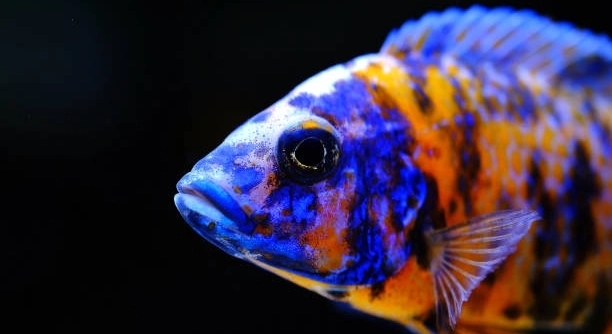
Many fish owners admire the lively and social nature of convict cichlids. Their bright colors and bold behavior make them popular in home aquariums. Observing their interactions can be both entertaining and educational for enthusiasts.
Convict cichlids can produce dominant offspring, but dominance is influenced by genetics, environment, and social interactions. Certain traits such as size, aggression, and territory-holding ability often determine which juveniles rise to dominance within a group.
Understanding how dominance forms can help you manage your tank more effectively. Observing juvenile behavior provides insights into family dynamics and long-term social hierarchies.
How Dominance Appears in Convict Cichlid Offspring
Dominance in convict cichlid offspring usually shows itself early. Juveniles that grow faster or show more confidence tend to assert themselves over siblings. Aggressive behavior, such as chasing or nipping, helps establish pecking order. Environmental factors, like space and hiding spots, also play a role in shaping dominance. Parents sometimes encourage stronger behaviors by defending or guiding certain juveniles. Tank setup affects interactions too; overcrowding can increase aggression, while a well-structured tank allows weaker fish to avoid constant conflict. Nutrition impacts growth and strength, which influences which juveniles take control. Observing behavior over time reveals patterns in dominance and submission. Some juveniles remain passive, while others develop leadership traits. These patterns are natural and help maintain balance within the group. Consistency in care, feeding, and tank conditions can reduce extreme conflicts.
Dominance often remains stable as juveniles grow, though occasional shifts can occur if conditions change.
By watching these interactions closely, you can better manage tank dynamics and ensure all juveniles have room to thrive. Proper observation also helps identify when adjustments in care or tank design are needed.
Factors Affecting Dominant Traits
Size and aggression are major factors in determining which juveniles dominate.
Genetics sets a baseline for potential dominance, but environment heavily influences outcomes. Well-fed juveniles have more energy to assert control, while weaker fish may stay submissive. Space and hiding areas allow some to avoid conflicts, preventing constant stress and injuries. Social interactions teach juveniles their position in the hierarchy. Early exposure to challenges, like defending territory or competing for food, strengthens dominant traits. Dominant offspring tend to control feeding areas, choose preferred spots, and influence group behavior. Observing these traits over time can help predict which juveniles will maintain dominance as adults. Additionally, parental behavior can shape dominance by reinforcing certain actions or letting specific juveniles explore more. Tank management, like separating overly aggressive fish or adjusting numbers, can help maintain balance. By understanding these factors, you can create a healthier, more stable environment that supports natural behaviors while minimizing conflicts.
Observing Juvenile Behavior
Juvenile convict cichlids show clear signs of dominance through chasing and nipping. Some fish quickly claim certain areas of the tank while others stay in hiding. These behaviors help establish a natural hierarchy that usually becomes stable over time.
Watching their daily interactions closely helps identify which juveniles are likely to dominate. Dominant juveniles often take the best hiding spots, control feeding areas, and assert themselves over weaker siblings. Submissive juveniles avoid conflicts, keeping their distance or staying in less contested parts of the tank. Tank conditions, like space and structure, influence how strongly these behaviors appear. Consistent observation can reveal subtle changes in dominance over time.
Feeding routines also affect behavior. Juveniles that eat first or grow faster tend to become more assertive. Smaller or slower juveniles may remain passive, but they can still develop confidence in safe areas. Over time, dominant fish often maintain control unless tank conditions or social groups change significantly. Recognizing these patterns allows for better management of both dominant and submissive juveniles.
Tank Setup and Social Dynamics
Providing enough space and hiding spots reduces constant conflicts among juveniles. Proper tank design supports natural behaviors.
Tank setup directly affects dominance patterns. Overcrowded tanks increase aggression, while ample space allows submissive fish to avoid confrontation. Hiding spots give weaker juveniles a chance to rest and feed without stress. Social grouping also plays a role; some juveniles thrive when paired or in small groups, while others need isolation to prevent bullying. Lighting, decorations, and water flow can influence movement and interactions. Observing which areas juveniles prefer helps adjust the tank for balance. Feeding schedules and placement can encourage fairness among all fish, giving weaker juveniles opportunities to grow. By carefully managing these environmental and social factors, dominant and submissive juveniles can coexist with minimal stress.
Genetics and Inherited Traits
Dominant behaviors in convict cichlids can be influenced by genetics. Offspring from particularly aggressive or confident parents often show similar traits. These inherited tendencies interact with the environment to shape how each juvenile behaves and interacts with siblings.
Not all dominant traits are guaranteed. Even with strong genetic influence, tank conditions, nutrition, and social experiences determine how those traits are expressed in juveniles. Careful observation helps distinguish inherited behaviors from those learned through interactions.
Nutrition and Growth
Adequate nutrition is essential for healthy development and dominance potential. Well-fed juveniles grow faster and are more confident in asserting control over territory and food. Uneven feeding can create imbalances, giving stronger juveniles an advantage while others stay submissive.
Managing Aggression
Monitoring interactions allows intervention when aggression becomes harmful. Separating overly aggressive juveniles or adjusting tank structure can maintain balance and prevent stress or injury.
FAQ
How can I tell which convict cichlid juveniles are dominant?
Dominant juveniles often assert themselves by chasing or nipping siblings. They usually claim the best hiding spots and feeding areas. Observing which fish move confidently and control interactions over others is the best way to identify dominance. Submissive juveniles tend to stay away and avoid confrontation.
Do dominant traits in juveniles always continue into adulthood?
Not always. While strong genetic tendencies and early growth can set the stage for adult dominance, tank conditions, social changes, and environmental stress can shift hierarchies. Some juveniles that are dominant early may lose status if they face stronger or faster-growing peers.
Can tank size affect dominance behavior?
Yes, tank size and structure strongly influence behavior. Crowded tanks increase aggression because juveniles compete for space and resources. Larger tanks with hiding spots allow weaker fish to avoid conflicts, giving all juveniles a chance to feed and grow without constant stress.
Does nutrition impact which juveniles become dominant?
Absolutely. Well-fed juveniles grow faster and are more confident. Uneven feeding can lead to stronger fish dominating food and territory, while weaker juveniles remain passive. Providing balanced meals and monitoring feeding order helps maintain fairness and reduce excessive aggression.
Should I separate dominant juveniles from the rest?
Separation is only necessary if aggression becomes harmful. Some dominance displays are normal and help establish hierarchy. If chasing or nipping causes injuries or prevents weaker juveniles from eating, temporary separation or adjusting tank structure can restore balance.
Do parents influence dominance in their offspring?
Yes, parents can shape behaviors by defending certain juveniles or allowing them to explore territory. Offspring may imitate parents’ territorial or aggressive behavior, which strengthens natural dominance patterns in the tank. Observing parental interactions can help predict which juveniles might be dominant.
Can social grouping affect dominance outcomes?
Grouping affects which juveniles rise to dominance. Some juveniles do better in small groups or pairs, while others may need isolation to avoid bullying. Adjusting group sizes and observing interactions helps create a more stable environment for all juveniles.
Are there ways to reduce stress in submissive juveniles?
Providing hiding spots, plants, and decorations lets submissive juveniles retreat safely. Spacing out feeding areas ensures weaker fish get a chance to eat. Reducing overcrowding and maintaining consistent tank conditions also minimizes stress and prevents injuries.
How quickly do hierarchies form among juvenile cichlids?
Hierarchies begin forming within days of hatching as juveniles start interacting. Dominant fish assert themselves early, and submissive fish adjust. Observing these early patterns helps you manage the tank effectively and anticipate future dominance behavior.
Do environmental changes affect established dominance?
Yes, changes in tank layout, water conditions, or introducing new fish can shift hierarchies. Even stable juveniles may lose dominance if a stronger or faster-growing fish is introduced. Consistent conditions help maintain balance, while careful monitoring allows adjustments when necessary.
Can dominance impact overall health of the juveniles?
Dominant juveniles often access more food and preferred areas, promoting growth and strength. Submissive juveniles may face stress or limited feeding opportunities, which can affect development. Monitoring behavior and ensuring fair access to resources helps maintain the health of all fish.
Is aggressive behavior always a sign of poor care?
No, some aggression is natural and part of establishing hierarchy. Problems only arise when it leads to injuries, excessive stress, or prevents weaker juveniles from feeding. Proper tank setup, nutrition, and observation are key to managing aggression effectively.
How do I balance dominant and submissive juveniles?
Provide hiding spots, adjust tank decorations, and space out feeding areas. Monitor interactions and separate fish temporarily if needed. Ensuring enough space and resources reduces constant conflict and helps both dominant and submissive juveniles thrive.
Are there long-term effects of early dominance?
Early dominance can shape adult behavior, territorial control, and confidence. Dominant juveniles often continue asserting control in adulthood, while submissive fish may remain passive. Environmental factors and social dynamics continue to influence behavior over time, so early dominance is not absolute.
Can tank decorations influence dominance displays?
Yes, rocks, plants, and hiding spots can allow weaker juveniles to avoid confrontation. Open areas let dominant juveniles patrol and control territory, while structured environments reduce stress and create safer spaces for all fish. Strategic tank design helps maintain stable social dynamics.
Does water quality affect juvenile behavior?
Poor water conditions can increase stress and aggression. Dominant fish may become more aggressive, while submissive juveniles may retreat or become weak. Regular maintenance, proper filtration, and stable water parameters help maintain natural behaviors and reduce conflicts.
How often should I observe juvenile interactions?
Daily observation is ideal, especially in early stages. Monitoring behavior helps identify dominant fish, spot injuries, and ensure submissive juveniles have access to food. Small adjustments based on observations can prevent long-term issues and promote a balanced tank environment.
Do dominant juveniles bully smaller fish excessively?
Some chasing is normal, but excessive bullying indicates imbalance. Smaller juveniles may need hiding spots or temporary separation. Adjusting tank layout, feeding routines, and group sizes helps reduce harmful interactions and maintains healthy social structures.
Can changing feeding routines affect dominance?
Yes, feeding at different times or spreading food evenly can reduce dominance-related conflicts. Ensuring weaker juveniles get access prevents strong fish from monopolizing resources, supporting balanced growth and healthier social dynamics.
What role does early growth play in dominance?
Faster-growing juveniles often gain an advantage in asserting control. Size and strength contribute to confidence, territory control, and food access. Slower-growing juveniles may remain submissive, but a safe and structured environment can help them develop over time.
Can observation alone help manage dominant behaviors?
Yes, careful observation is often enough to identify dominant and submissive juveniles. Adjusting tank setup, feeding routines, and group sizes based on behavior prevents excessive aggression and ensures all juveniles thrive. Observation allows proactive management without unnecessary intervention.
Are all dominant displays aggressive?
Not always. Some dominance is subtle, like claiming territory or priority at feeding spots. Physical aggression is only one form. Recognizing different types of dominance helps in managing the tank effectively while minimizing stress for submissive juveniles.
Does dominance affect breeding later on?
Dominant juveniles often have confidence and territory control that can help during breeding. Submissive juveniles may struggle to establish territory or find mates. Early social experiences influence future reproductive success and adult hierarchy.
Can mixing juveniles from different parents affect dominance?
Yes, combining juveniles from different parents may change hierarchies. Genetics, size differences, and previous social experiences can shift dominance. Observing interactions carefully is necessary to prevent bullying and ensure all fish have a fair chance to grow and thrive.
How can I encourage fair competition among juveniles?
Provide equal access to food, multiple hiding spots, and structured territory areas. Rotating feeding spots and maintaining adequate space reduces conflict and gives weaker juveniles opportunities to grow, while allowing natural dominance patterns to develop safely.
Do dominant juveniles require different care?
Not necessarily. Dominant fish often eat more and occupy prime spots naturally. Care routines remain the same, but monitoring interactions ensures that submissive juveniles are not neglected. Balanced feeding and tank management benefit all juveniles equally.
What signs indicate a submissive juvenile is struggling?
Submissive juveniles may hide constantly, avoid feeding areas, or show slow growth. Stress can lead to weaker immune systems. Adjusting tank layout, providing hiding spots, and ensuring fair feeding can improve their confidence and overall health.
Is it normal for hierarchies to shift over time?
Yes, shifts happen as fish grow, tank conditions change, or new juveniles are introduced. Monitoring interactions and adjusting the environment helps maintain stability and ensures all juveniles can thrive despite changes in hierarchy.
Can dominance behavior be completely prevented?
No, dominance is natural and helps establish social order. The goal is to manage aggressive behavior and provide a safe environment rather than eliminate it. Proper tank setup, nutrition, and observation help maintain balance while allowing natural behaviors.
How important is consistency in care for dominance management?
Consistency in feeding, water conditions, and tank maintenance stabilizes social dynamics. Sudden changes can trigger conflicts or shift hierarchies. Predictable routines allow dominant and submissive juveniles to establish roles safely and reduce stress.
Does early handling or interaction with humans affect dominance?
Minimal handling has little effect. Dominance is more influenced by genetics, growth, and tank interactions. Frequent disturbance may stress juveniles, so observation from a distance is usually best to track hierarchy and behavior.
Can environmental enrichment influence dominance patterns?
Yes, adding plants, caves, or decorations gives submissive juveniles safe spaces. Enrichment reduces constant conflict, allows exploration, and supports natural behaviors. Proper tank design encourages healthy social interaction without preventing natural dominance displays.
How long does it take for dominance hierarchies to fully stabilize?
Stabilization can take weeks to months, depending on tank size, number of juveniles, and environmental factors. Early observation helps identify potential conflicts, allowing adjustments to prevent stress and ensure a balanced social structure.
Are there specific signs of extreme dominance that need intervention?
Excessive chasing, repeated injuries, or preventing other juveniles from eating are signs. Interventions include adding hiding spots, separating aggressive fish, or redistributing feeding areas to restore balance and protect weaker juveniles.
Can dominance affect long-term health and lifespan?
Dominant juveniles generally grow well, while submissive ones may face stress or limited nutrition. Proper tank management ensures all juveniles develop healthily, minimizing long-term negative effects of dominance. Balanced care supports longevity and overall wellbeing.
How does early social experience shape adult behavior?
Juveniles that experience both dominance and submission learn boundaries and social skills. Early interactions influence confidence, aggression, and territoriality as adults, impacting breeding, feeding behavior, and interactions with other fish.
Are all aggressive interactions linked to dominance?
Not always. Aggression can occur over food, territory, or stress. True dominance involves establishing a hierarchy through repeated interactions, while isolated aggression may be situational and less related to hierarchy.
What role does water temperature play in dominance?
Water temperature affects activity levels and metabolism. Optimal temperatures support healthy growth and energy, allowing juveniles to assert dominance naturally. Extreme temperatures may stress fish, increasing aggression or weakening submissive juveniles.
Can dominance behavior vary between tanks?
Yes, tank size, structure, lighting, and social grouping all influence behavior. The same group of juveniles may behave differently depending on their environment, so careful observation and adjustment are essential for managing dominance.
How often should tank conditions be checked to support balanced behavior?
Daily or every few days is ideal. Monitoring water parameters, feeding schedules, and social interactions ensures a stable environment, reducing stress and supporting healthy development for both dominant and submissive juveniles.
Is it necessary to track growth rates of juveniles?
Tracking growth helps predict which juveniles may become dominant. Faster-growing fish often assert control earlier, while slower-growing juveniles may remain submissive. Adjusting feeding and monitoring interactions ensures fair development for all fish.
Can dominance lead to permanent injury among juveniles?
If unchecked, aggressive dominance can injure submissive juveniles. Providing hiding spots, space, and monitoring feeding reduces risk. Occasional separation may be necessary to protect weaker fish and prevent long-term harm.
Does dominance behavior differ between male and female juveniles?
Males often show stronger territorial and aggressive behaviors, but females can also assert dominance. Observing interactions helps identify patterns and manage both sexes effectively, ensuring a stable social environment.
Are there signs that a juvenile is ready to challenge a dominant fish?
A previously submissive juvenile may grow faster, become bolder, or explore contested areas. Watching these subtle changes helps anticipate shifts in hierarchy and allows adjustments to prevent excessive conflict.
Can dominance behaviors be used to train or condition juveniles?
Not in the traditional sense. Observing dominance helps manage tank dynamics rather than train fish. Providing consistent conditions and fair access to resources supports healthy development and natural behavior.
Do tank decorations need to be rearranged to manage dominance?
Occasional rearrangement can reduce territory disputes. Moving hiding spots or creating new barriers allows submissive juveniles to explore safely and prevents dominant fish from monopolizing areas, supporting balanced social interactions.
Can dominance affect feeding strategies for juveniles?
Yes, dominant juveniles often eat first. Spreading food across multiple areas ensures weaker juveniles get access. Observing feeding behavior allows adjustments that reduce conflict and support fair growth opportunities.
Are there environmental signs that dominance is causing stress?
Signs include hiding excessively, loss of appetite, slowed growth, or visible injuries. Addressing tank layout, feeding routines, and social grouping helps reduce stress and protect vulnerable juveniles.
Does introducing new juveniles disrupt established hierarchies?
Yes, new juveniles may challenge existing dominance, causing temporary shifts. Monitoring interactions and providing enough space and hiding spots reduces conflict and allows all juveniles to settle safely into the hierarchy.
Can dominance behavior be predicted accurately?
Early growth, aggression, and territorial tendencies provide indicators, but environment and social dynamics also play major roles. Observation over time is the most reliable way to anticipate which juveniles will become dominant.
How long should I observe juveniles to understand their social hierarchy?
Consistent observation over several weeks allows recognition of patterns and identification of dominant and submissive juveniles. Early detection of conflicts enables adjustments to maintain a healthy tank environment.
Are there any long-term benefits to juvenile dominance?
Dominant juveniles often gain better access to food and territory, improving growth and confidence. These traits can help during adulthood for territory control and breeding, giving them advantages in social and reproductive success.
Can changes in tank lighting affect dominance?
Lighting can influence activity levels. Dim or bright lighting may shift preferred territories and movement patterns, affecting how juveniles assert themselves. Adjusting lighting to support natural behavior helps maintain a balanced hierarchy.
Is it necessary to keep notes on juvenile behavior?
Keeping notes helps track dominant and submissive patterns, growth rates, and interactions. Documentation allows proactive management and informed decisions to ensure all juveniles thrive.
Can dominance patterns vary between different batches of offspring?
Yes, genetics, parental behavior, and early experiences influence outcomes. Each batch may display unique hierarchies, so observation and adjustments are necessary for every group of juveniles.
Do environmental stressors amplify dominance aggression?
Stressors like poor water quality, overcrowding, or inconsistent feeding can increase aggression. Maintaining stable, clean conditions helps minimize unnecessary conflicts and supports healthy social behavior.
Are there ways to encourage weaker juveniles to become more confident?
Providing hiding spots, even feeding opportunities, and safe exploration areas helps submissive juveniles gain confidence. Over time, they may challenge dominant juveniles or establish small territories, balancing social dynamics.
Can dominant juveniles influence group behavior significantly?
Yes, dominant fish often control movement, feeding areas, and territory choice. Their behavior sets the tone for the group, while submissive juveniles adapt to avoid conflict. Recognizing this influence helps manage tank interactions effectively.
How can I tell if dominance behavior is healthy or excessive?
Healthy dominance involves minor chasing, occasional nipping, and clear hierarchy formation without injury or starvation. Excessive dominance causes constant aggression, injuries, or prevents weaker juveniles from eating or exploring. Intervention is needed in such cases.
Does tank temperature influence the speed of dominance establishment?
Warmer temperatures increase activity and metabolism, which can accelerate interactions and hierarchy formation. Cooler conditions may slow growth and reduce the frequency of dominance displays, affecting how quickly juveniles establish social order.
Are dominant juveniles more likely to survive in challenging environments?
Dominant juveniles often access more food and safer areas, which can improve survival. However, well-structured tanks and careful management help ensure submissive juveniles also survive and develop normally.
Can dominance patterns be reset if necessary?
Yes, temporarily separating fish, adjusting tank structure, or redistributing resources can shift hierarchies. Observation ensures changes are effective and minimize stress while maintaining balanced social dynamics.
Does early exposure to environmental challenges shape dominance?
Experiences like defending territory or competing for food strengthen confidence and assertiveness. Juveniles exposed to mild challenges often develop dominant traits more effectively, preparing them for adulthood.
Can dominance behaviors vary between different species of cichlids?
Yes, each species has unique social structures and aggression levels. Convict cichlids are known for clear hierarchies, but other species may display subtler or more intense dominance behaviors, requiring species-specific observation.
Are dominant juveniles more likely to become territorial adults?
Yes, early dominance often translates into adult territoriality. These fish are confident, assertive, and able to claim and defend space, which influences their interactions and breeding success in adulthood.
Do dominant juveniles require more monitoring than submissive ones?
Monitoring is important for both, but dominant juveniles should be watched to prevent excessive aggression. Submissive juveniles also need attention to ensure they are feeding and growing properly. Balanced observation supports overall tank health.
Can tank flow or water movement affect dominance?
Strong currents may favor stronger juveniles, while weaker ones stay in calmer areas. Adjusting flow helps balance activity, giving submissive juveniles opportunities to explore and feed safely.
Is dominance influenced by sibling relationships?
Yes, familiarity and prior interactions affect hierarchy. Siblings may recognize each other and compete differently than unfamiliar juveniles. Observing these dynamics helps manage group interactions and prevent extreme aggression.
Can stress from dominance disputes affect long-term behavior?
Yes, chronic stress may cause submissive juveniles to avoid interaction or develop health issues. Providing safe spaces and fair access to resources helps reduce stress and supports natural development of all juveniles.
Does tank lighting color influence juvenile interactions?
Lighting color may affect visibility and movement patterns, indirectly influencing territory preference and dominance displays. Neutral lighting is usually best to allow natural behavior without causing stress or confusion.
Are there warning signs that a dominant juvenile is becoming overly aggressive?
Constant chasing, multiple injuries, and monopolizing food or territory indicate excessive aggression. Adjusting tank setup or temporary separation helps maintain safety and balance among juveniles.
Can social hierarchy influence feeding efficiency?
Yes, dominant juveniles often eat first and control access to preferred areas. Spreading food across the tank ensures fair distribution, reducing stress and supporting the growth of submissive juveniles.
Is it normal for submissive juveniles to eventually challenge dominant fish?
Yes, as juveniles grow and gain confidence, they may challenge dominant fish. Observing these interactions helps anticipate shifts in hierarchy and allows adjustments to maintain balance.
Do dominant juveniles show leadership in group movement?
Yes, they often guide swimming paths, choose territories, and influence group positioning. Submissive juveniles adapt by following or avoiding dominant individuals, reinforcing social structure in the tank.
Dominance among convict cichlid juveniles is a natural part of their development. From early stages, some juveniles show confidence, chase siblings, and claim the best spots in the tank, while others remain passive and avoid confrontation. These behaviors help establish a hierarchy that allows the group to coexist. Observing these interactions closely is important for managing the tank effectively. It helps you understand which juveniles are naturally dominant, which are submissive, and how they interact with one another. Hierarchies are not static, and they can shift over time due to changes in growth, environment, or the introduction of new fish. By paying attention to these patterns, you can anticipate conflicts and make adjustments to ensure all juveniles are healthy and safe.
The environment plays a significant role in shaping dominance behaviors. Tank size, hiding spots, and decorations all influence how juveniles interact. Overcrowded tanks can increase aggression, making weaker juveniles stressed or unable to feed properly. Providing enough space and safe areas for retreat allows submissive fish to grow at their own pace without constant pressure. Feeding routines also have an impact. Well-fed juveniles gain confidence and grow faster, often becoming dominant, while slower or weaker fish may stay submissive. Ensuring fair access to food and monitoring growth helps maintain balance in the group. Environmental consistency, including water quality and temperature, also supports stable behaviors. When juveniles have predictable and safe conditions, aggressive behaviors are less likely to become harmful, and natural hierarchies can form smoothly.
Genetics, social experiences, and early growth all contribute to dominance patterns. Juveniles from confident or aggressive parents often inherit traits that make them more likely to assert control, but environment and social interactions remain key factors. Submissive juveniles can still develop confidence over time if they have safe spaces and equal opportunities to feed. Careful observation is essential to understand which fish may need intervention to prevent injuries or stress. Adjustments like adding hiding spots, rearranging decorations, or separating overly aggressive juveniles temporarily can help maintain balance. Understanding how dominance develops and affects both dominant and submissive fish allows for better management of the tank and promotes the overall health and growth of all juveniles. By combining careful observation, consistent care, and a well-planned environment, you can support natural behaviors while minimizing stress and conflicts.
The overall development of convict cichlid juveniles is shaped by the interaction of genetics, environment, and social behavior. Dominant fish influence group dynamics, feeding patterns, and territorial control, while submissive fish adapt and find safe spaces to grow. Recognizing these patterns early helps in planning tank layout and care routines that reduce stress and promote healthy growth. Proper tank management ensures that dominant and submissive juveniles can coexist without harm, allowing all fish to thrive. Paying attention to both aggressive and passive behaviors provides insights into social structures, guiding decisions about feeding, tank structure, and intervention when necessary. By supporting natural dominance hierarchies and providing a stable, safe environment, you help all juveniles reach their potential, both in growth and behavior. Understanding these dynamics leads to a healthier, more balanced aquarium where all convict cichlids can develop naturally and coexist peacefully.

Hello,
If you enjoy the content that we create, please consider saying a "Thank You!" by leaving a tip.
Every little bit helps us continue crafting quality advice that supports the health, happiness, and well-being of pets around the world, for pets of all shapes, sizes, and species.
We really appreciate the kindness and support that you show us!