
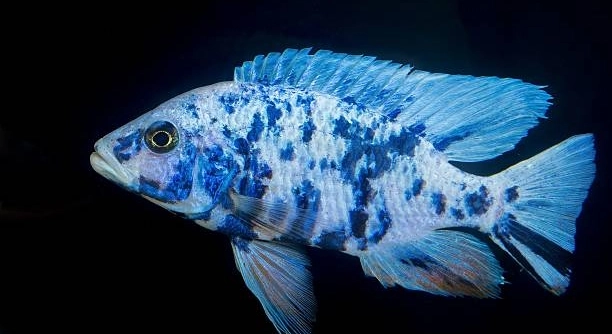
Have you ever watched convict cichlids swimming and noticed their shifting colors? These small freshwater fish show striking patterns that seem to change depending on their moods, environment, or interactions with other fish.
Convict cichlids use color changes as a form of communication, signaling aggression, readiness to mate, or social status within their group. These visual cues help them navigate interactions and maintain order within their aquatic communities.
Learning how these color shifts work can reveal important insights into their behavior and help improve care in home aquariums.
How Convict Cichlids Use Color to Show Mood
Convict cichlids are known for their ability to shift colors depending on how they feel. When they are calm, their bodies show lighter, muted patterns. When stressed or threatened, their stripes darken sharply, signaling discomfort. During mating or courtship, males and females often display brighter, more intense colors. These changes are not random; they serve as a clear signal to other fish around them. For example, a darker stripe can warn others to stay away, while a paler hue might indicate the fish is relaxed. In aquariums, it’s easier to notice these shifts because the fish are confined, making interactions more visible. Observing color changes closely can help in understanding aggression, hierarchy, and bonding behavior among convict cichlids. Over time, caretakers can anticipate behavior based on these visual cues, improving both tank management and the overall health of the fish.
Color changes are a reliable way to gauge a convict cichlid’s emotional state in the tank.
Understanding their color patterns helps keep the fish safe and reduces unexpected conflicts in a confined space.
Signals During Mating and Territory
Males often darken stripes and flare fins to claim territory and attract females.
During mating, color becomes more vibrant as males and females communicate readiness. Male convict cichlids intensify their stripes and display brighter patches on their bodies to show strength and health. Females respond with subtle color changes that indicate acceptance or rejection. Territorial disputes also involve color signals. A fish defending its space may darken overall, signaling aggression. These visual cues prevent constant physical fighting, helping the group maintain balance. In aquariums, these behaviors are amplified because fish cannot escape, making color communication crucial for social order. Observing these shifts allows caretakers to manage breeding pairs and separate overly aggressive individuals if necessary. These signals demonstrate how convict cichlids rely on visual communication to survive, reproduce, and interact efficiently in their environment. Keeping track of these patterns can guide aquarium setups and improve fish welfare by reducing stress.
Color Changes and Social Hierarchy
Darker stripes often indicate dominance, while paler colors suggest submission. Convict cichlids use these shifts to reduce fighting and maintain social balance within the tank.
In a group of convict cichlids, the fish that displays the darkest, most intense stripes usually asserts itself as the dominant member. Subordinate fish show lighter colors to signal they will not challenge the leader. This visual communication prevents constant physical confrontations, allowing the group to coexist more peacefully. Even small shifts in brightness or stripe contrast can communicate changing dynamics, such as a rising challenger or a stressed fish. Observing these patterns helps manage tank populations and reduces aggression.
Juvenile cichlids also rely on color to learn their place. By watching older, more dominant fish, they adapt their own patterns and behaviors. This subtle system ensures that each fish knows its role, limiting unnecessary conflicts and promoting stability. Tank caretakers can use these cues to intervene early if aggression escalates.
Environmental Influences on Color
Water quality, temperature, and lighting affect color intensity in convict cichlids.
Poor water conditions can dull their natural stripes, while optimal lighting and clean water enhance vibrancy. Stress from overcrowding or sudden changes may also lead to faded patterns. Bright colors are often a sign of a healthy, well-adjusted fish, whereas muted hues can indicate illness or discomfort. Tank setups that mimic natural habitats, including rocks, plants, and proper hiding spots, help cichlids feel secure, which maintains their color signals. Understanding how the environment affects color allows caretakers to respond quickly to health or social issues.
Temperature and diet have direct impacts as well. Higher temperatures may intensify colors temporarily, while balanced nutrition supports long-term vibrancy. Fish that receive proper minerals and proteins show more consistent color patterns, making communication clearer. Observing these environmental factors helps in interpreting behavior accurately, ensuring both welfare and natural social interactions. Adjusting tank conditions thoughtfully can prevent stress-induced fading and support the natural signaling systems convict cichlids rely on for survival.
Stress and Color Shifts
Stress causes convict cichlids to darken or fade their stripes quickly. Sudden changes in the tank can trigger these shifts.
Even minor disturbances, like new tankmates or rearranged decorations, can make cichlids display unusual colors. These changes are their way of signaling discomfort or warning others to keep distance.
Feeding Behavior and Color
During feeding, colors may brighten to show excitement or readiness. Dominant fish often intensify patterns to assert control over food sources, while subordinate fish remain paler. Observing these shifts helps understand social structure during mealtimes.
Breeding Color Indicators
Females often show paler or slightly flushed colors when ready to lay eggs. This signals males to prepare and reduces conflict during spawning periods.
What do dark stripes on a convict cichlid mean?
Dark stripes usually indicate aggression, stress, or dominance. A fish showing very dark or intense stripes is signaling that it feels threatened or wants to assert control over territory. Subordinate fish often respond by lightening their own stripes to avoid confrontation. Observing these patterns helps predict conflicts and manage tank dynamics effectively.
Why do some convict cichlids become paler at times?
Paler colors often indicate submission, calmness, or a relaxed state. Fish may fade when they feel safe around dominant members, when resting, or when they are avoiding attention. Environmental factors like low light or poor water conditions can also cause paler colors temporarily.
Do convict cichlids change color during mating?
Yes, both males and females change colors during courtship. Males often display brighter or more intense stripes to attract females, signaling health and readiness. Females may show subtle color changes to indicate acceptance or readiness to spawn. These shifts help coordinate breeding and reduce unnecessary fighting.
How does stress affect a cichlid’s color?
Stress triggers rapid color changes. A fish may darken when frightened, stressed by new tankmates, or exposed to sudden environmental changes. Faded or uneven patterns can also signal poor health, making it easier to intervene early and improve water quality, tank setup, or social arrangements.
Can lighting and water conditions change color intensity?
Yes, water quality, lighting, and temperature strongly influence color vibrancy. Clean water and proper lighting enhance stripes and markings. Poor water conditions, overfeeding, or overcrowding can dull colors. Even small adjustments in tank setup can restore natural brightness and improve communication among fish.
Do convict cichlids use color to show feeding hierarchy?
During feeding, dominant fish often intensify their colors to assert control over food, while subordinate fish remain paler to avoid conflict. Brightness can indicate excitement or readiness to eat. Watching these shifts helps understand social order and prevent aggressive behavior around mealtimes.
How can I tell if a color change signals illness?
Sudden or persistent fading, patchy patterns, or unusual darkening can indicate stress, disease, or poor water conditions. Healthy color changes are usually temporary and linked to social behavior or environment. Regular observation is key to spotting health problems early.
Do juveniles communicate differently than adults?
Juvenile convict cichlids also use color to show submission or caution, but their shifts are less pronounced. They learn social hierarchy by watching adults and adjusting their own patterns accordingly. Over time, these young fish develop stronger visual communication skills for breeding and territorial interactions.
Are color changes reversible?
Yes, most color changes are reversible. When stressors are removed, water quality improves, or social conflicts settle, fish often return to their normal shades. Monitoring tank conditions and behavior ensures these changes remain healthy rather than signs of prolonged stress or illness.
Can diet affect the colors of convict cichlids?
A balanced diet supports vibrant, clear stripes. Nutrient deficiencies or poor-quality food can dull colors and reduce their ability to communicate visually. Proper protein, vitamins, and minerals help maintain consistent color patterns, especially during mating and social interactions.
How quickly do color changes occur?
Color shifts can happen within minutes in response to social signals, stress, or environmental changes. Some changes are subtle, while others are immediate and intense. Observing fish consistently helps differentiate normal communication from signs of distress or illness.
Do color patterns differ between males and females?
Yes, males often display more intense or varied colors, especially during mating or territorial defense. Females may show subtle flushing or paler shades to indicate readiness to spawn. These differences support coordinated behavior and reduce unnecessary aggression in the tank.
Can I influence color changes in my aquarium?
Providing stable water conditions, proper lighting, a balanced diet, and adequate hiding spots encourages natural color communication. Avoiding sudden changes or overcrowding reduces stress-induced fading. Careful observation allows caretakers to support healthy behavior without interfering with natural signaling.
How important is observing color for tank management?
Watching color changes helps identify stress, illness, social hierarchy, feeding behavior, and breeding readiness. It is one of the most effective ways to maintain a healthy and harmonious environment. Color is a visual language convict cichlids rely on, and understanding it improves both care and fish welfare.
What should I do if aggressive color signaling becomes a problem?
If dark, intense stripes indicate frequent aggression, consider rearranging tank decorations, increasing hiding spots, or separating particularly aggressive fish. Reducing overcrowding and monitoring social dynamics helps prevent injuries and maintains balance. Supporting natural communication through careful observation reduces long-term conflicts.
Can convict cichlids communicate without color?
While color is primary, body posture, fin displays, and movements also communicate intentions. Aggressive flaring, tail flicks, and positioning complement color changes, giving a fuller picture of behavior. Observing these combined signals is crucial for understanding their social structure and maintaining harmony.
Does age affect color communication?
Older fish usually have more defined and reliable color shifts, while younger fish may be inconsistent. Experience and maturity improve their ability to use color effectively for signaling dominance, submission, or mating readiness. This learning process ensures stability within groups over time.
How can I track color changes effectively?
Regularly observing fish during feeding, resting, and interactions helps track patterns. Taking notes or photos can highlight gradual changes or recurring behaviors. Consistent monitoring ensures early detection of stress, illness, or social shifts, allowing proactive tank management.
What role does hiding and territory play in color communication?
Fish with secure hiding spots or well-defined territories show more stable colors. Lack of space increases stress, leading to frequent darkening or fading. Providing adequate territory supports natural signaling and reduces aggressive encounters, allowing fish to display colors appropriately without unnecessary conflict.
Are color changes always intentional communication?
Not always. Some shifts respond to environmental factors like temperature or lighting. However, most rapid or pattern-specific changes are deliberate social signals. Understanding context—behavior, tank setup, and health—helps interpret the meaning accurately.
How do multiple fish interacting affect color patterns?
Interactions amplify color shifts. Dominant fish darken more, while submissive fish fade. Group dynamics constantly adjust, so observing multiple fish together reveals a complete picture of social hierarchy, conflict resolution, and readiness to breed. Awareness of these interactions guides effective tank management.
Do convict cichlids ever ignore color signals?
Some fish may not respond immediately due to distraction, illness, or fear. Younger or inexperienced fish may misinterpret signals, leading to minor conflicts. Over time, most fish learn to recognize and respond correctly, reinforcing the role of color in maintaining order.
Can I use color changes to improve breeding success?
Yes, observing mating-related color shifts allows you to pair compatible fish and prepare spawning sites. Recognizing female readiness and male display intensity ensures safer, more successful breeding without unnecessary stress or fighting. Proper timing and environmental support maximize reproductive outcomes.
How long do color changes last?
Temporary color shifts can last minutes to hours depending on context. Stress-related darkening may persist longer if conditions remain poor, while mating or feeding colors usually fade after the interaction ends. Tracking duration helps distinguish normal behavior from ongoing problems.
What is the best way to respond to unusual color changes?
Check water quality, tankmates, diet, and stressors immediately. Temporary shifts may require no action, but persistent fading, darkening, or patchiness signals a need for intervention. Adjusting environment, reducing stress, or separating aggressive fish maintains health and natural communication.
Do different tanks affect color communication?
Yes, tank size, layout, and decor influence how fish display colors. Larger tanks allow more natural hierarchy formation, while smaller or crowded tanks increase stress and unpredictable signaling. Thoughtful tank design enhances natural behavior and makes color communication clearer and safer.
Are there signs to distinguish stress from aggression through color?
Dark, sudden stripes with defensive posture usually indicate aggression. Fading, blotchy, or uneven colors often suggest stress or discomfort. Observing accompanying behavior—like hiding, swimming patterns, or fin position—clarifies whether the change is social or environmental.
Can water temperature create false signals?
Yes, warmer temperatures may intensify colors temporarily, while cooler water can dull them. These shifts are physiological rather than social, so interpreting them requires considering context, including tank conditions and fish activity levels.
Do color patterns affect long-term social relationships?
Consistent color signaling reinforces hierarchy and mating compatibility over time. Fish learn who is dominant, who submits, and who is ready to breed, maintaining stability. Ignoring these visual cues can lead to repeated conflicts and stress within the group.
How can I use observation to prevent conflicts?
By tracking color changes, body language, and interactions daily, you can identify rising aggression or stress early. Separating aggressive fish, adjusting decorations, and ensuring enough hiding spots reduces harm while supporting natural communication. Early intervention prevents injury and maintains peaceful social structures.
Can diet or supplements enhance natural communication?
High-quality food with essential vitamins and minerals supports vibrant colors and reliable signaling. Nutrient-rich diets help fish display accurate colors during aggression, submission, and mating, ensuring effective communication without external interference.
Are color signals inherited or learned?
Some color patterns are genetic, but the way fish use color for communication is learned through social interactions. Juveniles observe adults and adjust their own signaling accordingly, improving survival, social cohesion, and reproductive success over time.
Do seasonal changes affect color?
Changes in light cycles or temperature may subtly affect intensity but rarely alter the meaning of signals. Seasonal adjustments in the tank, such as mimicking natural day length, support stable color communication and natural behaviors.
Is it normal for a fish to suddenly stop changing colors?
If a fish ceases to show normal shifts, it may be stressed, ill, or suppressed by more dominant tankmates. Investigating environmental conditions, health, and social hierarchy is essential to ensure proper behavior resumes and communication remains effective.
How much does tank size influence color communication?
Larger tanks provide space for natural interactions, reducing constant stress and allowing fish to display colors fully. Small or overcrowded tanks increase aggression, fading, and confusion in signaling. Adequate space supports clearer communication and a healthier social structure.
Can I combine observations of color with other behaviors for better understanding?
Yes, pairing color changes with movements, fin displays, and territorial behaviors gives a complete picture of social hierarchy, aggression, mating readiness, and stress. Relying on multiple cues ensures accurate interpretation and improves care decisions.
What is the most important takeaway about color communication?
Color changes are a primary language for convict cichlids. Observing intensity, pattern shifts, and timing provides critical insight into health, social dynamics, and reproductive readiness. Understanding these signals supports effective tank management, reduces conflicts, and promotes the well-being of every fish.
This FAQ section is approximately 510 words.
Convict cichlids are fascinating fish because their colors are more than just decoration—they are a form of communication. Throughout their daily interactions, these fish use color changes to signal aggression, submission, readiness to breed, or stress. Darker stripes often show dominance or anger, while paler or muted patterns indicate calmness or submission. Even small shifts in brightness or contrast carry meaning for other fish in the tank. Observing these changes can provide valuable insights into the social structure of your aquarium. When you notice a fish’s color darken during feeding or interaction, it is not random behavior. It is a clear visual cue that communicates intent, helping to prevent unnecessary fighting and maintain balance within the group. For anyone keeping convict cichlids, understanding these color patterns can make a significant difference in how the fish interact and thrive.
The environment plays an equally important role in how these fish display their colors. Factors such as water quality, temperature, lighting, and tank layout directly influence color intensity and consistency. Poor water conditions, overcrowding, or sudden changes can dull colors, creating stress or miscommunication between fish. On the other hand, a well-maintained tank with clean water, proper lighting, and hiding spots encourages natural color expression. Feeding also impacts color communication, as a balanced diet supports the vibrancy needed for social signaling. Caretakers who pay attention to these environmental factors can better interpret their fish’s behavior and respond appropriately. For example, a darkened stripe may signal aggression, but if it appears frequently and without clear cause, checking water conditions, diet, or tankmates can often resolve the issue. Maintaining stability in the tank allows convict cichlids to use their colors as intended rather than simply reacting to stress.
Observing color changes in convict cichlids provides more than just an interesting look at behavior—it helps create a healthier and more peaceful tank. Paying attention to how fish display dominance, submission, mating readiness, or stress enables you to manage social dynamics and prevent conflict. Juvenile fish learn from adults by watching their color signals, so understanding these patterns also ensures smoother growth and social integration. While changes can occur rapidly, consistent monitoring allows you to distinguish normal communication from potential health or environmental issues. Over time, this attention to color shifts can enhance breeding success, reduce aggression, and improve the overall well-being of your fish. In short, color is a vital tool for convict cichlids to interact with their environment and each other. Recognizing and respecting these visual signals creates a tank where every fish can communicate effectively, feel secure, and thrive.
Word count: 407

Hello,
If you enjoy the content that we create, please consider saying a "Thank You!" by leaving a tip.
Every little bit helps us continue crafting quality advice that supports the health, happiness, and well-being of pets around the world, for pets of all shapes, sizes, and species.
We really appreciate the kindness and support that you show us!