
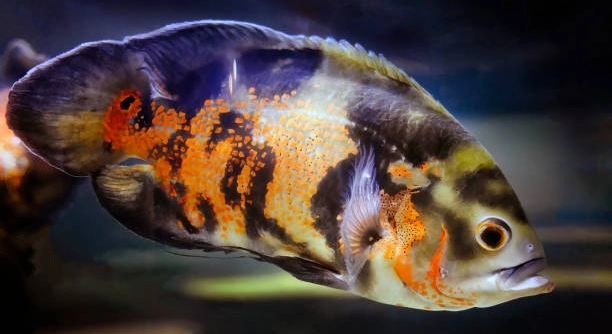
Convict cichlids are popular freshwater fish, known for their bright colors and lively behavior. Many fishkeepers notice their small, striped bodies and wonder how they handle raising their young in a home aquarium.
Convict cichlids exhibit strong parental care, often protecting and guiding their fry from hatching until they are independent. Both male and female fish participate in guarding the eggs and teaching the young to find food, demonstrating instinctive nurturing behaviors.
Watching their careful movements and protective actions offers valuable insight into their natural instincts, providing guidance for hobbyists who want to support healthy fry development.
How Convict Cichlids Care for Their Eggs
Convict cichlids are very attentive when it comes to their eggs. Both parents clean a flat surface, usually a rock or tank decoration, before laying. The female carefully deposits her eggs in neat rows while the male hovers nearby, ready to chase away any intruders. Once the eggs are laid, both parents take turns fanning them with their fins. This helps keep the eggs oxygenated and free from fungus. They remain very close, rarely leaving the nest unattended, showing a level of commitment that is impressive for small fish. The parents are sensitive to movement, and even small disturbances can trigger protective behaviors. Watching them patrol the area around the eggs demonstrates a strong instinct to ensure their offspring survive. This attention continues until the eggs hatch, usually within a few days depending on water temperature. It’s fascinating to see how methodical their care really is.
Parental care at this stage is essential for the eggs’ survival, ensuring most hatchlings remain healthy and strong.
The way convict cichlids guard their eggs reflects natural instincts that have evolved over generations. They maintain a strict routine, cleaning the eggs, fanning them, and defending against anything that could harm the developing fry. This consistent care increases the likelihood that a large percentage of the eggs will survive and hatch successfully, giving the next generation a strong start in life. Observing this process in an aquarium can feel surprisingly engaging, as their dedication is obvious. Even minor movements near the nest are met with immediate defensive actions, showing how seriously the parents take their role. This careful attention continues through the critical early days, highlighting the complexity of fish behavior that often goes unnoticed.
Protecting and Guiding the Fry
After hatching, both parents remain highly involved with their young.
Convict cichlid fry are tiny and vulnerable, so the parents’ protection is constant. They lead the fry to safe areas, keeping them near hiding spots while chasing away potential threats. The fry learn to follow the adults, recognizing their guidance as safety. Parents often divide tasks, with one staying near the young while the other guards the broader territory. They even retrieve wandering fry and gently nudge them back to the group. Feeding becomes a shared activity as parents show the fry where to find small food particles in the substrate. This cooperative behavior ensures the fry grow strong and learn essential survival skills. In a home aquarium, observing this interaction can provide valuable insight into natural parenting instincts, helping keepers understand how to create a safe and supportive environment. Their care continues until the fry can swim confidently and feed independently, usually after several weeks, demonstrating impressive dedication.
Feeding Habits of Convict Cichlid Fry
Fry begin eating tiny food particles soon after hatching. Parents guide them toward safe spots with accessible food. They show remarkable patience, ensuring the fry get enough to eat without leaving them exposed to danger.
Convict cichlid fry are very small and require frequent feeding. Parents help by leading them to areas rich in microscopic food, such as infusoria or finely crushed flakes. The adults’ presence reduces stress, allowing the fry to feed confidently. This guidance teaches the young where to find food while keeping them safe from predators and other tank inhabitants. Parents may also fan the substrate gently to stir up hidden food particles. Over time, the fry begin to recognize edible items on their own, but the parents’ supervision remains essential during the early stages to ensure proper growth and development.
As the fry grow, their feeding habits gradually change. They start exploring more actively and nibbling on larger particles. Parents continue to monitor their movements, correcting strays and maintaining group cohesion. This stage is critical, as fry that venture too far risk harm from other fish or strong currents. The guidance from both male and female convict cichlids ensures that the young develop essential survival skills. Their role in directing feeding and protecting the fry highlights the complexity of parenting behavior in these fish. Observing this interaction can feel surprisingly engaging, showing a mix of instinct, patience, and coordination that sustains the next generation.
Tank Environment for Raising Fry
A safe, structured tank is key for successful fry growth. Hiding spots and gentle water flow reduce stress and encourage healthy development.
Providing an ideal tank environment involves creating areas where fry can retreat if threatened. Plants, rocks, and small caves are useful. Water quality must remain stable, as fry are sensitive to changes in temperature, pH, and ammonia levels. Strong currents should be avoided, as fry are weak swimmers initially. The presence of attentive parents helps, but environmental factors play an equally important role. Filtration should be gentle, preventing debris buildup while maintaining water clarity. Observing the fry’s activity can help identify stressful spots or areas that need modification, ensuring their growth continues without unnecessary risk.
Tank layout influences fry behavior and learning. Well-placed hiding areas allow fry to practice natural instincts like seeking shelter while exploring. Open areas help them learn to forage efficiently. Parents guide the fry through these spaces, teaching them how to navigate their environment safely. The combination of thoughtful tank design and active parental involvement ensures fry develop confidence and coordination. Even subtle details, like plant density and substrate type, impact survival and feeding. Maintaining consistent water parameters while monitoring interactions is essential. By carefully structuring the environment, caretakers can replicate conditions that promote healthy growth, instill survival skills, and support the natural parenting instincts of convict cichlids.
Common Challenges in Fry Rearing
Fry are vulnerable to stress from sudden water changes, aggressive tankmates, or poor water quality. Even small disturbances can impact growth and survival. Monitoring their environment consistently helps prevent problems before they become serious.
Overcrowding is another major concern. Too many fry in one tank can lead to competition for food and hiding spots. Parents may struggle to protect every offspring effectively, increasing the risk of injury or death. Careful tank management and separating fry when needed can reduce these risks.
Signs of Healthy Fry
Healthy fry are active, responsive, and feed regularly. They swim confidently in groups and explore their surroundings without hiding excessively.
Parent-Child Interaction
Parents continually guard and guide the fry, correcting straying individuals and teaching essential survival behaviors. This interaction strengthens the fry’s instincts and ensures consistent development.
Preparing Fry for Independence
Gradually, fry start feeding and swimming on their own. Parents still supervise, but independence grows as they learn essential skills for survival.
FAQ
How long do convict cichlids care for their fry?
Convict cichlids usually care for their fry for about three to four weeks. During this time, both parents stay close, guiding, guarding, and feeding the young. Once the fry can swim confidently and feed independently, parental supervision gradually decreases. Some pairs may continue occasional protection for another week, but active care largely ends when the fry are self-sufficient.
Do both male and female parents help equally?
Yes, both parents play important roles, though their tasks differ slightly. The female often focuses on cleaning, fanning, and watching the eggs or fry closely. The male primarily defends the territory, keeping other fish and potential threats away. Together, their combined efforts maximize the fry’s chances of survival.
What do convict cichlid fry eat?
Newly hatched fry feed on microscopic foods like infusoria or specialized fry powder. As they grow, they can eat crushed flakes, baby brine shrimp, or finely powdered food. Parents often guide them to food sources in the tank and may fan the substrate to reveal edible particles. Ensuring frequent small feedings supports steady growth.
Can fry survive without parental care?
Fry can survive without parents, but survival rates drop significantly. Young fry are vulnerable to water quality changes, predators, and competition for food. If parents are removed, it’s important to provide plenty of hiding spots, stable water conditions, and consistent feeding to mimic natural protection.
How do you tell if fry are healthy?
Healthy fry are active, swim in groups, and respond to movement or feeding. Their coloration is even, and fins appear intact. Weak or lethargic fry may indicate poor water quality, disease, or insufficient food. Observing daily behavior helps detect issues early, allowing timely intervention.
What tank conditions are best for raising fry?
A stable, clean tank with gentle water flow is ideal. Hiding spots like plants, rocks, and small caves reduce stress. Water parameters should remain consistent, with proper filtration and temperature control. Overcrowding should be avoided to give fry space to explore and feed safely.
When should fry be separated from parents?
Separation is usually recommended after three to four weeks when fry become independent. If parents start showing aggression or the tank becomes crowded, removing fry to a separate tank prevents injury. Gradual acclimation to new conditions helps fry continue healthy growth without stress.
How often should fry be fed?
Fry need frequent feedings, usually two to three times per day, in small amounts. Overfeeding can foul water, while underfeeding slows growth. Monitoring consumption and adjusting portions ensures they get adequate nutrition while maintaining tank cleanliness.
Do parents ever harm their fry?
While rare, some stress or aggression can lead parents to harm fry, especially if they feel threatened or the tank is overcrowded. Keeping the tank calm, stable, and properly sized minimizes this risk. Observation helps catch problems early before fry are injured.
What signs indicate fry are ready for independence?
Fry ready for independence swim confidently, explore the tank, and feed on their own. They no longer rely on constant parental guidance and can navigate hiding spots safely. At this stage, parental care naturally diminishes, and fry can thrive on their own with proper tank conditions.
Convict cichlids are remarkable parents, showing a level of care that is unusual among small freshwater fish. From the moment the eggs are laid, both male and female are involved in protecting and nurturing their offspring. They clean the eggs, fan them to provide oxygen, and vigilantly guard them against potential threats. Once the eggs hatch, this care continues as the parents guide the fry, helping them find food and teaching them how to navigate their environment safely. Observing these behaviors in a home aquarium can be fascinating, revealing instincts and interactions that many people might not expect from fish. It’s clear that convict cichlids are not just colorful, active fish, but also dedicated and attentive parents who invest time and energy into ensuring the survival of their young.
Raising convict cichlid fry successfully requires attention to both the parents and the environment. Fry are very small and delicate, making water quality, temperature, and tank structure essential factors. Providing hiding spots, gentle water flow, and clean water helps the fry feel safe and encourages natural behaviors. The parents play a significant role in guiding and protecting the fry, but environmental support is equally important. Overcrowding, poor feeding, or sudden changes in water conditions can cause stress and reduce survival rates. Careful observation of the fry and their interactions with the parents allows keepers to identify problems early and make adjustments to support healthy growth. Feeding should be frequent and appropriate for their size, with small particles that are easy to consume. As the fry grow, their feeding habits change, and parents gradually step back, letting the young gain independence while still monitoring them occasionally.
Understanding convict cichlid parenting provides insight into the balance between instinct and environmental influence. Their natural behaviors show how attentive parents can improve survival rates and support the development of young fish. Observing them teaches important lessons about patience, protection, and the small but essential guidance that helps young animals thrive. Creating the right conditions in the aquarium, paired with observing and respecting the parents’ behaviors, leads to stronger, healthier fry and a more rewarding experience for keepers. It also highlights the complexity of fish behavior, reminding us that even small fish have instincts and social patterns that are vital to their survival. By combining careful care, appropriate feeding, and a supportive tank setup, keepers can witness the full cycle of convict cichlid parenting, from egg laying to fry independence, appreciating the dedication and skill involved in raising the next generation of these fascinating fish.

Hello,
If you enjoy the content that we create, please consider saying a "Thank You!" by leaving a tip.
Every little bit helps us continue crafting quality advice that supports the health, happiness, and well-being of pets around the world, for pets of all shapes, sizes, and species.
We really appreciate the kindness and support that you show us!