
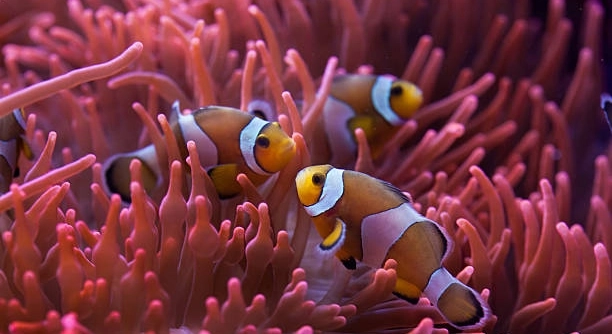
Clownfish are fascinating creatures known for their bright colors and unique behaviors. Many people who keep them or study them wonder how these fish respond to new partners in their social groups. Understanding their bonding process helps explain more about their nature and care.
Clownfish do take time to accept a partner, often gradually forming strong bonds over weeks or months. This process involves mutual recognition and territory establishment, which are essential for their social stability and successful breeding in both wild and captive environments.
Knowing how clownfish develop these relationships can improve how we care for them and support their natural behaviors. This article will explore the stages and factors influencing their acceptance of partners.
How Clownfish Choose Their Partners
Clownfish do not rush into partnerships. When two clownfish meet, they spend time observing each other. This helps them decide if the other fish is a good match. In the wild, this process can take several weeks. The fish swim around, interact, and establish a territory together. During this time, they test boundaries and learn to trust each other. This period is important because clownfish are territorial and need a partner they can rely on to defend their space. Once a pair forms, they work closely, especially when raising their young. In captivity, these behaviors are similar, though the environment can sometimes speed up or slow down acceptance. Caretakers who understand this can create conditions that help clownfish feel safe and supported during bonding.
This slow acceptance helps clownfish build strong, lasting relationships. It is a natural part of their social structure that promotes survival and cooperation.
Knowing this can improve how we manage clownfish in aquariums and protect them in their natural habitats.
Signs of Acceptance Between Clownfish Partners
Clownfish show several clear signs when they start accepting a partner. These include swimming close together, sharing shelter, and feeding side by side. Their behavior becomes more synchronized, and aggression between the two reduces significantly. They may also clean each other and show gentle nudges, which indicates growing trust. These actions show that the pair feels comfortable and safe around each other.
The acceptance process is gradual and depends on the individual fish’s temperament and environment. Sometimes, one fish may dominate the other, which is normal and helps establish roles within the pair. The female is usually larger and more dominant, while the male supports and protects the female. This balance is important for their cooperation and reproductive success.
By watching these signs, caretakers and observers can tell when clownfish have formed a genuine partnership. This knowledge helps ensure their wellbeing and allows people to provide better care. Keeping an eye on their interactions offers insight into their natural social behaviors and can prevent unnecessary stress during introductions.
Factors That Affect Partner Acceptance
Several factors influence how quickly clownfish accept a partner. These include the size of the fish, their age, and the environment they are in. Stress levels and tank conditions also play a role in how comfortable they feel with a new partner.
Size difference between clownfish often determines dominance, with larger females taking the lead. Younger fish may take longer to settle, as they are still developing social skills. A stable, clean environment with plenty of hiding spots reduces stress and encourages bonding. Sudden changes in water quality or tank mates can delay acceptance or cause conflicts. Providing a peaceful space helps clownfish feel secure and more open to forming a partnership.
Compatibility also depends on temperament. Some clownfish are naturally more aggressive or shy, which affects their willingness to bond. Matching fish with similar behaviors often leads to quicker acceptance. Observing their interactions carefully is key to ensuring a healthy pairing.
Introducing New Partners in Captivity
Introducing new clownfish partners in captivity requires careful planning. It’s best to add them to a well-established tank with stable water parameters to reduce stress. Introducing both fish at the same time helps prevent territorial fights. Adding new partners gradually, while monitoring behavior closely, allows for safer adjustment. Providing plenty of hiding spaces and visual barriers can ease tension. Avoid overcrowding the tank, as it increases stress and aggression. Keeping the environment calm encourages peaceful interactions. Managing tank conditions and behavior helps promote successful partnerships in captivity, supporting the natural bonding process seen in the wild.
Timing of Partner Acceptance
Clownfish acceptance timing varies widely. Some pairs bond within days, while others take several weeks or longer. The process depends on individual fish behavior and environmental factors.
Patience is essential when introducing new clownfish. Rushing the process can cause stress and aggression, delaying acceptance or breaking bonds.
Role of Territory in Bonding
Territory plays a crucial role in clownfish partnerships. Clownfish establish and defend a shared area, often around a sea anemone. This space becomes the center of their bond and cooperation. Successful territory defense strengthens their partnership and supports breeding. The fish work together to protect their home from intruders, which helps maintain their bond and ensures survival.
Managing Aggression During Bonding
Some aggression is natural during clownfish bonding. It helps establish dominance and roles within the pair. Monitoring behavior can prevent serious fights and stress.
Keeping the tank environment stable reduces aggressive encounters and promotes smoother acceptance.
FAQ
How long does it usually take for clownfish to accept a partner?
The time varies depending on the fish and environment. Generally, clownfish take anywhere from a few days to several weeks to fully accept a partner. In some cases, it may take longer if the fish are young or if tank conditions are not ideal. Patience is important, as rushing the process can cause stress and conflicts.
What signs show that clownfish are bonding?
Clownfish bonding is shown through calm swimming together, sharing the same territory, and reduced aggression. You may notice them cleaning each other or gently nudging one another. They will also defend their space together, which is a key part of their partnership.
Can clownfish bond if introduced at different times?
Introducing clownfish partners at different times can be tricky. The first fish may become territorial and aggressive towards the newcomer. It’s usually better to introduce both fish simultaneously to avoid strong territorial behavior, though careful observation and gradual introduction can help when timing is staggered.
Is size difference important in partner acceptance?
Yes, size often determines dominance in clownfish pairs. Typically, the larger fish becomes the female and leads the pair. A noticeable size difference helps establish clear roles and reduces fighting. When size is similar, the fish may take longer to settle their hierarchy.
What environmental factors affect acceptance?
Stable water quality, temperature, and plenty of hiding spots help clownfish feel secure and encourage bonding. Sudden changes in the tank or poor conditions increase stress and can delay acceptance. A peaceful environment supports natural behaviors and reduces aggressive encounters.
Can aggressive behavior stop clownfish from forming a bond?
Some aggression is normal as clownfish establish dominance and roles. However, if aggression becomes intense or constant, it may prevent bonding. Monitoring their behavior closely and providing enough space can reduce aggressive incidents and promote a healthier relationship.
Do clownfish pairs stay together for life?
In the wild and in captivity, clownfish pairs often stay together for long periods, sometimes for life. Their bond supports breeding and territory defense. If a partner dies or is removed, the remaining fish may take time to accept a new partner or may become solitary.
What should I do if my clownfish don’t accept each other?
If clownfish refuse to bond, try rearranging the tank to disrupt established territories and reduce aggression. Adding more hiding places can also help. Sometimes separating the fish and reintroducing them slowly works better. Patience and careful observation are key to success.
How important is the anemone for clownfish bonding?
Anemones provide a safe home and central territory for clownfish pairs. Sharing an anemone helps strengthen their bond and provides protection. In tanks without anemones, clownfish still bond but need other secure hiding spots to feel comfortable.
Can clownfish bond with multiple partners?
Clownfish usually form strong bonds with one partner at a time. While some species live in groups, individual pairs are the norm, especially during breeding. Multiple partners are uncommon and can lead to stress and aggression.
Does age affect how quickly clownfish accept a partner?
Younger clownfish may take longer to bond as they are still developing social skills. Older, more mature fish tend to establish partnerships faster, especially if they have prior experience. Age combined with temperament affects how smoothly bonding happens.
Are there differences in bonding behavior between clownfish species?
Yes, different species of clownfish show some variation in bonding behavior. Some are more aggressive or territorial, which affects how they accept partners. Understanding species-specific traits helps manage introductions and care better.
Is it better to buy established pairs or introduce new partners?
Buying an already bonded pair can reduce stress and aggression in your tank. Introducing new partners requires time, patience, and careful management to ensure successful bonding. Both approaches can work, but knowing what to expect helps prepare for the process.
How can I tell if clownfish are stressed during partner acceptance?
Signs of stress include hiding excessively, rapid breathing, loss of appetite, and constant chasing or fighting. Stress can delay bonding and harm health. Improving tank conditions and reducing aggression usually helps stressed clownfish feel safer.
What role does diet play in bonding success?
A healthy, balanced diet supports clownfish health and reduces stress, making bonding easier. Well-fed fish are less likely to become aggressive over food and have more energy to engage in social behaviors.
Can lighting affect how clownfish accept partners?
Lighting impacts clownfish behavior and comfort. Too bright or flickering lights can cause stress. A natural light cycle with moderate brightness helps maintain calm and supports bonding by mimicking their natural environment.
Is it necessary to quarantine clownfish before pairing?
Quarantining new clownfish reduces the risk of disease and ensures both fish are healthy before pairing. Healthy fish have a better chance of accepting partners and forming strong bonds. Quarantine also gives time to observe behavior before introduction.
How can I encourage quicker bonding in a home aquarium?
Create a stable environment with clean water and proper hiding spots. Introduce both fish simultaneously if possible. Minimize disturbances and monitor closely for signs of aggression or stress. Small tank rearrangements can reset territorial boundaries and encourage peaceful interaction.
Clownfish are interesting animals with unique social behaviors. Their process of accepting a partner is gradual and involves careful observation and interaction. This slow bonding helps ensure that the two fish can work together to defend their territory and raise offspring successfully. Understanding this behavior is important for anyone who keeps clownfish or studies them. It shows how patience and a supportive environment contribute to their wellbeing. The way clownfish form partnerships is a good example of how animals rely on trust and cooperation to survive in their habitats.
In captivity, the conditions you provide can make a big difference in how smoothly clownfish accept each other. Stable water quality, appropriate tank size, and places to hide all help reduce stress and aggression. Introducing new partners at the same time can also make bonding easier. If aggression does occur, it is usually part of the process but should be monitored closely to avoid harm. Knowing the signs of stress and acceptance helps you support your clownfish better. Creating a calm, balanced environment encourages natural behaviors and allows the fish to form strong, lasting bonds.
Overall, clownfish do take time to accept partners, and this process varies depending on individual fish and their surroundings. Being patient and understanding the factors involved in their bonding can improve their care and happiness. Whether in the wild or in an aquarium, the partnerships clownfish build are essential for their survival and reproduction. Paying attention to their needs and behaviors leads to healthier fish and a more rewarding experience for those who care for them.

Hello,
If you enjoy the content that we create, please consider saying a "Thank You!" by leaving a tip.
Every little bit helps us continue crafting quality advice that supports the health, happiness, and well-being of pets around the world, for pets of all shapes, sizes, and species.
We really appreciate the kindness and support that you show us!