
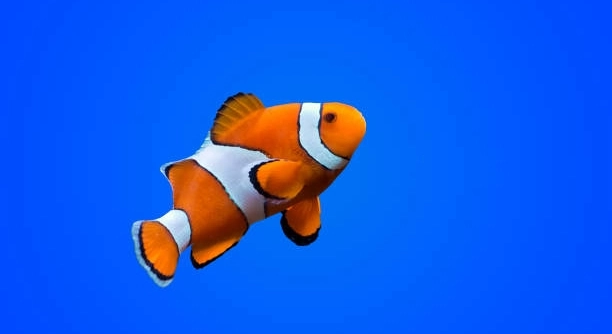
Clownfish are fascinating creatures known for their bright colors and close relationship with sea anemones. Many people find their behavior interesting, especially how they interact with their host anemones in the ocean. This article explores one aspect of their daily life.
Clownfish do sleep near or within the protective tentacles of their host anemones. This behavior provides safety from predators while allowing them to rest. Their symbiotic relationship ensures both the clownfish and anemone benefit from this close proximity during rest periods.
Understanding where clownfish sleep reveals more about their unique bond with anemones and how they survive in their natural environment. This insight adds depth to their fascinating underwater world.
How Clownfish Use Their Host Anemones for Rest
Clownfish rely on their host anemones not only for protection but also as a safe place to rest. These fish are small and vulnerable, so staying close to the stinging tentacles of the anemone keeps them safe from predators. At night, clownfish often settle within or just at the edge of these tentacles, where the anemone’s sting deters other animals. This shelter helps them conserve energy while they sleep. The relationship is mutual—clownfish help keep the anemone clean and can even lure food toward it. This close association means the clownfish don’t have to find a separate resting spot, reducing the risk of danger. Their ability to move freely among the tentacles without harm is thanks to a special mucus on their skin, which prevents the anemone’s sting from affecting them. This natural adaptation is crucial for their survival and rest.
Clownfish resting within their host anemones benefits both species. The fish gain safety, while the anemone receives cleaning and food attraction.
Sleeping near the anemone’s tentacles allows clownfish to avoid predators efficiently. Their protective mucus coating prevents injury from stings, enabling them to rest safely without leaving their shelter. This arrangement reduces the fish’s need to move at night, which helps conserve energy. The anemone benefits because the clownfish remove debris and attract prey with their movement. This mutual benefit strengthens their bond and improves their chances of survival. Such a relationship is a remarkable example of cooperation in nature.
Nighttime Behavior of Clownfish Outside the Host
Clownfish rarely leave the safety of their anemone at night.
If they do, it is usually very brief and cautious. Outside the anemone, clownfish are more exposed to predators and risk injury. They depend heavily on the anemone’s protection to rest safely. At times, young clownfish or those without a host might find alternative hiding spots like crevices in coral or rocky reefs. However, these locations do not offer the same level of protection as the stinging tentacles. During the day, clownfish are more active and may explore nearby areas to find food or defend their territory. At night, however, their behavior shifts significantly toward safety and rest. Their survival depends on minimizing exposure, which is why their nighttime activity is closely tied to the presence of a host anemone. This strong preference for shelter highlights how vital the anemone is to their daily cycle.
Clownfish Sleep Patterns
Clownfish do not sleep like humans but enter a restful state where activity slows down significantly.
During this time, their movements become minimal, and their metabolism slows. This rest period usually happens at night, helping them conserve energy after a day of swimming and feeding. Clownfish remain alert to some extent even while resting to react quickly if a threat appears. Unlike mammals, they don’t close their eyes completely, but their behavior clearly shows they have a cycle of activity and rest. This pattern supports their survival in a habitat full of predators.
Their resting state is essential for health and energy balance. Sleep helps repair their body and prepares them for the next day. Clownfish adjust their sleep times based on light and environmental conditions. In an aquarium or the wild, they show similar patterns, although light pollution or disturbances can affect their rest quality.
Protective Role of Anemones at Night
Anemones offer more than just shelter; their stinging tentacles actively protect clownfish during vulnerable resting hours.
The clownfish’s skin produces a special mucus that prevents the anemone’s stings from harming them, allowing the fish to live safely among the tentacles. This unique defense means predators are discouraged from approaching both the clownfish and the anemone. At night, when the clownfish are less active, this protection is crucial. The anemone’s sting deters many potential threats, creating a safe zone for resting. This protective mechanism is a key factor in the clownfish’s survival, reducing risk when they are most vulnerable. It also explains why clownfish remain so closely tied to their hosts.
How Clownfish Communicate at Night
Clownfish use subtle movements and body language to communicate even while resting.
These signals help maintain their social bonds and alert others if danger approaches.
Importance of Rest for Clownfish Health
Rest is vital for clownfish to maintain their immune system and overall health. Lack of proper rest can lead to stress, making them more vulnerable to illness and reducing their ability to evade predators. Adequate sleep supports their growth and daily functioning in their complex reef environment.
Effects of Aquarium Lighting on Clownfish Sleep
Artificial lighting in aquariums can disrupt clownfish sleep patterns.
Proper lighting schedules help mimic natural day-night cycles to ensure they get enough rest.
FAQ
Do clownfish really sleep?
Yes, clownfish do sleep, though their sleep looks different from human sleep. They enter a restful state where their movements slow, and their metabolism decreases. They remain somewhat alert to danger even during rest, often staying close to their host anemone for protection.
Where do clownfish sleep?
Clownfish sleep inside or near the tentacles of their host sea anemones. The anemone’s stinging tentacles provide a safe space from predators. Thanks to a special mucus layer on their skin, clownfish are not harmed by the stings and can rest comfortably in this protected environment.
How do clownfish avoid being stung by their host anemone?
Clownfish have a unique mucus coating that covers their bodies. This mucus tricks the anemone into recognizing the fish as part of itself, preventing the tentacles from stinging. This adaptation is vital, allowing clownfish to safely live and sleep among the tentacles.
Do clownfish close their eyes when they sleep?
No, clownfish do not have eyelids, so they cannot close their eyes. Instead, they rest by reducing movement and activity while staying alert. Their eyes remain open, but their body behavior clearly shows they are in a resting phase.
How long do clownfish sleep?
Clownfish typically rest during the night hours, with sleep length depending on the natural light cycle in their environment. In the wild, they follow sunset to sunrise rest periods. In aquariums, their sleep duration depends on artificial lighting schedules.
Can clownfish sleep without an anemone?
Clownfish can survive without an anemone but are more vulnerable. Without the protection of an anemone, they must find other hiding spots like coral crevices. These alternatives do not offer the same level of safety, making restful sleep harder and riskier.
What happens if a clownfish is disturbed during sleep?
If disturbed, clownfish quickly become alert and swim away to safety. Their resting state allows them to respond fast enough to avoid predators. Repeated disturbances can cause stress, which might affect their health and behavior over time.
Does the anemone benefit from clownfish sleeping nearby?
Yes, the anemone benefits when clownfish rest nearby. The fish help keep the anemone clean by removing debris and can attract other small prey with their movement. This mutual relationship strengthens their bond and supports both species’ survival.
How do aquarium conditions affect clownfish sleep?
Aquarium lighting and noise can impact clownfish sleep quality. Constant bright lights or loud disturbances may reduce rest time and increase stress. Maintaining a natural day-night light cycle and a calm environment helps clownfish get proper rest.
Are there signs a clownfish is not resting well?
Signs of poor rest include unusual activity during nighttime, increased hiding, or changes in appetite and color. Stress from lack of sleep can also cause erratic swimming or aggression. Proper care and environment adjustments can improve their rest and overall health.
Do clownfish share their sleeping space with other fish?
Clownfish are generally territorial and prefer to rest alone within their host anemone. While multiple clownfish may share a large anemone, each fish usually maintains its own space. This behavior helps reduce conflict and ensures safety during rest.
Can clownfish survive long periods without sleep?
Long periods without adequate rest can weaken clownfish immune systems and increase stress, making them more susceptible to disease and predators. While they can stay active for a time, sleep is necessary for their health and survival in the long term.
Clownfish are remarkable creatures with a unique way of resting that ties closely to their relationship with sea anemones. Unlike humans, clownfish do not sleep by closing their eyes, but they do enter a restful state where their movements slow and energy is conserved. This rest usually happens at night and is important for their overall health and survival. Their ability to rest safely near or within the stinging tentacles of their host anemone shows how well-adapted they are to their environment. The special mucus coating on their skin protects them from the anemone’s sting, allowing them to stay close without harm. This connection between clownfish and anemones is an excellent example of mutual benefit in nature, where both species gain protection and support.
The behavior of clownfish during their rest periods highlights the importance of their environment and the need for suitable shelter. Without the safety of their host anemone, clownfish become more vulnerable to predators and stress. Even in aquariums, replicating the natural conditions with proper lighting and a calm environment helps clownfish maintain healthy sleep patterns. When their rest is disrupted or inadequate, clownfish may show signs of stress, such as increased hiding or unusual activity. Understanding their sleep habits helps us better care for them in captivity and appreciate the complex relationships they have in the wild. Protecting these natural habitats is essential to ensure clownfish and their hosts continue to thrive.
Rest is a vital part of a clownfish’s life cycle, supporting their immune system, growth, and daily functions. By staying close to their host anemones, clownfish can rest securely, conserving energy while remaining alert enough to react to threats. This balance between rest and awareness is crucial in a habitat filled with predators. The mutual protection between clownfish and anemones benefits both species, strengthening their survival chances. Observing how clownfish sleep reveals much about their behavior, adaptations, and the delicate ecosystems they live in. Recognizing the importance of rest and shelter in clownfish life can deepen our respect for these small but resilient fish.

Hello,
If you enjoy the content that we create, please consider saying a "Thank You!" by leaving a tip.
Every little bit helps us continue crafting quality advice that supports the health, happiness, and well-being of pets around the world, for pets of all shapes, sizes, and species.
We really appreciate the kindness and support that you show us!