
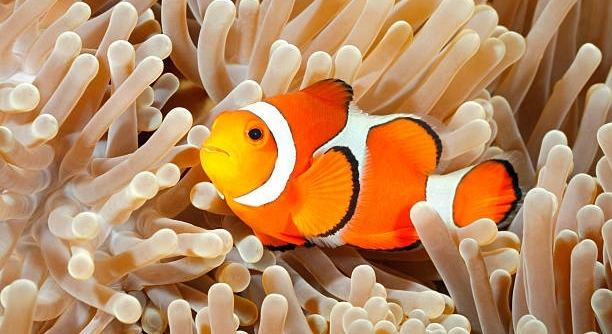
Many people who keep clownfish as pets often wonder about their sleeping habits. These colorful fish live in busy coral reefs and seem active most of the day. Understanding where clownfish rest at night can help hobbyists care for them better.
Clownfish generally sleep in or near their host anemones, often returning to the same spot each night. This behavior offers protection from predators and maintains their strong relationship with the anemone. Their resting locations tend to be consistent and secure.
Knowing where clownfish choose to rest gives insight into their natural behavior and helps improve their care in home aquariums. The following details explain more about their sleep habits and environment.
Where Do Clownfish Usually Sleep?
Clownfish usually sleep close to their host anemones. These anemones provide a safe place where the fish can hide from predators during the night. The clownfish often tuck themselves inside the tentacles, which sting other animals but not the clownfish because of a special mucus on their skin. This protection allows them to rest without much worry. They tend to return to the same spot every night, showing a strong preference for a familiar and secure place. Sleeping near the anemone also helps clownfish stay close to their food source and maintain their territory. This behavior is natural and important for their survival in the wild. Even in an aquarium, clownfish will look for a similar sheltered spot to rest. Knowing this can help those who keep clownfish create a better environment that matches their natural habits and keeps them calm and healthy.
Clownfish prefer sleeping near their host anemones for safety and familiarity, returning to the same spot regularly.
Understanding their resting habits helps improve aquarium setups and supports clownfish well-being by replicating their natural environment.
How Clownfish Sleep
Clownfish do not sleep in the same way humans do, but they do have periods of rest. During these times, their activity slows down, and they become less responsive to their surroundings. They usually remain motionless or gently float near the anemone. Unlike mammals, clownfish don’t close their eyes to sleep, since they don’t have eyelids. Instead, their eyes stay open even when they rest, which helps them stay alert to any threats. The anemone’s protection is key, allowing them to stay safe without the need to fully shut down. This way of sleeping helps clownfish avoid danger while still getting the rest they need. Their rest periods mostly happen at night or when the aquarium lights are off, showing a clear daily rhythm.
During rest, clownfish reduce movement but keep their eyes open, relying on their anemone’s protection.
Their sleep style supports safety and alertness, which are essential in their natural reef environment and home tanks.
Sleeping Spots and Safety
Clownfish choose sleeping spots that offer the most safety. These spots are almost always inside or near their host anemones. The anemone’s stinging tentacles keep predators away, making it a perfect shelter.
Because clownfish rely on anemones for protection, they rarely sleep far from them. The relationship is mutual—the clownfish also protect the anemone from other fish. This close bond means clownfish feel secure enough to rest without hiding deeper in the reef. In aquariums, they usually pick a favorite spot close to decorations that remind them of anemones. Even if there is no real anemone, they seek places that feel sheltered and safe to rest. Understanding this helps hobbyists know where to place safe hiding spots to mimic their natural environment.
Even small changes in their habitat can affect where clownfish decide to sleep. Providing proper shelter can reduce stress and improve their health. Clownfish that feel safe will show more natural behavior and rest better.
Factors That Influence Clownfish Sleep
Light plays a major role in when and where clownfish rest. They tend to become less active as the light dims, signaling it is time to rest. In the wild, this change happens naturally with sunset.
In aquariums, a consistent day-night light cycle helps clownfish maintain healthy sleep patterns. Sudden changes in light or constant brightness can confuse them, leading to poor rest. Temperature also matters; cooler water during the night encourages rest, while warmer temperatures may keep them more active. Stress from predators or tankmates can also affect their ability to find a good sleeping spot. Creating a calm and stable environment ensures clownfish feel safe enough to rest properly each night.
Common Sleeping Behaviors
Clownfish often hover quietly near their anemone when resting. They stay still and reduce movement to conserve energy.
Occasionally, they may move slightly but usually return to the same resting spot. This habit helps them stay safe and comfortable throughout the night.
Impact of Aquarium Setup on Sleep
The aquarium setup greatly influences where and how clownfish sleep. Proper hiding spots, gentle water flow, and a consistent light cycle help them rest well. Without these, clownfish may become stressed and restless. Ensuring an environment similar to their natural habitat promotes healthy sleep patterns and overall well-being.
Signs of Poor Sleep
Clownfish that do not rest properly may appear sluggish or overly active at night. This can indicate stress or an unsuitable environment.
FAQ
Do clownfish really sleep, even though their eyes stay open?
Clownfish do sleep, but not like humans. Their eyes remain open because they don’t have eyelids. Instead, they enter a restful state where their body slows down and they reduce movement. This rest helps them recharge while staying alert to any sudden threats nearby. Their close relationship with the anemone provides protection during this vulnerable time.
How can I tell if my clownfish is sleeping?
You can tell by their behavior. When resting, clownfish usually hover calmly near or inside their anemone, moving very little. They won’t swim actively or chase other fish. They look peaceful but still aware of their surroundings. If they are floating quietly in one spot, it’s likely they are resting.
Do clownfish sleep in groups or alone?
Clownfish often sleep near each other, especially if they share the same anemone. They don’t form tight sleeping groups like mammals but feel safer when other clownfish are nearby. This closeness also helps maintain their social bonds and protects the territory around their anemone.
Can clownfish sleep anywhere in the tank?
Clownfish prefer to sleep close to their host anemone or a similar safe hiding spot. They avoid open areas where they are vulnerable to predators. In tanks without real anemones, they seek decorations or plants that offer shelter. Providing such spaces helps them feel secure and rest well.
What happens if a clownfish can’t find a good place to sleep?
Without a safe spot, clownfish may become stressed and restless. They might swim constantly or hide in unusual places, which can affect their health over time. Stress lowers their immune system and can lead to illness. Creating a comfortable environment with proper hiding places is key to their well-being.
Do clownfish have a sleep schedule?
Yes, clownfish follow a daily rhythm tied to light and dark cycles. They rest mostly at night when it’s darker, similar to many other fish species. In aquariums, a consistent lighting schedule helps them keep a healthy sleep pattern, ensuring they get enough rest.
Is it normal for clownfish to change their sleeping spot sometimes?
Occasionally, clownfish may switch their sleeping spot if their usual place becomes uncomfortable or unsafe. Changes in the tank, such as new tankmates or rearranged decorations, can cause this. However, they tend to return to familiar spots once conditions improve.
Do clownfish sleep deeper than other fish?
Clownfish rest similarly to many reef fish, with light sleep periods rather than deep sleep like mammals. Their need to stay alert for predators means they don’t fully “shut down.” The protection from their anemone allows them to rest safely without deep unconsciousness.
Can a clownfish’s sleeping habits indicate health problems?
Yes, unusual sleep behavior can be a sign of illness or stress. If a clownfish stops resting, floats erratically, or hides too much, it could be sick. Poor water quality, incorrect temperature, or bullying by other fish may cause these changes. Monitoring sleep habits helps spot health issues early.
How important is the host anemone for clownfish sleep?
The anemone is very important because it provides protection from predators during rest. It offers a secure environment where clownfish can feel safe enough to slow down and sleep. Without a host anemone or a similar shelter, clownfish may struggle to rest properly and feel stressed.
Do clownfish need darkness to sleep?
Darkness or dim light signals clownfish to rest. In natural settings, sunset triggers their sleep cycle. In tanks, using a timer for lights ensures they experience day and night, helping maintain their natural rhythm. Constant light can interfere with their rest and cause stress.
What should I do if my clownfish seems restless at night?
Check the tank conditions first: water temperature, quality, and light schedule. Make sure there are enough hiding spots near the anemone or decorations. Observe tankmates for aggressive behavior. Adjusting these factors usually helps clownfish feel secure and sleep better.
Can clownfish sleep without an anemone?
While clownfish prefer anemones, they can adapt to other safe hiding spots in a tank without one. Artificial shelters, caves, or plants can offer similar protection. Providing these alternatives is important to mimic their natural environment and promote healthy rest.
How long do clownfish sleep each night?
Clownfish don’t have a fixed sleep duration like humans. Their rest is broken into quiet periods mostly at night. They may rest for several hours but stay alert enough to respond to danger. The length of sleep depends on the environment and how safe they feel.
Do clownfish sleep more in captivity or in the wild?
Sleep patterns are similar, but captive clownfish may sleep more if their environment is calm and safe. Stress or poor conditions can reduce sleep quality. Providing a stable and natural-feeling habitat encourages normal rest behavior.
Can I improve my clownfish’s sleep environment?
Yes, creating a tank setup that includes a host anemone or similar hiding spots, stable water conditions, and a consistent light cycle helps clownfish sleep better. Avoid sudden changes and reduce stressors to keep their sleep natural and healthy.
Clownfish have unique sleeping habits that reflect their life in the ocean. They don’t close their eyes like humans, but they do enter a restful state where their body slows down and their movements lessen. This helps them save energy and stay alert for any dangers. Their close relationship with host anemones plays a big role in where and how they sleep. The anemone provides a safe shelter with its stinging tentacles that keep predators away. Because of this protection, clownfish feel secure enough to rest near or inside the anemone. This behavior is natural and important for their survival in the wild.
In home aquariums, it is important to recreate conditions similar to their natural habitat. Providing a real or artificial anemone, or a safe hiding spot, helps clownfish find a comfortable place to rest. Lighting also plays a key role. Clownfish follow a day-night cycle, resting mostly when the light dims or goes off. Consistent lighting helps them keep healthy sleep patterns. Water temperature and calm surroundings also contribute to better rest. When clownfish feel safe and comfortable, they show more natural behaviors and enjoy better health. Understanding these simple needs can improve the quality of life for clownfish kept in tanks.
Observing clownfish sleep habits can also give clues about their well-being. If a clownfish is restless, hiding too much, or acting unusual at night, it could be a sign of stress or illness. Providing proper care, such as stable water quality, appropriate tankmates, and hiding places, helps reduce these issues. Knowing how clownfish sleep and where they prefer to rest makes it easier to create a peaceful environment for them. This not only helps the fish sleep well but also supports their overall happiness and longevity. Taking care of their sleep needs is an important part of responsible fish keeping.

Hello,
If you enjoy the content that we create, please consider saying a "Thank You!" by leaving a tip.
Every little bit helps us continue crafting quality advice that supports the health, happiness, and well-being of pets around the world, for pets of all shapes, sizes, and species.
We really appreciate the kindness and support that you show us!