
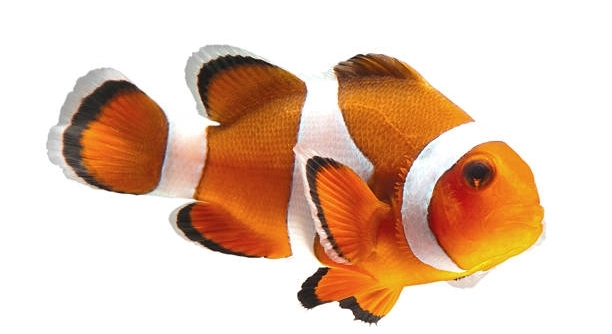
Do you ever wonder how clownfish rest in their busy coral homes? These colorful fish live in vibrant reefs where many creatures stay active day and night. Their sleeping habits can seem quite different from what we expect.
Clownfish do not sleep in shifts like some animals. Instead, they have quiet periods of rest that are synchronized rather than staggered. This resting behavior helps them stay alert to danger while maintaining social bonds within their group.
Learning about clownfish sleep reveals interesting details about their behavior and survival. Understanding these patterns helps us appreciate the complexity of reef life.
How Clownfish Rest in Coral Reefs
Clownfish live in busy coral reef environments filled with many other animals. During the day, they swim actively around their anemone homes, searching for food and keeping an eye on threats. When it’s time to rest, clownfish don’t close their eyes like humans do. Instead, they enter a state of reduced activity where their movements slow down and their metabolism decreases. This resting state usually happens during the night or in dim light conditions. Clownfish rely on their anemones for protection while they rest, staying close to the stinging tentacles that keep predators away. Their bright colors might seem risky, but the anemone’s protection allows them to relax safely. Even during rest, clownfish stay alert to sudden changes, quickly reacting if danger appears. This balance between rest and vigilance helps them survive in their complex reef homes.
Clownfish rest mostly at night but remain ready to react quickly to threats.
Understanding how clownfish rest helps us see how their behavior supports their survival and safety in a busy reef environment.
Why Clownfish Do Not Sleep in Shifts
Clownfish live in small groups and share their anemone home closely. Unlike some animals that sleep in shifts to keep watch, clownfish tend to rest at the same time. This synchronized rest helps keep the group safe because they rely on the anemone’s defense rather than on taking turns watching for danger. Sleeping together also strengthens their social bonds, which are important for maintaining their territory and hierarchy. If one clownfish gets disturbed or senses danger, it quickly alerts the others. The group then wakes up and prepares to defend or escape. Sleeping in shifts would not be very useful for clownfish because their main protection comes from their anemone and their quick reactions. Staying together during rest means they can better protect their home and each other from threats.
Clownfish Sleep Patterns
Clownfish show periods of rest mostly during the night when light levels drop. Their activity slows, but they don’t become completely motionless.
During rest, clownfish remain close to their anemone, using it as shelter. Their fins may move gently to keep balance, but overall, they conserve energy. This pattern helps them avoid predators while staying ready to swim if needed.
They don’t have deep sleep like mammals, but rather light rest phases. This allows them to quickly wake up and respond to threats or changes in their environment. Their rest is more like a pause than full sleep.
How Environment Affects Clownfish Rest
Light and safety influence when clownfish rest. Bright daylight keeps them active, while low light signals rest time.
If the anemone or surrounding reef becomes unsafe, clownfish may shorten their rest or stay alert longer. Changes in water temperature and currents can also affect their rest cycles. When conditions are stable, their rest is longer and more consistent. This shows how their environment plays a major role in their daily behavior. Clownfish rely heavily on safe shelter to feel secure enough to rest without constant worry.
The Role of Anemones in Clownfish Rest
Anemones provide essential protection for clownfish while they rest. Their stinging tentacles keep predators at bay.
Clownfish form a symbiotic relationship with anemones, gaining shelter and safety. This secure environment allows them to rest more peacefully than they could elsewhere.
Clownfish Behavior During Rest
Even when resting, clownfish stay alert to sudden movements or threats. They can quickly dart away if danger approaches. This light rest state keeps them prepared without wasting energy.
Differences in Sleep Among Clownfish Species
Different clownfish species may show slight variations in rest habits. Some stay closer to their anemones, while others move a bit farther during rest.
These differences depend on species’ size, habitat, and predator presence. Understanding these habits helps us learn more about their adaptation to reef life.
FAQ
Do clownfish close their eyes when they sleep?
Clownfish do not have eyelids like humans, so they cannot fully close their eyes. Instead, when they rest, their eyes remain open but they reduce their movement and become less responsive. This helps them stay aware of any threats even while resting.
How long do clownfish rest at a time?
Clownfish typically rest during the night or in low-light conditions. Their rest periods can last several hours but are often broken up by brief moments of alertness or small movements. They don’t experience deep, continuous sleep like mammals.
Do clownfish sleep alone or in groups?
Clownfish usually rest together within their anemone home. Staying close provides safety and strengthens social bonds. If one fish senses danger, it can alert the others quickly. Group resting supports their protection more than resting alone.
Can clownfish rest without an anemone?
Anemones offer clownfish important protection from predators while they rest. Without anemones, clownfish become more vulnerable and tend to be more restless. They can rest without anemones but usually do so less comfortably and for shorter periods.
Are clownfish more active during the day or night?
Clownfish are mostly active during the day when they feed and swim around their territory. At night, their activity decreases significantly as they enter rest phases. This daily cycle helps conserve energy and avoid nighttime predators.
Do clownfish have a sleep cycle like humans?
Clownfish do not have a sleep cycle like humans. Their rest is lighter and more fragmented, allowing them to stay alert to their surroundings. Their rest periods are controlled mostly by light levels and safety rather than internal rhythms.
What happens if clownfish don’t get enough rest?
Lack of rest can cause clownfish to become stressed and less able to respond quickly to threats. Stress can affect their health, making them more prone to disease. Adequate rest within a safe environment is important for their well-being.
How do clownfish react to danger during rest?
If danger approaches while clownfish are resting, they quickly become alert and swim away to hide in their anemone or nearby reef crevices. Their light rest state allows them to respond swiftly without fully waking up slowly.
Do all clownfish species have the same resting habits?
While all clownfish share basic resting behaviors, some species rest closer to their anemone, while others might explore nearby areas more during rest. These variations depend on the species’ size, habitat, and predator pressure.
Can clownfish sleep during the day?
Clownfish generally rest at night, but in very dark or shaded environments, they might also rest during the day. Their rest is triggered mainly by light levels, so dim conditions can prompt rest outside typical night hours.
How important is the anemone’s health to clownfish rest?
The health of the anemone directly affects clownfish rest quality. A healthy anemone offers better protection and comfort, allowing clownfish to rest safely. If the anemone is stressed or damaged, clownfish may become more restless or leave the area.
Do clownfish produce any sounds or signals during rest?
Clownfish are mostly quiet during rest. However, they might produce soft movements or gestures to communicate with each other if disturbed. These subtle signals help maintain group awareness without fully waking.
Can clownfish rest in captivity the same way as in the wild?
Clownfish in captivity can rest similarly to those in the wild if provided with a safe environment, proper lighting, and shelter like anemones or substitutes. Stressful or bright tank conditions can interfere with their rest cycles.
Is it normal for clownfish to change their resting spots?
Clownfish may shift their resting spots occasionally, especially if their usual shelter becomes crowded or less safe. These moves are normal and part of their way to find the best protection and comfort within their territory.
Clownfish have unique resting habits that help them survive in their busy reef environment. Unlike mammals, they do not experience deep sleep but instead enter lighter rest phases that allow them to stay alert. This behavior is important because clownfish live in areas with many predators and need to react quickly to stay safe. Their rest often happens at night or in low light, when they slow down and reduce activity, but they never fully lose awareness of their surroundings. This kind of rest balances the need for recovery with the need for protection.
Anemones play a crucial role in clownfish rest. The close relationship between clownfish and their anemone homes gives them safety from predators during these vulnerable times. The stinging tentacles of the anemone act as a shield, allowing clownfish to relax more than they could elsewhere. Because clownfish rely so much on this protection, they tend to rest together within the same anemone. Group resting strengthens their social bonds and helps the entire group stay safe. If one fish senses danger, it quickly alerts the others, which makes the whole group more responsive.
Understanding how clownfish rest sheds light on the ways they adapt to their environment. Their rest is shaped by factors like light, safety, and the presence of their anemone shelter. Even though they don’t sleep in shifts, their synchronized rest times and alertness help them live in a challenging habitat. Learning about these habits reminds us that rest looks different for many creatures and is always connected to survival needs. Clownfish resting behavior is a good example of how animals find ways to stay safe while still getting the rest they need.

Hello,
If you enjoy the content that we create, please consider saying a "Thank You!" by leaving a tip.
Every little bit helps us continue crafting quality advice that supports the health, happiness, and well-being of pets around the world, for pets of all shapes, sizes, and species.
We really appreciate the kindness and support that you show us!