
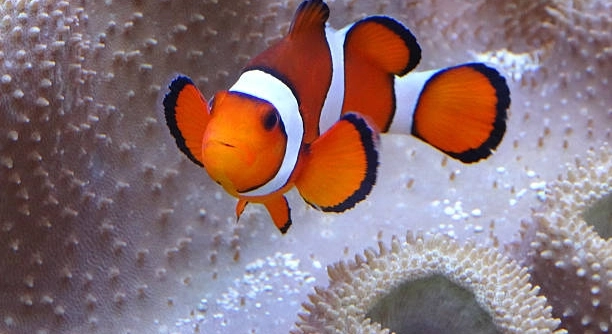
Have you ever watched a clownfish swimming in an aquarium and wondered if it knows the reflection it sees is itself?
Clownfish do not recognize their own reflection. Instead, they typically respond to it as if it were another fish. This behavior suggests a lack of self-awareness, a trait more commonly found in higher-level animals such as primates and dolphins.
While this behavior might seem simple, it plays a big role in how clownfish interact with their environment and each other.
What the Reflection Means to a Clownfish
Clownfish rely heavily on visual cues to recognize their surroundings and other fish. When they see their own reflection in a glass wall or mirror, they often respond with territorial or aggressive behaviors. This shows that they likely believe the reflection is another clownfish entering their space. In the wild, clownfish are known to defend their sea anemone homes from intruders. So, reacting to their reflection makes sense in this context. Unlike animals that pass the mirror test, such as elephants or some birds, clownfish don’t show signs of self-recognition. They don’t use the reflection to examine themselves or adjust their behavior based on what they see. Instead, they either ignore it after a while or continue treating it like an unfamiliar fish. These responses help researchers understand more about how clownfish perceive their environment and the level of awareness they have about their own identity.
Some clownfish may even try to “charge” or follow the reflection, showing how real the image seems to them.
Repeated exposure to their reflection doesn’t usually change their behavior much. Even after days, they may still treat it as a stranger. This suggests that clownfish don’t develop recognition or memory of the image over time. Instead, they stick to instinct.
How Scientists Study Clownfish Behavior
Researchers use controlled environments to observe how clownfish react to different visual stimuli, including mirrors or transparent dividers.
In these studies, scientists place a mirror or reflective surface near a clownfish’s tank and watch how it responds. Often, the clownfish will approach the reflection cautiously at first, then display patterns like fin flaring, rapid swimming, or trying to chase the “intruder.” Some may return again and again, showing signs of territorial defense. Scientists then compare this behavior to how clownfish react to actual unfamiliar fish placed in nearby tanks. The responses are very similar. This helps confirm that clownfish interpret the reflection as another fish rather than recognizing it as themselves. Over time, if the fish begins to ignore the reflection, researchers may test different lighting or angles to see if that changes the behavior. These experiments help map out not just the limits of clownfish self-awareness, but also how they rely on vision, memory, and environmental familiarity to interact with their surroundings.
Why Reflection Triggers a Reaction
The reflection of a clownfish looks and moves exactly like a real one, which is enough to spark a reaction. The clownfish doesn’t know it’s looking at itself—it sees what it thinks is another fish in its space.
This reaction ties back to how clownfish behave in the wild. They form close bonds with their host anemones and protect that space from outsiders. When a reflection appears, it triggers the same response they would have toward a rival. Their instincts tell them to guard their territory, even if the “intruder” never fights back. This can cause repeated, even obsessive, behavior toward the reflection. In some cases, if the reflection is constant, clownfish can become stressed. Researchers often take note of how long the reaction lasts and how aggressive the response becomes over time. These observations give useful clues about how clownfish understand and respond to their surroundings.
Clownfish don’t rely on memory when it comes to reflections. Even after days of seeing the same image, they won’t adjust their behavior much. This tells researchers that clownfish might not link past experiences to current behavior in a strong way. Instead, they react in the moment. Their behavior repeats, not because they forget, but because their response is based on instinct, not learning. This differs from animals that can learn through experience or form stronger recognition patterns. While clownfish are bright and social, their thinking process is more about survival than reflection. So when a reflection mimics movement or posture, it’s treated as something real every time.
The Role of Environment and Context
The tank setup and lighting can influence how clownfish react to reflections. If the glass is more reflective due to lighting angles, a clownfish might become more fixated. In dimmer settings, they may ignore it completely.
A calm tank with proper hiding places and balanced lighting usually reduces the chance of a clownfish reacting strongly to its reflection. But in tanks with too much open space or reflective surfaces, the fish might feel exposed and defensive. That reaction can lead to pacing, sudden movements, or even long staring sessions. When researchers want to test behavior under more natural conditions, they often simulate reef-like settings with plants, corals, and structured lighting. This helps them see how environmental factors affect response levels. The more a tank feels like their natural home, the less aggressive and reactive the clownfish becomes. Environment doesn’t just shape behavior—it either calms their instincts or amplifies them.
Do All Clownfish React the Same Way?
Not every clownfish reacts to its reflection in the same way. Some may act more aggressively, while others seem uninterested. Factors like age, personality, and previous experiences can affect how they respond.
More dominant clownfish usually show stronger reactions. Submissive ones may avoid the reflection or retreat altogether.
What This Tells Us About Clownfish Intelligence
Clownfish show basic social awareness and strong territorial instincts, but they do not show signs of self-recognition. Their reactions to reflections are more about defending space than understanding identity. This places them below species that pass the mirror test. Still, clownfish display patterns of learning, especially in social groups. They know who is dominant and follow a strict order. When the dominant fish is removed, the next in line steps up. This shows a level of structured behavior that supports survival in a reef. So while they may not recognize themselves in a mirror, they still show clever ways of adapting to their environment.
Why It Matters for Fish Owners
Knowing how clownfish respond to reflections helps create healthier tank setups. Reducing reflective surfaces can lower stress and improve their behavior.
FAQ
Do clownfish get stressed by their reflection?
Yes, clownfish can become stressed if they constantly see their reflection and treat it as an intruder. This reaction can lead to repeated defensive behaviors like flaring fins, pacing, or striking the glass. If the reflection remains, they may never fully relax, especially in small or poorly arranged tanks. Over time, this stress can affect their appetite, energy, and even their overall health. It’s important to adjust lighting or tank placement to reduce mirror-like surfaces. A calm environment helps them feel safe and lowers the chance of stress-related behavior repeating day after day.
Can clownfish learn to ignore their reflection?
Most clownfish do not seem to learn to ignore their reflection completely. Even after repeated exposure, many will continue reacting to it as if it’s another fish. Some may reduce their response slightly, especially if they grow used to its presence, but they generally don’t show long-term recognition. This suggests that clownfish do not associate the reflection with something harmless or familiar. Instead, their behavior stays instinct-based. If the reflection looks like a threat, they’ll likely keep responding the same way. Adjusting the tank setup is usually the best way to help them move on from the distraction.
Is the mirror test used on clownfish?
Yes, researchers sometimes apply the mirror test to clownfish, though it’s more commonly used with mammals or birds. The mirror test checks for self-recognition—if an animal understands the image is of itself. Clownfish don’t pass this test. They react to the reflection as if it’s another fish, not a mirror image. This behavior shows a lack of self-awareness by scientific standards. However, their strong social and territorial behavior still gives researchers important information. While clownfish don’t recognize themselves, their reaction tells us how they see other fish and what they perceive as threats or rivals.
Does tank lighting affect how clownfish see their reflection?
Yes, lighting plays a big role in how visible reflections are in an aquarium. Bright light or light from certain angles can make the glass act like a mirror. If a clownfish sees its reflection too clearly, it may become more reactive or aggressive. Dimmer or diffused lighting tends to reduce this effect. That’s why fish owners often adjust lighting or add decorations to block reflections. The way light hits the tank can either calm the fish or cause constant tension. Understanding this can help prevent stress and keep clownfish behavior more balanced.
Do all fish react to reflections the same way?
No, different fish respond to reflections in different ways. Some species show curiosity, some ignore it, and others, like clownfish, respond with aggression. These responses depend on species, environment, and individual traits. Territorial fish are more likely to react strongly to their reflection. Social fish might show interest without aggression. Fish that live in schools may not care about reflections much at all. For clownfish, which are highly protective of their space, a reflection feels like an invader. That’s why their response is usually more intense than other types of fish.
Can a clownfish hurt itself while reacting to a reflection?
It’s rare, but a clownfish can injure itself if it reacts too aggressively. Some may strike the glass repeatedly or swim frantically, which could lead to scrapes or exhaustion. While these injuries are usually minor, long-term stress can weaken the fish and make it more prone to illness. Keeping the tank calm and well-structured helps prevent this. If a clownfish is showing signs of constant stress or aggression, covering part of the tank or changing the lighting can make a big difference. Preventing reflective surfaces is key for keeping your clownfish healthy and comfortable.
Is ignoring the reflection a sign of intelligence in clownfish?
Not really. If a clownfish stops reacting to its reflection, it doesn’t necessarily mean it understands what it is. It could simply be losing interest or conserving energy. Some clownfish stop responding after realizing the image never goes away or never fights back. But they don’t change behavior in a way that suggests they understand it’s themselves. Intelligence in clownfish shows more clearly in social behavior—like knowing who’s in charge, following feeding patterns, or finding shelter. These actions are linked to survival, not self-recognition.
Can adding tank mates help reduce reaction to reflections?
Not always. Adding tank mates can sometimes distract clownfish from their reflection, especially if they form a bond or focus attention elsewhere. However, if the tank is too small or the new fish are not compatible, it could increase stress instead. Some clownfish may become more territorial with added company. If they feel their space is being shared or invaded, they might become even more reactive. It’s better to fix lighting and reflections first before adding new fish. A peaceful tank setup helps more than simply adding more fish.
Final Thoughts
Clownfish are colorful and curious, but their reaction to their reflection is mostly based on instinct. When they see a mirror image, they usually treat it like another fish. This leads to defensive or territorial behavior, especially in tanks where reflections are clear and constant. Unlike animals that pass the mirror test, clownfish do not recognize the image as themselves. Instead, they react in the moment and repeat the same behavior over time. These reactions tell us more about how clownfish understand their space and protect it, not about deep thinking or self-awareness.
Their environment plays a big role in how they behave. A peaceful, well-planned tank with dim lighting and solid decorations can help reduce unnecessary stress. When reflections are minimized, clownfish are more relaxed and show their natural behavior. They become more focused on their surroundings, their host anemone (or tank equivalent), and their interactions with tank mates. On the other hand, tanks with too much open glass and strong light can confuse or upset them. By observing these small signs, fish owners can make better choices and give their clownfish a healthier, calmer home.
While clownfish may not recognize their own reflection, that doesn’t make them any less interesting. They still show complex behavior when it comes to social order, territory, and interaction with other fish. These patterns offer valuable insight into how they survive and adapt in both wild and captive settings. Understanding these behaviors helps scientists learn more about fish intelligence and helps tank owners create better setups. Even if clownfish can’t identify themselves in a mirror, they still show a smart way of living that works for them. Recognizing and respecting that instinct is an important part of caring for them properly.

Hello,
If you enjoy the content that we create, please consider saying a "Thank You!" by leaving a tip.
Every little bit helps us continue crafting quality advice that supports the health, happiness, and well-being of pets around the world, for pets of all shapes, sizes, and species.
We really appreciate the kindness and support that you show us!