
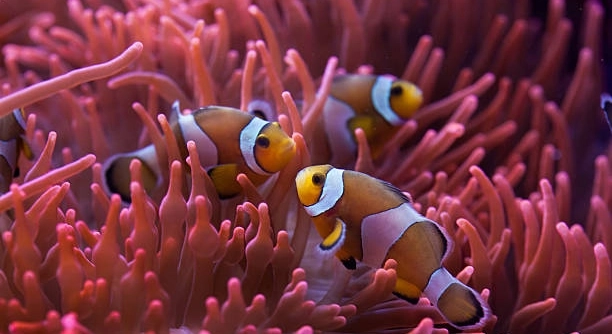
Clownfish are popular in home aquariums and the wild for their bright colors and unique behavior. Their interactions with their environment often spark interest in how they perceive the world around them. Recognizing reflections is one such intriguing topic.
Clownfish do not seem to recognize themselves in reflections as humans do. Studies show they may respond to their reflection as if it were another fish, often displaying territorial or social behaviors rather than self-awareness.
This article will explore how clownfish react to mirrors and what these behaviors tell us about their cognitive abilities. Understanding these responses helps us learn more about fish behavior in general.
How Clownfish React to Their Reflections
Clownfish often respond to their reflections by acting as if they see another fish nearby. When a mirror is placed in their tank, they may display behaviors like chasing, flaring fins, or aggressive posturing. This reaction is common in many fish species and is usually linked to territorial instincts. Clownfish use visual cues to identify rivals or potential mates, so a reflection can confuse them into thinking it is a competitor. However, they do not show signs of recognizing the reflection as themselves. This suggests that their cognitive abilities focus more on social interactions than self-awareness. Understanding this behavior helps in managing aquarium environments better and reduces stress for the fish. It also informs researchers about how fish brains process visual information and social cues, offering insight into animal behavior beyond mammals.
Clownfish responses to reflections mainly indicate territorial behavior, not self-recognition.
Knowing this can improve how we care for clownfish and interpret their interactions with tank elements.
The Science Behind Fish Self-Recognition
Self-recognition tests often involve mirrors to see if an animal understands the reflection is itself. Few fish have passed such tests, with some species like cleaner wrasses showing signs of self-awareness. Clownfish, however, do not exhibit these behaviors. Their reactions are typically aggressive or investigative rather than curious or introspective. Scientists believe this is because clownfish rely more on chemical and social signals than visual self-recognition. The brain structures that support self-awareness in mammals are different and less developed in fish. While clownfish are intelligent in their ways, their cognitive skills seem more adapted for survival within social groups and environmental navigation. This difference does not make them less interesting but highlights how varied animal intelligence can be across species and habitats. Understanding these distinctions improves how we observe and interpret animal behaviors in natural and controlled settings.
Reflection Tests in Aquatic Animals
Reflection tests are used to assess self-awareness in various species. Fish are often tested by placing mirrors in their environment to observe reactions. These tests help distinguish between recognizing a reflection as another animal or as themselves.
Many fish react aggressively to their reflection, showing territorial behavior rather than self-recognition. Some species, like cleaner wrasses, show signs of recognizing themselves. This ability is rare among fish and indicates a higher level of cognitive function. Clownfish, by contrast, typically do not pass these tests. They respond to reflections mainly as if confronting a rival fish, without signs of self-awareness. Their reactions are consistent with instinctual behavior rather than thoughtful recognition.
The difference in response between fish species helps scientists understand varying cognitive abilities. It shows that self-awareness is not common in fish and is linked to brain complexity. Reflection tests provide insight but are only one way to measure intelligence in aquatic animals.
What This Means for Clownfish Care
Knowing clownfish do not recognize themselves in mirrors helps improve aquarium setups. Avoid placing mirrors or reflective surfaces where they live, as this can cause unnecessary stress and aggressive behavior. Stress impacts their health and can affect their lifespan.
Providing a calm environment with natural decor reduces confrontations with reflections. Instead, focus on enriching their habitat with plants, rocks, and hiding spots. These elements promote natural behavior and comfort. Being mindful of their reactions can help maintain a healthier and happier clownfish in captivity. Understanding their limits with reflections allows for better care practices that support their wellbeing.
Mirror Exposure Effects
Prolonged exposure to mirrors can increase stress levels in clownfish. They may spend more time showing aggression or attempting to interact with their reflection. This behavior can lead to fatigue and decreased immune function if the exposure is constant.
Reducing mirror exposure helps clownfish remain calm. Limiting reflective surfaces in their environment lowers stress and encourages natural behavior.
Comparing Clownfish to Other Species
Unlike clownfish, some fish like cleaner wrasses have demonstrated the ability to recognize their reflections. This self-recognition is linked to more complex brain functions and social behaviors. Clownfish primarily rely on social cues but lack this higher cognitive response.
Future Research Directions
Ongoing studies continue to explore how different fish perceive themselves and others. Advances in understanding fish cognition will help improve care and welfare for aquatic species.
FAQ
Do clownfish recognize themselves in mirrors?
Clownfish do not seem to recognize themselves when looking at mirrors. Instead of showing signs of self-awareness, they usually treat their reflection as another fish. This often leads to behaviors like aggression or curiosity, as they perceive the reflection as a potential rival or companion.
Why do clownfish attack their reflections?
Clownfish are territorial by nature. When they see their reflection, they often interpret it as an intruder in their space. This triggers aggressive behaviors, such as chasing or flaring fins. The reflection can cause stress if the fish cannot escape the perceived rival.
Can mirror exposure harm clownfish?
Yes, constant exposure to mirrors or reflective surfaces can stress clownfish. Prolonged stress may weaken their immune system, making them more susceptible to illness. It can also lead to exhaustion from repeated aggressive displays, which affects their overall health.
Are there any fish that recognize themselves in mirrors?
Some fish species, like cleaner wrasses, have shown signs of self-recognition in scientific studies. These fish can identify marks on their bodies in reflections, indicating a higher level of cognitive function. However, this ability is rare and not found in most fish, including clownfish.
How can I prevent stress in clownfish related to reflections?
Avoid placing mirrors or shiny objects inside or near the tank. Use natural decorations such as rocks and plants to create a comfortable environment. Providing hiding spots and reducing unnecessary visual stimuli helps keep clownfish calm and reduces aggression.
Do clownfish use other senses to recognize each other?
Yes, clownfish rely heavily on chemical signals and social behaviors to identify and interact with each other. Smell and touch play important roles in their social structure, which is why visual self-recognition is less critical for them.
What does the lack of self-recognition tell us about clownfish intelligence?
The absence of mirror self-recognition in clownfish suggests their cognitive abilities are adapted more toward survival and social interaction than self-awareness. This does not mean they are unintelligent but that their brain functions focus on different types of problem-solving.
Is it common for fish not to recognize themselves?
Yes, most fish species do not recognize themselves in mirrors. Self-awareness is a complex cognitive skill that appears in very few animals. Fish generally react to reflections based on instinctual responses rather than thoughtful recognition.
Can clownfish learn to recognize reflections over time?
There is no strong evidence that clownfish can learn to recognize reflections as themselves. Their reactions tend to remain consistent, focusing on social or territorial behavior rather than developing self-awareness.
How important is understanding clownfish behavior for aquarium owners?
Understanding how clownfish perceive their environment is essential for providing proper care. Knowing they react strongly to reflections helps prevent unnecessary stress and promotes a healthier living space for these fish.
What other behaviors show clownfish intelligence?
Clownfish show complex social behaviors, such as forming symbiotic relationships with sea anemones and establishing dominance hierarchies. These behaviors reflect their ability to adapt and interact with their environment in sophisticated ways.
Are there alternatives to mirrors for enrichment in clownfish tanks?
Yes, instead of mirrors, providing natural stimulation like varied tank decor, live plants, and interaction with compatible species can enrich the clownfish’s environment without causing stress related to reflections.
How do researchers study fish cognition without relying on mirrors?
Researchers use a variety of tests, including problem-solving tasks, social interaction observations, and response to changes in environment. These methods help reveal cognitive abilities without depending solely on mirror self-recognition.
Clownfish are fascinating creatures with unique behaviors that interest many aquarium keepers and marine biologists alike. Their response to reflections shows how their brains process the environment differently from humans. While they do not recognize themselves in mirrors, they react to reflections based on instincts like territorial defense. This behavior helps protect their space and maintain social order among other fish. Understanding these natural responses provides valuable insight into clownfish behavior and their cognitive abilities.
Knowing that clownfish treat their reflection as another fish rather than themselves has practical implications for their care. Constant exposure to mirrors or shiny surfaces can cause stress, leading to aggressive behavior and potential health problems. By minimizing reflective surfaces and creating a calm, natural environment with hiding places and plants, caretakers can help clownfish feel secure. This approach not only reduces stress but also promotes natural behavior, making life in captivity healthier and more comfortable for the fish.
The study of clownfish and their reactions to reflections is part of a larger effort to understand animal cognition and self-awareness. While self-recognition in mirrors is rare among fish, it reveals the variety of ways animals perceive their surroundings. Clownfish intelligence shows itself in other ways, such as social interactions and symbiotic relationships with sea anemones. These behaviors highlight their ability to adapt and thrive in their habitats. Learning about these differences enhances our appreciation for clownfish and helps us care for them better in both wild and aquarium settings.

Hello,
If you enjoy the content that we create, please consider saying a "Thank You!" by leaving a tip.
Every little bit helps us continue crafting quality advice that supports the health, happiness, and well-being of pets around the world, for pets of all shapes, sizes, and species.
We really appreciate the kindness and support that you show us!