
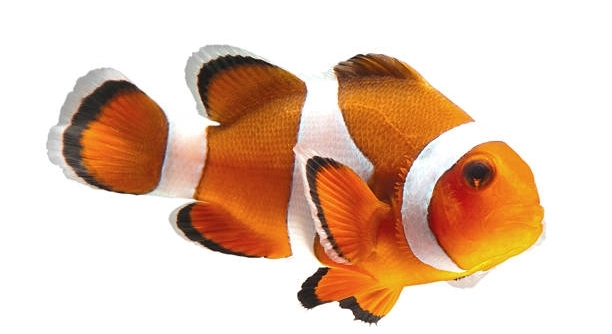
Clownfish are popular aquarium fish known for their bright colors and close relationship with sea anemones. Many aquarium owners watch their behavior closely, often wondering how these fish perceive their surroundings beyond the tank. Movement outside the tank can sometimes catch their attention.
Clownfish can recognize and respond to movement outside their tank. They use visual cues to detect changes in their environment, which may trigger curiosity or defensive behavior. This recognition helps them adapt to potential threats or changes nearby.
Understanding how clownfish react to outside movement provides insight into their behavior and welfare in captivity. This knowledge can help improve their care and environment for healthier fish.
How Clownfish Perceive Movement Outside the Tank
Clownfish have well-developed eyes that allow them to see their surroundings clearly. When movement occurs outside the tank, their vision picks up on changes such as shadows, shapes, and shifts in light. These visual cues often make them alert or curious. In some cases, sudden movements can stress them because they may perceive these as threats. Their natural habitat is filled with predators, so reacting quickly to movement is important for survival. Inside an aquarium, this instinct remains strong even though there are no real dangers nearby. Clownfish also use movement to recognize other fish or objects that might be entering their space. The tank glass does not block their ability to see outside; rather, it reflects light and movement, which they can interpret. This awareness is part of how they stay engaged with their environment and remain active.
Movement outside the tank can influence clownfish behavior by increasing alertness or causing minor stress responses.
These reactions show how sensitive clownfish are to their environment. While they do recognize motion, they cannot fully understand what causes it. This means caretakers should be mindful about sudden or excessive movement near the tank. Keeping the area calm helps reduce stress for the fish. Small movements such as a person walking by or adjusting the aquarium can catch their attention, but too much disturbance might lead to anxiety. Providing hiding places inside the tank can help clownfish feel secure when outside movement is unavoidable. Their ability to respond to movement reflects their natural instincts, which remain active even in captivity. Understanding this can help create a more comfortable setting for clownfish.
Factors Affecting Clownfish Reaction to Movement
Clownfish responses depend on factors like tank size, lighting, and the fish’s personality.
The environment inside and outside the tank shapes how clownfish respond to visual stimuli. Bright lighting may enhance their ability to detect movement, while dim conditions can reduce it. The size of the tank also plays a role, as smaller tanks offer less space to escape or hide. Individual fish differ in temperament; some are bolder and more curious, while others are shy and more easily stressed. The placement of the aquarium in a busy or quiet area will influence how often they encounter movement outside. Caretakers who understand these factors can adjust the setup to better suit their fish’s comfort. Reducing sudden or constant external movement and controlling light exposure helps maintain a calm environment. Observing each fish’s behavior over time is important to know what adjustments might be needed. This tailored approach supports the fish’s well-being and natural behavior.
Impact of External Movement on Clownfish Behavior
Movement outside the tank can cause clownfish to become more alert or sometimes stressed. Their reactions vary based on the intensity and frequency of the movement.
When movement happens nearby, clownfish may swim quickly or hide among plants or rocks. This is a natural response to what they might see as a potential threat. Sudden or constant movement can make them uneasy and affect their normal behavior. They may stop eating or become less active if they feel disturbed for long periods. However, gentle or infrequent movement usually causes only brief curiosity.
In a calm environment, clownfish tend to settle quickly after noticing outside movement. Stress signs reduce when they have places to retreat. Providing a stable setting minimizes the negative effects of outside disturbances. Keeping consistent lighting and avoiding sudden movements helps maintain their well-being.
How to Minimize Stress from Outside Movement
Placing the aquarium in a quiet, low-traffic area helps reduce external disturbances.
Controlling the surroundings of the tank is important to keep clownfish comfortable. Avoiding busy spots near doors, windows, or workspaces lowers the chance of frequent movement that may stress the fish. Using curtains or screens can reduce shadows and reflections that attract attention. Consistent lighting inside and outside the tank also helps maintain a stable environment. Adding hiding spots within the tank offers the fish places to feel safe when they sense outside activity. Watching their behavior regularly helps identify if changes to the environment are needed. These steps create a more peaceful space for clownfish, supporting their natural behavior and health.
Visual Sensitivity of Clownfish
Clownfish have sharp vision that helps them detect movement clearly. Their eyes are adapted to spot changes in light and shape quickly. This visual sensitivity is important for their survival in the wild and remains active in captivity.
They rely heavily on sight to interact with their environment. Even small movements outside the tank can catch their attention and trigger a response.
Role of Tank Environment on Clownfish Behavior
The tank setup influences how clownfish react to external stimuli. Decorations, plants, and hiding spots provide security, helping reduce stress from outside movement. A well-organized environment encourages natural behavior and keeps the fish comfortable. Adjusting the layout can improve their overall well-being.
Common Stress Signs in Clownfish
Clownfish show stress through changes in swimming, loss of appetite, or hiding excessively. Recognizing these signs helps caretakers take timely action to improve conditions.
Importance of Consistent Care
Maintaining a stable routine in feeding, cleaning, and lighting supports clownfish health and reduces anxiety caused by environmental changes.
FAQ
Do clownfish get stressed by people moving around the tank?
Yes, clownfish can become stressed by frequent or sudden movements outside their tank. They see these motions as possible threats, which can make them anxious. Stress may cause them to hide, swim erratically, or lose interest in food. Keeping a calm environment around the tank helps reduce this stress.
How can I tell if my clownfish is stressed?
Signs of stress include hiding more than usual, decreased appetite, rapid breathing, or swimming in an unusual pattern. You might also notice faded colors or lethargy. If you observe these behaviors, it’s important to check the tank conditions and reduce any outside disturbances.
Can clownfish recognize people?
Clownfish do not recognize people like pets do, but they can learn to associate certain movements or routines with feeding time. They may respond to familiar signals but do not form strong bonds or recognize individuals.
Does tank placement affect clownfish behavior?
Yes, where you place the tank affects how clownfish react to outside movement. A tank in a busy area with lots of foot traffic or bright lights can cause frequent stress. Placing the aquarium in a quieter spot with controlled lighting improves their comfort and reduces stress.
Will covering part of the tank help reduce clownfish stress?
Covering parts of the tank or using backgrounds can help block out sudden movements or reflections that bother clownfish. This creates a more secure environment by limiting what they see outside the tank. It’s a simple way to reduce stress, especially in busy rooms.
How important are hiding places inside the tank?
Hiding places are very important. They give clownfish safe spots to retreat when they feel threatened by outside movement or other fish. Plants, rocks, and decorations create natural shelters that help reduce stress and encourage natural behavior.
Can lighting changes outside the tank affect clownfish?
Yes, changes in light intensity or shadows outside the tank can catch a clownfish’s attention and cause stress. Keeping lighting consistent, both inside and outside the tank, helps maintain a stable environment and reduces anxiety.
Is it normal for clownfish to react to reflections on the glass?
Yes, clownfish often react to their own reflections or movements seen in the glass. They may mistake these for other fish or threats. This behavior is normal but can sometimes cause stress if reflections are frequent or sudden.
How often should I check on my clownfish’s behavior?
Regular observation is key. Checking daily for any changes in swimming, eating, or hiding habits helps catch stress or illness early. Being aware of their behavior allows timely adjustments to their environment for better care.
What should I do if my clownfish is stressed from outside movement?
First, reduce any frequent or sudden movements near the tank. Create hiding spots inside the tank and consider using tank covers or backgrounds. Maintain consistent lighting and place the tank in a quiet location. If stress continues, review water quality and feeding routines, as poor conditions can worsen their reaction to stress.
Clownfish are sensitive creatures that rely heavily on their vision to understand their environment. Movement outside the tank can catch their attention easily, triggering natural instincts that have helped them survive in the wild. While this awareness is normal, it can sometimes cause stress, especially if the movements are sudden or frequent. Recognizing how clownfish respond to outside movement helps aquarium owners provide a better environment for their fish. By minimizing disturbances and creating a calm space around the tank, the overall well-being of the clownfish improves.
Creating a stable environment is key to reducing stress in clownfish. This involves placing the aquarium in a quiet area, limiting sudden movements nearby, and controlling the lighting around the tank. Inside the tank, adding plants, rocks, and other hiding spots gives clownfish places to retreat when they feel threatened. These shelters help them feel secure and encourage natural behavior. Consistency in care, such as regular feeding and cleaning, also supports their health and reduces anxiety. Taking these simple steps shows respect for the fish’s natural needs and instincts.
Understanding the clownfish’s reactions to outside movement helps improve their quality of life in captivity. Stress can affect their appetite, activity, and overall health, so it is important to observe and respond to their behavior. With attention to tank placement, environment setup, and daily care, owners can create a peaceful habitat for their clownfish. This care leads to healthier, more active fish that display their vibrant colors and natural behaviors, making the aquarium a rewarding experience.

Hello,
If you enjoy the content that we create, please consider saying a "Thank You!" by leaving a tip.
Every little bit helps us continue crafting quality advice that supports the health, happiness, and well-being of pets around the world, for pets of all shapes, sizes, and species.
We really appreciate the kindness and support that you show us!