
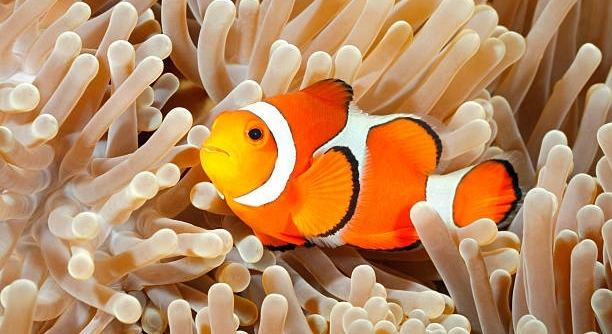
Many people enjoy keeping clownfish in their home aquariums and often wonder about their relationship with sea anemones. These small fish live closely with anemones in the wild, creating a unique bond. Understanding this connection can help aquarium owners care for them better.
Clownfish show a clear preference for real anemones over artificial ones. Real anemones provide essential protection and chemical cues that fake ones cannot replicate. This natural interaction supports the clownfish’s survival, behavior, and overall well-being in their environment.
Learning more about this relationship can improve how we care for clownfish and their habitats. The article will explore why real anemones matter and what this means for aquarium enthusiasts.
Why Clownfish Choose Real Anemones
Clownfish live in a special relationship with sea anemones that helps them survive in the ocean. Real anemones provide a safe place where clownfish can hide from predators. The anemone’s tentacles have stinging cells, but clownfish have a protective mucus that keeps them from getting hurt. This natural protection is something fake anemones cannot offer. Besides safety, real anemones release chemical signals that attract clownfish and help them feel secure. The clownfish also clean the anemone by eating dead tentacles and debris. This mutual care is important for both animals. When clownfish live with fake anemones, they miss out on these benefits. Without the real environment, clownfish may feel stressed or behave differently. This shows how real anemones are necessary for the clownfish’s health and natural habits. Keeping this in mind can help anyone provide better care for these fish.
Fake anemones lack the natural benefits that real anemones provide, which affects clownfish behavior and health.
Understanding the ways clownfish and real anemones depend on each other gives insight into their natural balance. Real anemones are alive and interact with the clownfish in a way that creates a safe and healthy environment. Fake ones can look similar but don’t offer this living connection. Clownfish may stay near fake anemones for shelter, but they do not get the full protection or signals they need. This difference can cause changes in how the fish act or grow. For example, clownfish with fake anemones might be more prone to stress or illness. Aquarium owners should consider this when setting up tanks, as real anemones support the natural behaviors and needs of clownfish. Using real anemones helps mimic the clownfish’s natural habitat, encouraging healthier and more active fish.
Caring for Clownfish with Real Anemones
Choosing real anemones for a clownfish tank requires more attention than fake ones.
Real anemones need specific care to survive in a tank. They require proper lighting, water flow, and clean water with stable temperature and salinity. These conditions are necessary because real anemones are living creatures that depend on their environment. They also need food, such as small bits of fish or plankton. Watching how clownfish interact with their anemone can help you know if both are healthy. While fake anemones are easier to maintain, they don’t support natural clownfish behavior. If you decide to keep real anemones, prepare to learn about their needs and provide proper care. This investment helps create a more natural and supportive environment for your clownfish, encouraging their well-being and natural interactions.
Challenges of Keeping Real Anemones
Real anemones require careful attention in a home aquarium. They need stable water conditions, proper lighting, and regular feeding. Without these, they can weaken or die quickly.
Anemones are sensitive to changes in water quality, including temperature, pH, and salinity. They depend on strong lighting because many have a symbiotic relationship with algae that provide nutrients through photosynthesis. If lighting is too weak or inconsistent, anemones can lose their color or shrink. Feeding real anemones involves offering small pieces of seafood or plankton to meet their dietary needs. Regular monitoring is important to catch any signs of stress early. Despite the extra care required, keeping real anemones helps maintain a more natural environment for clownfish.
Handling real anemones also means being prepared for occasional movement, as they can slowly change position in the tank. This requires planning the aquarium layout carefully to avoid harm to both the anemone and other tank inhabitants.
Benefits of Artificial Anemones
Artificial anemones are easy to maintain and require no feeding or special lighting. They provide a simple shelter option in a tank.
While fake anemones do not offer the biological benefits of real ones, they still provide hiding spots that clownfish may use. They do not require the strict water conditions or care that real anemones need, making them a convenient option for beginners or tanks where real anemones might not survive. Artificial anemones are durable, easy to clean, and can be replaced without much hassle. However, clownfish behavior with fake anemones can differ because the natural chemical signals and protection are missing. For some tank owners, fake anemones are a practical choice, especially when maintenance and cost are concerns, but they cannot fully replace the natural interaction clownfish have with live anemones.
How Clownfish Adapt to Their Environment
Clownfish rely heavily on their natural environment to thrive. Real anemones offer chemical signals and protection that are crucial to their survival. Without this, clownfish may show stress or unusual behavior.
Clownfish can sometimes use artificial anemones as shelter, but they do not receive the full benefits. Their natural instincts depend on the presence of living anemones, which fake ones cannot fully replace.
Signs of Stress in Clownfish
Stress in clownfish often shows through changes in color, appetite, or activity. They may hide more or act restless when their environment is not right.
Creating a Balanced Aquarium
Maintaining balance in the tank means paying attention to water quality, lighting, and the needs of both clownfish and anemones. Proper care ensures healthy interactions.
When to Choose Fake Anemones
Fake anemones can be a good option if maintaining real ones is too difficult. They provide shelter without the extra care needed.
FAQ
Do clownfish survive without anemones?
Clownfish can survive without anemones, but their health and behavior may be affected. In nature, clownfish rely on anemones for protection from predators. Without this shelter, they may feel more vulnerable and stressed. In an aquarium, clownfish without anemones might still live but often show less natural behavior and increased stress signs. Providing hiding spots or artificial anemones can help, but these do not fully replace the benefits of real anemones.
Can clownfish live with fake anemones?
Yes, clownfish can live with fake anemones, but this setup lacks the natural interaction real anemones provide. Fake anemones offer shelter but do not offer protection through stinging tentacles or release the chemical signals that clownfish respond to. Over time, clownfish may seem less active or stressed in tanks without real anemones. However, fake anemones are easier to maintain and can be a practical option for beginners or tanks that do not support live anemones.
How do I care for real anemones?
Caring for real anemones means keeping water conditions stable and clean. They need proper lighting to support the algae living inside them, which helps provide food through photosynthesis. The water temperature, pH, and salinity must be within a narrow range to keep anemones healthy. Feeding them small pieces of seafood or plankton a few times a week is also important. Regularly check for signs of stress like shrinking or discoloration and adjust tank conditions as needed.
What are the risks of keeping real anemones?
Real anemones can be sensitive and difficult to care for. They require steady water conditions and good lighting, and sudden changes can harm them. Anemones can sting other tank inhabitants if placed too close, causing damage or stress to other fish or coral. They also might move slowly around the tank, which can create challenges for tank setup. Without proper care, real anemones can weaken or die quickly, which affects clownfish relying on them.
Are fake anemones safe for clownfish?
Fake anemones are generally safe for clownfish and can provide a comfortable hiding place. Since they do not have stinging cells, clownfish won’t get hurt, and there is no risk of damage to other tank mates from stings. However, fake anemones don’t offer the same benefits as real ones, such as chemical cues and natural protection. This may lead to some behavioral changes or stress in clownfish over time.
Why do clownfish prefer real anemones?
Clownfish prefer real anemones because they provide natural protection and comfort. The stinging tentacles of real anemones keep predators away, while clownfish are immune due to a special mucus on their skin. Real anemones also give off chemical signals that attract clownfish and help them feel safe. This natural relationship supports the clownfish’s health and natural behavior, something that fake anemones cannot fully replace.
How can I tell if my clownfish is stressed?
Signs of stress in clownfish include changes in color, loss of appetite, hiding more than usual, or swimming erratically. They may also become less active or show rapid breathing. Stress can come from poor water quality, lack of proper shelter, or illness. Monitoring these signs regularly helps catch problems early and improve the fish’s environment before health worsens.
What should I do if my anemone dies?
If an anemone dies, remove it from the tank quickly to avoid water quality problems. Test water parameters to make sure conditions are stable and correct any issues. Consider whether lighting, feeding, or water flow might have been factors in its death. If you want to replace the anemone, make sure you’re ready for the care it requires to prevent the same problem from happening again.
Can clownfish live with other tank mates?
Clownfish can live with other fish, but tank mates should be chosen carefully. Some aggressive fish may harm clownfish or compete for territory. Real anemones can offer protection, but in tanks with fake anemones, clownfish might need more careful monitoring. Peaceful community fish and species that occupy different areas of the tank usually work best.
Is it expensive to keep real anemones?
Keeping real anemones can be more expensive than fake ones due to their special care needs. You may need higher quality lighting, better filtration, and regular feeding with suitable food. There can also be extra costs if water parameters require frequent testing and adjustments. The investment helps create a healthier and more natural environment for clownfish but requires commitment and attention.
Final Thoughts
Clownfish and anemones have a special connection that is important for the fish’s well-being. Real anemones provide safety and comfort that fake ones cannot fully replace. This relationship helps clownfish feel secure and behave naturally. While fake anemones offer a simple hiding place, they lack the living qualities that real anemones bring to a tank. For anyone caring for clownfish, understanding this difference is important to support the health of the fish.
Keeping real anemones comes with challenges. They need stable water conditions, strong lighting, and regular feeding to thrive. These requirements make them more demanding than fake anemones. However, the effort can be rewarding because real anemones help create a natural environment where clownfish can live and interact in ways closer to their life in the ocean. For those who want a low-maintenance tank, fake anemones are a practical choice, but they should know the fish might not show all their natural behaviors.
In the end, the choice between real and fake anemones depends on the level of care one can provide and what is best for the clownfish in the tank. Real anemones need more attention but support the fish’s natural instincts. Fake anemones are easier to keep but offer less in terms of health and behavior benefits. Knowing the needs of clownfish and anemones helps create a tank that is safe, comfortable, and healthy for both. This knowledge leads to better decisions and happier fish.

Hello,
If you enjoy the content that we create, please consider saying a "Thank You!" by leaving a tip.
Every little bit helps us continue crafting quality advice that supports the health, happiness, and well-being of pets around the world, for pets of all shapes, sizes, and species.
We really appreciate the kindness and support that you show us!