
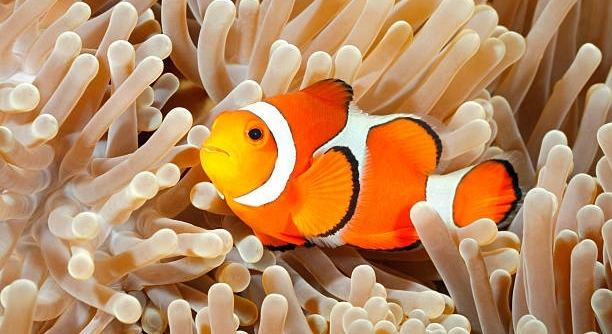
Clownfish are popular aquarium pets known for their bright colors and social behavior. Many people keep them in groups to mimic their natural environment. Observing their interactions can reveal interesting aspects of their behavior and emotional responses.
Clownfish do show changes in behavior after losing tankmates, such as reduced activity and social withdrawal. However, current research suggests these responses are more about stress and adjustment than true mourning or grief.
Understanding how clownfish react to loss can help hobbyists provide better care and improve tank conditions for these sensitive fish.
Understanding Clownfish Social Behavior
Clownfish are naturally social creatures that live in groups called colonies. Within these colonies, they form a strict hierarchy where a dominant female leads the group, followed by a dominant male and several smaller males. Their interactions include cleaning the host anemone and defending their territory. When a tankmate is removed or dies, the social balance shifts. Clownfish may become less active or hide more often as they adjust to the change. These behaviors do not necessarily mean they are grieving but reflect stress and confusion caused by the sudden loss. Over time, they often adapt by establishing a new hierarchy. This process shows how sensitive clownfish are to changes in their environment and companions.
Changes in tank conditions or the loss of familiar fish can impact clownfish behavior and health significantly.
Providing stable social groups and minimizing sudden changes helps clownfish maintain well-being and reduces stress in captivity.
Signs of Stress After Losing Tankmates
Clownfish often reduce movement and hide more when a tankmate disappears.
This behavior can also include less feeding and avoidance of social interactions. Stress signs are usually temporary but need attention to avoid health issues. Monitoring these changes can help you act quickly to support your fish’s recovery. Maintaining consistent water quality and environment stability also plays a key role in reducing stress.
Stress in clownfish results from disruption in their social environment and can affect their immune response. It is important to observe them carefully after any loss and provide a calm, secure habitat. Sometimes adding new compatible tankmates slowly helps them reestablish social bonds. Avoiding overcrowding and ensuring proper tank size supports natural behaviors. Recognizing these signs early allows you to intervene with appropriate care measures, such as water changes or adjusting lighting. Overall, understanding these stress responses helps keep clownfish healthier and more comfortable in home aquariums.
How Clownfish Form Bonds
Clownfish form bonds through consistent interaction and shared territory. These bonds help maintain the social order within the group.
They recognize their tankmates through visual and chemical cues. These familiar signals help reduce aggression and promote cooperation. When a tankmate disappears, the loss of these signals can cause confusion and stress. However, bonds are more about social structure than emotional attachment. Clownfish respond mainly to changes in their environment, adjusting behavior to restore balance rather than mourning in a human sense.
This social bonding is crucial for their survival in the wild, where cooperation with tankmates helps protect their anemone home and manage resources. In captivity, bonds influence behavior but do not necessarily indicate complex emotional responses like grief.
Factors Influencing Behavioral Changes
Behavioral changes in clownfish after losing a tankmate depend on the species, tank size, and social group composition.
Smaller tanks with limited hiding spots can increase stress and aggressive behavior after a loss. The presence of other compatible fish can help ease the transition by providing social stimulation. Some species are more tolerant of change, while others show stronger stress responses. Water quality and feeding routines also influence how well clownfish cope. Monitoring these factors helps ensure a stable environment that supports recovery and reduces negative behaviors. Adjusting conditions based on your fish’s responses is important to promote health and social harmony.
Supporting Clownfish After Loss
Providing a calm and stable environment helps clownfish recover after losing a tankmate. Avoid sudden changes to water or tank setup.
Offering plenty of hiding spots and maintaining regular feeding schedules also reduces stress. These small adjustments make a big difference in their comfort and recovery.
Reintroducing New Tankmates
Introduce new fish slowly to avoid overwhelming your clownfish. Quarantine new additions before placing them in the main tank. This prevents disease and allows gradual social adjustment. Patience is key to rebuilding social balance and helping your clownfish feel secure again.
When to Seek Help
If behavioral changes persist or worsen, consult an aquarium specialist. Persistent stress can lead to illness and poor health.
Getting expert advice ensures your clownfish get the proper care and environment they need to thrive in captivity.
FAQ
Do clownfish recognize when a tankmate is gone?
Clownfish do notice when a tankmate disappears. They rely on visual and chemical cues to recognize others in the tank. When a fish is suddenly missing, these cues stop, causing confusion and stress. However, this recognition is more about social structure than emotional attachment. They respond mainly by adjusting their behavior to the new situation, rather than showing signs of mourning like humans do.
How long does it take for clownfish to adjust after losing a tankmate?
Adjustment time varies depending on the individual fish, tank conditions, and social group. Some clownfish may settle into new routines within a few days, while others might take weeks. Factors such as tank size, presence of other fish, and water quality can speed up or slow down recovery. Providing stable conditions and minimizing stress helps them adapt more quickly.
Can clownfish get depressed?
While clownfish don’t experience depression as humans understand it, they do show stress-related behaviors when their environment changes suddenly. These can include reduced activity, hiding, and loss of appetite. Stress affects their health but is a response to external factors, not a complex emotional state like depression.
Is it better to keep clownfish in pairs or groups?
Clownfish are naturally social and do better with companions, but the group size depends on tank size and species. Keeping them in pairs is common and often more manageable. Larger groups can work if the tank is spacious and well-maintained, but overcrowding increases stress and aggression. Balancing group size with tank conditions is key to healthy social behavior.
What signs indicate that a clownfish is stressed?
Signs of stress include hiding more than usual, decreased appetite, lethargy, and unusual aggression or avoidance of other fish. Changes in color or rapid breathing can also be indicators. Noticing these signs early allows for quicker action to improve the fish’s environment and reduce stress.
How can I help a clownfish that lost a tankmate?
Maintain stable water conditions and avoid sudden changes in lighting or decorations. Provide hiding spots for security and keep feeding routines consistent. Introducing a compatible new tankmate gradually can also help restore social balance. Patience is important, as fish need time to adjust.
Do clownfish remember their lost tankmates?
Clownfish remember other fish through sensory cues, but this memory is short-term and linked to their social environment. They don’t have the emotional capacity for long-term mourning. Their reactions focus on adjusting to the absence, rather than missing the lost fish in an emotional way.
Can clownfish form bonds with other species?
Clownfish sometimes interact peacefully with other compatible species, especially if they share the same space. These interactions can resemble social bonds but are based mainly on tolerance and shared territory, not strong emotional connections. Careful selection of tankmates is necessary to avoid aggression.
Will a clownfish die from loneliness?
Loneliness alone is unlikely to cause death, but prolonged stress from isolation or loss of companions can weaken immune systems. This makes clownfish more vulnerable to disease. Ensuring proper social conditions and a healthy environment is crucial to their survival and well-being.
Are there signs of mourning in clownfish?
Current research does not support the idea that clownfish mourn. Changes in behavior after losing a tankmate reflect stress and disruption rather than grief. Their responses are instinctive adjustments to maintain social order and safety, not emotional mourning as seen in some mammals.
Clownfish are fascinating creatures that show clear reactions when their tankmates disappear. Their behavior changes mainly because of stress and confusion from the sudden change in their social group. These changes can include hiding more, eating less, or acting less active than usual. It is important to understand that these behaviors are not signs of mourning like humans experience but are natural ways for clownfish to adjust to their new environment. When a tankmate is lost, clownfish try to restore balance by finding a new social order within their group or adapting to being alone.
Taking care of clownfish after losing a tankmate means keeping their environment stable and comfortable. Avoid making sudden changes in the tank, such as switching water or rearranging decorations quickly. Providing plenty of hiding spots can help the fish feel safer while they recover from stress. Keeping a regular feeding schedule also supports their well-being. If you decide to introduce new tankmates, it should be done slowly and carefully, allowing time for all fish to get used to each other. This thoughtful care will help clownfish regain normal behavior and maintain good health.
While clownfish do not mourn in a human way, their social nature means they benefit from a peaceful and stable group environment. Observing their behavior after a loss can help you understand their needs better. By creating a calm and supportive habitat, you give them the best chance to thrive even after a difficult change. Knowing how clownfish respond to losing a tankmate encourages responsible fishkeeping and helps ensure these colorful fish live healthy, balanced lives in captivity.

Hello,
If you enjoy the content that we create, please consider saying a "Thank You!" by leaving a tip.
Every little bit helps us continue crafting quality advice that supports the health, happiness, and well-being of pets around the world, for pets of all shapes, sizes, and species.
We really appreciate the kindness and support that you show us!