
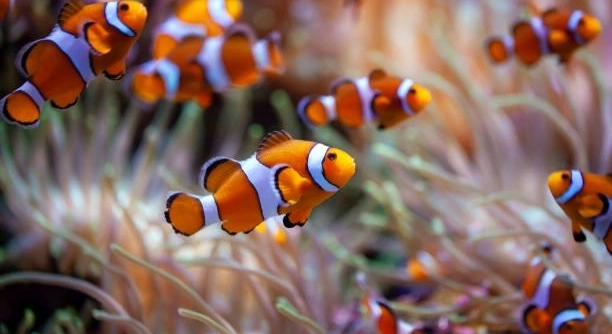
Do you ever wonder how clownfish react to different sounds or music in their environment? Many people find these colorful fish fascinating and want to know if noises affect their behavior. This article explores how clownfish respond to various auditory stimuli.
Clownfish show some sensitivity to sounds and vibrations, but they do not have ears like humans. They detect vibrations through their lateral line system, which helps them sense movement and changes in water pressure. Music may cause mild reactions but does not deeply influence them.
Learning how clownfish perceive sound can help improve their care and understanding in home aquariums. This insight opens up new ways to observe their behavior and interactions with their surroundings.
How Clownfish Hear and React to Sounds
Clownfish do not have external ears like humans, but they can still detect sounds in their environment. They use a special organ called the lateral line, which runs along their sides. This organ helps them sense vibrations and pressure changes in the water. These signals let the fish know when something is moving nearby or if the water conditions are changing. When sounds or music create vibrations in the water, clownfish can detect them, but the reaction is usually subtle. They might swim a little faster or change direction briefly. Loud or sudden noises could startle them, but gentle sounds tend not to affect their behavior much. Since clownfish live in coral reefs, where many natural sounds occur, their sensitivity to vibrations helps them stay safe. However, their response to human-made sounds like music is limited and not as strong as with natural underwater noises.
Clownfish mainly rely on their lateral line for detecting vibrations rather than actual sounds like humans do.
Understanding how clownfish sense their environment helps explain why music might not cause significant changes in their behavior. It also shows that while they respond to movement and pressure shifts, these responses are often mild. This knowledge can help aquarium owners avoid stressing their fish with loud noises or sudden sounds. It’s important to provide a calm environment where clownfish can feel secure, which supports their overall health and well-being.
Experiments on Clownfish and Music
Some simple tests have been done to see how clownfish react to music or different sounds. In these experiments, music with varying rhythms and volumes was played near their tanks. Most clownfish showed little interest or change in behavior during the music. Occasionally, they might swim closer to the sound source or move around more actively for a short time. This shows that while they notice the vibrations, the music itself does not strongly influence them.
Scientists suggest that clownfish react more to the vibrations and pressure changes caused by sound waves than the actual melody or rhythm. Their brains are not wired to process music like humans do. Instead, their responses are likely survival mechanisms to detect threats or movement in their environment. For aquarium owners, this means playing music near clownfish tanks won’t harm them but may not provide any special benefit either. Keeping the tank quiet or with gentle water sounds is probably best for their comfort and health. Overall, clownfish reactions to music remain mild and mostly related to sensing vibrations rather than enjoying the sound itself.
Can Clownfish Recognize Different Sounds?
Clownfish can detect vibrations but do not recognize specific sounds like music or voices. Their hearing is based on sensing water movement, not identifying melodies or tones.
Their lateral line system is designed to detect changes in water pressure and movement rather than distinguish detailed sounds. This means clownfish respond mostly to sudden or strong vibrations that could signal danger or changes in their environment. Unlike animals with more developed hearing, clownfish don’t process complex sounds or recognize patterns like humans do. When exposed to different noises, their reactions are mostly limited to increased alertness or brief changes in swimming behavior.
Because their response is tied to physical vibrations, clownfish do not show evidence of recognizing or preferring specific sounds or music. Their attention is focused on movement and safety rather than sound quality or variety.
Does Music Affect Clownfish Behavior?
Music has little to no lasting effect on clownfish behavior. While some fish may react briefly to loud or sudden noises, these reactions usually fade quickly once the sound stops. Their behavior mostly remains normal during and after exposure to music.
The responses seen are tied to detecting vibrations, not to enjoyment or recognition of music. Loud or unusual sounds may cause temporary stress, but gentle or constant sounds often go unnoticed. This means playing music near clownfish is unlikely to improve their mood or change their natural behavior. For their wellbeing, a calm environment with stable conditions is more important than sound stimulation. Keeping the tank peaceful helps clownfish stay healthy and comfortable without the risk of unnecessary stress from noise.
Are Clownfish Sensitive to Loud Noises?
Clownfish can be startled by loud noises because these create strong vibrations in the water. Sudden sounds may cause them to swim away quickly or hide.
However, repeated loud noises can stress clownfish over time, affecting their health. It’s best to avoid loud or abrupt sounds near their tanks to keep them comfortable.
How to Create a Calm Environment for Clownfish
Keeping the aquarium environment stable is key to clownfish wellbeing. This includes maintaining clean water, steady temperature, and gentle water movement. Avoiding sudden loud noises or vibrations helps reduce stress. Playing soft natural sounds, like gentle water flow, can be more soothing than music. A calm setting supports their natural behavior and helps clownfish feel secure, encouraging healthier activity and interactions within the tank.
Can Clownfish Learn to Associate Sounds?
Clownfish do not show strong signs of learning to associate specific sounds with events. Their reactions are mostly instinctive rather than based on recognition.
Using Sound as a Tool in Aquariums
Sound can influence fish behavior, but for clownfish, it should be subtle and consistent. Loud or erratic noises may cause stress instead of benefit.
FAQ
Do clownfish enjoy music?
Clownfish do not enjoy music in the way humans do. Their hearing is based on sensing vibrations through the water, not on processing melodies or rhythms. While they may notice changes in sound intensity or vibration, this does not translate to enjoyment or preference for music. Their reactions are mostly neutral or mildly alert rather than positive or playful.
Can music help reduce stress in clownfish?
There is no strong evidence that music reduces stress in clownfish. In fact, loud or sudden noises may increase stress by causing unexpected vibrations. A calm environment with stable water conditions and gentle water movement is more effective at keeping clownfish relaxed than playing music.
How do clownfish detect sounds underwater?
Clownfish detect sounds through a system called the lateral line. This organ runs along their body and senses changes in water pressure and vibrations. Unlike human ears, it does not pick up sound waves in the air but feels physical movements in the water around them. This helps clownfish sense nearby activity, predators, or other fish.
Will playing music near a clownfish tank harm them?
Playing soft music at low volume near a clownfish tank is unlikely to harm them directly. However, loud or sudden sounds that create strong vibrations in the water can stress them. It is best to avoid noisy environments around their tanks to keep the fish comfortable and healthy.
Do clownfish react differently to different types of music?
Clownfish do not seem to distinguish between types of music. Their responses are based on the vibrations produced rather than melody or genre. Fast, loud music might create more noticeable vibrations, causing brief reactions, while soft music likely causes little to no response.
Can clownfish get used to music over time?
Clownfish may get used to repeated sounds or vibrations and stop reacting strongly, but this does not mean they enjoy the music. It is more about becoming accustomed to an environmental stimulus rather than forming a preference.
Are there natural sounds in the clownfish’s habitat that affect them?
Yes, clownfish live in coral reefs filled with natural sounds like water movement, other fish, and predators. These sounds produce vibrations that the clownfish’s lateral line detects. Natural sounds help them stay aware of their environment, avoid danger, and find food.
Is it okay to play nature sounds or ocean sounds for clownfish?
Playing gentle nature or ocean sounds at a low volume might mimic the natural underwater environment and be less stressful for clownfish than loud music. However, since clownfish respond mostly to vibrations, it’s more important to keep water movement stable and avoid sudden noise spikes.
Can sound affect clownfish breeding or mating behavior?
There is no clear evidence that sound or music affects clownfish breeding. Their mating behavior depends more on environmental factors like water quality, temperature, and territory. Loud noises or vibrations that cause stress could potentially interfere, but normal quiet conditions support healthy breeding.
How should I manage sound in my clownfish aquarium?
Keep the environment around your clownfish tank calm and quiet. Avoid loud music, banging on the tank, or sudden noises nearby. Consistent, gentle water movement and stable conditions matter more than sound. This helps clownfish feel safe and supports their health and natural behaviors.
Are there benefits to playing music near clownfish?
Currently, no research shows benefits of playing music near clownfish. Their sensitivity is to vibrations, not melodies. For their wellbeing, providing a peaceful, stable environment is more important than sound stimulation.
What signs show that noise is stressing clownfish?
Signs of stress from noise include rapid or erratic swimming, hiding more than usual, loss of appetite, or color fading. If you notice these behaviors after introducing sounds near the tank, it’s best to reduce noise and vibrations to help the fish relax.
Can other fish in the tank react differently to music than clownfish?
Yes, some fish species have more developed hearing and may react more visibly to sounds or music. Clownfish have a simpler sensory system focused on vibrations, so their reactions tend to be mild compared to others.
Is it better to keep the aquarium in a quiet room?
Yes, keeping your clownfish aquarium in a quiet, stable room helps minimize stress. Loud noises or frequent disturbances can cause discomfort. A calm environment supports their health and natural behavior best.
Can music influence fish in general?
While some studies suggest certain fish species respond to sound or music, responses vary widely. Most fish react to vibrations rather than musical patterns. For clownfish specifically, music does not appear to influence behavior meaningfully.
How can I tell if my clownfish is stressed for other reasons besides noise?
Besides noise, stress can come from poor water quality, overcrowding, temperature changes, or illness. Look for signs like sluggishness, hiding, loss of appetite, or changes in color. Ensuring clean water and proper care is essential to reduce stress.
If you want to improve your clownfish’s comfort, focus on maintaining water quality, tank setup, and gentle lighting rather than sound. Sound sensitivity is limited, and peaceful conditions help them thrive most.
Clownfish are interesting creatures with a unique way of sensing their environment. They do not hear sounds like humans do but instead rely on detecting vibrations through their lateral line system. This means that while they can notice changes in water pressure and movement caused by sounds or music, they do not process melodies or rhythms in any meaningful way. Their reactions to music or noise tend to be mild and mostly related to sensing vibrations rather than showing preference or enjoyment. Understanding this helps aquarium owners avoid misconceptions about how clownfish interact with sound.
Creating a calm and stable environment is the best way to support clownfish health and wellbeing. Loud noises or sudden vibrations can cause stress, so it is important to keep the aquarium area quiet and avoid unnecessary disturbances. Gentle water movement, clean water, and proper temperature help clownfish feel safe and comfortable. Playing music near the tank does not seem to benefit them and may sometimes cause mild stress if the volume is too loud. Instead, focusing on good tank maintenance and a peaceful setting allows clownfish to behave naturally and thrive.
Overall, while clownfish can sense vibrations caused by sounds, they do not respond strongly to music or recognize different noises as we do. Their behavior depends more on environmental conditions and the presence of natural stimuli like water flow and other fish. Keeping their habitat stable and calm will help them stay healthy and active. If you want to provide the best care, it’s better to avoid loud noises or sudden sounds and focus on maintaining a steady, comfortable environment. This approach supports the natural behavior of clownfish and helps ensure their long-term happiness in an aquarium setting.

Hello,
If you enjoy the content that we create, please consider saying a "Thank You!" by leaving a tip.
Every little bit helps us continue crafting quality advice that supports the health, happiness, and well-being of pets around the world, for pets of all shapes, sizes, and species.
We really appreciate the kindness and support that you show us!