
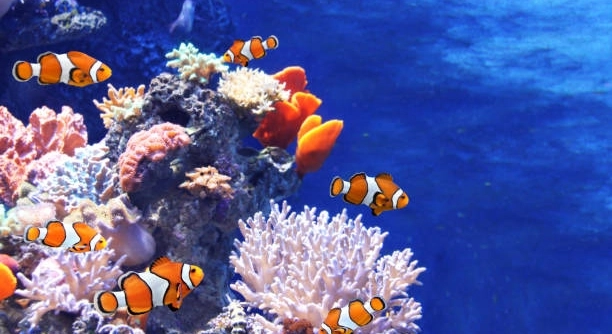
Have you ever watched your clownfish swim and wondered if they prefer gentle stillness or a bit of water movement in their tank? Understanding their comfort needs can help you create a healthier environment for them.
Clownfish prefer moderate water currents over still water. In the wild, they inhabit reef areas with consistent water movement, which helps with oxygen exchange and mimics their natural habitat. Strong or completely still water can cause stress.
Creating the right water flow not only supports their health but also encourages natural behavior and reduces anxiety in their environment.
Why Water Movement Matters for Clownfish
In the wild, clownfish live in reef areas where the water is always moving. These natural currents help circulate oxygen and keep waste from settling. In a home aquarium, mimicking this environment helps keep clownfish healthier and less stressed. A tank with no water movement can create low-oxygen zones, which can affect their breathing. On the other hand, strong currents can make it hard for clownfish to swim and rest properly. That’s why moderate water movement is usually the best choice. It offers the right balance, helping to keep the tank clean and the fish comfortable. Using a filter with adjustable flow or adding a gentle powerhead can create a steady current without overwhelming your fish. The right setup can also encourage them to be more active and social. Clownfish often swim in place or bob near the current, which shows they’re engaged and feeling secure in their space.
Clownfish also rely on these light currents to help them stay close to their host anemones.
When setting up the tank, place your filter outlet or powerhead at an angle so the current flows gently across the tank. This helps mimic ocean movement without creating too much force. Watch how your clownfish react and adjust if needed.
Spotting the Signs of Stress
Clownfish that are uncomfortable with the water movement may act differently. You might see them hiding more, swimming against the glass, or staying near the bottom.
If your clownfish seem too tired or avoid areas with current, it could be a sign that the flow is too strong. On the other hand, if the water is too still, they may become less active or show signs of labored breathing. It’s important to observe their behavior over time. A healthy clownfish will swim around calmly, hover in one area, or gently sway with the current. They’ll often stay near a chosen spot, especially if they’ve bonded with a particular coral or decoration. When the current is just right, their colors look brighter, and they tend to eat more regularly. Also, stable water movement helps distribute food and oxygen more evenly across the tank. This keeps the environment balanced not only for clownfish but also for other tank mates and living elements like plants or corals. A simple adjustment to the current can make a big difference.
Choosing the Right Flow Equipment
Using the right equipment helps create a current that feels natural to clownfish. Adjustable filters and powerheads are great for setting a gentle flow. Avoid equipment that creates strong jets or harsh movement across the entire tank. Placement matters just as much as power.
An adjustable filter with a spray bar or a low-flow powerhead can help you control the direction and strength of water movement. Aim for flow that gently pushes water across the tank without making it difficult for your clownfish to swim or rest. Try placing the output near the top or at an angle to avoid direct bursts. Watch how your clownfish respond—if they’re constantly fighting the current or hiding, it may be too strong. You want a flow that moves water smoothly but allows calm zones too. Some trial and error is expected, and small adjustments can help you get it just right.
If you’re using multiple devices, make sure they work together without causing chaotic water movement. You don’t need high-tech gear—just reliable tools that offer control. Use timers if needed, especially during feeding time when a calmer flow helps food settle. Try not to place powerheads directly near where your clownfish like to rest or host. Creating layers of water flow allows your fish to pick where they feel most comfortable. Pay attention to their daily habits and tweak things slowly, one change at a time.
Balancing Current With Tank Size
Smaller tanks need softer flow because strong equipment can make the space too chaotic. Clownfish in small tanks often have fewer places to rest, so keeping the flow calm and steady helps them feel more secure.
Larger tanks offer more space to create a layered water environment, where different parts of the tank have varying flow speeds. In these setups, clownfish can pick where they want to spend time. Try to create a natural pattern—stronger flow near the filter, and quieter zones near rocks, decorations, or their chosen hosting spot. If the tank includes corals or other fish, you’ll need to consider their needs too. Keep in mind that clownfish don’t need a strong current to stay healthy—they need consistency and comfort. Balance is the key. Strong flow isn’t better, and still water isn’t safe. It’s all about creating movement that supports their health without causing stress.
Signs Your Setup Is Working
Clownfish swimming calmly and exploring different parts of the tank usually means the water movement feels right. You might also see them hovering gently in one spot or returning to the same area often, especially near their host or favorite decoration.
Regular eating, vibrant colors, and active behavior during the day are all positive signs. If they’re not gasping at the surface or hiding constantly, your setup is likely working well. Smooth, even flow keeps them comfortable and supports healthy breathing and digestion.
When to Make Adjustments
If you notice your clownfish staying in corners, avoiding open space, or showing erratic swimming, it might be time to adjust the current. Watch them over a few days and reduce the flow slightly if they seem uncomfortable. It’s better to start with a gentler current and increase gradually if needed. Sudden changes can cause stress. Also, pay attention to how food moves through the tank—if it gets blown around too much, the flow might be too strong. A balanced setup allows food to settle and gives fish time to eat. Keep an eye on their patterns and make small changes when needed.
Final Tip on Placement
Keep decorations and resting spots away from direct flow. Give your clownfish calm areas to retreat to when they need rest.
What kind of water flow do clownfish prefer in an aquarium?
Clownfish prefer moderate water flow that mimics their natural reef habitat. Too strong a current can tire them out or stress them, while still water may reduce oxygen levels and cause stagnation. Gentle, steady currents created by adjustable filters or powerheads work best. The flow should allow them to swim easily but also have calm spots to rest.
Can clownfish survive in tanks with still water?
While clownfish might survive in still water for a short time, it’s not ideal. Still water can lead to lower oxygen levels and poor waste circulation, which affects their health over time. A lack of movement also reduces natural stimulation, which may cause stress or inactivity in clownfish.
How do I create the right current for my clownfish tank?
Start with an adjustable filter or low-flow powerhead. Place the output at an angle or near the surface to create gentle movement without direct strong jets. Watch your clownfish’s behavior—if they seem to struggle or hide often, reduce the flow. If they swim comfortably and explore, the current is likely appropriate.
Is it okay if my clownfish swim against the current?
Yes, occasional swimming against the current is normal behavior. It helps them exercise and stay alert. However, if they are constantly fighting the flow or appear exhausted, it could mean the current is too strong and should be adjusted.
What equipment is best for controlling water flow?
Filters with spray bars and low-power adjustable powerheads are ideal for controlling water flow. These allow you to spread the water movement evenly and keep it gentle. Avoid pumps that create strong, direct jets, which can stress your fish.
How do tank size and water flow relate for clownfish?
Smaller tanks require gentler currents since there is less space for water movement and fish to avoid strong flow. Larger tanks can have layered currents—stronger near the filter and calmer near resting areas. Clownfish adapt better when they can choose where to swim based on the flow.
Can too much water movement harm clownfish?
Yes, strong currents can exhaust clownfish and cause stress. It makes swimming difficult and can prevent them from resting properly. Over time, this may weaken their immune system and increase susceptibility to disease.
How often should I check and adjust the water flow?
Regular observation is important. Check your clownfish daily to see if their behavior changes. Adjust the flow slowly if you notice signs of stress, hiding, or erratic swimming. Small, gradual changes are safer and more comfortable for your fish.
Does water flow affect clownfish breeding?
Yes, moderate water movement supports better breeding conditions by keeping the tank clean and oxygenated. However, too strong a current can disrupt nesting sites and stress breeding pairs. Providing calm areas near the breeding spot is important.
What signs show my clownfish are stressed by water flow?
Stress signs include hiding frequently, erratic or frantic swimming, loss of appetite, and dull coloration. Fish may also appear lethargic or avoid areas with strong currents. These signs mean it’s time to reduce the flow and create calmer zones.
Can I use natural plants or decorations to help manage water flow?
Yes, placing rocks, corals, or artificial plants strategically can break up strong currents and create calm pockets. This helps clownfish rest and feel secure. Just ensure decorations don’t block essential water circulation or trap debris.
Is it necessary to replicate ocean currents exactly?
No, exact replication isn’t required. Clownfish thrive with moderate, consistent flow that mimics the feel of their natural environment. Focus on creating steady movement with calm zones rather than trying to recreate every ocean current detail.
Will other tank inhabitants affect water flow needs for clownfish?
Yes, other fish, corals, or invertebrates might require different flow levels. You may need to balance the current to meet everyone’s needs. Clownfish are quite adaptable but providing a range of flow zones helps all species coexist comfortably.
Can I turn off water flow at night for clownfish?
It’s better to keep some flow at night to maintain oxygen levels and water quality. You can reduce the strength to create a calmer environment while still ensuring circulation. Sudden stoppage might cause stress or poor water conditions.
How does water flow affect feeding clownfish?
Strong currents can scatter food, making it hard for clownfish to eat. Gentle flow allows food to stay in place longer and gives fish time to feed properly. Reducing flow during feeding or using feeding rings can help manage this.
What should I do if my clownfish hide all the time?
Check the water flow first. If the current is too strong, reduce it and add more hiding spots with decorations. Consistent calm areas help fish feel safe. Also, check other water parameters, since stress can come from many sources.
Can changing water flow improve clownfish health?
Yes, proper flow improves oxygenation, reduces waste buildup, and supports natural behavior. Adjusting the current to fit your clownfish’s comfort can lead to better color, activity, and overall health. Keep monitoring to maintain the right balance.
Finding the right water movement for clownfish is an important part of keeping them healthy and happy. Clownfish naturally live in reef areas where there is always some current, so having a steady, gentle flow in your tank helps recreate their natural environment. This kind of water movement keeps oxygen levels balanced and helps remove waste, which supports good water quality. When the water moves just right—not too strong and not too still—clownfish can swim easily, rest comfortably, and behave naturally. It’s a simple but important detail that can make a big difference in their well-being.
When setting up your aquarium, it’s good to use equipment like adjustable filters or powerheads to control the strength and direction of the current. Placing these devices carefully to avoid direct, strong jets can make the tank more comfortable for your fish. Watching how your clownfish react is key. If they swim calmly, explore the tank, and eat well, the water flow is likely suitable. But if they hide often, avoid certain areas, or seem tired, it could mean the current needs adjusting. It’s normal to make small changes over time until you find what works best for your specific tank and fish.
Remember, every tank is different, and your clownfish may prefer slightly different conditions depending on their personality and the setup you have. Offering a balance of gentle current with calm resting spots will help your clownfish feel secure and active. Keeping an eye on their behavior and making slow adjustments when needed will support their health over the long term. Water flow might seem like a small detail, but it is an important part of creating a thriving home for your clownfish.

Hello,
If you enjoy the content that we create, please consider saying a "Thank You!" by leaving a tip.
Every little bit helps us continue crafting quality advice that supports the health, happiness, and well-being of pets around the world, for pets of all shapes, sizes, and species.
We really appreciate the kindness and support that you show us!