
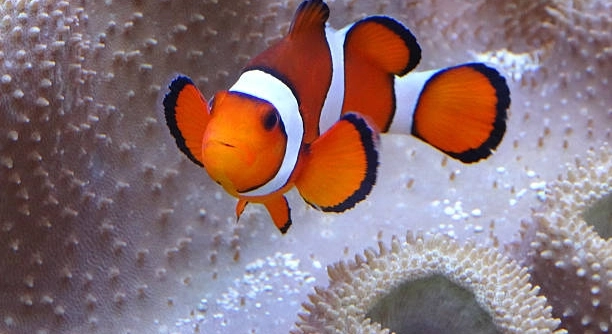
Clownfish are popular marine animals known for their bright colors and unique relationship with sea anemones. Their behavior in the wild shows interesting patterns that suggest they interact closely with their surroundings. Many people wonder if these fish learn from the environment around them.
Clownfish exhibit some learning behaviors influenced by their environment, such as recognizing host anemones and adjusting social roles within their groups. These adaptations improve their survival but are mostly driven by instinctual responses rather than complex learning.
Exploring how clownfish adapt helps us better understand their role in marine ecosystems and the balance they maintain with other species. This insight is valuable for both science and conservation efforts.
How Clownfish Respond to Their Environment
Clownfish are known for their strong bond with sea anemones, which provides them protection and shelter. They learn to recognize the scent and appearance of their host anemone early on. This recognition is crucial because it helps them avoid predators and stay safe. Clownfish also adapt their behavior based on social hierarchy within their group. The largest fish becomes the dominant female, while others adjust to subordinate roles. This social structure helps maintain order and reduces conflicts. Their interaction with the environment is mainly instinctive but shaped by experience. Over time, clownfish become more skilled at navigating their habitat and responding to changes, such as shifts in water conditions or threats. These learned responses improve their chances of survival in a complex ecosystem where both cooperation and competition exist.
This ability to adapt supports their survival but does not imply advanced learning like in mammals or birds.
The balance between instinct and experience is essential for clownfish. Their environment offers cues that shape behavior without requiring complex problem-solving. By responding to signals from anemones and group members, they maintain safety and social order. These behaviors show how animals can rely on simple learning mechanisms to thrive in their natural habitat. Understanding these patterns offers insight into marine biology and the delicate relationships that sustain coral reef life.
Learning from the Environment: Limits and Capabilities
Clownfish show some environmental learning, but it is limited.
Their learning mostly revolves around recognizing safe areas and adjusting social roles. Unlike animals with advanced cognition, clownfish rely on instinct guided by environmental cues. They do not solve complex problems but adapt through repeated exposure and experience. For example, they become familiar with their host anemone’s protection and avoid dangerous areas. Social learning helps maintain group structure, which is vital for breeding and survival. These behaviors ensure clownfish respond adequately to their surroundings without the need for higher reasoning.
This mix of instinct and simple learning allows clownfish to survive efficiently in coral reefs. Their skills are enough for daily challenges but do not involve complex learning processes. This distinction is important when comparing fish behavior to other animals with more developed cognitive abilities.
Environmental Cues and Clownfish Behavior
Clownfish rely heavily on environmental cues like water temperature, light, and the presence of predators to guide their actions. These signals trigger instinctual behaviors that help them stay safe and find food.
Environmental factors influence clownfish behavior in many ways. Changes in water temperature can affect their activity levels and reproduction. Light cycles help regulate their daily patterns, including feeding and resting times. When predators are nearby, clownfish respond quickly by hiding within the protective tentacles of their host anemone. These responses are automatic rather than learned, showing how sensitive clownfish are to their surroundings. Their survival depends on reading these cues accurately.
Learning in clownfish involves recognizing familiar smells and signals from their anemone and group members. This familiarity allows them to distinguish safe environments from threats. While their reactions may seem simple, they are critical for avoiding danger and maintaining their place in the reef’s complex ecosystem. These behaviors demonstrate how environmental cues shape survival strategies even in small fish.
Social Learning in Clownfish Groups
Clownfish social structure relies on established roles to reduce conflict and maintain harmony. Social learning helps individuals adjust to their place in the group.
Within clownfish groups, individuals learn their rank through observation and interaction. The dominant female controls breeding, while others accept subordinate roles. This social order prevents fighting and stabilizes the group. Fish that lose dominance may change color and behavior to signal submission. These changes are responses to social cues rather than conscious decisions. Social learning also includes recognizing familiar group members and maintaining group cohesion, which improves protection against predators. This system of social roles shows a basic form of learning based on environment and interactions, not complex problem-solving.
Adaptation to Changing Conditions
Clownfish adjust their behavior when their environment changes, such as shifts in water quality or the health of their host anemone. These adjustments help them survive in unpredictable conditions.
They may move to a new anemone or change feeding habits to cope with new challenges. This flexibility is important for their continued survival in coral reefs.
Role of Instinct Versus Learning
Most clownfish behavior is driven by instinct, but simple learning helps them fine-tune responses. Instinct ensures quick reactions, while learning improves their ability to recognize familiar cues.
This balance allows clownfish to respond effectively without needing complex thought processes.
Impact of Environment on Clownfish Development
Environmental factors like temperature and habitat quality influence clownfish growth and reproduction. Healthy surroundings promote stronger, more resilient fish capable of thriving in their reef homes.
Future Research Directions
More studies are needed to clarify how much learning influences clownfish behavior versus instinct. Understanding this balance can improve conservation efforts and habitat management.
FAQ
Do clownfish really learn from their environment?
Clownfish do show some basic learning from their environment, but this learning is limited. Most of their behavior is instinctual, triggered by environmental cues such as the presence of their host anemone or social signals from other fish. They can recognize their specific anemone and adjust to changes like water conditions or threats, but this is simple learning rather than complex problem-solving.
How do clownfish recognize their host anemone?
Clownfish recognize their host anemone mainly through chemical cues and scent. From a young age, they become familiar with the unique smell of their anemone, which helps them find protection and stay safe. This recognition develops through repeated exposure rather than conscious learning. If separated, they may struggle to adapt to a new anemone quickly.
Can clownfish change their behavior based on experiences?
Yes, clownfish can adjust certain behaviors through experience. For example, they learn to avoid predators by associating specific threats with danger. They also adapt their social behavior within the group, accepting roles based on their size and status. However, these changes are not the result of advanced learning but rather simple adaptation to environmental feedback.
Do clownfish communicate with each other?
Clownfish communicate mainly through body language and subtle movements. They use gestures like head shaking or swimming patterns to signal dominance or submission. This communication helps maintain social order within the group. While it is not a complex language, it is an important way clownfish interact and learn about their place in the social hierarchy.
What role does social hierarchy play in clownfish learning?
Social hierarchy guides much of clownfish behavior. Individuals learn their position by observing dominant fish and adjusting their actions accordingly. The largest fish becomes the female leader, while others accept lower ranks. This learning happens through social cues, reducing conflict and helping the group function smoothly. Changes in rank lead to behavioral and even physical changes in some cases.
How does the environment impact clownfish survival?
The environment plays a crucial role in clownfish survival. Factors such as water temperature, pollution, and the health of coral reefs directly affect their ability to live and reproduce. Clownfish rely on healthy anemones for shelter, so damage to coral reefs can threaten their safety. Their simple learning mechanisms help them respond to these changes, but only to a limited extent.
Are clownfish capable of problem-solving?
Clownfish are not known for advanced problem-solving abilities. Their behavior is mostly driven by instinct and simple learning. While they can adapt to some changes and recognize familiar cues, they do not show evidence of complex reasoning or innovation. Their survival depends more on quick, automatic responses than on thoughtful problem-solving.
Can clownfish recognize individual group members?
There is some evidence that clownfish can distinguish familiar group members from strangers. This recognition helps maintain social bonds and reduces aggression within the group. They likely use visual and chemical cues to identify each other. This ability supports group cohesion but does not suggest advanced social cognition.
How do changes in the environment affect clownfish behavior?
Environmental changes such as shifts in water quality or habitat loss can force clownfish to adapt quickly. They may seek new anemones or change feeding patterns. While they can adjust behavior to some degree, rapid or extreme changes may overwhelm their capacity to cope, leading to stress or population decline.
Why is understanding clownfish learning important?
Understanding how clownfish learn and adapt informs conservation strategies. Knowing their limits helps researchers protect habitats and create environments that support their survival. It also offers insight into the balance between instinct and learning in marine species, which is important for preserving reef ecosystems.
Clownfish are fascinating creatures that live in close connection with their environment. Their behaviors show a mix of instinct and simple learning, which helps them survive in coral reefs. While they do not have advanced learning abilities like some mammals or birds, they can recognize their host anemones and adjust their social roles. These abilities are important for their safety and reproduction. By responding to environmental cues such as the presence of predators or changes in water conditions, clownfish maintain their place in a complex ecosystem. This balance between instinct and experience allows them to thrive without needing complex problem-solving skills.
Their social structure is another key part of how clownfish live. Within a group, they learn their rank and behave accordingly to keep peace and order. The dominant female leads the group, while others take subordinate roles. This hierarchy reduces conflict and supports the survival of the group as a whole. Clownfish communicate through simple gestures and recognize familiar group members, which helps maintain harmony. Their learning is closely tied to these social interactions, showing how environment and social cues shape behavior in ways that are not deeply cognitive but effective for survival.
Understanding clownfish behavior and their learning limits has practical benefits. It helps scientists and conservationists protect coral reefs, which are vital habitats for many marine species. As environmental challenges grow, knowing how clownfish adapt or struggle to adapt can guide efforts to support their populations. The study of clownfish shows that even simple learning can play a significant role in animal survival. By appreciating these small but important adaptations, we can better support marine life and work toward preserving the delicate balance of reef ecosystems.

Hello,
If you enjoy the content that we create, please consider saying a "Thank You!" by leaving a tip.
Every little bit helps us continue crafting quality advice that supports the health, happiness, and well-being of pets around the world, for pets of all shapes, sizes, and species.
We really appreciate the kindness and support that you show us!