
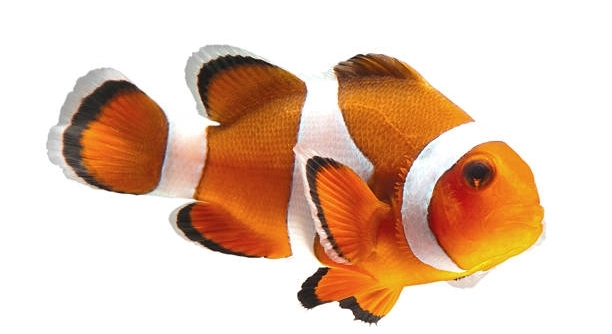
Clownfish are popular marine fish known for their bright colors and close relationship with sea anemones. These fish often live in specific host anemones, which provide them protection and shelter in the ocean environment. Their unique lifestyle draws attention from many aquarium and marine enthusiasts.
Clownfish generally do not share their host anemone with other fish species. They exhibit territorial behavior, often defending their host anemone exclusively to maintain safety and breeding grounds. This exclusivity ensures a symbiotic balance between clownfish and their host.
Learning more about clownfish behavior and their host preferences reveals fascinating details about marine ecology. This article explains how these fish interact with their environment and why sharing hosts is uncommon in their world.
Why Clownfish Choose Specific Hosts
Clownfish form a strong bond with their host anemones, which provide protection with their stinging tentacles. Each clownfish species prefers certain types of anemones, creating a close and specific relationship. This connection helps clownfish avoid predators and gives them a safe place to lay eggs. The anemone benefits too, as the clownfish chase away potential threats and keep the anemone clean. Because of this mutual dependence, clownfish are very protective of their host anemones. When other fish try to share the same anemone, clownfish often act aggressively to defend their space. This behavior keeps their living area safe and secure. While some fish can live alongside clownfish, most do not share the anemone itself. This selective association helps maintain balance and reduces conflicts in their habitat.
The close relationship between clownfish and their anemones is vital for their survival. Sharing hosts is rare because protection and breeding depend on exclusive use.
Clownfish’s loyalty to their hosts influences their behavior and environment. Their defensive nature helps maintain the anemone’s safety and ensures a steady home. This careful protection means other fish rarely get a chance to live in the same anemone, which could otherwise disrupt the delicate balance of the habitat. Such exclusivity also supports the clownfish’s breeding success. By defending their host, they create a secure area for raising young. These dynamics highlight how clownfish depend heavily on their chosen anemones for both safety and reproduction.
Interaction with Other Fish Species
Clownfish usually keep other fish at a distance from their host anemones. Most species avoid sharing because clownfish are territorial.
In some cases, small non-threatening fish live nearby but outside the anemone’s reach. These fish do not compete for space but may benefit from the clownfish’s protection indirectly. Such arrangements are uncommon and depend on the species involved. The exclusivity of clownfish’s host use helps maintain order and reduces stress within their environment. This behavior reflects the importance of their relationship with the anemone and their survival strategy.
Clownfish Territory and Defense
Clownfish actively defend their host anemones against intruders. Their territorial behavior helps protect their home and breeding area from other fish.
This defense includes chasing away other fish that try to enter the anemone or come too close. Clownfish use quick movements and sometimes gentle nips to warn off intruders. This aggressive behavior is strongest during breeding seasons, when protecting eggs becomes a priority. The defense of their host anemone ensures safety and helps maintain a stable environment for their family. It also limits competition for resources within the anemone.
In addition to chasing intruders, clownfish form social hierarchies within their group. Dominant individuals control the best parts of the anemone and have priority access to food. Subordinate clownfish respect this order to avoid conflict. This structured social system keeps peace within the group while maintaining a strong defense against outsiders. Overall, their territorial habits are crucial to their survival and reproductive success.
Occasional Exceptions to Host Sharing
There are rare cases where clownfish may tolerate other fish near their host anemones. This usually happens with species that do not threaten the clownfish or compete for the same resources.
In some reef environments, certain damselfish or gobies live close to clownfish anemones without causing conflict. These fish stay outside the anemone’s tentacles and do not disturb the clownfish’s activities. The clownfish may allow this limited sharing because these neighbors offer no harm and sometimes provide additional alertness against predators. This kind of coexistence is delicate and depends on the behavior of all involved species.
Still, these exceptions are uncommon. Most clownfish remain strict about keeping their anemone exclusive to protect their safety and reproductive areas. The protective nature of clownfish makes true sharing a rare event, usually limited to peaceful neighbors who respect boundaries. This balance supports healthy reef ecosystems where many species interact carefully.
Host Anemone Preferences
Clownfish show strong preferences for certain anemone species. These preferences help them choose the safest and most suitable homes.
Different clownfish species often associate with specific anemones based on location and availability. This selective relationship helps reduce competition and promotes a stable habitat for both fish and anemone.
Impact of Host Sharing on Anemones
Sharing a host anemone can stress the anemone and reduce its health. Multiple fish competing for space and resources may cause damage to the anemone’s tissues. Clownfish protect their host by limiting access, which helps maintain the anemone’s vitality and survival.
Why Clownfish Are Protective
Clownfish rely heavily on their anemones for shelter and breeding. This dependence drives their protective behavior and territorial nature.
FAQ
Do clownfish ever share their host anemone with other clownfish?
Clownfish usually share their host anemone only with members of their own species or family group. They live in small social groups with a dominant female, a breeding male, and several non-breeding males. This family structure helps maintain order and reduces conflicts inside the anemone. Sharing with unrelated clownfish is uncommon because territorial behavior limits space. The group protects the host anemone together and defends it from outsiders. This close social bond supports their survival and breeding success.
Can clownfish share their host anemone with different fish species?
It is very rare for clownfish to share their host anemone with other fish species. Most fish avoid the stinging tentacles, and clownfish actively defend their space. However, some small, non-aggressive fish like certain damselfish or gobies may live nearby but outside the anemone’s reach. These neighbors do not compete for space or resources, so the clownfish tolerate them. True sharing inside the anemone’s protection is almost never seen, as clownfish depend on exclusive use for safety and breeding.
Why are clownfish so protective of their host anemones?
Clownfish rely on their anemones for shelter and protection from predators. The stinging tentacles of the anemone provide a safe home that few other fish can access. Because of this, clownfish are very territorial and aggressive toward any intruders. Protecting the anemone ensures their safety and creates a secure area for laying eggs and raising young. This protective behavior also helps keep the anemone healthy by removing parasites and cleaning its surface.
How do clownfish defend their anemone from other fish?
Clownfish defend their host by chasing away other fish and using quick, darting movements to warn off intruders. Sometimes, they nip at fish that come too close. This behavior is strongest during breeding seasons when protecting eggs is critical. The clownfish’s aggression keeps the anemone free from competitors and helps maintain a stable environment. Their social structure within the anemone also supports this defense, as dominant individuals lead the protection efforts.
Are there any benefits for the anemone in hosting clownfish exclusively?
Yes, hosting clownfish exclusively benefits the anemone in several ways. Clownfish chase away predators and parasites that could harm the anemone. They also clean the anemone’s surface by removing debris and dead tentacles. The movement of clownfish increases water circulation, which improves the anemone’s respiration and nutrient absorption. This mutual relationship helps both species thrive in their shared environment.
Can clownfish live without anemones?
While clownfish can survive without anemones in captivity, their survival chances in the wild drop significantly without their host. Anemones offer protection from predators and a safe place to breed. Without this shelter, clownfish are vulnerable and less likely to reproduce successfully. In aquariums, clownfish can adapt to living without anemones but may show different behavior, such as hiding behind rocks or coral instead.
How does the presence of clownfish affect other reef species?
Clownfish influence nearby reef species mainly through their protection of their host anemone. By defending the anemone and nearby area, they create a small zone of safety that may benefit certain non-threatening fish. However, their territorial nature can limit the movement of other species close to their anemone. This behavior helps maintain balance but also restricts how other fish interact with the anemone and surrounding reef.
What happens if two clownfish try to share the same anemone?
When two unrelated clownfish try to share the same anemone, aggressive behavior usually follows. Clownfish defend their territory strongly, and fights can occur. Typically, the dominant fish will keep control, and the other will be driven away. Sharing among unrelated individuals is uncommon because it risks conflict and reduces breeding success. Family groups tend to stay together peacefully, while outsiders are kept at a distance.
Do clownfish ever switch anemone hosts?
Clownfish may switch hosts if their current anemone is damaged or dies. They look for a new suitable anemone nearby, but this process is risky because it exposes them to predators. Once a clownfish settles on a new host, it establishes territorial control quickly. Switching hosts is not common but happens when necessary for survival.
How do clownfish choose their host anemone?
Clownfish choose their host based on species preference, availability, and safety. Different clownfish species are associated with specific anemones best suited for protection and breeding. Juvenile clownfish explore potential hosts before settling. The chosen anemone’s size, health, and location also affect their decision. This selective process ensures the best chance of survival and reproductive success.
Final Thoughts
Clownfish have a special relationship with their host anemones that plays a key role in their survival. This connection is built on trust and protection, where the anemone offers shelter from predators, and the clownfish help keep the anemone clean and safe. Because of this close bond, clownfish rarely share their host anemone with other fish species. Their territorial behavior helps maintain a secure environment that supports both their own safety and the health of the anemone. This exclusivity shows how important the anemone is to the clownfish’s life cycle and daily needs.
The way clownfish protect their host anemone is quite fascinating. They actively chase away intruders and defend their territory with quick, assertive movements. This behavior ensures that the anemone remains a safe haven not only for the clownfish but also for their eggs and young. The social structure within clownfish groups adds to this protection, allowing dominant individuals to lead in defending the host. While some peaceful fish may live nearby, true sharing of the anemone is extremely rare. This strong protective instinct reflects how clownfish rely heavily on their hosts for shelter and reproduction.
Understanding the relationship between clownfish and their host anemones highlights the delicate balance of marine ecosystems. Their selective use of specific anemones and careful defense help maintain this balance. Any disruption, such as damage to anemones or forced sharing, could affect both species negatively. Recognizing the importance of this partnership is key for conservation efforts and maintaining healthy reef environments. Overall, the clownfish’s behavior around their hosts reveals a complex but natural system built on mutual benefit and careful protection.

Hello,
If you enjoy the content that we create, please consider saying a "Thank You!" by leaving a tip.
Every little bit helps us continue crafting quality advice that supports the health, happiness, and well-being of pets around the world, for pets of all shapes, sizes, and species.
We really appreciate the kindness and support that you show us!