
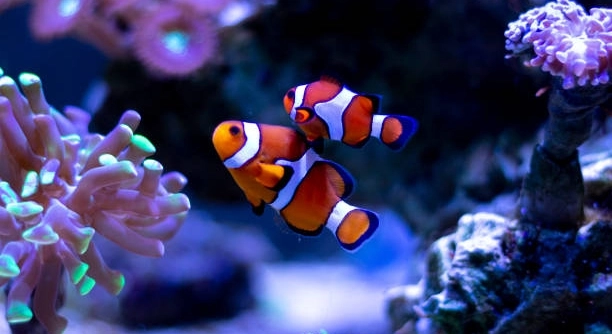
Clownfish are well-known for their bright colors and unique relationship with sea anemones. Their behaviors in the wild have fascinated many marine enthusiasts. Understanding whether they show nesting behavior adds to our knowledge of their life cycle and environment.
Clownfish do display nesting behavior. They carefully select and prepare specific sites, usually within or near sea anemones, where females lay eggs. Males then guard and aerate the eggs until they hatch, demonstrating parental care essential for offspring survival.
This article explores how clownfish choose nesting sites and the role of their behaviors in protecting their young in the marine environment.
Clownfish Nesting Sites and Preparation
Clownfish choose specific areas to lay their eggs, usually close to or inside sea anemones. These locations offer protection from predators and strong currents. Before laying eggs, the male clownfish cleans the chosen site carefully by removing algae and debris. This cleaning helps create a safe environment for the eggs to develop. The eggs are attached to flat surfaces such as rocks or coral near the anemone. The female lays hundreds of small, sticky eggs in clusters at the prepared site. Afterward, the male takes over most of the care, ensuring the eggs stay clean and oxygenated by fanning them with his fins. This behavior helps keep the eggs healthy until they hatch, usually within a week. The close proximity to the anemone also means the young fish are protected once they hatch, as the anemone’s stinging tentacles keep many predators away.
Males are responsible for maintaining the nest and guarding the eggs throughout incubation.
Clownfish nesting behavior reflects a strong parental role, especially from the males. This preparation and protection increase the chances that the young will survive in a challenging ocean environment. It is a careful balance between choosing a secure site and ongoing nest maintenance, both vital to reproductive success.
The Role of Parental Care in Clownfish Reproduction
Parental care in clownfish is mainly provided by the male. After the female lays the eggs, the male stays near the nest to protect and clean them. He uses his fins to fan the eggs, providing oxygen and preventing fungus growth. This attention is crucial for the eggs’ survival. If the male leaves, the eggs are more vulnerable to infection or predators. During this time, the male aggressively defends the nest area from intruders, including other fish. This care lasts until the eggs hatch, which is about six to ten days depending on the temperature. The close relationship with sea anemones provides added safety once the larvae are free-swimming. Parental investment by the male clownfish is a key factor in the reproductive success of the species, ensuring that more young fish reach maturity in the wild.
How Environmental Factors Influence Nesting
Water temperature and quality have a significant effect on clownfish nesting behavior. Warmer water speeds up egg development, while poor water quality can harm the eggs and reduce survival rates.
Changes in water temperature can alter the timing of spawning and egg hatching. If the water is too cold or too warm, eggs may develop slower or not survive. Additionally, pollution or sediment can damage eggs or make the nesting site unsuitable. Clownfish depend on stable conditions to ensure successful reproduction. Maintaining clean, healthy reefs is essential for supporting their nesting habits.
Light levels and predator presence also influence where clownfish choose to nest. They prefer shaded or protected spots that reduce risk from predators. These factors guide the fish in selecting safe, productive nesting sites that improve the chance their offspring survive.
Interaction Between Clownfish and Sea Anemones in Nesting
Clownfish use sea anemones as natural shelters during nesting. The anemone’s stinging tentacles protect eggs and young fish from predators, making the area a safe nursery. The fish clean the anemone and keep it healthy, which benefits both species.
This mutual relationship strengthens the chances of reproductive success. Clownfish depend on the anemone for protection, while the anemone gains cleaning and nutrients from the fish. The close connection between nesting clownfish and their anemones shows how marine species can cooperate to improve survival. Understanding this partnership is key to appreciating their behavior and the delicate balance in coral reef ecosystems.
Clownfish Communication During Nesting
Clownfish use body movements and sounds to communicate during nesting. These signals help coordinate cleaning, guarding, and mating behaviors.
Communication also strengthens pair bonds. Through specific gestures, they show readiness to mate and care for eggs, ensuring cooperation between male and female throughout the nesting period.
Challenges Clownfish Face While Nesting
Predators such as larger fish and invertebrates pose constant threats to clownfish nests. Despite their protective anemone homes, eggs and young fish remain vulnerable. Environmental changes like pollution and coral reef damage also affect nesting success by reducing suitable sites.
Nesting Frequency and Lifespan
Clownfish typically breed multiple times per year during warmer months. This frequent reproduction helps maintain population numbers despite high egg mortality rates.
Impact of Human Activity on Nesting
Human activities like reef destruction and pollution reduce safe nesting sites for clownfish, affecting their reproduction and survival.
FAQ
Do clownfish build nests like birds or other animals?
Clownfish do not build nests in the same way birds do. Instead, they choose existing flat surfaces such as rocks, coral, or shells near their sea anemone home. The male cleans and prepares these sites by removing algae and debris to create a safe place for the eggs to stick and develop.
How long do clownfish eggs take to hatch?
Clownfish eggs usually hatch within six to ten days, depending on water temperature. Warmer water speeds up development, while cooler water slows it down. During this time, the male guards and cares for the eggs by fanning them with his fins to keep them oxygenated and free from fungus.
What role does the male clownfish play in nesting?
The male clownfish is the primary caretaker of the nest. After the female lays eggs, the male cleans the site, guards the eggs from predators, and fans them to provide oxygen. His constant care increases the chances of the eggs surviving until they hatch.
Can clownfish lay eggs without a sea anemone nearby?
While clownfish can lay eggs without an anemone close by, they prefer nesting near or inside anemones because these provide protection from predators. The anemone’s stinging tentacles create a safe environment for both eggs and young fish, making survival more likely.
Do clownfish mate for life?
Clownfish often form monogamous pairs, meaning they stay with one mate for extended periods. This bond helps them coordinate nesting and parental care effectively. The female is usually the larger of the pair, and if she dies, the male can change sex and become the female.
How many eggs does a clownfish lay at one time?
A female clownfish can lay several hundred eggs in a single clutch. The exact number depends on her size and age. These eggs are clustered tightly on the prepared nesting surface, sticking firmly until they hatch.
Are clownfish territorial during nesting?
Yes, clownfish are very territorial around their nesting sites. The male aggressively defends the nest from intruders, including other fish. This behavior protects the eggs and ensures that the area remains safe during incubation.
What threats do clownfish nests face in the wild?
Nests face threats from predators such as larger fish and invertebrates that try to eat the eggs. Environmental factors like pollution, sedimentation, and damage to coral reefs also threaten nest survival by reducing safe places to lay eggs or by harming the eggs directly.
Do clownfish provide any care after the eggs hatch?
Once the eggs hatch into larvae, clownfish do not provide direct care. The larvae drift with ocean currents before eventually settling near anemones to grow. However, the close location of the nest to the anemone provides protection during early development.
Can clownfish nesting behavior be observed in home aquariums?
Yes, clownfish in home aquariums often display natural nesting behavior if conditions are right. They select surfaces to lay eggs, and the male usually cares for the nest. Proper water conditions, lighting, and a safe environment are important to encourage this behavior in captivity.
How does the environment affect clownfish nesting success?
Stable water temperature, good water quality, and healthy coral reefs are crucial for nesting success. Environmental stressors such as pollution or temperature changes can delay egg development, increase mortality, or cause parents to abandon nests.
What happens if a male clownfish is removed during nesting?
If the male is removed or dies during incubation, the eggs often fail to survive because there is no one to clean or protect them. The male’s role is critical to maintain egg health and safety until hatching.
Are there differences in nesting behavior among clownfish species?
Most clownfish species share similar nesting behaviors, but there can be slight differences in site preference or parental care intensity. These differences usually depend on the species’ habitat and local environmental conditions.
Do clownfish use any special techniques to protect their nests?
Besides guarding the site aggressively, clownfish fan the eggs to keep them healthy and clean. Their bright colors and movements may also help distract predators away from the eggs.
How important is the anemone to clownfish reproduction?
The anemone is essential for protection during the nesting period. It provides a safe space against predators and harsh currents. Without an anemone nearby, the chance of eggs surviving decreases significantly.
Can clownfish change nesting sites if disturbed?
Clownfish may move to new nesting sites if their original site becomes unsafe or unsuitable. However, finding and preparing a new site takes time and energy, which can impact reproductive success. They tend to prefer sites close to their host anemone for protection.
What signs indicate that clownfish are ready to spawn?
Pairs often show increased interaction, such as cleaning the nesting site together and performing courtship displays. The female grows larger and more colorful, signaling she is ready to lay eggs.
Do clownfish face competition for nesting sites?
Yes, clownfish may compete with other fish or even their own species for the best nesting sites. The safest, cleanest sites near anemones are highly valuable and can cause territorial disputes.
How does nesting behavior affect clownfish population health?
Effective nesting and parental care increase offspring survival, supporting stable populations. Disruptions to nesting, such as habitat loss or pollution, can reduce reproductive success and harm population numbers over time.
Are clownfish nests ever parasitized by other species?
Some small fish or invertebrates may invade clownfish nests, feeding on eggs or using the site for shelter. The male’s guarding behavior helps reduce this risk but does not eliminate it entirely.
What adaptations help clownfish succeed as nesters?
Their strong bond with sea anemones, aggressive nest defense, and male parental care all improve egg survival. The ability to clean the nesting site and fan eggs also helps protect against infection and low oxygen levels.
Is nesting behavior in clownfish instinctual or learned?
Nesting behavior is largely instinctual, guided by natural triggers like temperature and mating cycles. However, some behaviors, such as site selection and cleaning techniques, may improve with experience.
How can people help protect clownfish nesting habitats?
Supporting coral reef conservation, reducing pollution, and avoiding damage to sea anemones help maintain healthy nesting environments. Sustainable aquarium practices also ensure wild populations are not harmed.
Do clownfish exhibit nesting behavior year-round?
Nesting typically occurs during warmer months when conditions are favorable for egg development. Outside these periods, clownfish may rest or focus on feeding rather than reproduction.
What happens if environmental conditions suddenly change during incubation?
Sudden temperature drops, pollution, or strong storms can cause parents to abandon nests or increase egg mortality. Clownfish rely on stable conditions to successfully hatch eggs.
Are clownfish nesting behaviors studied in the wild or captivity more often?
Both settings provide valuable insights. Wild studies show natural behaviors and environmental influences, while captive studies allow controlled observation of specific actions and parental care details.
Can clownfish nesting behavior change over time due to environmental pressures?
Yes, prolonged changes such as warming oceans or habitat loss can alter timing, site selection, or parental care. Adaptations may occur but can also threaten population stability if changes are too rapid.
Do clownfish nest in groups or alone?
Clownfish usually nest in pairs rather than groups. The pair works together to prepare and care for the nest, focusing on one site at a time to maximize success.
How does nesting success vary between young and older clownfish?
Older, experienced clownfish often have higher nesting success because they better select and prepare sites and provide more effective parental care. Younger fish may have lower success rates due to inexperience.
Clownfish nesting behavior is a fascinating part of their life cycle that shows how these small fish invest effort in ensuring the survival of their offspring. Unlike many fish that release eggs into open water, clownfish carefully select and prepare nesting sites near their sea anemone homes. This preparation involves cleaning the area and choosing a safe spot where eggs can stick and develop without being easily disturbed. The close relationship with anemones offers extra protection, which is important because eggs and young fish are vulnerable to predators and environmental changes. Observing this behavior gives a clearer understanding of how clownfish reproduce and maintain their populations in coral reef ecosystems.
Male clownfish play a vital role in nesting, taking responsibility for guarding and caring for the eggs once the female lays them. The males fan the eggs to keep them oxygenated and free of harmful fungi, which increases the chances of healthy development. They also aggressively defend the nest from potential threats, ensuring a safer environment until the eggs hatch. This parental care is unusual among many fish species and highlights how clownfish rely on teamwork between males and females during reproduction. The male’s commitment to protecting the nest makes a significant difference in the survival rate of the young.
Environmental factors, such as water temperature, quality, and reef health, have a strong impact on clownfish nesting success. Stable and clean conditions support proper egg development, while pollution or habitat damage can reduce survival chances. Human activities that harm coral reefs also affect clownfish by limiting suitable nesting sites and increasing risks for eggs and larvae. Understanding clownfish nesting behavior not only enriches knowledge about marine life but also emphasizes the importance of protecting coral reef habitats. Keeping these environments healthy benefits clownfish and many other species that depend on reefs to survive and reproduce.

Hello,
If you enjoy the content that we create, please consider saying a "Thank You!" by leaving a tip.
Every little bit helps us continue crafting quality advice that supports the health, happiness, and well-being of pets around the world, for pets of all shapes, sizes, and species.
We really appreciate the kindness and support that you show us!