
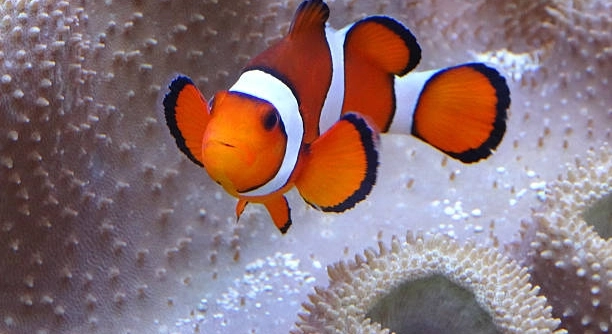
Clownfish are popular aquarium fish known for their bright colors and unique behaviors. Many aquarists wonder about the effects of light on their well-being, especially since clownfish often live near sea anemones in natural, shaded environments. Understanding their response to light helps improve their care.
Clownfish generally prefer moderate to low light conditions as they naturally inhabit shaded coral reefs. Bright light can cause stress and discomfort, leading them to seek shelter. Their behavior reflects adaptation to avoid intense sunlight rather than an outright dislike.
Exploring how light influences clownfish behavior can enhance aquarium setups and support their health in captivity. This insight benefits anyone caring for these vibrant marine creatures.
Natural Habitat and Light Conditions
Clownfish live among coral reefs, often near sea anemones that provide shade and protection. In their natural habitat, they experience varying light levels but tend to avoid overly bright, direct sunlight. The coral and anemones create a filtered light environment that is gentle on their eyes and helps reduce stress. When bright light penetrates the water, clownfish usually retreat to shaded areas or behind anemone tentacles. This behavior is a natural response to protect themselves from excessive exposure. In aquariums, replicating these light conditions is important. Too much bright light can lead to erratic swimming or hiding, signs that the fish are uncomfortable. Adjusting the tank’s lighting to mimic the softer, diffused light of reefs helps clownfish feel more secure and behave naturally. It also promotes their health and vibrant coloring. Understanding these needs allows for better care and a more balanced environment.
Clownfish benefit from lighting that mimics natural reef conditions to reduce stress and encourage natural behavior.
Creating the right lighting balance in your tank can improve clownfish comfort and longevity. Use dimmable lights or provide shaded spots with decorations and plants. Observing how your fish react to different lighting will help you find the ideal setup. Remember, the goal is to replicate their natural environment as closely as possible to keep them healthy and active. The right light intensity also supports the health of any live coral or anemones in the tank, making the whole ecosystem more stable. Adjusting the lighting gradually can prevent sudden stress. Overall, proper lighting is a key factor in successful clownfish care.
Adjusting Aquarium Lighting for Clownfish
Choosing the correct lighting setup is essential for clownfish well-being. Lights should not be overly bright or direct.
A gradual increase in light intensity during the day replicates natural sunrise and sunset patterns. Using timers helps maintain consistency, preventing sudden changes that might startle fish. Including shaded areas or hiding spots allows clownfish to control their exposure. LED lights with adjustable brightness settings are useful for fine-tuning light levels. Monitoring your clownfish for signs of stress, like hiding or erratic swimming, indicates if the lighting needs modification. Also, balancing light with tank size and decor contributes to a healthier environment. Proper lighting encourages natural behaviors, supports coral growth if present, and improves overall tank aesthetics. Maintaining this balance takes attention but greatly benefits your clownfish’s quality of life in captivity.
Effects of Bright Light on Clownfish Behavior
Bright light often makes clownfish seek shelter or hide more frequently. They become less active and may appear stressed or agitated. This response helps protect their sensitive eyes and reduce discomfort caused by intense illumination.
Increased light intensity can disrupt normal swimming patterns. Clownfish may dart quickly between hiding spots or avoid open areas. This behavior signals their attempt to escape what they perceive as a threatening environment. Prolonged exposure to bright light can weaken their immune response, making them more vulnerable to illness. It is important to monitor how your fish behave under different lighting conditions. Adjusting the light gradually helps prevent stress and promotes natural movement. Consistent, moderate lighting encourages a calmer, more balanced aquarium atmosphere.
Bright light can also affect social interactions among clownfish. When stressed by intense illumination, they might show signs of aggression or retreat from tank mates. Providing shaded areas encourages peaceful behavior and helps maintain group harmony. Overall, managing light levels is key to supporting healthy clownfish behavior.
Lighting Recommendations for Clownfish Tanks
A balance of light and shade is necessary for a healthy clownfish tank. Avoid direct, harsh lighting that overwhelms the fish.
Using adjustable LED lights offers flexibility to create ideal lighting conditions. Gradual transitions between light and dark periods simulate natural environments. Positioning decorations to cast shadows provides refuge and comfort for the fish. Maintaining consistent light schedules reduces stress and supports their internal rhythms. Pay attention to the tank’s inhabitants; if the clownfish seem stressed, dimming the lights can improve their well-being. Proper lighting not only benefits clownfish but also helps maintain the health of anemones or coral they may live with. Keeping these elements in balance leads to a thriving aquarium environment that reflects natural conditions as closely as possible.
How Clownfish Adapt to Light Changes
Clownfish are adaptable and can tolerate some variations in light. They use natural hiding spots to avoid bright conditions. This helps them manage discomfort and stay safe.
Over time, they may become more comfortable with moderate light if it mimics their natural environment. Gradual changes help them adjust without stress.
Signs of Light Stress in Clownfish
Clownfish showing stress from light may hide excessively or swim erratically. They might lose color or stop eating temporarily. Recognizing these signs early helps prevent long-term health issues.
Importance of Tank Setup for Light Management
Proper tank setup can control light exposure effectively. Using plants, rocks, or decorations to create shaded areas gives clownfish places to retreat. This setup mimics their natural reef environment and supports their comfort. Adjusting light sources and providing shelter reduces stress and encourages natural behavior.
Using Timers for Consistent Lighting
Timers help maintain a regular light schedule, which is beneficial for clownfish health. Consistency reduces stress and supports their natural rhythms.
FAQ
Do clownfish need special lighting in their tank?
Clownfish do best with lighting that mimics their natural reef environment. This means moderate, diffused light rather than bright, direct illumination. Using adjustable LED lights can help control intensity. Providing shaded areas with decorations also supports their comfort and natural behavior.
Can bright light harm clownfish permanently?
Bright light usually causes stress rather than permanent harm. However, prolonged exposure without relief can weaken their immune system and affect overall health. It’s important to provide shelter and adjust lighting to prevent ongoing stress.
Why do clownfish hide under bright light?
Hiding is a natural way for clownfish to protect themselves from uncomfortable conditions like bright light. In the wild, they shelter among anemones and coral, which filter light. Hiding in an aquarium helps reduce their exposure and stress.
How can I tell if my clownfish is stressed by light?
Signs include excessive hiding, erratic swimming, loss of appetite, and faded color. These behaviors show the fish is uncomfortable. Adjusting the lighting or providing more shaded areas usually improves their condition.
Is it okay to keep the tank light on all day for clownfish?
No, constant light can cause stress and disrupt natural rhythms. A regular day-night cycle with about 8-10 hours of light and gradual transitions is best. Using timers ensures consistent light periods.
Do clownfish prefer sunlight or artificial light?
Clownfish do not need direct sunlight. Natural sunlight can be too intense and cause algae problems. Artificial lighting designed for reef tanks provides a controlled environment that meets their needs better.
How quickly should I change lighting levels in the tank?
Changes should be gradual over several days or weeks. Sudden shifts in light intensity can shock clownfish and increase stress. Slowly increasing or decreasing light helps them adapt more comfortably.
Can lighting affect clownfish color?
Yes, appropriate lighting enhances their vibrant colors. Too much light or poor lighting can cause dulling or fading. Balanced lighting combined with good water quality supports their natural brightness.
Should I turn off aquarium lights at night?
Yes, turning off lights simulates natural night and gives clownfish a rest period. Continuous light can confuse their biological rhythms and cause stress. Darkness helps maintain healthy behavior.
Are there specific light types better for clownfish tanks?
LED lights with adjustable brightness and color spectrum are preferred. They provide flexibility to match reef conditions and reduce heat output. Avoid overly harsh or unfiltered lighting that can stress fish and promote algae growth.
Does the size of the tank affect lighting needs for clownfish?
Yes, larger tanks require more carefully planned lighting to ensure even coverage without too much intensity. Smaller tanks may need dimmer light settings to avoid stressing fish. Always adjust lighting based on tank dimensions and setup.
How do live corals and anemones affect clownfish lighting needs?
Live corals and anemones often require stronger light for photosynthesis. When keeping these with clownfish, balance is essential. Use lighting that supports coral health but doesn’t overwhelm clownfish, often with shaded zones for the fish.
Can clownfish get used to brighter light over time?
They can adjust to some extent if the increase is gradual and shaded areas are available. Complete tolerance to intense bright light is unlikely since their natural habitat is not exposed to direct sunlight.
What should I do if my clownfish is stressed by the current lighting?
Reduce light intensity, create shaded hiding spots, and maintain a stable lighting schedule. Monitor fish behavior closely and make adjustments slowly. If stress persists, consult with a marine aquarium expert.
Does the color temperature of light matter for clownfish?
Yes, light in the range of 6500 to 12000 Kelvin is ideal for marine tanks. This spectrum mimics natural sunlight filtered through water, supporting fish and coral health without causing excessive brightness.
How important is light timing for clownfish health?
Light timing is very important. Consistent daily cycles help regulate their internal clocks and natural behavior. Irregular or inconsistent lighting can lead to stress and poor health outcomes.
Can too little light harm clownfish?
While clownfish tolerate low light better than bright, too little light can affect their activity and the health of any coral or anemones sharing the tank. A balanced light level is necessary for a healthy aquarium ecosystem.
Is it necessary to simulate moonlight for clownfish tanks?
Moonlight simulation is not necessary but can enhance tank appearance and encourage natural behaviors during nighttime. Low-intensity blue lights can be used if desired without stressing the fish.
What are common mistakes with lighting in clownfish tanks?
Common mistakes include using lights that are too bright, keeping lights on for too long, sudden changes in lighting, and not providing shaded areas. These errors often lead to stressed, unhealthy fish.
How do I create shaded areas in a tank?
Use decorations like rocks, artificial plants, or coral replicas to form natural hiding spots. Position lighting to leave some areas dimmer, allowing clownfish to escape direct light when needed.
Clownfish are fascinating creatures that show clear reactions to their environment, especially to light. Bright light often makes them feel uncomfortable, leading them to hide or become less active. This behavior is natural because, in the wild, they live among coral reefs where light is softer and filtered. Understanding how light affects clownfish helps aquarium owners create better living spaces for them. Providing moderate lighting and shaded areas mimics their natural habitat and supports their health. Proper lighting also encourages natural behaviors and keeps clownfish calm and comfortable.
Adjusting aquarium lighting takes some attention but makes a big difference in how well clownfish do in captivity. Using adjustable LED lights allows for control over brightness, making it easier to find the right balance. Including decorations that cast shadows gives clownfish places to retreat from bright areas. Timers are helpful for maintaining a consistent light schedule, which reduces stress and supports their internal rhythms. It is important to observe the fish closely to see how they react to light changes. Signs of stress like hiding or erratic swimming indicate that lighting needs adjustment. With a bit of care, lighting can be tailored to keep clownfish healthy and vibrant.
Overall, lighting is a key factor in successful clownfish care but not the only one. Good water quality, proper diet, and compatible tank mates also play important roles. Still, without the right light conditions, clownfish may show signs of discomfort or poor health. By replicating their natural environment as closely as possible, owners can ensure their clownfish live longer, happier lives. Small changes in lighting and tank setup often lead to noticeable improvements in fish behavior and appearance. Attention to these details reflects thoughtful care and helps maintain a thriving aquarium ecosystem.

Hello,
If you enjoy the content that we create, please consider saying a "Thank You!" by leaving a tip.
Every little bit helps us continue crafting quality advice that supports the health, happiness, and well-being of pets around the world, for pets of all shapes, sizes, and species.
We really appreciate the kindness and support that you show us!