
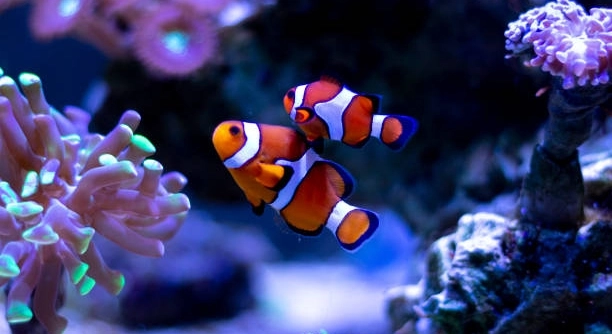
Do you ever notice how clownfish move gracefully among the coral reefs? These colorful fish seem to have a way of interacting beyond just swimming around. Observing their motions can reveal interesting behaviors that hint at communication.
Clownfish do use motion as a form of communication. Their body movements and gestures convey important social signals within their groups, helping them maintain hierarchy, coordinate activities, and respond to threats in their environment.
Understanding these subtle signals gives us a clearer picture of how clownfish live and interact in their underwater world. Exploring their motions can shed light on their social lives and survival strategies.
How Clownfish Use Motion to Communicate
Clownfish communicate using a variety of motions that help them express feelings and intentions. They use quick darting movements to show excitement or warn others. Slow, deliberate swimming often signals calmness or submission. These fish also use body postures, like tilting or raising their fins, to indicate dominance or readiness to mate. By observing these movements closely, scientists can understand the social structure within clownfish groups. The motions are subtle but carry meaning that helps the fish avoid conflict and work together. This nonverbal communication is essential for their survival, especially since clownfish live in close communities on coral reefs. Their movement-based signals allow them to maintain harmony and coordinate activities like feeding or defending their home.
These motion signals are part of a complex system that clownfish rely on daily. It shows how important body language is for animals, even underwater.
Watching how clownfish communicate through movement helps reveal their social habits. It highlights how even small actions can have big effects on group behavior and survival.
Importance of Motion in Clownfish Social Life
Motion is a key part of clownfish interaction. It helps them build trust and avoid fights.
The role of motion in clownfish social life is vital. Since clownfish live in small, tight-knit groups, clear communication helps reduce misunderstandings and aggression. Motion signals show social rank, letting lower-ranking fish recognize dominant ones without needing physical fights. This reduces injury and stress. Movement also plays a role during mating, where specific gestures can invite partners or indicate readiness. In defense, rapid motions warn others of danger and help coordinate group responses. These signals support cooperation and protect the group’s safety. By relying on motion, clownfish maintain a balanced social environment that helps them thrive on the reef. Understanding these interactions is important for appreciating their behavior and ecology. This knowledge can also guide efforts to protect their habitats and ensure their populations remain healthy.
Types of Motion Clownfish Use
Clownfish show different types of motion to communicate clearly. These include darting, fin flicking, and body tilting.
Darting is a quick burst of movement often used to get attention or warn others. Fin flicking involves small, rapid movements of the fins to signal curiosity or agitation. Body tilting can show submission or readiness to mate. These motions are part of a language that clownfish use daily to stay connected and coordinate their actions. Each type of movement carries meaning, helping the fish avoid misunderstandings and keep peace in their group.
Understanding these motions helps explain how clownfish survive and thrive. It shows that even simple movements can be powerful forms of communication underwater.
How Motion Helps Clownfish in Their Environment
Motion is crucial for clownfish to navigate their environment safely. It helps them stay alert and interact with other fish.
By using quick movements, clownfish can signal danger to their group and escape predators more effectively. Slow, controlled motions help them blend in with sea anemones, their protective homes. Motion also plays a role in feeding, where coordinated swimming allows clownfish to find and share food. These movements help clownfish maintain balance in their coral reef habitat. They also use motion to establish territories and avoid conflicts with other fish. This system of motion communication supports their survival and well-being in a complex underwater setting.
How Clownfish Learn Motion Signals
Clownfish pick up motion signals by watching others in their group. Young fish copy adults to understand meanings.
This learning helps them communicate better as they grow. It strengthens social bonds and helps avoid conflicts within their community.
Motion and Clownfish Mating Behavior
Motion plays an important role in clownfish mating. Specific movements show readiness and attract partners. These motions help ensure successful reproduction by signaling interest clearly and preventing misunderstandings between mates.
Future Research on Clownfish Communication
Scientists continue to study how motion works in clownfish communication. New discoveries may reveal even more about their social behavior and survival skills.
FAQ
How do clownfish use motion to communicate danger?
Clownfish use quick, sharp movements like darting or rapid fin flicking to signal danger. These sudden motions alert nearby fish to potential threats like predators. The fish may also swim toward the danger source to warn others or to assess the risk. This motion-based warning system helps the group stay safe and respond quickly.
Can clownfish communicate emotions through motion?
Yes, clownfish show emotions like stress, aggression, or calmness using body language. For example, slow, gentle swimming often signals calm or submission. Fast, jerky movements can mean agitation or warning. Raised fins might show dominance, while lowered fins can mean the fish is trying to avoid conflict. These subtle signals allow clownfish to express feelings without sound.
Do clownfish use motion to establish social hierarchy?
Motion is key for showing rank among clownfish. Dominant fish display confident, bold movements like upright postures and steady swimming. Submissive fish use slower, more cautious movements and may avoid direct eye contact. These motion cues help maintain order in the group without physical fights, reducing injury risks.
Is motion communication unique to clownfish?
No, many fish use motion to communicate. However, clownfish have a well-developed system due to their social nature. Their close living quarters require clear, frequent communication. Motion signals are often combined with color changes and chemical cues, making their communication complex but effective.
How do clownfish recognize different motions?
Clownfish learn to recognize motion signals through social interaction. Young fish watch adults and copy their movements. Over time, they understand what specific motions mean. This learning process helps them fit into the group’s social structure and respond appropriately to signals.
Does motion help clownfish during mating?
Absolutely. During mating, specific motions show readiness and interest. Males may perform courtship dances involving fin flicks and slow swims near females. Females respond with their own signals. These motions reduce confusion and help pairs form strong bonds for successful reproduction.
Can external factors affect motion communication in clownfish?
Yes, environmental changes like water clarity, pollution, or noise can impact how well clownfish communicate with motion. Poor visibility makes it harder to see subtle signals. Pollution can stress fish, changing their usual behavior. Understanding these effects is important for conservation efforts.
Are there tools scientists use to study clownfish motion?
Scientists use underwater cameras and slow-motion video to carefully observe clownfish movements. These tools help capture details invisible to the naked eye. Researchers analyze the patterns and context of motions to understand their meanings and social roles.
How important is motion compared to other communication methods?
Motion is very important but works alongside other signals like color changes and chemical cues. Together, these methods provide a complete communication system. Motion often carries immediate social messages, while colors or scents may signal longer-term status or health.
Do clownfish ever misinterpret motion signals?
Misinterpretations can happen, especially with young or new group members. This might cause brief conflicts or confusion. However, clownfish usually adjust quickly by observing responses and learning correct meanings, keeping their social life stable.
How do clownfish respond to motion from other species?
Clownfish are sensitive to movements of other fish nearby. They may react to large, fast motions as threats or ignore gentle motions from harmless species. Their ability to read motion helps them avoid predators and interact with reef neighbors.
Can motion communication be used to protect clownfish?
Understanding motion communication can help improve clownfish care in captivity and support reef conservation. Knowing how fish signal stress or danger allows caretakers to create better environments. Protecting their natural habitat ensures these communication behaviors remain effective.
Final Thoughts
Clownfish use motion as an important way to communicate with each other. Their movements send clear signals about feelings, social status, and warnings. These motions help clownfish live peacefully in their groups by reducing fights and misunderstandings. Watching how they move gives us a better understanding of their behavior and how they survive in coral reefs. The subtle body language of clownfish shows that even simple actions can have strong meanings in animal communication.
The way clownfish use motion is part of a larger system that includes colors and chemical signals. Together, these forms of communication help clownfish express themselves in different situations. For example, fast darting motions can warn about danger, while slow swimming can show calmness or submission. Movements during mating help pairs connect and reproduce successfully. This variety of signals helps clownfish adapt to their environment and maintain social balance. It also shows how important communication is for animals that live closely together.
Studying clownfish motion can teach us a lot about their social lives and how they interact with their environment. It also helps us understand how changes in the ocean, like pollution or habitat loss, might affect their ability to communicate. Protecting clownfish and their homes means supporting the natural behaviors that keep them healthy and safe. By paying attention to these simple motions, we can appreciate the complex ways animals share information and live together under the sea.

Hello,
If you enjoy the content that we create, please consider saying a "Thank You!" by leaving a tip.
Every little bit helps us continue crafting quality advice that supports the health, happiness, and well-being of pets around the world, for pets of all shapes, sizes, and species.
We really appreciate the kindness and support that you show us!