
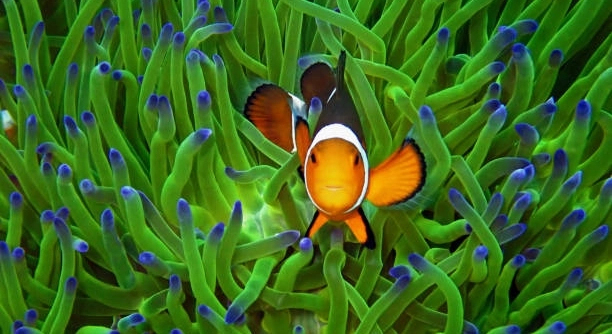
Do you ever find yourself watching your aquarium and wondering how your clownfish respond when something in their daily pattern shifts?
Clownfish are capable of adjusting to routine changes, but the speed and ease of their adaptation depend on the type of change, environmental stability, and individual temperament. Minor changes are often tolerated better than sudden or frequent disruptions.
Understanding how clownfish react to different adjustments can help you create a healthier and more stable environment in your tank.
How Clownfish React to Changes in Routine
Clownfish live in close partnership with sea anemones and rely heavily on patterns in their surroundings. In home aquariums, changes in feeding time, lighting, or tank mates can affect their behavior. If something shifts too suddenly, clownfish may show signs of stress like hiding more often or becoming less active. However, if changes happen gradually, they can usually adapt without too much trouble. They tend to adjust better to changes in light and feeding schedules than to new tank additions or sudden water changes. Their strong territorial behavior makes them sensitive to space and disruptions. Some clownfish might adapt quickly, while others take longer depending on age and past experiences.
Short disruptions in routine are less likely to cause long-term stress. Consistency and gradual shifts help clownfish feel more secure and respond better.
When introducing changes, try to keep a calm environment. Use dim lighting and steady water conditions to reduce stress reactions.
Factors That Influence Adaptability
Each clownfish reacts differently depending on its age, temperament, and past experiences.
Clownfish raised in captivity often adjust more easily to routine changes than wild-caught ones. Their early exposure to aquarium settings helps them become familiar with slight variations in light, food, and tank activity. Younger clownfish also tend to adapt faster than older ones, likely because their patterns are less fixed. Additionally, the presence of a bonded mate or stable anemone can provide a calming effect. These familiar anchors make it easier for the fish to cope with other changes happening around them. Tank size, water quality, and regular feeding all play a role in helping clownfish adjust comfortably. A steady environment with gentle transitions is key. Avoid loud noises, rapid temperature changes, or frequent rearrangements of tank decor, as these can cause confusion and stress. Watching your clownfish closely during changes can help you notice early signs of discomfort and make helpful adjustments.
Helping Clownfish Feel Safe During Changes
Clownfish rely on routine to feel secure, so it’s important to avoid sudden changes. If something needs to shift, try to space it out and let them adjust slowly.
Start by changing just one thing at a time. For example, if you need to switch feeding times, move it gradually by 10 to 15 minutes over several days. Keep the lighting and tank environment stable during this process. Avoid reaching into the tank more than necessary. If new decorations or fish are added, do it when the room is quiet and the lights are dim. Keep an eye on their body language—if they hide more than usual or refuse food, it might mean the adjustment is too fast.
Maintaining a consistent schedule helps clownfish relax, even when changes are needed. Feeding at the same times, using a regular light cycle, and keeping noise levels down all support smoother transitions.
Signs Your Clownfish Are Not Adjusting Well
Watch for changes in behavior like hiding for long periods, refusing food, or swimming erratically. These signs can show your clownfish are not comfortable with a recent change.
If stress continues, your clownfish may start avoiding their host anemone or hover near the tank bottom. You might also see paler coloring or rapid gill movement. These signs often mean the change was too fast or too big. Try reversing or slowing down the adjustment. Consistent tank maintenance helps lower stress, but sometimes it’s necessary to return to their previous routine for a while. Clownfish that feel unsafe may even nip at tank mates or act territorial. Create a calm, steady space for them to regain comfort. Avoid adding anything new until their behavior returns to normal. Patience and small steps make a big difference in helping your clownfish feel secure again.
Creating a Stable Tank Environment
Keep water conditions steady by checking temperature, pH, and salinity regularly. Sudden shifts in these can make clownfish anxious and less responsive to routine changes.
Use a timer for lights and stick to a predictable feeding routine. This helps clownfish feel safe even when other small changes happen.
The Role of Tank Mates
Clownfish tend to be territorial, so peaceful tank mates are best. Avoid aggressive species that may stress them out. When adding new fish, use a quarantine tank first. Introduce one fish at a time and monitor interactions closely. Stress from other fish can affect how well clownfish adjust to anything new.
Why Patience Matters
Clownfish do better when changes happen slowly. Rushing adjustments often leads to stress and health problems. Let them guide the pace.
FAQ
How long does it take for clownfish to adjust to a new routine?
The time varies depending on the type of change and the individual fish. Minor adjustments like feeding time shifts can take a few days to a week. Bigger changes, such as new tank mates or water parameter shifts, may require several weeks. Patience and slow transitions help shorten adjustment periods.
Can clownfish adapt to sudden changes in lighting or feeding?
Sudden changes usually cause stress. Clownfish prefer gradual shifts, especially with lighting and feeding schedules. Abrupt changes can lead to hiding, loss of appetite, or unusual behavior. Using timers for lights and consistent feeding times supports their comfort and helps them adjust smoothly.
What signs show that clownfish are stressed by routine changes?
Stress signs include hiding more often, reduced movement, loss of appetite, pale colors, and erratic swimming. Rapid gill movement or refusal to interact with their anemone are also indicators. If you notice these behaviors, it’s best to slow down changes or return to the previous routine.
Is it normal for clownfish to become territorial during changes?
Yes, clownfish can become more territorial when they feel insecure. Stress or new tank mates might make them guard their space aggressively. This behavior usually decreases once they feel safe again. Keeping the tank stable and introducing new fish carefully reduces territorial disputes.
Do clownfish adapt better in larger tanks or smaller ones?
Larger tanks often provide more hiding spots and space, which can help clownfish feel secure. However, tank stability matters more than size. Consistent water quality and environment are key to their comfort, regardless of tank size.
How important is the presence of a host anemone for adjustment?
A host anemone acts as a safe base for clownfish and helps reduce stress during changes. Clownfish bonded with anemones adjust faster because they have a secure place to retreat. Without anemones, they might show more stress in new or unstable conditions.
Can young clownfish adapt faster than older ones?
Generally, yes. Younger clownfish are more flexible and open to change because their routines are not yet fixed. Older fish might take longer to adjust since they are used to established patterns.
What environmental factors most affect clownfish adaptation?
Water temperature, pH, salinity, and tank noise all influence how clownfish handle changes. Sudden fluctuations can make adaptation harder. Stable conditions paired with slow, careful routine adjustments improve their response.
Should I change everything at once if I want to improve my clownfish’s environment?
No. Changing multiple things at the same time is overwhelming for clownfish. It’s better to change one factor at a time and allow the fish to settle before making another change. This reduces stress and helps you see what affects them most.
How can I help clownfish adjust if I add new tank mates?
Add new fish slowly and during quiet times. Use a quarantine tank first to prevent disease. Monitor interactions closely, and provide plenty of hiding spots. Avoid aggressive species to keep stress low and help clownfish maintain their routine comfortably.
What if my clownfish refuses to eat after a routine change?
Loss of appetite is a common stress sign. Try returning to the previous feeding schedule and ensure water quality is good. Offer favorite foods and keep the environment calm. If refusal lasts more than a few days, check for illness or other issues.
Are clownfish more sensitive to changes than other fish?
Clownfish are moderately sensitive because they rely on their environment for safety, especially their host anemone. While some fish adapt quickly, clownfish need a stable routine to feel secure and healthy.
Can stress from changes lead to illness in clownfish?
Yes. Stress weakens their immune system and can lead to diseases like ich or fin rot. Keeping changes slow and monitoring behavior helps prevent stress-related illnesses. Maintaining good water quality is also essential.
Is it helpful to rearrange tank decorations to help clownfish adjust?
Rearranging tank decor can cause confusion and stress. If needed, do it slowly and infrequently. Keeping the tank layout stable helps clownfish feel secure and supports easier adaptation to other changes.
What role does water quality play in adaptation?
Water quality is critical. Poor water conditions increase stress and make it harder for clownfish to handle routine changes. Regular testing and maintenance keep parameters stable, supporting smooth adjustment and good health.
How often should I monitor my clownfish during a change?
Check your clownfish daily for signs of stress or illness during any adjustment period. Early detection allows you to slow or reverse changes before problems develop. Keeping a close eye ensures their well-being throughout the process.
Clownfish are creatures that rely on routine and stability to feel safe and comfortable in their environment. Changes in their daily habits, such as feeding times, lighting schedules, or the addition of new tank mates, can affect how they behave and how quickly they adjust. While they can adapt to many changes, it usually takes time and patience. Sudden or frequent disruptions may cause stress and confusion. Providing a steady environment with slow, gradual changes allows clownfish to settle in without much trouble. This helps them stay healthy and active, which is important for any aquarium owner who wants their fish to thrive.
One of the key things to remember is that each clownfish is different. Some may adjust quickly to small changes, while others may take longer, especially if they are older or more sensitive. Their comfort often depends on several factors, including water quality, tank size, and the presence of a host anemone. An anemone gives clownfish a safe place to retreat, which can reduce their stress during adjustments. Watching your fish closely for signs like hiding, loss of appetite, or changes in color will help you understand how well they are coping. If you notice signs of stress, it is best to slow down or reverse recent changes and make sure the tank conditions are stable.
Creating a calm and predictable environment is the best way to help clownfish feel secure and adapt to changes. Using timers for lights, sticking to a regular feeding schedule, and keeping water parameters steady all play an important role. Avoiding rapid or multiple changes at once will reduce stress and keep your clownfish healthy. If you need to make adjustments, do so gradually and observe your fish’s reactions carefully. Being patient and attentive allows your clownfish to adjust naturally, leading to a happier and more peaceful tank for everyone involved.

Hello,
If you enjoy the content that we create, please consider saying a "Thank You!" by leaving a tip.
Every little bit helps us continue crafting quality advice that supports the health, happiness, and well-being of pets around the world, for pets of all shapes, sizes, and species.
We really appreciate the kindness and support that you show us!