
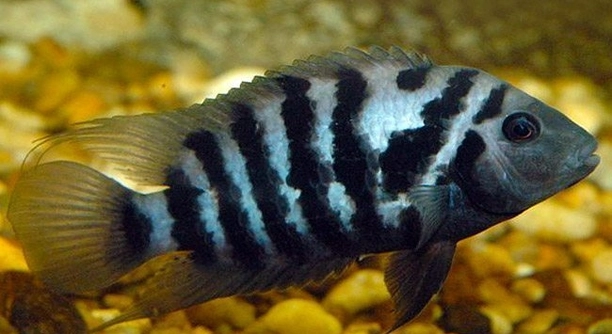
Do you have cichlids in your aquarium and wonder about their well-being? Many fish owners want to provide the best environment for their cichlids. Creating a suitable habitat includes considering their daily needs and habits.
Cichlids benefit from a consistent routine because it reduces stress and promotes natural behavior. Regular feeding times, lighting schedules, and tank maintenance help maintain their health and overall happiness in captivity.
Understanding how routine influences cichlid behavior can improve their care and environment. This article explains the role of routine in supporting their well-being and offers practical tips for fish owners.
Why Routine Matters for Cichlids
A regular routine helps cichlids feel secure and less stressed. Fish rely on predictable patterns to know when to eat and when it is time to rest. Inconsistent feeding or sudden changes in light can confuse them. Stress from unpredictability may lead to illness or aggressive behavior. When cichlids are fed at the same times each day, they develop a natural rhythm. This rhythm supports their digestion and overall health. Similarly, consistent lighting cycles mimic their natural environment. Cichlids become more active during the day and rest when the lights are off. Tank cleaning and water changes done on a schedule also prevent sudden environmental changes. These routines make their environment stable and support a longer, healthier life. Observing these simple routines shows respect for the fish’s natural needs and can improve their behavior and well-being in captivity.
Maintaining a routine benefits both the fish and the aquarium owner by creating predictability in care.
Routine reduces stress and improves the health of cichlids by establishing a stable environment that supports their natural behavior patterns.
Establishing a Daily Routine for Your Cichlids
Creating a daily schedule for feeding and tank maintenance helps your cichlids thrive. Feeding twice a day, at roughly the same times, is ideal. Use high-quality food suitable for their species to meet their nutritional needs. Monitor their feeding so you do not overfeed, which can harm water quality. Lighting should be on for about 10 to 12 hours a day to mimic natural day length. Keeping lights on a timer helps maintain consistency. Weekly water checks and partial water changes are important. These tasks should be done on the same days each week to avoid sudden shifts in water chemistry. Over time, your fish will adjust to the routine and become less stressed. This makes tank care easier and your cichlids happier. Establishing these habits creates a comfortable environment that supports healthy growth and behavior.
Following these guidelines will help build a stable and supportive home for your cichlids.
Consistency in feeding, lighting, and tank maintenance creates a balanced environment that encourages natural behavior and reduces stress for cichlids.
Signs Your Cichlids Thrive with Routine
Cichlids show clear signs when they adapt well to a routine. They eat eagerly at feeding times and display calm behavior. Their colors become brighter, and aggression decreases.
A steady routine encourages predictable activity. Fish swim confidently and explore the tank without hiding. They respond to light changes and feeding times consistently. These signs show that their environment feels safe and stable. When cichlids are less stressed, their immune system functions better, reducing the risk of disease. This results in healthier fish with longer lifespans. Maintaining a routine also helps you notice any unusual behavior early, so problems can be addressed quickly.
Routine helps cichlids build trust in their environment. As a result, their behavior and appearance improve, confirming that a regular schedule benefits them greatly.
Challenges When Maintaining a Routine
Unexpected changes can disrupt a cichlid’s routine, causing stress. Power outages or busy schedules might affect feeding or lighting. Even minor shifts in tank maintenance can unsettle the fish. This can lead to decreased appetite and increased hiding.
Sticking to a routine requires planning. Using timers for lights and setting alarms for feeding help maintain consistency. If you travel, arranging care in advance prevents interruptions. Sudden changes in water quality or temperature must be avoided. Monitoring tank conditions regularly ensures stability. Flexibility is necessary for emergencies, but returning to the routine quickly is important to minimize stress.
While challenges arise, preparation and commitment make it easier to maintain a stable routine that supports your cichlids’ health and happiness.
Adjusting Routine for Different Cichlid Species
Different cichlid species may need slight changes in their routine. Some require more frequent feeding or longer lighting hours. Observing your fish helps tailor the schedule.
Adjust routines based on behavior and water conditions. This ensures each species stays healthy and comfortable in its environment.
Feeding Tips for Routine Success
Feed your cichlids high-quality food in measured amounts to avoid overfeeding. Remove uneaten food promptly to maintain water quality. Consistency in feeding times supports digestion and reduces stress.
Using Timers to Keep Routine Consistent
Timers for lights and feeders help maintain regular schedules. Automation reduces the chance of human error and keeps your cichlids’ environment stable.
Monitoring Your Cichlids’ Behavior
Regular observation is key to understanding how well your routine works. Changes in activity or appetite signal adjustments may be needed.
FAQ
Do cichlids really need a strict routine to stay healthy?
While cichlids don’t require a rigid schedule, a consistent routine benefits their health and behavior. Predictable feeding times and lighting cycles reduce stress and support natural rhythms. This stability helps their immune systems and encourages normal activity. Sudden changes or irregular care can lead to aggression or illness.
How often should I feed my cichlids to maintain a good routine?
Feeding cichlids twice a day is generally recommended. Providing small portions that they can finish within a few minutes prevents overfeeding and keeps water clean. Consistent feeding times create a natural pattern that supports digestion and keeps your fish comfortable.
Can I change my cichlids’ routine on weekends or days off?
It’s best to keep routines consistent even on weekends. Sudden changes in feeding or lighting can confuse cichlids and cause stress. If your schedule varies, consider using automatic feeders and timers to maintain stability when you are unavailable.
What if my cichlids seem bored or inactive despite a routine?
Boredom or inactivity can be signs of poor water quality, insufficient hiding spots, or wrong tank mates. Routine alone isn’t enough. Make sure the environment is enriching and clean. Adding plants, rocks, or decorations can encourage natural behavior and reduce stress.
How important is lighting in a cichlid’s routine?
Lighting is critical for regulating cichlids’ daily cycles. About 10 to 12 hours of light per day mimics natural conditions. Use timers to keep the lighting schedule steady. Sudden changes or too much light can cause stress and affect behavior.
Can cichlids handle occasional missed feedings?
Occasional missed feedings usually don’t harm healthy adult cichlids, but regularly skipping meals can weaken them. Consistent feeding helps maintain their metabolism and energy. If you miss a feeding, resume the normal schedule as soon as possible.
Does tank cleaning affect my cichlids’ routine?
Yes, tank cleaning impacts their environment and routine. Partial water changes should be done regularly but carefully to avoid sudden changes in water chemistry. Doing this on a fixed schedule helps keep cichlids comfortable and healthy.
What are signs that my cichlids are stressed from a disrupted routine?
Stress signs include hiding more than usual, loss of appetite, faded colors, and unusual aggression. These may indicate that their environment is unstable. Returning to a consistent routine with proper care can help them recover.
Is it okay to adjust routine as my cichlids grow?
Yes, adjustments may be needed as cichlids mature. Juveniles often need more frequent feeding. Adult fish may require changes in lighting or tank conditions. Observing their behavior will guide the best adjustments.
Can different species of cichlids share the same routine?
Species with similar care requirements can often share a routine, but some need specific feeding schedules or environmental conditions. Research each species carefully and adjust the routine to meet their needs without causing stress.
How do I keep a routine during vacations or absences?
Plan ahead by using automatic feeders and timers for lighting. Arrange for a trusted caretaker if needed. This helps maintain consistency and prevents stress caused by sudden changes in care.
What role does water temperature play in a cichlid’s routine?
Water temperature affects metabolism and activity. Keeping the temperature stable within the recommended range for your species supports a healthy routine. Sudden temperature swings can cause stress and illness.
Can I train my cichlids to recognize feeding times?
Yes, cichlids can learn to associate certain cues like light changes or your presence with feeding time. This training supports routine and reduces anxiety around feeding.
Is it harmful to feed cichlids at different times every day?
Feeding at irregular times can disrupt their natural rhythm and increase stress. A consistent schedule supports digestion and overall health. Strive to feed your cichlids at the same times daily.
How long does it take for cichlids to adjust to a new routine?
Adjustment time varies but usually takes a few days to a week. During this period, watch for signs of stress or discomfort and make gradual changes if needed.
This FAQ covers common concerns about routines for cichlids, aiming to improve care and fish well-being. Consistency and attention to their specific needs help create a stable environment that promotes their health and happiness.
Creating a stable routine for cichlids plays an important role in their overall well-being. Regular feeding times, consistent lighting, and scheduled tank maintenance help reduce stress and support natural behavior. When cichlids know what to expect in their environment, they tend to be healthier and more active. Maintaining this routine is a simple but effective way to improve their quality of life in captivity.
A routine also benefits the aquarium owner by making care easier and more predictable. When feeding and cleaning happen on a schedule, it reduces the chances of forgetting important tasks or overfeeding. Automation tools like timers and automatic feeders can help keep the routine consistent, even during busy or unexpected days. While some flexibility may be necessary in certain situations, returning to the routine quickly is important for the fish’s comfort and health.
Overall, understanding and respecting the needs of cichlids through routine care supports a healthy aquarium environment. Each species may have slight differences, but the basics of a steady schedule remain the same. Paying attention to how your cichlids respond and adjusting as needed can lead to happier, healthier fish. A good routine, combined with proper nutrition and clean water, creates the best conditions for your cichlids to thrive.

Hello,
If you enjoy the content that we create, please consider saying a "Thank You!" by leaving a tip.
Every little bit helps us continue crafting quality advice that supports the health, happiness, and well-being of pets around the world, for pets of all shapes, sizes, and species.
We really appreciate the kindness and support that you show us!