
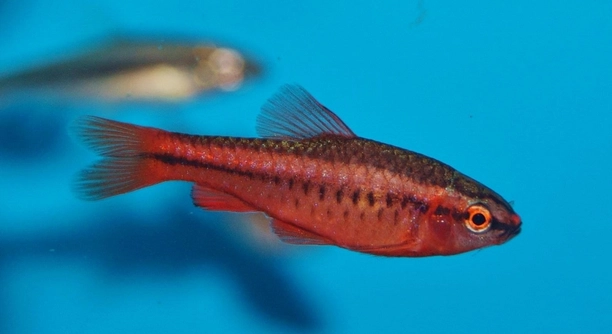
Cherry Barbs are known for their vibrant colors and curious nature. If you’ve ever caught them watching you outside the tank, you may wonder what this behavior means. It’s a fascinating aspect of their behavior.
Cherry Barbs, like many fish, are highly responsive to their surroundings. They may appear to “watch” you as they associate movement outside the tank with potential food or interaction. This behavior is driven by curiosity and the instinct to investigate their environment.
Understanding this behavior can enhance your relationship with these charming fish. The more you observe, the better you can interpret their responses.
Why Cherry Barbs Watch You Outside the Tank
Cherry Barbs are highly social fish that thrive on interaction. They often appear to “watch” their owners because they are curious about their surroundings. These fish have excellent vision, and they can see movement outside the tank, which attracts their attention. When they notice you, they may swim toward the glass, almost as if they are seeking some form of connection. This behavior is not unusual for fish with active and inquisitive personalities. In many cases, it’s a sign that they feel comfortable enough to engage with their environment.
The movement outside the tank can trigger a response, especially if the fish associate it with feeding time. Cherry Barbs learn quickly and may begin to recognize your habits. Over time, they may begin to expect food or attention when they see you, reinforcing this behavior.
If you want to keep your Cherry Barbs engaged, provide them with enriching activities inside the tank. A well-maintained aquarium with plants, caves, and other hiding spots will keep them occupied and reduce the chance of them focusing solely on you. Regular tank maintenance and interaction will also foster a bond, making these curious fish more comfortable around you.
The Role of Tank Environment in Behavior
The design of your aquarium can have a large impact on how Cherry Barbs behave. Providing various objects, plants, and hiding places helps simulate a natural habitat, which encourages them to explore their surroundings. This can reduce the constant focus on external stimuli, such as you.
A cluttered tank offers a more immersive experience for your Cherry Barbs. It gives them places to explore and hide, encouraging natural behaviors. It also promotes the fish’s mental and physical well-being, preventing stress caused by an overly barren tank.
Cherry Barbs will feel more secure in a well-balanced environment, and the need to “watch” you will likely decrease as they feel more at ease in their habitat. Adding more hiding spots gives them a sense of safety, which can reduce their focus on external movements, allowing them to thrive in a peaceful, enriched space.
Are Cherry Barbs Aggressive?
Cherry Barbs are generally peaceful fish, often kept in community tanks without issues. They tend to be non-aggressive toward other species and show minimal territorial behavior. However, like many fish, they may become slightly more territorial during breeding periods. This temporary aggression is not dangerous but should be noted when introducing new tank mates.
They are small and relatively calm, making them ideal for a variety of tank setups. In a community tank, they usually get along well with other non-aggressive species. However, you should avoid housing them with very large or aggressive fish. Cherry Barbs feel more comfortable when surrounded by peaceful companions. If you notice any signs of stress or aggression, adjusting the tank environment or moving fish around may be necessary. Providing plenty of hiding spots can help reduce any territorial behavior.
Fish that share similar temperament and size with Cherry Barbs are ideal companions. Avoid species that could potentially intimidate them, as this may result in stress and hinder their natural behaviors. The more peaceful the environment, the better your Cherry Barbs will thrive.
How to Tell If Your Cherry Barb Is Healthy
A healthy Cherry Barb displays bright, vibrant colors and an active swimming pattern. Their fins should be fully extended, and they should swim freely, often interacting with the surroundings. If your Cherry Barb is swimming erratically or staying in one place for too long, it may be a sign of stress or illness.
The key indicators of a healthy Cherry Barb include clear eyes, smooth fins, and active movement. Make sure they’re eating properly and showing interest in the food you offer. Healthy Cherry Barbs are typically not shy and will approach the tank’s surface during feeding. Regular observation can help you detect early signs of health problems.
Pay attention to your Cherry Barb’s behavior and appearance. Any visible lesions, faded colors, or irregular swimming patterns may be a sign of an issue. If you notice any of these symptoms, it’s essential to check water parameters and assess the tank environment.
Feeding Cherry Barbs
Cherry Barbs are not particularly picky eaters. They will consume a variety of foods, from flake food to live or frozen options like brine shrimp or daphnia. Offer a balanced diet to maintain their health, with occasional treats to keep them interested.
Feeding them once or twice a day is usually sufficient, ensuring they don’t overeat. You can also offer vegetable-based foods, like blanched spinach or zucchini, to provide essential nutrients. Cherry Barbs will enjoy a varied diet, which will help enhance their coloration and activity levels. Make sure not to overfeed, as this can lead to water quality issues.
Tank Size for Cherry Barbs
A minimum of a 20-gallon tank is recommended for Cherry Barbs. They are small fish, but they are active swimmers, so space to move around is crucial. A larger tank can also help maintain water quality and reduce stress levels for the fish.
Having a tank with good filtration and regular maintenance will keep the environment clean and healthy for your Cherry Barbs. Remember to maintain a stable temperature and water parameters that are appropriate for these fish. A tank with adequate space promotes their well-being and ensures they can interact with other tank mates comfortably.
Cherry Barbs and Tank Mates
Cherry Barbs are peaceful and do well with other non-aggressive fish. They thrive in groups and should be kept in schools of at least five or more. This social nature makes them a good addition to community tanks.
When selecting tank mates, avoid fish that may stress or outcompete the Cherry Barbs for food. Smaller, similarly peaceful species, like tetras, rasboras, or guppies, make great companions. These fish share similar environmental needs, which ensures a harmonious tank. Always monitor interactions to make sure no fish is being bullied.
FAQ
Do Cherry Barbs need to be in schools?
Yes, Cherry Barbs should be kept in schools of at least five or more. Being social fish, they feel more comfortable and secure in groups. A school of Cherry Barbs allows them to interact naturally, reducing stress and promoting their overall well-being. Keeping them in small numbers may cause them to feel insecure, and they may hide more often. A group of five or more provides the necessary social interaction and helps reduce any territorial behavior, as they’re less likely to focus on other tank mates.
What is the ideal water temperature for Cherry Barbs?
Cherry Barbs thrive in temperatures between 72-79°F (22-26°C). This range mimics their natural habitat in warm, subtropical environments. Maintaining a stable temperature is essential for their health, as fluctuations can lead to stress or illness. Make sure to use a reliable aquarium heater to keep the temperature consistent, especially during colder months. Keep the tank away from drafty areas, as sudden temperature changes can cause problems for your fish.
How often should I change the water in my Cherry Barb tank?
Water changes should be done every one to two weeks, depending on the size of your tank and the number of fish. For a 20-gallon tank with a few Cherry Barbs, you should aim to change 25-30% of the water during each session. If you have more fish or a smaller tank, you may need to change the water more frequently. Regular water changes are essential to maintain water quality, remove toxins, and keep your fish healthy. Always test the water parameters before adding new water to ensure they are within the ideal range for Cherry Barbs.
Can Cherry Barbs live with other fish?
Yes, Cherry Barbs are peaceful and can live with many other species of similar temperament. They are ideal for community tanks, as long as their tank mates are not aggressive. Small, non-aggressive fish like tetras, rasboras, and guppies are excellent companions. Larger or more aggressive fish may intimidate Cherry Barbs, so it’s best to avoid those. Cherry Barbs are also great with other species of barb, as they share similar needs and temperaments. When adding new fish, monitor interactions to ensure no one is being bullied or stressed.
Are Cherry Barbs hard to care for?
No, Cherry Barbs are relatively easy to care for. They are hardy and adaptable to a wide range of water conditions. With the right tank setup, regular maintenance, and a balanced diet, they can thrive. One important aspect of care is ensuring stable water parameters, as they are sensitive to drastic changes in water quality. They don’t require special equipment, but providing a filter, heater, and good-quality food will help them stay healthy. Cherry Barbs are a great choice for beginner fish keepers.
Do Cherry Barbs require a lot of space?
While Cherry Barbs are small fish, they do require a reasonable amount of space to swim and explore. A tank size of at least 20 gallons is ideal for a small group. This gives them room to move and reduces stress. A larger tank is preferable if you plan to keep more fish or have decorations that take up space. Cherry Barbs enjoy swimming in open water, so providing an aquarium that is both spacious and well-decorated with plants and hiding spots will ensure they feel secure.
Can Cherry Barbs eat vegetables?
Yes, Cherry Barbs can eat vegetables. In fact, adding plant-based foods to their diet is a good way to provide variety and extra nutrients. Blanched vegetables like spinach, zucchini, and peas are excellent choices. These foods can be offered alongside regular fish flakes or live/frozen foods like brine shrimp. Make sure to remove any uneaten vegetables from the tank after a few hours to prevent water contamination. Adding vegetables helps to mimic their natural diet, as they are omnivores and enjoy both plant and animal matter.
How can I tell if my Cherry Barb is sick?
Signs of illness in Cherry Barbs include faded colors, abnormal swimming behavior (such as swimming upside down or staying at the bottom of the tank), and lethargy. If they stop eating or seem overly shy, these could also be signs of stress or illness. Additionally, if you notice lesions, fin damage, or any visible parasites, this should be addressed immediately. Check water quality regularly, as poor conditions are often the root cause of health problems. If symptoms persist, consider isolating the affected fish in a quarantine tank and seeking advice from an aquarium specialist.
What should I feed my Cherry Barbs?
Cherry Barbs are omnivores and enjoy a variety of foods. A balanced diet should consist of high-quality fish flakes, which can be supplemented with live or frozen foods like brine shrimp, bloodworms, and daphnia. You can also feed them small amounts of vegetables, like blanched spinach or zucchini. To promote their health and vibrant colors, feed them a mix of protein and plant-based foods. Feed them once or twice a day, and be mindful of portion sizes to avoid overfeeding, which can lead to water quality issues.
Do Cherry Barbs breed easily in captivity?
Cherry Barbs are relatively easy to breed in captivity, though it’s best to set up a breeding tank with specific conditions. They are egg layers and typically breed when water temperature and conditions are right. Provide a separate breeding area with plenty of plants, as the eggs will stick to the surfaces. Once the eggs hatch, the fry should be removed from the main tank to prevent them from being eaten. Breeding Cherry Barbs can be a rewarding experience, but it requires attention to detail in maintaining the right environment.
Final Thoughts
Cherry Barbs are hardy, peaceful fish that make an excellent addition to most community tanks. They are easy to care for and don’t require complex setups. Their small size and calm nature make them ideal for both beginners and experienced aquarium owners. Whether you’re looking to add a pop of color or fill your tank with active, social fish, Cherry Barbs are a great choice. With the right care, they can thrive in a well-maintained aquarium for several years.
A balanced diet, appropriate tank mates, and stable water conditions are all essential to keeping Cherry Barbs healthy. Regular water changes, a good filtration system, and monitoring temperature and water quality are crucial. Offering a variety of foods will keep them engaged and ensure they get the necessary nutrients. Since they are omnivores, a diet rich in both plant and animal matter helps them maintain their vibrant coloration and overall health. Providing them with a school of their own kind will also reduce stress and encourage natural behaviors.
Cherry Barbs are adaptable fish that can live in various environments, as long as the water conditions are right. They are not particularly difficult to breed, though you’ll need to provide the right setup for successful reproduction. While they do well in community tanks with other peaceful fish, it’s important to avoid aggressive species that may stress them. When cared for properly, Cherry Barbs can be a delightful addition to your aquarium, offering both beauty and activity without being too demanding. Their peaceful nature, combined with their vibrant colors, makes them a joy to keep.

Hello,
If you enjoy the content that we create, please consider saying a "Thank You!" by leaving a tip.
Every little bit helps us continue crafting quality advice that supports the health, happiness, and well-being of pets around the world, for pets of all shapes, sizes, and species.
We really appreciate the kindness and support that you show us!