
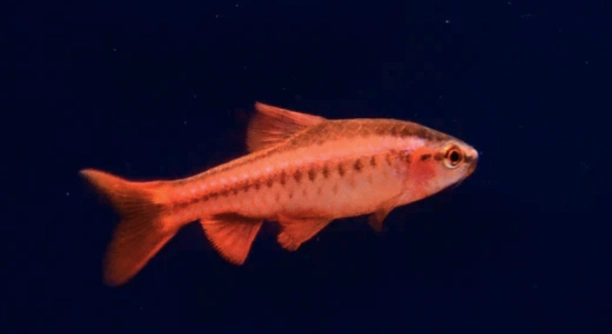
Cherry barbs are a popular freshwater fish, known for their vibrant colors and peaceful nature. As they age, many fish owners may wonder if their activity levels, including sleep patterns, change over time. Understanding this can help maintain their well-being.
Cherry barbs typically show changes in behavior as they age. As they grow older, they may experience longer resting periods and more frequent naps. These changes are part of natural aging, where older fish become less active compared to their younger counterparts.
The following article will explain how aging can impact the sleep habits of cherry barbs. It will also provide insights into how to ensure they stay healthy.
How Cherry Barbs Sleep as They Age
As cherry barbs age, their overall behavior and activity levels tend to change. Younger fish are more active, swimming around and exploring their environment. However, as they grow older, their energy levels naturally decrease. This can lead to longer periods of rest and fewer swimming activities. While they may not be as active as they once were, older cherry barbs still require a proper environment to stay healthy.
Older cherry barbs may seem less energetic, but this doesn’t mean they are unhealthy. In fact, longer periods of rest are natural for aging fish, and it’s essential to observe their overall well-being to ensure they are comfortable in their environment.
You might notice your cherry barb spending more time at the bottom of the tank or resting more frequently. To support their health, consider maintaining a stable tank environment, providing nutritious food, and ensuring they have plenty of hiding spots. While they may sleep more, older cherry barbs can still live happily with the right care.
Changes in Sleep Habits as Cherry Barbs Age
As cherry barbs age, their sleep patterns shift. Younger fish tend to be more active throughout the day and night, exploring the tank and engaging with their surroundings. However, older cherry barbs may have shorter periods of activity, spending more time resting or hiding. This change in behavior is a normal part of aging.
Sleep patterns in older cherry barbs can also vary depending on water temperature, diet, and the presence of stressors. A stable tank environment can help minimize stress and encourage better sleep. Additionally, providing a healthy diet is crucial to their overall well-being as they age. Proper tank care, including regular water changes, can also prevent illness and discomfort that might disrupt their sleep.
It’s important to note that older cherry barbs may also slow down their social interactions. While they may no longer be as playful or curious, they still need a proper environment to thrive. Regular monitoring of their behavior will help ensure they stay in good health.
Factors That Affect Sleep Patterns in Cherry Barbs
The environment plays a major role in the sleep patterns of cherry barbs. Water temperature, tank size, and water quality can all impact how well they rest. A stable environment encourages healthy sleep cycles.
Older cherry barbs are more sensitive to changes in water quality. Poor water conditions, such as high ammonia or nitrate levels, can lead to stress, disrupting their sleep. Maintaining consistent water parameters is crucial. Regular water changes and proper filtration will help create a peaceful environment where your fish can rest without disruptions.
Additionally, cherry barbs prefer a tank with plants and hiding spots. These features allow them to feel secure, especially as they age. Providing these elements can make a significant difference in how well they sleep, reducing anxiety and encouraging better rest. A tank with plenty of cover makes them feel more at ease and can promote a more restful environment.
How to Support Older Cherry Barbs
Supporting older cherry barbs involves ensuring they have the right environment and care. Regular monitoring of water quality, feeding habits, and tank setup helps reduce stress. A comfortable, stable environment is key.
Older cherry barbs may not swim around as much, but they still need regular meals and care. Offering a varied diet helps ensure they get the nutrients they need, even as they become less active. Frozen or live foods, such as brine shrimp or bloodworms, can be a good addition to their diet. This variety can stimulate their appetite and keep them healthier longer.
Additionally, it’s important to check for any signs of illness or discomfort. If you notice a decrease in appetite, excessive rest, or unusual behavior, these may indicate underlying health issues. Prompt attention to any potential problems can prevent further stress and keep your older cherry barb comfortable in its environment.
Sleep and Feeding Habits
Older cherry barbs may have different feeding patterns as they age. They tend to be less active, which can result in slower digestion and reduced appetite. Adjusting feeding schedules or portion sizes can help ensure they’re getting the proper nutrients.
When you notice that your cherry barbs are sleeping more, it’s a good time to reassess their feeding habits. Overfeeding can lead to water quality issues, while underfeeding can affect their health. Offering smaller, more frequent meals may encourage better digestion and help maintain a stable environment.
Environmental Changes
Changes in the tank environment can also impact sleep patterns. Cherry barbs, like most fish, thrive in stable conditions. If there are sudden changes, such as a change in water temperature or lighting, it could disrupt their sleep.
It’s essential to keep the lighting consistent. Cherry barbs rely on a regular day-night cycle for sleep. Keeping the tank’s lighting on for around 10-12 hours a day and off during the night will provide the proper conditions for them to rest.
FAQ
Do cherry barbs sleep more as they age?
Yes, cherry barbs generally sleep more as they get older. As they age, their activity levels decrease, and they may spend more time resting or hiding. This is a normal part of the aging process. Older cherry barbs are less likely to swim around constantly, opting for longer periods of rest instead.
Can stress impact the sleep of cherry barbs?
Yes, stress can significantly affect the sleep of cherry barbs. Factors such as poor water quality, overcrowding, or aggressive tank mates can cause anxiety and disturb their sleep patterns. Stress can lead to longer periods of inactivity, or they may appear lethargic. It’s essential to create a peaceful environment with stable water conditions to reduce stress.
What water temperature is best for cherry barbs?
Cherry barbs thrive in water temperatures ranging from 74°F to 79°F (23°C to 26°C). Maintaining a consistent temperature within this range is crucial for their well-being, especially as they age. Sudden fluctuations in temperature can lead to stress and disrupt their sleep cycles.
How can I tell if my cherry barb is sick?
Signs that your cherry barb may be sick include abnormal swimming patterns, loss of appetite, faded colors, and excessive rest or lethargy. If your fish is spending more time near the bottom of the tank or staying in one spot, it could be a sign of illness. Regular observation and water quality checks are essential.
Do cherry barbs need a large tank?
While cherry barbs don’t require a massive tank, they do benefit from adequate space to swim and explore. A tank size of at least 20 gallons is recommended for a small group of cherry barbs. A larger tank allows for more hiding places, helping them feel secure, especially as they age.
How often should I feed my cherry barbs?
You should feed your cherry barbs once or twice a day. It’s important not to overfeed, as this can lead to water quality problems. Older fish may not be as hungry as younger ones, so offering smaller, more frequent meals can help them get the nutrients they need without overwhelming their system.
Do cherry barbs sleep at night?
Yes, cherry barbs generally follow a day-night cycle. They tend to be more active during the day and rest during the night. However, their sleep cycle can be influenced by factors like tank lighting and water conditions. Consistent lighting will help regulate their sleep patterns.
How can I improve the sleep environment for my cherry barbs?
To improve the sleep environment for your cherry barbs, ensure the tank is well-planted with plenty of hiding spots. Cherry barbs feel secure when they have places to rest. Reducing tank light intensity during the night and keeping the water quality optimal will also help them sleep better.
Do cherry barbs prefer certain types of tank mates?
Cherry barbs are peaceful fish and generally get along well with other small, non-aggressive fish. Ideal tank mates include other peaceful species like rasboras, tetras, and Corydoras catfish. Avoid aggressive or large fish, as they may cause stress and disturb the peaceful nature of the cherry barbs.
Is it normal for older cherry barbs to stop eating sometimes?
Yes, it’s normal for older cherry barbs to eat less as they age. Their metabolism may slow down, and they may not be as interested in food. However, if they consistently refuse food for more than a few days, it’s important to check for signs of illness and assess the water quality.
Final Thoughts
Cherry barbs, like many other fish, experience changes as they grow older. These changes can include longer periods of rest and less activity. As they age, their sleep patterns become more noticeable, with older fish spending more time resting compared to their younger, more active counterparts. While this is a normal part of aging, it’s important to pay attention to their overall behavior to ensure they remain healthy and comfortable.
Creating the right environment for older cherry barbs is essential to their well-being. This includes maintaining stable water conditions, keeping the tank clean, and providing enough hiding spots for security. Cherry barbs are peaceful fish, and a calm, stress-free environment will encourage healthy sleep and reduce the likelihood of stress-related health issues. Consistent water temperature and proper filtration will also help ensure that the water remains clean, giving them the best chance at living a comfortable life in their later years.
Monitoring their sleep patterns and behavior regularly is key to understanding if your cherry barbs are doing well. If you notice any unusual behavior, such as a lack of appetite or difficulty swimming, it could be a sign that something is wrong. It’s always a good idea to check water quality and make sure they’re not being disturbed by aggressive tank mates or environmental stress. By taking these steps, you can ensure that your cherry barbs stay healthy and happy throughout their lives, regardless of age.

Hello,
If you enjoy the content that we create, please consider saying a "Thank You!" by leaving a tip.
Every little bit helps us continue crafting quality advice that supports the health, happiness, and well-being of pets around the world, for pets of all shapes, sizes, and species.
We really appreciate the kindness and support that you show us!