
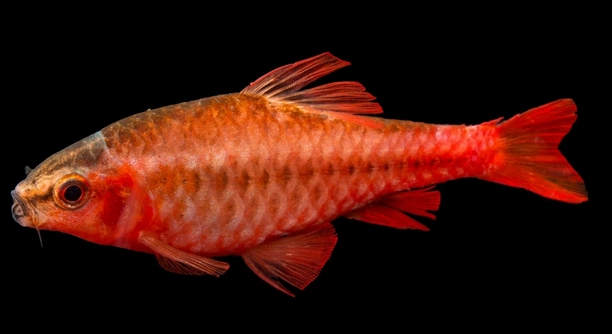
Cherry barbs are small, vibrant fish that can be a delightful addition to your aquarium. Understanding their behavior and needs can help ensure their well-being, especially when it comes to their feeding schedule.
Cherry barbs do indeed recognize feeding time. They have an innate ability to anticipate regular feeding patterns. This behavior is influenced by both their natural instincts and the environment they are kept in, such as the presence of light or the sound of feeding routines.
Understanding how cherry barbs respond to their feeding schedule is key to providing them with the best care.
How Cherry Barbs Learn Feeding Times
Cherry barbs are quick to adapt to routines, particularly when it comes to feeding times. They are sensitive to environmental cues, such as light levels or the sounds of food being prepared. Over time, they associate these triggers with food, which can help them learn to expect meals at specific times. In many cases, they will approach the feeding area as the usual feeding time nears, even if no food is visible. This behavior is a result of conditioning, where the fish start to anticipate meals based on prior experiences.
Their behavior also shows that cherry barbs are intelligent enough to recognize patterns. This makes it easier for aquarium owners to establish consistent feeding times. They can quickly begin to react to these schedules, making it easier to care for them.
Once a feeding schedule is established, you will notice your cherry barbs becoming more active and alert when the time approaches. This reaction is a simple yet fascinating behavior that showcases their ability to adapt to routine feeding.
How Feeding Schedules Impact Their Health
Consistent feeding times have a direct impact on the health of your cherry barbs. When they know when to expect food, they are less likely to become stressed or overeat. This structure helps them maintain a balanced diet and avoid the potential for digestive issues. By feeding your cherry barbs at the same time each day, you can improve their overall well-being.
In addition, regular feeding schedules support their natural biological rhythms, promoting healthier behavior and growth. When cherry barbs anticipate meals, it can reduce anxiety and increase their comfort in the aquarium. They learn to trust their environment, knowing when to expect nourishment.
Setting a feeding routine for your cherry barbs creates a stable and predictable environment. This contributes to a stress-free atmosphere, which helps them thrive in their habitat. By reinforcing their natural instincts and promoting regularity, you are ensuring their health for the long term.
How Cherry Barbs React to Feeding Cues
Cherry barbs respond quickly to feeding cues, such as the sound of food being sprinkled into the water or the presence of their owner. Their recognition of these signals is tied to their instinct to associate familiar actions with nourishment. When these cues are consistent, cherry barbs become more active and eager as feeding time approaches. This behavior is driven by learned patterns that reinforce their expectation of food.
Over time, cherry barbs develop a strong connection between their environment and feeding. They may swim to the front of the tank or follow movements that they associate with food being provided. This behavior reflects their ability to adapt to their surroundings. Their responsiveness can be an enjoyable aspect of keeping cherry barbs, as they display clear signs of recognition and anticipation.
Understanding how these fish react to cues can help owners provide a more organized and stress-free feeding routine. Cherry barbs thrive when their environment is predictable, and feeding times are one of the most noticeable areas where this becomes apparent.
Benefits of Feeding at Regular Intervals
Feeding cherry barbs at regular intervals helps maintain a stable routine. It reduces stress, as they know exactly when to expect their meals. This routine also aids in digestion, allowing them to process food efficiently and avoid overfeeding. By sticking to a consistent feeding schedule, owners can manage the health of their fish more easily.
A regular feeding time helps establish trust between the fish and their owner. It can make the fish more comfortable with their tank and less anxious. Furthermore, it allows for better control over portion sizes, ensuring the fish get the right amount of nutrition. With predictable feeding times, the cherry barbs are less likely to engage in food aggression or compete with each other.
By following a routine, aquarium owners can observe their fish’s feeding habits closely. This enables them to adjust food amounts or types if necessary. Regular intervals also allow for healthier growth, as the fish’s digestive system can process the food without interruptions.
Cherry Barbs and Their Feeding Behavior
Cherry barbs tend to be social fish and often eat together. When feeding time arrives, they will eagerly group near the food source. This behavior suggests they not only recognize feeding time but also associate it with communal eating.
They are not territorial during feeding, which makes them easy to feed in a community tank. This cooperative behavior ensures that they can share space with other fish without becoming aggressive. Cherry barbs are relatively peaceful, and their response to feeding time reflects their calm nature, especially when they know food is available.
Factors Influencing Feeding Time Recognition
Several factors influence how quickly cherry barbs recognize feeding time. The main one is consistency in feeding schedules. Once they associate specific times with food, they will naturally become more responsive. The presence of light and the sounds of food preparation also act as cues.
These fish are sensitive to their environment, and consistent routines can help them feel secure. A change in lighting or the addition of a new feeding method may disrupt their routine temporarily. However, once they adapt, they will begin to recognize these changes as part of their feeding schedule, reinforcing their pattern.
How Cherry Barbs Know When to Expect Food
Cherry barbs have keen senses that help them identify feeding times. They can pick up on slight shifts in their surroundings, like the movement of the owner or the smell of food. These sensory cues are important for establishing predictable feeding routines.
FAQ
Do cherry barbs need to be fed at the same time every day?
While it is not absolutely necessary to feed cherry barbs at the exact same time every day, it helps to establish a routine. When fed at consistent times, cherry barbs can better recognize feeding cues and develop a sense of security. This reduces stress and promotes healthier eating habits. However, if your schedule changes occasionally, they will still adjust over time.
How often should I feed my cherry barbs?
Feeding your cherry barbs once or twice a day is usually sufficient. Overfeeding can lead to water quality issues, so it’s important to monitor their consumption. A good rule is to offer an amount they can consume in 2 to 3 minutes. This ensures they get enough nutrients without overfeeding.
Can cherry barbs survive without feeding for a day or two?
Yes, cherry barbs can survive without food for a day or two. They are quite resilient and can go without food for short periods. However, regular feeding is crucial for their long-term health, so it’s best to maintain a routine for their well-being.
What should I feed my cherry barbs?
Cherry barbs are omnivorous, so they can eat a variety of foods. A high-quality flake or pellet food designed for tropical fish is a good staple. They will also enjoy live or frozen food like brine shrimp, bloodworms, and daphnia, as well as blanched vegetables like zucchini or spinach.
Can cherry barbs be overfed?
Yes, overfeeding cherry barbs is a common mistake that can lead to health problems, including obesity and water quality issues. To prevent overfeeding, only provide small amounts of food that the fish can consume in a few minutes. It’s better to feed them smaller portions multiple times a day than to give too much food at once.
How do I know if my cherry barbs are eating enough?
Healthy cherry barbs will be active and will respond quickly when food is introduced to the tank. They should also appear well-nourished with bright colors. If you notice that your fish are consistently ignoring food or seem lethargic, it could indicate that they are not eating enough or that the food isn’t suitable for them.
What are the signs of underfeeding in cherry barbs?
Signs of underfeeding in cherry barbs include lethargy, faded colors, and a lack of interest in food. If your fish are constantly scavenging or seem to be spending more time near the bottom of the tank, it might be a sign they aren’t getting enough nutrition. Ensuring they have access to a varied diet will help prevent underfeeding.
Can cherry barbs eat fish flakes?
Yes, fish flakes are an excellent option for feeding cherry barbs. High-quality tropical fish flakes provide essential nutrients for their growth and health. While flakes are a good base, it’s also important to supplement their diet with live, frozen, or fresh foods to mimic their natural diet.
How can I encourage my cherry barbs to eat more?
If your cherry barbs are not eating enough, try offering a variety of foods, including live or frozen options. You can also try feeding at different times or in different areas of the tank to spark their interest. Cherry barbs tend to eat better when they are not competing with other fish for food, so consider separating them if necessary during feeding times.
Do cherry barbs need special care when feeding?
Cherry barbs are relatively easy to feed and don’t require special care. However, it’s important to ensure that the food provided is suitable for their size and species. They prefer small portions that they can consume quickly. Also, remove any uneaten food from the tank after feeding to maintain water quality.
How long can cherry barbs go without food?
While cherry barbs can go without food for a few days, it’s not ideal to let them fast for extended periods. If you are going away for a short time, a weekend for example, your cherry barbs will be fine. For longer periods, consider using an automatic fish feeder or ask someone to feed them while you’re gone.
Final Thoughts
Feeding cherry barbs is relatively simple and does not require a lot of complicated planning. They are adaptable fish that can thrive in a variety of conditions. A consistent feeding schedule will help ensure they stay healthy, but it’s important not to overfeed them. Cherry barbs tend to eat whatever is available, so it’s easy to give them too much food. Overfeeding can lead to issues like water pollution and obesity. Monitoring their feeding habits and adjusting portions accordingly will help maintain a balanced environment for them.
It’s also essential to vary their diet to provide all the necessary nutrients. While fish flakes or pellets make up the bulk of their diet, offering live or frozen foods like brine shrimp, bloodworms, or daphnia will keep them happy and healthy. Vegetables like spinach or zucchini can also add variety and nutrients. By providing a mix of foods, you mimic their natural diet, helping them thrive. Cherry barbs enjoy variety, so don’t hesitate to experiment with different food types to see what they prefer.
Overall, understanding your cherry barbs’ feeding needs is key to keeping them healthy. They are responsive to regular feeding routines and can easily learn when it’s time to eat. Just ensure that the feeding schedule remains consistent and that you are not providing excessive amounts of food. By keeping their environment stable, maintaining a balanced diet, and avoiding overfeeding, your cherry barbs will be well taken care of and continue to show their active, colorful nature.

Hello,
If you enjoy the content that we create, please consider saying a "Thank You!" by leaving a tip.
Every little bit helps us continue crafting quality advice that supports the health, happiness, and well-being of pets around the world, for pets of all shapes, sizes, and species.
We really appreciate the kindness and support that you show us!