
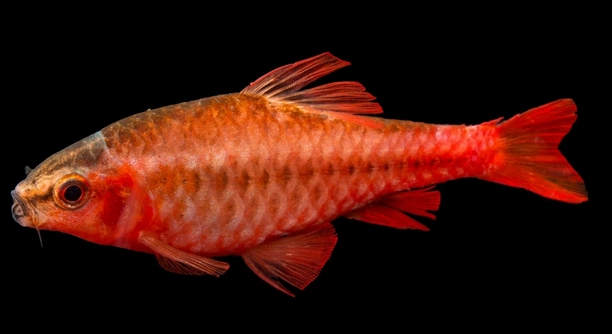
Do you ever find yourself wondering if your cherry barbs are truly content in their aquarium setup at home?
Cherry barbs are social fish that thrive best when kept in groups of their own kind. While they can coexist with other peaceful species, having tank mates is not a strict requirement for their happiness.
Learning how these colorful fish interact with others and what makes them feel safe can help improve their quality of life in your tank.
Understanding Cherry Barb Behavior
Cherry barbs are peaceful and active fish that enjoy swimming in the middle to lower parts of the tank. In the wild, they live in groups and use each other for safety and comfort. This natural behavior continues in aquariums. When they are kept alone or in small numbers, they may become shy or hide often. A small school of five or more helps them feel safe and more confident. They will swim around more, show brighter colors, and behave in a more natural way. These signs show that they feel secure and are in good health. They also communicate through small movements and follow each other, which creates a calm and social atmosphere in the tank. When they have enough space and hiding spots, they become more relaxed. Their calm nature makes them a good fit for community tanks, as long as their tank mates are peaceful and similar in size.
Cherry barbs rely on group behavior for comfort, especially when adapting to new environments.
A group of cherry barbs creates a balanced dynamic. They tend to show less stress and act more naturally when surrounded by their own kind. This is important when setting up a stable and active tank. A proper group setup encourages healthy interaction, including feeding and swimming habits. Without enough of their own kind, they may become withdrawn or display less vibrant colors. While they don’t absolutely need other species in the tank, a small group of cherry barbs is essential for their well-being. Adding compatible fish is optional, but it should be done with care. Choose peaceful fish that won’t nip at their fins or stress them out. Slow-moving or aggressive tank mates can disrupt their calm nature. Giving them plants and hiding spots also helps them feel safe. When these needs are met, cherry barbs are more likely to stay healthy and behave in a natural, active way.
Choosing the Right Tank Mates
Not all fish are good choices to live with cherry barbs. Pick calm species that share similar care needs.
Adding tank mates for cherry barbs works well when you choose peaceful fish that won’t compete for space or food. Some good options include harlequin rasboras, corydoras catfish, kuhli loaches, and neon tetras. These fish are similar in size and behavior, which helps keep the tank calm and friendly. Avoid aggressive or overly curious species like tiger barbs or large cichlids. These can cause stress, chase cherry barbs, or disturb their peaceful routines. Cherry barbs are not demanding, but they do best when their space is respected. Keep in mind their swimming zone too. Since they stay in the middle and lower parts of the tank, having top-level swimmers helps avoid crowding. Always monitor new additions for the first few days. Look for signs of stress such as hiding, faded colors, or lack of appetite. A calm and stable tank helps all fish thrive, including your cherry barbs.
Creating a Comfortable Environment
Cherry barbs need calm surroundings to feel safe and act naturally. A tank with plants, hiding spots, and low flow works best. Soft lighting and a stable water temperature also help reduce stress and support their health.
A planted tank gives cherry barbs plenty of places to hide and explore. Use live plants like java fern, anubias, or hornwort. These help mimic their natural habitat and provide cover. Adding driftwood and smooth rocks also helps create hiding spots. Keep the tank around 74–80°F with a gentle filter to avoid strong currents. Cherry barbs enjoy moderate lighting, so avoid harsh, bright lights. A darker substrate can bring out their colors more. Be sure to cycle the tank before adding them, and always check water quality regularly. These small steps help create a stable and stress-free home that encourages active and healthy behavior from your cherry barbs.
A calm tank also helps your cherry barbs get along with others. If the space feels too busy or open, they may hide more or avoid certain areas. This can create problems with feeding and social interaction. Make sure all fish have enough room to swim and places to rest. Avoid overcrowding, and follow the tank’s capacity limits. A 20-gallon tank is a good starting size for a small group. Clean the tank regularly and remove uneaten food to keep water fresh. With the right setup, your cherry barbs will settle in well, show their natural behavior, and live more peacefully with other fish.
Signs of Stress and How to Avoid Them
Cherry barbs may hide, lose color, or stop eating when they feel stressed. These signs mean something in the tank is not right.
Stress in cherry barbs often comes from poor water quality, lack of hiding spots, or aggressive tank mates. Make sure to test water regularly for ammonia, nitrite, and nitrate levels. Sudden changes in water temperature or pH can also cause problems. If your cherry barbs stay still, lose their bright red coloring, or skip meals, check the tank conditions right away. A calm environment and clean water can prevent many issues. Always quarantine new fish before adding them to the main tank. This helps protect your cherry barbs from illness. Feeding a varied diet of flakes, frozen foods, and occasional live treats also supports their immune system. Reducing noise near the tank and limiting sudden movements around it can also keep stress low and help them feel more secure.
How Many Cherry Barbs Should Be Kept Together
Cherry barbs are happiest when kept in groups of at least five. This helps reduce stress and brings out more active and social behavior. A small school allows them to form natural bonds and feel secure.
Keeping them in even larger groups can be beneficial if the tank allows it. In bigger schools, they tend to swim more openly and display brighter colors. A 20-gallon tank can comfortably hold six to eight cherry barbs, with room for a few compatible tank mates. Always balance the number of fish with proper space and filtration.
Feeding and Routine
Feed cherry barbs small amounts two times a day. Use high-quality flakes or micro pellets as a base. Supplement with frozen or live foods like brine shrimp or daphnia for variety. Remove any uneaten food to keep the water clean. A steady routine helps them stay healthy and stress-free.
Tank Maintenance Basics
Weekly water changes and filter checks are key. Aim to replace 25% of the tank water every week to maintain good water quality and keep the fish healthy.
FAQ
Do Cherry Barbs prefer to live alone or in groups?
Cherry barbs are social fish and do best in groups of five or more. When kept alone or in small numbers, they may become shy and less active. A small group helps them feel more secure and allows them to display their natural behaviors. This is especially true when they are introduced to the tank from the start. A group of cherry barbs will swim together, explore the tank, and exhibit their bright colors more confidently.
Can Cherry Barbs live with other fish?
Yes, cherry barbs can live with many other peaceful fish species. They are not aggressive and get along well with species like neon tetras, rasboras, and corydoras catfish. However, it’s important to avoid aggressive fish or those that may outcompete them for food. Larger or faster fish might stress them out. When choosing tank mates, always look for peaceful species of similar size and temperament. Avoid species like tiger barbs or larger cichlids, which might nip at their fins or cause undue stress.
How big do Cherry Barbs get?
Cherry barbs grow to about 2 inches in length, making them a small fish. They are perfect for smaller community tanks, as they don’t require a lot of space. Their compact size also makes it easier to house them in tanks with other small, peaceful species. Even though they are small, they still need enough space to swim comfortably. A minimum of a 20-gallon tank is recommended for a small group of cherry barbs.
What is the ideal tank size for Cherry Barbs?
For a group of five or more cherry barbs, a 20-gallon tank is ideal. This provides them with enough space to swim freely and establish their natural social hierarchy. A larger tank can be used if you plan to add more fish or want to create a more diverse environment. However, the tank should never be overcrowded, as this can lead to stress and poor water quality. Ensure that the tank is well-planted and has hiding spots to make them feel secure.
How do I know if my Cherry Barbs are happy?
Happy cherry barbs are active and swim around the tank regularly. They will display their vibrant red coloring, especially when they feel secure in the presence of other barbs. They may also interact with other tank mates calmly, without showing signs of aggression. When they are not happy or stressed, they may hide more, lose their colors, or become less active. A good indicator of their well-being is if they’re swimming freely in the middle or lower parts of the tank and seem relaxed.
Can Cherry Barbs breed in a community tank?
Yes, cherry barbs can breed in a community tank, but it may be more challenging. If you want to encourage breeding, a separate breeding tank can help. The males will display more vibrant colors to attract females, and the eggs will be laid on plants or the tank’s substrate. However, many of the eggs may be eaten by other fish in a community tank. If breeding is your goal, consider setting up a dedicated breeding environment to ensure the eggs have a better chance of hatching.
What should I feed Cherry Barbs?
Cherry barbs are omnivores and should be fed a varied diet. High-quality flake food or micro pellets should be their main source of nutrition. You can supplement their diet with frozen or live foods like brine shrimp, daphnia, or bloodworms. Giving them a mix of plant-based and protein-based foods is important for their health. Feed them small amounts twice a day to avoid overfeeding, and remove any leftover food to maintain water quality.
What water parameters do Cherry Barbs need?
Cherry barbs thrive in slightly acidic to neutral water with a pH between 6.5 and 7.5. They also do best in water temperatures ranging from 74°F to 80°F. The water hardness should be between 4 to 10 dGH, and it’s essential to keep ammonia and nitrite levels at zero. Regular water changes and a good filtration system are necessary to maintain a clean and stable environment. Testing your water regularly helps ensure that the conditions remain ideal for your cherry barbs.
Are Cherry Barbs easy to care for?
Yes, cherry barbs are relatively easy to care for. They are hardy fish and can tolerate a range of water conditions, making them a good choice for beginner aquarists. However, like all fish, they require proper water conditions, a balanced diet, and a peaceful environment. Regular maintenance, such as water changes and checking the filter, will help ensure their well-being. With the right setup and care, cherry barbs will thrive and bring color and activity to your aquarium.
How long do Cherry Barbs live?
Cherry barbs typically live for 3 to 5 years when kept in a well-maintained tank. Their lifespan can be influenced by factors such as water quality, diet, and tank conditions. Keeping the tank clean, monitoring water parameters, and providing a balanced diet can help extend their life. They are relatively low-maintenance, but regular upkeep is necessary to keep them healthy and vibrant throughout their lives.
Final Thoughts
Cherry barbs are easygoing and peaceful fish that can thrive in a variety of tank setups. While they are social creatures that benefit from being in groups, they do not require other species to be happy. Their calm nature makes them a good choice for community tanks, as long as their tank mates are peaceful and of similar size. With the right environment and tank mates, cherry barbs can add color and movement to any aquarium. They are especially well-suited for beginner aquarists who want a low-maintenance yet vibrant addition to their tank.
One of the main things to consider when keeping cherry barbs is the tank setup. They thrive in tanks with plants, hiding spots, and gentle water flow. A 20-gallon tank is often ideal for a small group, and it is important not to overcrowd. Overcrowding can lead to stress and health issues, so always make sure to maintain a balance between the number of fish and available space. Regular water changes, good filtration, and testing water quality are also important for their overall health. When kept in the right conditions, cherry barbs can be a very rewarding fish to care for.
While cherry barbs do not require constant interaction with other species, they do benefit from having tank mates that are calm and non-aggressive. Fish like neon tetras, rasboras, and small catfish make good companions. Avoid mixing them with larger or more aggressive fish, as this could cause stress. Overall, cherry barbs are easy to care for and provide a peaceful presence in a well-maintained aquarium. By ensuring they have a stable, secure environment with the right companions, you can enjoy their beauty and lively behavior for years to come.

Hello,
If you enjoy the content that we create, please consider saying a "Thank You!" by leaving a tip.
Every little bit helps us continue crafting quality advice that supports the health, happiness, and well-being of pets around the world, for pets of all shapes, sizes, and species.
We really appreciate the kindness and support that you show us!