
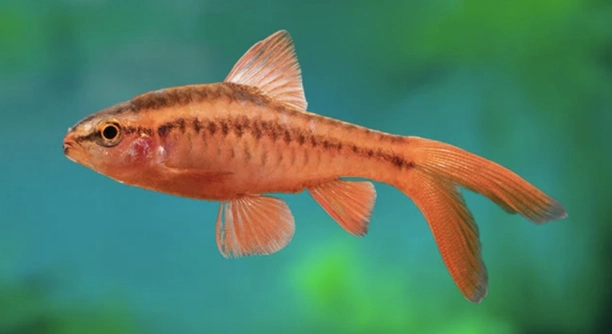
Cherry barbs are popular fish among aquarium enthusiasts due to their colorful appearance and peaceful nature. Many hobbyists wonder what kind of environment is best for these small fish to thrive in. Understanding their needs is key to providing them with proper care.
Cherry barbs do not require a strong current to thrive. While they do enjoy some water movement, they prefer calmer waters compared to species that are more suited to high-current environments. Consistent water conditions are more important.
Maintaining stable water parameters and providing adequate space will help your cherry barbs stay healthy and active. By focusing on these aspects, you can create a suitable home for your fish without worrying about strong currents.
Cherry Barb Natural Habitat
Cherry barbs are native to South Asia, where they are found in slow-moving rivers, ponds, and marshes. Their natural habitat usually features calm waters with little to no strong current. These fish prefer environments with plants, rocks, and other hiding spots that provide shelter. The water tends to be soft and slightly acidic, and the temperature ranges from 72°F to 78°F. Keeping this in mind will help replicate their natural environment in your aquarium, giving them the best chance to thrive.
Creating a suitable environment for cherry barbs is important for their well-being. By replicating their natural conditions, you help them feel comfortable and safe.
Though cherry barbs can handle a bit of movement, they do not require strong currents. They prefer a tranquil setting where they can swim freely without the stress of intense water flow. Gentle filtration will suffice, maintaining water clarity while preventing excess current.
How to Maintain Calm Water Flow
To keep cherry barbs comfortable, you’ll need to focus on reducing excessive water flow in the tank. A gentle filter is enough to keep the water clean without creating a current. You can also place plants or decorations to break up the flow. This will create a more natural feel for your fish, and they will appreciate the peaceful environment. By maintaining soft, steady water conditions, cherry barbs are less likely to experience stress, and they can focus on swimming and exploring their surroundings.
Adjusting the filter’s flow rate can help you create a calm environment. It is crucial not to overwhelm the fish with strong currents, as it may lead to health issues.
If you find that your filter is too strong, you can make adjustments to lower the flow or use a sponge filter that produces minimal current. Adding plants or ornaments near the filter outlet will further diffuse the flow, ensuring it’s gentle. In aquariums with multiple fish species, it’s important to consider the needs of all the fish to create the best possible environment for everyone. Proper water flow management helps keep your cherry barbs calm and content.
Why Current Matters for Cherry Barbs
While cherry barbs can tolerate some water movement, strong currents are not ideal for them. They prefer calm waters, where they can swim without resistance. A tank with strong currents can stress them out, affecting their overall health. It’s best to mimic their natural habitat by keeping the water flow gentle and steady.
Providing a soft current encourages cherry barbs to swim naturally and reduces their stress levels. If the current is too strong, they may struggle to move around or find shelter, which can lead to health issues. Using gentle filtration will maintain the right environment for them to thrive.
By choosing the right equipment and adjusting water flow, you can avoid creating strong currents in your tank. Remember that cherry barbs are small and delicate fish, so their comfort depends on the consistency of the water flow and temperature. Maintaining a peaceful environment will help your cherry barbs feel secure and healthy.
Setting Up Your Tank for Cherry Barbs
To set up a tank suited for cherry barbs, start with a filter that doesn’t create a strong current. Sponge filters are often a good choice since they are gentle but still provide filtration. You can also adjust the filter’s flow rate to prevent excessive movement in the water.
Adding plants, rocks, and driftwood to your aquarium not only mimics their natural environment but also helps to reduce water flow. These items break up the current, giving your cherry barbs plenty of places to hide and swim comfortably. Planting live plants also helps maintain water quality by absorbing nutrients and offering oxygen.
Providing hiding spots for your cherry barbs helps them feel secure. They are peaceful fish and appreciate having areas where they can rest or take shelter when needed. A well-planted tank is the perfect setup for your cherry barbs to thrive.
The Role of Tankmates for Cherry Barbs
When choosing tankmates for cherry barbs, it’s important to avoid species that require strong water currents. Fish that thrive in fast-moving water can create conditions that stress out the cherry barbs. Peaceful, slow-moving species are ideal companions. Cherry barbs do best in a calm, stress-free environment.
Tankmates like guppies, tetras, and rasboras make excellent companions for cherry barbs, as they share similar care needs. Avoid aggressive fish or those that disrupt the water flow. A peaceful community tank will help your cherry barbs feel more comfortable, and they’ll thrive alongside other gentle species.
The Importance of Regular Water Changes
Regular water changes are crucial for maintaining the health of your cherry barbs. Clean, fresh water ensures that their environment stays free of toxins and maintains stable parameters. This reduces the chances of stress and disease. Cherry barbs benefit from water changes at least once a week.
By keeping the water quality high, you are supporting their immune system and encouraging natural behavior. It’s important to avoid sudden temperature or pH shifts when changing the water. Always make sure the new water matches the conditions of the tank for a smooth transition.
Monitoring Water Parameters
Monitoring water parameters is key for the well-being of your cherry barbs. Consistent water quality is essential for avoiding stress and health issues. Keep an eye on pH levels, ammonia, nitrites, and nitrates to ensure a stable environment. Regular testing will help you spot problems early.
FAQ
Do cherry barbs need a filter with strong water flow?
Cherry barbs do not need a strong water flow. In fact, a powerful current can stress them out. They prefer calm waters, which mimic their natural environment. A filter that provides gentle filtration will keep the water clean while maintaining the peaceful atmosphere they need. A sponge filter is a good choice, as it offers filtration without creating too much movement in the tank.
What temperature do cherry barbs need?
Cherry barbs thrive in temperatures between 72°F and 78°F. Keeping the water within this range helps them stay active and healthy. Any sudden drops or increases in temperature can cause stress, so it’s essential to maintain a stable environment. Using a reliable heater and thermometer can ensure their tank stays within the ideal range.
Can cherry barbs live with other fish?
Yes, cherry barbs are peaceful and get along well with other calm fish. They do best with tankmates like tetras, guppies, or rasboras. However, avoid housing them with aggressive or fast-moving species that require a strong current. A peaceful community tank is the best setting for your cherry barbs.
How often should I feed my cherry barbs?
Cherry barbs should be fed once or twice a day. Overfeeding can lead to water quality issues and health problems for your fish. Offer small amounts of high-quality fish food that they can consume in a few minutes. Variety in their diet, like flakes, pellets, and occasional live or frozen food, can help maintain their health.
What is the ideal tank size for cherry barbs?
A 20-gallon tank is a good starting point for a small group of cherry barbs. They are relatively small fish, but they still need space to swim and explore. A larger tank can accommodate more cherry barbs, but it’s important not to overcrowd the tank, as this can lead to water quality problems and stress.
Are cherry barbs hard to care for?
Cherry barbs are considered easy to care for, especially for beginners. They have simple needs: calm waters, consistent water parameters, and a peaceful tank environment. As long as you maintain clean water and avoid strong currents, cherry barbs will do well. Regular water changes and proper feeding are key to their health.
Do cherry barbs need a lot of plants in their tank?
While cherry barbs do not require a heavily planted tank, they do benefit from having plants for hiding spots and natural shelter. Plants like Java moss or Anubias can offer them safe areas to retreat to when they feel stressed or want some rest. Plants also help improve water quality by absorbing excess nutrients.
How long do cherry barbs live?
Cherry barbs typically live between 3 to 5 years in a well-maintained aquarium. Providing them with a stable environment, proper nutrition, and good tankmates can help them live a full, healthy life. Keep an eye on their health and water quality to prevent any potential issues that may shorten their lifespan.
What should I do if my cherry barbs are acting stressed?
If your cherry barbs are showing signs of stress, such as hiding, reduced activity, or fading colors, it’s important to check their environment. Ensure the water quality is within the correct parameters and there isn’t too much water movement. Stress can also be caused by poor tankmates, overcrowding, or sudden changes in the water. Adjusting the environment should help reduce stress.
Can cherry barbs breed in an aquarium?
Yes, cherry barbs can breed in an aquarium. To encourage breeding, provide them with a separate breeding tank with soft, slightly acidic water and low lighting. When they spawn, the female will lay eggs on plants, and the male will fertilize them. After spawning, it’s a good idea to remove the adults to prevent them from eating the eggs. Once hatched, the fry will require fine food like infusoria or baby brine shrimp.
Do cherry barbs require a specific pH level?
Cherry barbs prefer a pH range of 6.0 to 7.5. They do best in slightly acidic to neutral water. It’s important to test the pH regularly to ensure it stays stable. Sudden changes in pH can stress the fish and affect their health, so consistency is key.
Are cherry barbs compatible with shrimp?
Yes, cherry barbs can live with shrimp, like cherry shrimp, as long as the shrimp are not too small. Cherry barbs are generally peaceful but may occasionally nip at tiny or juvenile shrimp. It’s important to provide plenty of hiding spots for shrimp to avoid any potential issues. Keeping the shrimp population healthy and well-fed will reduce the risk of your cherry barbs preying on them.
What should I do if my cherry barbs have fin rot?
If your cherry barbs show signs of fin rot, such as frayed or discolored fins, it’s crucial to act quickly. First, check the water quality, as poor water conditions are often the cause. Perform a water change and improve filtration. You can treat fin rot with medication designed for bacterial infections, but it’s essential to remove any sources of stress or poor water quality. A stress-free environment will help your cherry barbs heal faster.
Do cherry barbs need UV light?
Cherry barbs do not require UV light specifically. However, they benefit from a consistent day-night cycle, which can be maintained with regular aquarium lighting. Providing some light helps regulate their natural rhythms and encourages healthy behavior. Just be sure not to expose them to too much light, as this can stress them or cause algae growth in the tank.
Can I keep cherry barbs in a betta tank?
While cherry barbs are peaceful, they may not always be the best tankmates for a betta. Bettas are territorial and can be aggressive toward smaller fish, especially when they feel their space is threatened. If you do decide to keep them together, make sure the tank is large enough and has plenty of hiding places to reduce potential aggression from the betta.
Final Thoughts
Cherry barbs are relatively low-maintenance fish, making them a good choice for beginners or hobbyists looking for easy-going tank inhabitants. They don’t require strong currents or complex setups. Instead, they thrive in calm, stable environments with gentle filtration, where they can swim and explore without stress. Ensuring that their water quality is consistent and within the right parameters—such as temperature, pH, and hardness—will keep them healthy and active. A peaceful tank with the right conditions is all it takes to create an environment where these colorful fish can thrive.
When choosing tankmates for cherry barbs, it’s important to keep their peaceful nature in mind. They do best with other non-aggressive fish that won’t disturb the water flow or create stress. Keeping tankmates that prefer calm waters, like tetras or rasboras, will ensure that the cherry barbs feel comfortable. Additionally, adding plants, rocks, and other decorations to the tank can help mimic their natural habitat and reduce any unwanted current. A well-planted aquarium also supports better water quality and gives cherry barbs a place to hide and rest.
By keeping these simple factors in mind, you’ll be able to create an ideal environment for cherry barbs. Regular maintenance, such as water changes and testing water parameters, will help prevent issues before they arise. Providing the right tank conditions, along with appropriate tankmates, ensures that your cherry barbs will enjoy a long and healthy life. With minimal effort, you can enjoy the beauty and peaceful nature of these fish while ensuring they remain happy and well cared for.

Hello,
If you enjoy the content that we create, please consider saying a "Thank You!" by leaving a tip.
Every little bit helps us continue crafting quality advice that supports the health, happiness, and well-being of pets around the world, for pets of all shapes, sizes, and species.
We really appreciate the kindness and support that you show us!