
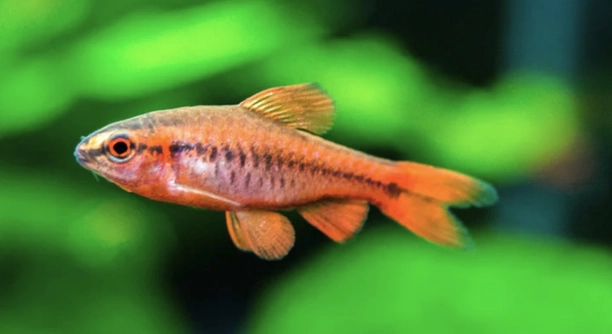
Cherry barbs are a popular species for aquarium hobbyists. These small, vibrant fish are relatively easy to care for and breed in the right conditions. However, understanding their breeding needs is essential for successful reproduction.
Cherry barbs do not necessarily require a breeding cone or mop to breed, but these items can help increase the chances of successful spawning. A breeding mop can provide a suitable place for eggs to be laid, while a breeding cone offers a stable environment for the fish to mate.
Breeding cherry barbs may seem straightforward, but there are some important considerations to ensure success. Proper setup, along with understanding the fish’s natural behavior, can help you create an ideal environment for the spawning process.
Breeding Environment for Cherry Barbs
Creating the right breeding environment for cherry barbs is key to their reproduction. These fish prefer slightly acidic to neutral water, a temperature of 75-80°F (24-27°C), and a soft water condition. You should also make sure the aquarium is clean, with minimal current and plenty of hiding spots for the fish to feel secure. Without these conditions, the fish may not breed at all or may become stressed, which could prevent successful spawning.
Having a separate breeding tank for cherry barbs can make the breeding process easier. You should set it up a few days before introducing the fish, ensuring it is fully cycled. It’s important to include live plants or breeding mops in the tank to give the fish places to lay their eggs. Even without a breeding cone or mop, these elements can help replicate the environment cherry barbs would seek out in nature. The presence of these will likely improve the chances of successful egg-laying.
Once the breeding setup is complete, you can introduce the male and female cherry barbs. Males often chase females, displaying their vibrant colors to attract attention. After mating, eggs will be laid on plants or surfaces. Keep an eye on the water quality, as any change in parameters could stress the fish and interrupt the process.
Breeding Mops and Cones
Breeding mops and cones are helpful, but not essential. These items serve as places for the fish to lay eggs, offering a safe spot away from other tank mates. They can make cleaning easier too.
Breeding mops are often made of soft, synthetic fibers, while breeding cones are small, cone-shaped structures that mimic the environment cherry barbs would naturally use. These items can help improve the breeding chances, but many hobbyists have had success without them. If you choose to use them, it’s important to ensure that the tank is still suitable for the fish overall.
Using a breeding mop or cone can make life easier during the breeding process. It ensures that eggs are laid in a secure location, and you can easily remove them without disturbing the tank. However, the most important factor is a peaceful, comfortable environment.
Breeding Setup for Cherry Barbs
A breeding tank with appropriate water conditions is essential for cherry barbs. Ensure the water is soft, with a pH between 6.0 and 7.5, and maintain a temperature of 75-80°F. Adding plants or a breeding mop gives the fish a place to lay eggs, increasing their chances of successful breeding.
The tank should be free of stressors, so avoid adding too many tank mates. Cherry barbs are peaceful, but aggressive or larger fish might disrupt the breeding process. It’s a good idea to separate the male and female initially, as this reduces stress. Once they are ready, they will display typical mating behavior, and the female will lay eggs on plants or other surfaces in the tank.
Regular water changes are important to maintain a stable environment. Keep the water clean and free of pollutants to avoid any potential harm to the fish or their eggs. A stable, clean tank is crucial for breeding success.
Monitoring the Spawning Process
Once breeding begins, observe the fish closely. After the eggs are laid, remove the parents from the breeding tank. Cherry barbs can eat their own eggs, so it’s important to separate them before this happens. Be sure to monitor the water conditions, as eggs can hatch quickly.
The eggs will typically hatch in 24-48 hours, depending on the water temperature. It’s important to wait until the fry are free-swimming before offering food. Infusoria or finely crushed flake food works best for newly hatched fry, as they are tiny and need food that is small enough for them to consume.
Patience is key during this process. You’ll see the fry start to grow and develop over the following weeks. Ensure the tank remains stable and clean, and provide appropriate food to support their growth. Monitoring water parameters closely can help keep the fry healthy.
Handling Eggs and Fry
After the eggs are laid, remove the parents from the breeding tank. This helps protect the eggs from being eaten. The eggs can hatch in about 1-2 days, depending on water conditions. Keep the water clean and well-oxygenated during this critical period.
Make sure to remove any uneaten food or debris from the tank to avoid water quality issues. Keep an eye on the water temperature, as fluctuations can harm the eggs or fry. It’s best to maintain stable, warm water to ensure the eggs hatch successfully and the fry stay healthy.
Raising Fry to Maturity
As the fry grow, they need proper nutrition. Start feeding them with infusoria or other appropriate microscopic foods, and gradually introduce finely crushed flake food as they get bigger. Ensure that the fry have enough space to swim and grow without feeling crowded.
You’ll need to continue monitoring the water quality and temperature to avoid any issues. Over time, the fry will start developing their colors and features. Be patient; they grow at their own pace, and it might take several weeks for them to resemble adult cherry barbs.
Potential Issues During Breeding
Breeding cherry barbs might come with some challenges. If the eggs aren’t hatching or the fry aren’t growing, it may be due to improper water conditions, poor food, or stress from tank mates. It’s essential to monitor everything closely during the process.
Some common issues include fungal infections on the eggs or poor egg fertilization. If you notice any unusual growths or colors on the eggs, consider adjusting the water parameters or removing the eggs to a different environment. Keeping the breeding tank simple and stress-free can often help prevent these problems.
FAQ
Do cherry barbs need a breeding cone or mop to breed?
Cherry barbs do not require a breeding cone or mop to breed, but these items can make the process easier. A breeding mop provides a safe place for the fish to lay eggs, and a cone can offer a stable surface for mating. However, they can successfully breed without these tools as long as the tank has plants or suitable surfaces where the eggs can be laid.
What water conditions are best for breeding cherry barbs?
For successful breeding, cherry barbs prefer slightly acidic to neutral water with a pH of 6.0 to 7.5. The temperature should be kept between 75-80°F (24-27°C), and the water should be soft. It’s important to maintain clean water with good oxygenation to support the breeding process.
How can I tell when my cherry barbs are ready to breed?
Male cherry barbs become more vibrant in color when they are ready to breed. The males will display brighter red tones and will chase the females, often showing off their colors. Female cherry barbs become rounder and fuller with eggs. When this behavior occurs, it’s a sign they are ready to breed.
How often do cherry barbs breed?
Cherry barbs breed seasonally, typically during the warmer months. They usually breed every couple of weeks if conditions are right. However, they are more likely to breed if the water is optimal and there is a good balance between male and female fish.
Can cherry barbs breed in a community tank?
Yes, cherry barbs can breed in a community tank, but it’s not ideal for ensuring a successful breeding process. The presence of other fish may lead to egg predation or stress, reducing the chances of fry survival. If you’re aiming to breed cherry barbs successfully, it’s best to isolate them in a breeding tank.
How long does it take for cherry barb eggs to hatch?
Cherry barb eggs typically hatch within 24-48 hours, depending on the water temperature. The warmer the water, the quicker the eggs will hatch. After hatching, the fry will remain attached to surfaces for a short time before they become free-swimming.
What do cherry barb fry eat?
Newly hatched cherry barb fry feed on tiny, microscopic organisms like infusoria. As they grow, you can introduce finely crushed flake food or powdered fry food. As the fry get bigger, they can be gradually introduced to larger foods like baby brine shrimp or small daphnia.
Why are my cherry barb eggs not hatching?
If your cherry barb eggs aren’t hatching, it could be due to several factors. The water temperature might be too low or too high. Poor water quality or incorrect pH levels can also affect egg hatching. In some cases, the eggs may not have been fertilized properly.
Should I remove the cherry barb parents after breeding?
Yes, it’s essential to remove the parents from the breeding tank after the eggs are laid. Cherry barbs can eat their own eggs or fry, so to protect the offspring, it’s best to separate the adults. This will give the eggs and fry a better chance of survival.
What size tank do cherry barbs need for breeding?
A 10-gallon tank is typically sufficient for breeding cherry barbs. The tank should have plenty of plants or soft surfaces where the fish can lay their eggs. Keeping the tank simple with just a few hiding spots and the right water conditions is key.
Can cherry barbs breed with other species?
Cherry barbs are best bred with their own species. Crossbreeding with other types of barbs or different species can result in weak offspring or failed breeding attempts. To ensure healthy fry and maintain the purity of the species, it’s recommended to breed cherry barbs with other cherry barbs.
How long do cherry barb fry take to grow?
Cherry barbs grow relatively quickly. After hatching, they’ll become free-swimming within a few days. Within a few weeks, they’ll begin to develop their colors. By 2-3 months, they will start to resemble adult cherry barbs, though they will continue growing until they are fully mature at around 6 months.
How can I prevent my cherry barbs from eating their own eggs?
The best way to prevent cherry barbs from eating their own eggs is to remove them from the breeding tank after the eggs are laid. You can also use breeding mops or plants to encourage the eggs to be placed in hard-to-reach areas. Providing a calm, stress-free environment for both the parents and eggs is key.
What temperature should I maintain for cherry barb breeding?
For breeding cherry barbs, maintaining a water temperature of 75-80°F (24-27°C) is optimal. This temperature range encourages breeding behavior and ensures proper egg development and fry survival. Water that is too cold or too warm may result in unsuccessful breeding or hatchings.
Can I breed cherry barbs with other fish in the tank?
While it’s possible to breed cherry barbs in a community tank, it’s not recommended. Other fish, especially larger or more aggressive species, may eat the eggs or fry. It’s safer to move breeding pairs into a separate tank to ensure that the eggs and fry are protected and have a higher survival rate.
How do I prevent fungus on cherry barb eggs?
Fungus can develop on cherry barb eggs if the water quality is poor or if the eggs are not fertilized. To prevent fungus, keep the water clean and well-oxygenated. Some breeders use antifungal treatments specifically designed for aquarium eggs to help prevent fungal growth.
Final Thoughts
Breeding cherry barbs can be a rewarding experience for aquarium enthusiasts. These fish are relatively easy to care for, and with the right setup, they can reproduce successfully. Ensuring that you have the right water conditions, temperature, and environment will help increase the chances of successful breeding. While breeding cones and mops aren’t essential, they can be helpful tools in making the process smoother by providing safe spots for the eggs to be laid and reducing the chances of egg predation.
It’s important to remember that cherry barbs require a bit of attention to detail. Water quality should be monitored closely throughout the breeding process, as it can affect everything from egg development to fry growth. Maintaining the right pH, water temperature, and cleanliness will provide the best environment for the fish to breed and for the fry to grow. Additionally, separating the parents from the breeding tank after eggs are laid is essential to avoid them eating their own eggs or fry. This simple step can greatly improve the chances of having healthy offspring.
While breeding cherry barbs might seem straightforward, it requires patience and consistency. The fry will need proper care, such as suitable food and stable water conditions, to grow into healthy adult fish. With the right setup, cherry barbs can breed successfully and bring new life into your aquarium. It’s an enjoyable and educational experience that can deepen your understanding of aquarium care and fish behavior.

Hello,
If you enjoy the content that we create, please consider saying a "Thank You!" by leaving a tip.
Every little bit helps us continue crafting quality advice that supports the health, happiness, and well-being of pets around the world, for pets of all shapes, sizes, and species.
We really appreciate the kindness and support that you show us!