
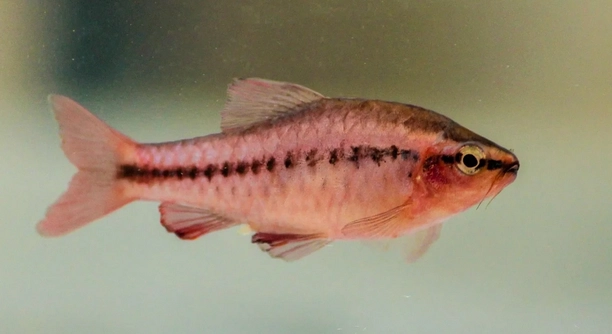
Do your cherry barbs seem unsettled when bright-colored fish swim by in the tank? You’re not alone in noticing this behavior.
Cherry barbs generally tolerate brightly colored tank mates well, as long as those fish are peaceful and do not display aggressive or territorial behavior. The overall temperament and space in the aquarium matter more than coloration.
Color isn’t the only thing that can affect your cherry barb’s comfort—tank dynamics, size, and fish personalities also play a big role.
Why Tank Mate Colors Might Seem Important
When setting up a community tank, it’s easy to assume that color alone might bother your cherry barbs. These small, peaceful fish do display a preference for calm environments. Bright colors in fish like guppies, neon tetras, or fancy mollies can sometimes attract attention—but not always for the reasons we think. Cherry barbs don’t dislike bright colors on their own; it’s more about how those colors are paired with movement, size, or energy level. A bright but calm fish is less likely to bother them than a drab, aggressive one. Fish with flashy fins or erratic swimming can cause stress, which might make cherry barbs act skittish or withdrawn. It helps to match personalities more than just colors. A balanced tank means focusing on behavior compatibility first, then considering appearance. When that’s done right, cherry barbs can live happily alongside even the most vibrantly colored fish.
Choose tank mates with gentle movement and similar energy levels. This often creates a peaceful space for everyone in the tank.
Keep in mind, cherry barbs tend to thrive in groups. This gives them more confidence, even around bold-looking fish. Their schooling behavior helps ease any tension in mixed-species tanks.
Behavior Over Brightness
Brightly colored fish aren’t a problem unless they’re aggressive or fast swimmers. These traits—not the colors—tend to make cherry barbs feel uneasy.
What really matters to cherry barbs is how other fish act around them. When new tank mates dart quickly or try to dominate the space, it can lead to stress and hiding. Cherry barbs enjoy slow-moving, calm surroundings. Fish like honey gouramis, corydoras, or harlequin rasboras tend to get along well with them. Even if a tank mate is bright orange or electric blue, it’s not a major issue unless that fish starts chasing others or taking over feeding spots. Overcrowding also plays a role. Too many active fish can overstimulate cherry barbs, no matter their color. It’s smart to avoid adding fish that nip fins or are known to harass others. Creating zones with plants or decorations gives your barbs hiding spaces if they feel uncomfortable. This helps maintain peace in the tank.
Common Signs of Discomfort in Cherry Barbs
Cherry barbs may show stress by hiding more often, especially when other fish are too active or unpredictable. You might also see them swimming away quickly or avoiding certain areas of the tank altogether.
They can become less social, breaking away from their usual group behavior. A stressed cherry barb might hover near the bottom, refuse food, or lose some of its color vibrancy. These subtle shifts are easy to miss if you’re not watching closely. Sometimes, their discomfort shows during feeding—they’ll stay back or wait until others are done. If bright-colored tank mates are too active or fast during meal times, cherry barbs may not get enough food. This stress builds over time, even in a healthy-looking tank.
Another sign to watch for is fin clamping—where their fins stay tucked close to the body instead of fanned out. This usually means they don’t feel safe. A calm tank with good hiding spots and predictable routines helps them feel more relaxed.
Choosing the Right Tank Setup
Start with a tank that’s at least 20 gallons. This gives cherry barbs enough room to swim in schools and feel secure. Add live plants, driftwood, and shaded corners so they can hide when needed.
A gentle filter is best since cherry barbs don’t like strong currents. Keep the lighting soft to avoid overstimulation, especially with brightly colored fish. Choose smooth gravel or sand, and maintain stable water conditions. Cherry barbs do best with a slightly acidic to neutral pH and consistent temperature. Avoid overcrowding—extra space helps lower tension. Try to include open swimming areas as well as quiet spots. This mix lets cherry barbs move freely but retreat when they need peace. Feeding time should be calm, so all fish have a fair chance to eat. When the setup supports their natural behavior, cherry barbs are more likely to stay active, healthy, and unbothered by their tank mates’ colors.
Tank Mate Personalities Matter
Even peaceful fish can make cherry barbs uneasy if they move too quickly or take over space. Fish with calm temperaments and steady swimming patterns are easier for cherry barbs to live with.
Avoid pairing them with fin-nippers or overly curious species. These interactions can slowly increase stress and change their behavior.
Bright Colors With the Right Temperament
Brightly colored fish are fine if their behavior is gentle and respectful of space. Cherry barbs won’t mind a neon tetra or guppy if they aren’t being chased or crowded. In fact, a mix of color can make the tank more visually appealing without causing tension. It’s the energy of the fish, not the brightness of their scales, that makes the biggest difference. When everyone in the tank has a peaceful temperament, cherry barbs feel safer and act more naturally. Brightness doesn’t equal danger—but stress often does, and it starts with the wrong tank dynamics.
Final Thoughts on Compatibility
The best tank mates for cherry barbs are calm, respectful, and leave space for others. That’s what truly helps them thrive.
FAQ
Do cherry barbs prefer certain tank mates based on size?
Yes, size does play a role in how cherry barbs interact with other fish. They prefer tank mates that are similar in size and not too large or aggressive. Larger fish can intimidate cherry barbs, especially if they have predatory tendencies. However, tank mates that are too small may be stressed out by the cherry barbs’ active swimming, even though the barbs aren’t aggressive. Finding a balance in size helps maintain peace, so avoid pairing them with fish that may easily overpower them. Medium-sized, peaceful fish are usually the best companions for cherry barbs.
Can cherry barbs live with other fish that are also brightly colored?
Yes, cherry barbs can live with other brightly colored fish as long as the behavior of those fish is calm and peaceful. It’s the temperament and swimming style that matter most, not just the colors. Fish that are overly active or territorial, even if they have bright colors, might cause stress to cherry barbs. Fish with a gentle and non-aggressive nature can thrive alongside cherry barbs without any issues. It’s the overall dynamics and personalities of the fish in the tank that should be considered over color alone.
What fish should I avoid keeping with cherry barbs?
Avoid fish that are overly aggressive, territorial, or too active for cherry barbs. For example, species like bettas, larger cichlids, and certain species of barbs may not be compatible. These fish can chase, nip, or try to dominate the tank, causing stress. Avoid species that tend to be fin-nippers, as cherry barbs have delicate fins that can be damaged. Also, be cautious with fish that are much larger than cherry barbs since the size difference might lead to dominance behavior. The goal is to create a peaceful environment, so be mindful of the overall temperament of each species.
Do cherry barbs get along with other schooling fish?
Yes, cherry barbs generally do well with other schooling fish. They naturally prefer being in groups, and when kept with other peaceful schooling fish, like neon tetras or rasboras, they tend to be more active and comfortable. Schooling fish tend to have similar swimming behaviors, which means there’s less chance of one species stressing out the other. However, be mindful of the fish’s size and temperament. Fish that are too aggressive or fast swimmers can disrupt the harmony of the tank. A balanced mix of peaceful, schooling species can create a lively and peaceful tank environment.
How many cherry barbs should I keep together?
Cherry barbs should ideally be kept in groups of at least six to eight individuals. Keeping them in groups helps them feel secure and confident in their environment. They are a schooling species, and having other cherry barbs around reduces stress and promotes natural behavior. A small group of two or three barbs may not feel safe and could become more skittish. With a larger group, they are more likely to display their true behaviors, including swimming in coordinated patterns and socializing more with other tank mates.
Can cherry barbs live with shrimp or snails?
Yes, cherry barbs can live peacefully with shrimp and snails in most cases. However, there are a few things to consider. Cherry barbs won’t typically eat shrimp, especially if there’s plenty of food in the tank. But small or baby shrimp may be at risk, particularly if they’re too small to avoid the barbs. Snails, on the other hand, are usually fine with cherry barbs. The main concern with snails is that some species of snails can become aggressive when competing for food. In general, peaceful shrimp and snails should coexist well with cherry barbs if the tank is properly balanced and well-fed.
Do cherry barbs require a lot of swimming space?
Yes, cherry barbs enjoy having ample swimming space. While they don’t require an enormous tank, it’s important that their aquarium provides enough room for them to swim freely, especially when they’re kept in groups. A cramped tank can make cherry barbs feel stressed and uncomfortable. At the very least, provide a tank that’s 20 gallons or more, depending on the number of fish. Include plants and decorations to offer hiding spots, but leave open areas where they can swim freely. This helps keep them active and healthy, reducing the chance of territorial behavior or stress-related issues.
Are cherry barbs good community fish?
Yes, cherry barbs are known for being great community fish. They are peaceful, social, and get along well with a wide range of other peaceful species. However, their temperament can change depending on their environment and tank mates. When housed with other calm fish, cherry barbs are easy to care for and contribute to a healthy, balanced aquarium. They are not overly aggressive and are unlikely to pick fights or become territorial. Their docile nature makes them one of the best choices for community tanks, provided their tank mates are similarly peaceful.
How do I know if my cherry barbs are stressed?
Signs of stress in cherry barbs can include hiding more than usual, refusing to eat, or swimming in abnormal patterns. Stress might cause them to retreat to the bottom of the tank or hover near plants. Their colors may fade, and they might show signs of fin clamping, where their fins stay tucked in. Stress can be caused by a number of factors, including aggressive tank mates, poor water quality, overcrowding, or environmental changes. It’s important to monitor their behavior and act quickly if you notice signs of distress. Adjusting the tank conditions and adding or removing fish as needed can help alleviate their stress.
Final Thoughts
Cherry barbs are generally peaceful and adaptable fish that can thrive in a variety of tank setups. However, their comfort in a community tank largely depends on the behavior of their tank mates. While bright-colored fish are not a problem by themselves, the way those fish behave matters much more. It’s essential to focus on the overall temperament of the fish rather than just their appearance. Fish that are calm and don’t disturb the space of the cherry barbs will create a peaceful and harmonious environment. The key to successful cohabitation with cherry barbs is ensuring that all species are compatible in terms of both size and temperament.
A balanced tank with plenty of swimming space, plants, and hiding spots will help cherry barbs feel secure. They are naturally social fish, so keeping them in groups of at least six to eight individuals is recommended. This helps them feel safe and confident in their environment, reducing stress. It’s also important to ensure that the water conditions are stable and meet their needs. Cherry barbs prefer slightly acidic to neutral water with a steady temperature. With proper care, they can live peacefully alongside other compatible species and contribute to a thriving, dynamic aquarium.
Ultimately, the most important factor when choosing tank mates for cherry barbs is understanding the needs of all the fish in the tank. Bright colors are not a problem, but the wrong behaviors can lead to stress. By selecting peaceful, non-aggressive fish that share similar swimming styles, you can create a diverse and colorful tank where cherry barbs feel comfortable and secure. Regular observation of your fish’s behavior will help you address any potential issues early and maintain a happy, healthy aquarium.

Hello,
If you enjoy the content that we create, please consider saying a "Thank You!" by leaving a tip.
Every little bit helps us continue crafting quality advice that supports the health, happiness, and well-being of pets around the world, for pets of all shapes, sizes, and species.
We really appreciate the kindness and support that you show us!