
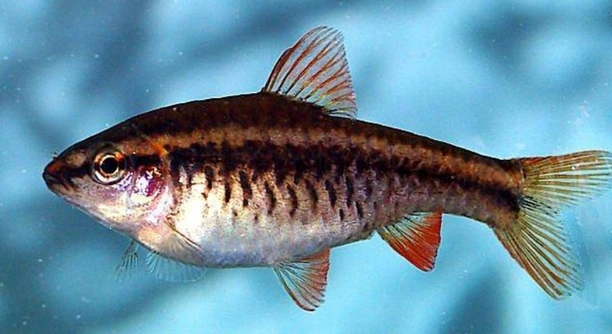
Are your cherry barbs swimming in a tank with a filter that makes the water swirl a little more than usual? These colorful fish often catch the eye with their calm movements and striking red tones.
Cherry barbs prefer gentle water movement that mimics their natural habitat of slow-moving streams. Strong currents can cause stress and lead to behavioral changes, while moderate flow helps maintain oxygen levels and supports a healthy environment.
Understanding how water flow affects their daily life can help you create a space where your cherry barbs feel calm and safe.
Why Water Movement Matters to Cherry Barbs
Cherry barbs are small, peaceful fish that come from slow-moving streams and rivers in Sri Lanka. In the wild, they live in shaded areas where the current is gentle. This natural environment shapes how they respond to water movement in a tank. Fast or turbulent water can make them feel stressed. They may swim less or hide more often. A steady but soft flow helps them stay active and supports their natural behavior. It also keeps oxygen moving through the water, which is important for their health. If the water moves too fast, they might struggle to swim or reach their food. Filters with adjustable flow settings can help create the right balance. You can also use plants or decorations to soften the current and give them places to rest. Watching how they move can tell you if the flow is right or needs to be changed.
A light current helps keep cherry barbs healthy and relaxed. It supports their breathing, movement, and natural patterns without overwhelming them.
Cherry barbs are active swimmers, but they don’t enjoy strong water pressure. If the current is too fast, they may stay near the bottom or avoid certain parts of the tank. This can limit their ability to explore or feed comfortably. When the flow is too weak, however, waste may build up, affecting water quality. A balanced current provides both comfort and cleanliness. Adding live plants, driftwood, or rocks can help slow down areas of faster movement. It’s important to watch their behavior during feeding and swimming. If they dart around anxiously or avoid the filter’s output, the current might need adjusting. A sponge filter or a hang-on-back filter with adjustable flow can work well. Taking the time to make small changes can lead to a more peaceful environment where cherry barbs thrive.
Creating the Right Setup for Your Cherry Barbs
Start with a filter that allows you to control the flow rate. This gives you flexibility as you observe how your cherry barbs react to the current.
Use a combination of plants, rocks, and décor to create calm zones within the tank. These areas let cherry barbs rest and explore comfortably. Tall plants can block direct flow, and placing them near the filter’s output helps slow water down. Rocks or driftwood placed in front of strong currents act as barriers. You don’t need fancy equipment—just smart placement of basic items. A filter that’s too strong can cause unease, so watch how they behave around it. Swimming against a soft current keeps them active, but if they are being pushed around, the water is likely too strong. Check on them regularly after cleaning or adjusting the filter, since flow can change slightly. Consistency is key, and once you find the right balance, they’ll reward you with calm, healthy swimming and brighter colors.
Ideal Water Flow for Cherry Barbs
Cherry barbs do best in gentle to moderate water flow. Their natural habitats have slow-moving water, so strong currents can overwhelm them. A soft, steady flow helps them feel secure, promotes healthy swimming behavior, and ensures proper oxygen levels throughout the tank without causing unnecessary stress.
When setting up your tank, start by using a filter with adjustable flow settings. Position the filter output to avoid creating strong surface agitation. Cherry barbs enjoy swimming through light currents but tend to avoid overly turbulent areas. You can place tall plants, driftwood, or rocks in the tank to naturally diffuse water flow. This creates quiet zones where your cherry barbs can rest. Check their behavior after setup—if they struggle against the current or stick to calmer corners, reduce the flow slightly. Keeping the water movement balanced helps keep your fish relaxed and active.
A sponge filter or a gentle hang-on-back filter is often ideal for cherry barb tanks. These options provide the circulation and filtration needed without creating a forceful current. For larger tanks, a canister filter with a spray bar set above or slightly below the waterline can work well. Spray bars are helpful for spreading out water flow evenly across the tank. Also, consider the shape and size of your tank—longer tanks distribute flow better than tall ones. You don’t need to overthink it, just keep an eye on how your fish move. If they swim freely and look calm, the setup is likely working. Their comfort is the best sign you’ve got the flow just right.
Adjusting Water Flow in Your Aquarium
If your cherry barbs seem to hide more or act skittish, your filter flow may be too strong. Try lowering the flow setting or using decorations to block the current.
One easy method to control flow is adjusting the angle of the filter output. Directing it toward a tank wall or downward can reduce pressure. Another option is adding plants like java fern or anubias close to the flow source. These plants help break up the current and give your fish calm areas to retreat. Sponge filters are great for smaller tanks and provide a gentle flow. You can also use filter baffles—simple DIY solutions like a sponge or plastic bottle cutout—to slow the output. If you’re using a powerhead or canister filter, setting up a spray bar with multiple holes spreads the current, making it less intense. Watch how your fish react over a few days and keep making small changes. They’ll tell you with their behavior when the water feels just right.
Signs Your Cherry Barbs Are Unhappy with Water Flow
If cherry barbs are constantly hiding or hovering near the bottom, it may be a sign the water flow is too strong. They prefer calm areas and may avoid swimming when the current feels overwhelming or stressful.
Watch for rapid gill movement or erratic swimming. These behaviors often point to discomfort caused by fast water movement. Cherry barbs usually swim smoothly and explore actively when conditions suit them.
Other Tank Mates and Flow Preferences
When choosing tank mates for cherry barbs, go for species that also enjoy moderate or low water flow. Fish like neon tetras, rasboras, and peaceful gouramis are great options. Avoid fast-swimming or aggressive species that thrive in strong currents, as they can outcompete cherry barbs for space and food. Sharing a similar preference for calm water helps keep the tank peaceful and stress-free for all fish. When everyone in the tank enjoys the same water conditions, it’s easier to maintain balance and avoid issues caused by mismatched flow needs. Matching tank mates by environment is just as important as matching personalities.
Tools to Help Manage Flow
Using a sponge filter is one of the easiest ways to keep flow gentle. It filters well without pushing the water too hard, which works great for cherry barbs.
FAQ
How can I tell if the water flow is too strong for my cherry barbs?
If your cherry barbs are constantly hiding or staying near the bottom of the tank, it may be a sign that the water flow is too strong. Another clue is if they’re swimming erratically, darting or struggling against the current. When the flow is too much, cherry barbs will often avoid swimming in the open areas of the tank and instead find spots where the water is calmer. Watch their gill movement as well—if it’s fast or labored, they may be fighting against the current to breathe properly. The ideal water flow should allow your fish to swim with ease, exploring the tank without constantly battling the current.
Can I use a filter with a higher flow rate if I adjust the tank’s decorations?
Yes, you can use a filter with a higher flow rate if you strategically adjust the tank’s layout. You can place decorations like plants, driftwood, or rocks in areas where the current is strongest to block or diffuse the flow. For example, placing tall plants or creating a rock formation near the filter’s output will reduce the intensity of the water flow, creating calmer zones for your cherry barbs. Keep an eye on their behavior to ensure that the changes you make provide them with enough still water to feel safe.
Is it okay to have strong water flow in the tank if there are other fish that enjoy fast-moving water?
It’s better to avoid having strong water flow if it disrupts the comfort of your cherry barbs, even if other fish in the tank enjoy stronger currents. Cherry barbs are peaceful, slow-moving fish that thrive in calm environments, so it’s important to consider the needs of all the tank’s inhabitants. If you do have fish that prefer fast-moving water, you can set up areas of the tank where the flow is stronger for those fish and other areas where the water is calmer for your cherry barbs. Using adjustable filters or multiple filtration systems can help create these distinct zones.
How do I make sure the water flow is balanced for my cherry barbs?
The key to balancing water flow for cherry barbs is regular observation. Start by adjusting the filter to a moderate setting and pay attention to how your fish react. Cherry barbs should swim comfortably throughout the tank without struggling or hiding too much. You can further adjust the flow by placing plants or decorations to soften the current. Avoid making sudden changes to the flow, as this could cause stress to your fish. If you’re unsure, err on the side of a gentler current, as cherry barbs generally prefer calmer conditions.
Should I use a sponge filter or a regular hang-on-back filter for cherry barbs?
A sponge filter is a great choice for a cherry barb tank, especially if you’re concerned about keeping the water flow gentle. Sponge filters create minimal current and are perfect for smaller tanks. They are also great for providing biological filtration without disturbing the peaceful nature of the aquarium. A hang-on-back filter with adjustable flow settings can also work, but ensure that the flow isn’t too strong. You can place decorations or plants near the filter’s output to reduce the flow’s intensity, making it more suitable for cherry barbs.
How can I reduce water flow in a large tank with a strong filter?
In larger tanks, you can reduce water flow by adjusting the filter’s flow rate if it has this option. For filters that don’t have adjustable settings, try using a spray bar to diffuse the flow over a wider area. You can also position the filter so the output is directed at the tank wall or toward the surface, which reduces the current. Adding live plants near the filter or using decorations like driftwood can help slow down the water movement. Always monitor your cherry barbs to see how they adjust, as each tank setup will be slightly different.
Can the water temperature affect how my cherry barbs react to flow?
Yes, water temperature can influence how cherry barbs react to water flow. In warmer water, fish tend to be more active, and they may tolerate stronger currents better. However, in cooler water, cherry barbs may become less active and more sensitive to strong water movement. It’s essential to keep the temperature within their preferred range of 72-80°F (22-27°C). If the water is too cold, they may become sluggish and more stressed by fast-moving water. Always adjust the flow based on the overall conditions in the tank, including temperature.
How do I know if my cherry barbs are getting enough oxygen?
Cherry barbs get most of their oxygen from the water’s surface, and they rely on good water circulation to ensure there’s enough dissolved oxygen. If the water flow is too weak, oxygen levels may drop, which can stress your fish. Look for signs like labored breathing or fish gasping near the surface. A filter that creates gentle movement at the surface of the water can help increase oxygen exchange. Aerators or air stones can also assist in oxygenating the water, particularly in tanks without enough surface agitation. However, be careful not to overdo it, as excessive bubbles can add unwanted movement to the water.
Can cherry barbs live in a tank with no water movement at all?
While cherry barbs prefer calm waters, they still need some water movement to ensure proper oxygenation and prevent stagnant conditions. A completely still tank may lead to lower oxygen levels, which can affect their health. If you’re aiming for no movement at all, make sure you provide sufficient aeration through an air stone or sponge filter to keep the water oxygenated. Still water can also encourage the buildup of waste and debris, which could harm your fish. It’s best to aim for very mild water flow to maintain a healthy and active environment.
When setting up a tank for cherry barbs, it’s important to remember that they thrive in calm, stable environments. Their natural habitats have slow-moving water, so strong currents can cause them stress and discomfort. Keeping the water flow gentle and steady helps them feel secure and active, allowing them to exhibit their natural behaviors. A simple, well-maintained setup with an adjustable filter can make a big difference in the happiness and health of your cherry barbs. The goal is to mimic their natural environment as closely as possible, making them feel at home in your tank.
Adjusting the water flow for cherry barbs doesn’t have to be complicated. By observing your fish and monitoring their behavior, you can easily tell if the current is too strong or too weak. If they are swimming against the current or hiding more than usual, you may need to lower the flow. On the other hand, if you notice waste buildup or poor water quality, the flow might need to be increased slightly. A balance between good filtration and gentle flow is key to keeping your fish healthy and stress-free. It’s all about finding the sweet spot where the water is moving enough to stay clean but not so fast that it overwhelms your fish.
Ultimately, providing a comfortable, well-balanced environment for cherry barbs isn’t difficult, but it does require some attention. Keeping the flow in check, monitoring their behavior, and using appropriate equipment will help ensure your fish live happy, healthy lives. Regularly adjusting the tank’s setup and flow will make sure that your cherry barbs thrive, staying active and colorful. Their well-being depends on a consistent environment that they can feel secure in. By following these simple tips, you’ll be able to create a space where your cherry barbs can truly flourish.

Hello,
If you enjoy the content that we create, please consider saying a "Thank You!" by leaving a tip.
Every little bit helps us continue crafting quality advice that supports the health, happiness, and well-being of pets around the world, for pets of all shapes, sizes, and species.
We really appreciate the kindness and support that you show us!