
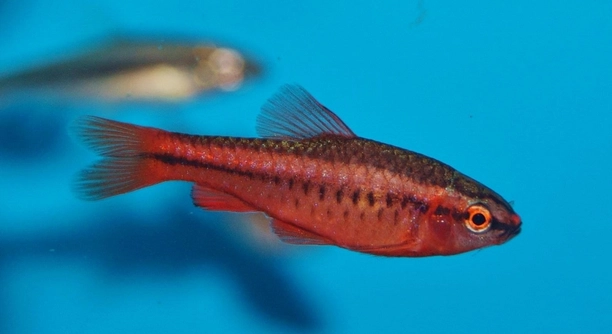
Cherry Barbs are a popular freshwater fish admired for their vibrant color and peaceful nature. When keeping them in an aquarium, understanding their preferred swimming level is crucial for ensuring they thrive in their environment.
Cherry Barbs typically swim in the middle to upper levels of the aquarium. They are active swimmers and prefer areas with plants and open spaces, though they may occasionally swim near the bottom when seeking food or shelter.
This understanding will help you create a more comfortable and engaging environment for your Cherry Barbs, enhancing their overall well-being.
Preferred Swimming Levels of Cherry Barbs
Cherry Barbs are known for their active nature, but they don’t spend all their time in the same place in the tank. They have a tendency to swim at varying levels. In a well-planted aquarium, they often swim in the middle to upper levels. Their playful movements are not just about exercise; they enjoy the freedom of exploring different spaces. The fish will move between the open spaces and plants, finding comfort in both. Some Cherry Barbs even venture towards the surface to catch a breath or search for floating food.
The ideal water depth varies depending on the available space. Cherry Barbs need a tank that provides both vertical and horizontal swimming areas, ensuring they feel safe while active.
Providing both open swimming areas and areas with plants ensures the Cherry Barbs’ well-being. A combination of these spaces makes it easier for them to express natural behaviors. They should always have the freedom to explore their environment, which helps keep them healthy and stress-free.
Factors Affecting Their Swimming Levels
The swimming level of Cherry Barbs is affected by several factors, including tank size, water quality, and the presence of other fish.
In a crowded tank, Cherry Barbs may tend to stay lower, avoiding interactions with more dominant fish. In contrast, a spacious aquarium gives them the confidence to explore higher levels. High water quality, which means stable temperature and proper filtration, encourages Cherry Barbs to swim freely. As with all fish, they will choose their swimming level based on where they feel most comfortable. Adjusting these factors can help you create a suitable environment for them to thrive.
Tank Size and Its Impact
Tank size plays a crucial role in the swimming behavior of Cherry Barbs. In a smaller tank, they may feel confined and limit their swimming to lower levels. With a larger tank, they can freely explore the middle and upper levels, as they have more space to feel comfortable.
In a spacious tank, Cherry Barbs exhibit their natural swimming habits, moving from one area to another. They tend to use all levels of the tank, from the bottom to the surface. A bigger space allows them to swim actively and spread out, reducing stress and improving overall health. This freedom in movement is vital for their well-being.
Smaller tanks often cause Cherry Barbs to feel cornered or stressed, which may lead them to swim less or stay near the bottom. They may also fight for territory in cramped spaces, leading to aggression. Ensuring ample room for each fish helps promote better behavior and activity.
Water Quality and Behavior
Water quality significantly influences Cherry Barbs’ swimming patterns. Poor water conditions can cause the fish to avoid swimming in the middle or upper levels. They may instead stay near the bottom or hide in plants, feeling insecure in unclean water.
Cherry Barbs are sensitive to changes in their environment. Ammonia or nitrite spikes, high or low temperatures, and pH imbalances can all impact their swimming behavior. Maintaining proper filtration and performing regular water changes keeps the water clean and stable, ensuring that Cherry Barbs feel safe and comfortable. Good water quality encourages them to swim actively.
If water quality is not maintained, Cherry Barbs may swim erratically or reduce their activity. Stress caused by poor water quality can lead to a weakened immune system, making the fish more susceptible to diseases. Regular water testing is essential for keeping them healthy and encouraging natural swimming behaviors.
Tank Setup and Swimming Preferences
The tank setup can also impact Cherry Barbs’ swimming levels. Providing hiding spots and plants encourages them to explore different areas of the tank. They prefer having spaces to hide but also need open areas to swim.
In tanks with dense planting, Cherry Barbs may choose the upper or middle levels for swimming. This allows them to stay active and feel secure. Without enough plants or hiding spaces, they may stay near the bottom or feel stressed, limiting their movement.
Temperature and Its Effect
Cherry Barbs are sensitive to water temperature, which influences their swimming behavior. The ideal temperature range for them is between 74-80°F. Staying within this range keeps them active and encourages free movement throughout the tank.
A temperature that’s too high or too low can make Cherry Barbs lethargic, often causing them to stick to one area, typically near the bottom. Extreme temperatures also put stress on the fish, leading to health problems. Consistent temperature control is important for keeping Cherry Barbs swimming at their best.
Lighting Conditions
Lighting can also affect how active Cherry Barbs are in the tank. Too much bright light can cause them to seek shelter, while dim lighting may make them feel more comfortable to swim freely. Proper lighting encourages them to explore their environment without fear.
FAQ
Do Cherry Barbs prefer to swim in schools?
Yes, Cherry Barbs are naturally social fish and thrive when kept in groups. They feel safer and are more active when surrounded by others of their kind. Swimming in schools helps them reduce stress and promotes healthier behavior. In the wild, Cherry Barbs tend to swim in groups to protect themselves from predators, so providing them with companionship in the aquarium mimics their natural environment. A group of at least six Cherry Barbs is ideal to ensure they are comfortable and active.
Can Cherry Barbs live with other fish?
Yes, Cherry Barbs are peaceful and can live with a variety of other fish. They generally do well with other small, non-aggressive species. However, it’s important to avoid housing them with larger or more territorial fish that might intimidate them. Ideal tank mates include small tetras, guppies, and Corydoras catfish. When selecting tank mates, ensure that the fish are similar in size and temperament to avoid conflict. Cherry Barbs do best in a community tank with a calm atmosphere, where they have room to swim and explore.
What is the ideal tank size for Cherry Barbs?
Cherry Barbs can thrive in tanks as small as 20 gallons, but a larger tank is always preferable for their well-being. A 20-gallon tank allows them to swim freely and explore different levels. However, if you’re keeping more than six Cherry Barbs or want to include other species, a larger tank, such as a 30 or 40-gallon, will be ideal. A bigger tank gives them more space to exhibit natural behaviors and reduces the chance of stress. Make sure to provide plenty of hiding spots and plants to create a comfortable environment.
How often should I feed my Cherry Barbs?
Cherry Barbs should be fed once or twice a day. They are not picky eaters and will gladly accept a variety of foods, including high-quality flake food, pellets, and live or frozen foods like brine shrimp and daphnia. It’s important not to overfeed, as they can easily become overweight. Remove any uneaten food after a few minutes to prevent water pollution. A balanced diet is essential for their health, and feeding them the right amount ensures they remain active and vibrant in the aquarium.
What is the lifespan of a Cherry Barb?
Cherry Barbs typically live for around 3 to 5 years with proper care. Their lifespan can vary depending on water quality, diet, and general tank conditions. Ensuring stable water temperature, regular water changes, and a balanced diet will help extend their lifespan. Like most fish, their lifespan may be shorter if they are subjected to stress, poor water conditions, or illness. Regular observation and maintenance can go a long way in ensuring a long and healthy life for your Cherry Barbs.
Are Cherry Barbs hardy fish?
Yes, Cherry Barbs are relatively hardy and can tolerate a variety of water conditions. They are adaptable to different pH levels and temperatures within their ideal range. However, like all fish, they do best in stable water conditions. They are not as sensitive as some other species, but fluctuations in temperature or water quality can cause stress. Regular maintenance and monitoring of water parameters are crucial for their health. If cared for properly, Cherry Barbs can handle mild changes in water conditions without any issues.
How do I breed Cherry Barbs?
Breeding Cherry Barbs is relatively straightforward, but they require certain conditions to spawn successfully. To encourage breeding, ensure that the water temperature is slightly elevated, around 78°F, and that the tank has plenty of plants for the fish to hide in. It’s best to have one male for every two females. When breeding, the males will display their vibrant colors to attract the females. Once spawning occurs, remove the adults, as they may eat the eggs. The eggs will hatch in about 24 to 48 hours, and the fry will be ready to feed on infusoria or baby brine shrimp after a few days.
Do Cherry Barbs need a filter?
Yes, Cherry Barbs benefit from a filter, as it helps keep the water clean and provides proper water circulation. A gentle filter is recommended, as Cherry Barbs do not like strong currents. Proper filtration maintains water quality by removing debris and harmful toxins such as ammonia and nitrates. Ensure the filter is appropriately sized for the tank and is cleaned regularly to prevent clogging. Without a filter, the water quality may deteriorate quickly, which can stress the fish and lead to health problems.
Can Cherry Barbs survive in a pond?
Cherry Barbs can survive in outdoor ponds, provided the pond conditions are right. They prefer temperatures between 74-80°F, so the pond should not get too cold in the winter. Cherry Barbs may also need to be brought indoors during the colder months, as they are not suited for temperatures below 60°F. In a pond, they will benefit from the natural environment, with plenty of plants and hiding spots. However, it’s important to ensure that the pond is not too deep and has a good filtration system to maintain water quality.
Why are my Cherry Barbs swimming at the surface?
If your Cherry Barbs are swimming at the surface, it could be due to several factors, including poor water quality or a lack of oxygen. They may be seeking oxygen at the surface if the water is low in oxygen. Ensure the water is well-oxygenated by using a filter or air stone. High temperatures can also cause them to swim near the surface, as they attempt to stay cool. Another possible cause could be the presence of floating food or debris, which may attract them to the surface. Check water parameters and adjust accordingly to resolve the issue.
Do Cherry Barbs have specific light requirements?
Cherry Barbs do not have strict lighting requirements but prefer a moderate amount of light. They thrive in natural daylight or standard aquarium lighting. Too much bright light can stress them out, causing them to hide or swim less. Dim lighting may encourage them to swim more freely, as they feel safer. A light cycle of around 10-12 hours a day is sufficient to mimic natural day-night cycles. It’s important to use a timer for consistency, which helps regulate their behavior and maintain a healthy tank environment.
Final Thoughts
Cherry Barbs are a peaceful and active species that can make a wonderful addition to a community tank. They are relatively easy to care for, making them a great choice for both beginners and experienced fish keepers. By providing the right environment, including a proper tank setup, stable water conditions, and suitable tank mates, Cherry Barbs can thrive and display their natural behaviors. Their preference for swimming at various levels, especially in schools, adds charm to any aquarium. It’s important to ensure that their needs are met to keep them healthy and active.
Caring for Cherry Barbs involves understanding their basic needs, such as appropriate tank size, temperature, and diet. They are quite hardy but still require regular water changes and monitoring of water quality to prevent stress. Cherry Barbs do best in tanks that mimic their natural environment, with plenty of plants, hiding spots, and open swimming areas. By offering a balanced diet and the right tank setup, they will remain active and colorful. With their calm temperament and vibrant colors, they are a joy to watch as they swim in schools and explore their environment.
Overall, Cherry Barbs are a low-maintenance species that adds beauty and life to aquariums. With the right care, they can live for several years, enriching your aquarium with their graceful swimming patterns and social nature. It’s also important to remember that they thrive best when kept with other peaceful species, creating a harmonious community tank. By understanding their behavior, preferences, and needs, you can enjoy watching these fish grow, swim, and flourish in their ideal environment.

Hello,
If you enjoy the content that we create, please consider saying a "Thank You!" by leaving a tip.
Every little bit helps us continue crafting quality advice that supports the health, happiness, and well-being of pets around the world, for pets of all shapes, sizes, and species.
We really appreciate the kindness and support that you show us!