
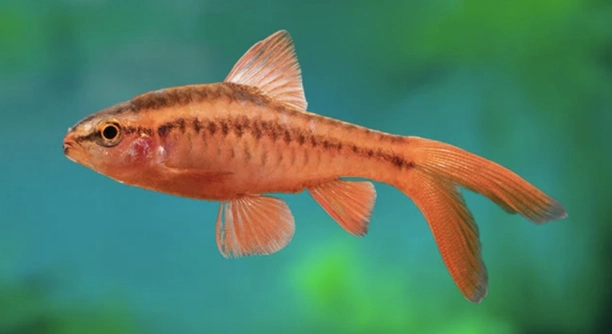
Cherry Barbs are small, peaceful fish often kept in freshwater aquariums. They are known for their vibrant color and easygoing nature. Many aquarium enthusiasts wonder how they interact with other barbs in a shared tank.
Cherry Barbs generally get along well with other types of barbs, as they share similar temperaments. However, compatibility can depend on the species and the tank’s conditions. Aggressive or territorial barbs may not be ideal tank mates.
Understanding the behavior of different barb species is essential for maintaining a harmonious aquarium environment. This knowledge will help you make the best choices for tank mates.
What Are Cherry Barbs?
Cherry Barbs are an attractive addition to any aquarium, thanks to their striking red and orange hues. They typically grow to about 2 inches long and are relatively low-maintenance. These fish do well in schools, often seen swimming gracefully together. While peaceful, they can be quite active, especially during feeding time. They are hardy fish, which makes them a great choice for beginners. Despite their peaceful nature, it’s essential to provide them with the right tank environment and companions to ensure they thrive. They do best in well-planted tanks with moderate water flow, where they can feel secure.
Cherry Barbs are known to enjoy company but can sometimes show aggression toward their own kind. Male Cherry Barbs, in particular, can become territorial, especially when competing for the attention of females.
Tank mates for Cherry Barbs should be chosen carefully to avoid conflicts. It’s important to pair them with peaceful fish that can handle a slightly territorial environment. Other community fish, like Tetras or Corydoras, make great companions for Cherry Barbs.
Compatibility with Other Barbs
Cherry Barbs can get along with other barbs, but certain species might create problems. Larger barbs like the Tiger Barb are known for being more aggressive, and they could stress out the smaller Cherry Barbs.
When mixing different types of barbs, it’s essential to consider their size, temperament, and behavior. Some barbs, like the Green or Odessa Barb, tend to be calmer and may coexist peacefully with Cherry Barbs. However, barbs that are too aggressive or territorial can lead to stress and injuries in the tank.
Cherry Barbs tend to do better with other peaceful, non-aggressive fish. Keeping the tank environment calm with appropriate fish pairings will ensure a harmonious community. While some barbs can coexist peacefully, others should be avoided for the health of your Cherry Barbs.
Ideal Tank Conditions for Cherry Barbs
Cherry Barbs thrive in tanks with a stable environment. Water temperature should range from 74°F to 79°F, and they prefer slightly acidic to neutral pH levels. A well-maintained filtration system is crucial to keep the water clean. Moderate water flow ensures they feel comfortable, but too much current can stress them out. Proper lighting is also important, as it helps them maintain their natural coloring.
They enjoy a tank with plenty of plants, as it provides hiding spots and a more natural environment. A well-planted tank not only mimics their natural habitat but also gives them a sense of security. Adding soft plants and driftwood will help them feel more at home. Be mindful of decorations that could harm them, especially sharp or rough surfaces. A good balance of open swimming areas and hiding spots is key to keeping them happy.
The size of the tank should be at least 20 gallons to allow for adequate space and a stable ecosystem. Cherry Barbs are social fish, so having a small group in the tank is beneficial for their well-being. Keeping them in a peaceful, balanced environment helps reduce stress and promotes healthy behavior.
Potential Issues with Other Barbs
When Cherry Barbs share a tank with other barbs, some issues can arise. Larger or more aggressive species like the Tiger Barb might bully smaller or more peaceful fish. The competition for territory and food can also lead to stress. Stress weakens the immune system, making fish more susceptible to disease.
In a mixed-barb tank, it’s important to monitor behavior. Some barbs, especially the more aggressive ones, can outcompete Cherry Barbs for food or chase them around. This can cause physical injury or lead to stress-induced illnesses. Cherry Barbs are more likely to be stressed by rapid movement or aggressive behavior, which can ultimately shorten their lifespan.
It’s vital to choose tank mates carefully. If mixing with other barbs, go for species that are known for being less aggressive and smaller in size. This will help prevent conflicts and keep the environment more peaceful, benefiting all fish in the tank.
Behavior of Cherry Barbs in a Community Tank
Cherry Barbs are peaceful and social, making them a good choice for a community tank. They prefer to be in groups of at least six to feel secure. While they are active, they tend to keep to themselves, not engaging in aggressive behavior.
However, males can be territorial, especially during breeding. They may chase each other or other fish to establish dominance. This is typical behavior for many barbs, but it’s usually not aggressive enough to harm tank mates. With enough space and hiding places, they can live peacefully with other species.
It’s important to observe their interactions. If aggression becomes noticeable, you might need to adjust the tank setup or remove more aggressive fish. Cherry Barbs generally do best in calm tanks with compatible tank mates and plenty of swimming space.
Cherry Barb Breeding
Breeding Cherry Barbs in a tank can be a rewarding experience. The males display bright colors to attract females, especially during mating season. To breed, a separate breeding tank with soft, slightly acidic water is ideal. Providing plants for the females to lay eggs on is essential, as they prefer a quiet, calm environment.
Once the eggs are laid, remove the adults to prevent them from eating the eggs. The fry will hatch in about 24 to 48 hours. Feed them infusoria or baby brine shrimp until they grow large enough to eat regular fish food. It’s important to maintain good water quality to ensure the fry’s survival.
With the right environment and care, breeding Cherry Barbs can be a simple process. A peaceful, well-maintained tank with the right conditions will support healthy reproduction.
Common Cherry Barb Diseases
Cherry Barbs can be susceptible to a few common fish diseases. Ich, a parasitic infection, is one of the most frequent problems. It causes white spots on the skin and gills, often brought on by poor water quality or sudden changes in temperature.
Another concern is fin rot, which can occur due to injuries or bacterial infections. Keeping water conditions stable and ensuring the fish aren’t stressed helps prevent these issues. Regular water changes and proper filtration are key to maintaining good health.
FAQ
Do Cherry Barbs get along with other fish?
Yes, Cherry Barbs are peaceful and generally get along well with other fish, especially non-aggressive species. They do well in community tanks with fish like Tetras, Corydoras, and other smaller barbs. However, they might struggle with larger or more aggressive species, such as Tiger Barbs, which can be too dominant. As long as their tank mates are peaceful and share similar environmental needs, Cherry Barbs can coexist peacefully.
Can Cherry Barbs live with Betta fish?
Cherry Barbs can live with Betta fish, but it depends on the Betta’s temperament. Bettas can be territorial and aggressive, especially towards fish with flowing fins. Cherry Barbs are small and non-aggressive, so they may be seen as targets if the Betta feels threatened or territorial. However, in a well-planted tank with enough space and hiding spots, they can coexist.
What is the ideal tank size for Cherry Barbs?
The ideal tank size for a group of Cherry Barbs is at least 20 gallons. While Cherry Barbs are small, they are social fish that do best in groups of six or more. A larger tank provides ample space for swimming and reduces the likelihood of territorial behavior. It also allows for better water quality and stability, which are essential for their well-being.
How many Cherry Barbs should be kept together?
It’s best to keep Cherry Barbs in groups of at least six. They are social fish and feel more secure when in a group. Keeping them in smaller numbers can lead to stress and potential aggression. A larger group allows them to display natural behaviors, such as swimming together and interacting with each other.
What do Cherry Barbs eat?
Cherry Barbs are omnivorous and eat a variety of foods, including high-quality flake or pellet food, live or frozen foods like brine shrimp and daphnia, and vegetable matter like blanched spinach or zucchini. They also enjoy occasional treats like bloodworms or small pieces of shrimp. A balanced diet helps maintain their vibrant color and overall health.
Are Cherry Barbs good for beginners?
Yes, Cherry Barbs are a great choice for beginner aquarists. They are hardy, easy to care for, and adaptable to various water conditions. As long as their tank is well-maintained with stable water parameters, they are relatively low-maintenance. They don’t require special care or attention, making them ideal for those new to fishkeeping.
Can Cherry Barbs live in cold water?
Cherry Barbs prefer warm water and should not be kept in cold water. Their ideal temperature range is between 74°F and 79°F. Cold water can stress them out, weakening their immune system and making them more prone to diseases. Ensure the water stays within their preferred temperature range for optimal health.
How do you breed Cherry Barbs?
Breeding Cherry Barbs is fairly easy with the right setup. To encourage breeding, separate the males and females for a few days and feed them a nutritious diet. Once they are ready, place them in a breeding tank with soft, slightly acidic water and plenty of plants for the females to lay eggs. After laying, remove the adults to prevent them from eating the eggs. The eggs will hatch in 1-2 days, and the fry can be fed infusoria or baby brine shrimp.
What is the lifespan of a Cherry Barb?
Cherry Barbs typically live for about 3 to 5 years when kept in optimal conditions. Their lifespan can be affected by factors such as water quality, tank mates, diet, and overall care. With proper maintenance and attention, they can thrive and reach their full lifespan potential.
Do Cherry Barbs need a filter?
Yes, Cherry Barbs do need a filter to maintain clean water. Good filtration helps keep the water quality high by removing debris, excess food, and waste. However, make sure the filter’s current is not too strong, as Cherry Barbs prefer moderate water flow. Too much water movement can stress them out.
How often should I change the water for Cherry Barbs?
You should change 25-30% of the water in the tank every week to keep the water quality high. Regular water changes help remove excess nutrients, waste, and toxins that build up in the tank. It’s also important to test the water regularly for ammonia, nitrites, and nitrates to ensure it’s safe for your Cherry Barbs.
Do Cherry Barbs need a heater?
Yes, Cherry Barbs need a heater to maintain their preferred temperature range of 74°F to 79°F. They are tropical fish and thrive in warm water. A heater will help keep the water temperature stable, which is crucial for their health and well-being. Make sure the heater is reliable and the temperature is regularly monitored.
Can Cherry Barbs live with snails?
Yes, Cherry Barbs can live with snails, and they often get along well. Snails help keep the tank clean by eating algae and detritus. Since Cherry Barbs are peaceful, they don’t usually bother snails. However, be mindful of larger snails, as some species might outcompete Cherry Barbs for food or even threaten smaller fish.
Do Cherry Barbs need special lighting?
Cherry Barbs do not require special lighting, but a standard aquarium light is enough. They do well with a 10-12 hour light cycle, which mimics natural day and night conditions. Proper lighting also helps maintain the color of the plants and promotes healthy growth in the tank.
What are the signs of stress in Cherry Barbs?
Cherry Barbs may show signs of stress through erratic swimming, hiding more than usual, or displaying dull colors. Stress can also cause them to lose their appetite or show signs of illness. Poor water quality, aggressive tank mates, or improper temperature can contribute to stress. If you notice these symptoms, check the water conditions and adjust the environment accordingly.
Final Thoughts
Cherry Barbs are a great addition to most community tanks. Their peaceful nature and small size make them compatible with many other species, as long as the tank is well-maintained and other fish are not overly aggressive. They are hardy and easy to care for, making them a good choice for beginner aquarists. While they may show some territorial behavior during breeding, they generally get along with their tank mates, as long as they are kept in groups of at least six. This helps them feel secure and reduces stress.
To ensure Cherry Barbs thrive, it’s important to maintain stable water conditions, including the right temperature, pH, and hardness levels. Regular water changes and a reliable filtration system will help keep the water clean and free from harmful toxins. Providing plenty of plants and hiding spots will also reduce stress, as these fish enjoy having places to explore and retreat to when needed. A proper diet with a variety of foods, such as flakes, pellets, and occasional live or frozen foods, will keep them healthy and vibrant.
Breeding Cherry Barbs is relatively straightforward with the right setup, and observing their colorful display during mating rituals can be rewarding. Their small size and non-aggressive temperament make them easy to manage in a tank, and their bright colors add beauty and movement to the aquarium. Overall, Cherry Barbs are a great choice for any aquarist looking to add a peaceful, colorful fish to their tank. Proper care and attention will help them thrive, ensuring they remain a lively and beautiful presence in your aquarium for years to come.

Hello,
If you enjoy the content that we create, please consider saying a "Thank You!" by leaving a tip.
Every little bit helps us continue crafting quality advice that supports the health, happiness, and well-being of pets around the world, for pets of all shapes, sizes, and species.
We really appreciate the kindness and support that you show us!