
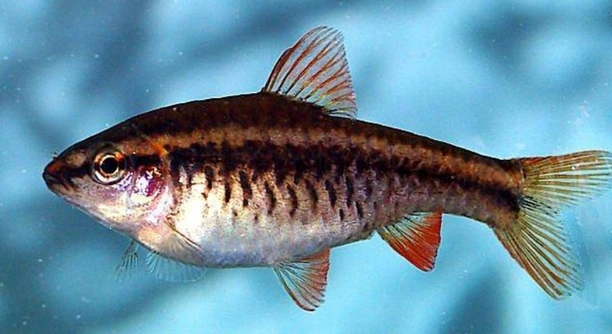
Cherry barbs are small, colorful fish commonly kept in home aquariums. They are known for their social nature, but there is often curiosity about whether they form long-term bonds with one another, as some fish species do.
Cherry barbs do not form long-term bonds in the way some other fish species, like cichlids, do. They are social but tend to form loose, dynamic groupings rather than stable pair bonds. Their social interactions are based more on schooling.
Understanding their social behavior helps aquarium owners provide the right environment for these active fish. In the following sections, we explore how their interactions and tank conditions influence their well-being.
Social Structure of Cherry Barbs
Cherry barbs are typically seen swimming in groups within aquariums. They thrive in schools of five or more, feeling more secure and active in a group setting. However, unlike some fish, they do not create long-lasting bonds with particular individuals. Their social structure is fluid, with interactions centered around school movement rather than pair bonding. This behavior makes them more independent and adaptable to changing tank environments.
While they are peaceful and active, cherry barbs don’t have a true social hierarchy. They interact freely with each other, without showing signs of dominant or submissive behavior. They often move together, responding to the presence of food or other environmental factors, yet they do not seek long-term companionship. In a well-maintained tank, they can coexist harmoniously with other species, but their primary social need is to be in a group.
For anyone planning to keep cherry barbs, it is important to ensure the tank has plenty of open space for swimming and hiding spots. These fish enjoy a well-established environment, where they can swim freely without much disruption. A variety of plants and decorations can help create the ideal space for these social fish.
Importance of Schooling Behavior
Cherry barbs may not form lasting pair bonds, but they rely on being part of a school for their well-being. Swimming in groups provides them with a sense of security. This behavior helps them feel protected from potential predators in nature.
Maintaining a school of cherry barbs in your aquarium will allow them to express natural behaviors, such as synchronized swimming. These fish are generally peaceful and not territorial, making them ideal for community tanks with other species. They interact positively with similar-sized, non-aggressive fish.
Environmental Factors and Social Behavior
The environment plays a key role in shaping the social interactions of cherry barbs. Tank conditions, such as water quality and temperature, influence their comfort level and behavior. Stable water conditions are essential for keeping them active and social within their group.
Cherry barbs prefer well-planted tanks with soft, slightly acidic water. A stable temperature between 75-80°F (24-27°C) is ideal for these fish. Providing hiding spots such as plants or rocks encourages natural behaviors, allowing cherry barbs to feel safe. These spaces mimic the types of environments they would seek in the wild, helping them to maintain comfort and reduce stress. It also allows them to swim and socialize freely, as they do not feel constantly exposed to potential threats.
A tank with good filtration and regular water changes will ensure the cherry barbs remain healthy and active. Keeping the water clean and stable encourages better social interactions, as stressed or unhealthy fish tend to avoid interaction with others. By maintaining optimal conditions, owners will encourage the group dynamics that cherry barbs thrive on.
Tank Mates and Their Influence
Tank mates can have a significant impact on the behavior of cherry barbs. Since they are peaceful and non-aggressive, it is essential to choose companions that do not disrupt their social structure. Avoiding larger, aggressive species ensures that cherry barbs can continue to interact naturally within their school.
Cherry barbs do best with other peaceful, non-territorial fish. Small to medium-sized species that enjoy similar water conditions are ideal tank mates. Fish like neon tetras, guppies, and rasboras complement the social nature of cherry barbs. In addition, cherry barbs can coexist with bottom dwellers like Corydoras catfish, which do not compete for the same resources.
Choosing the right tank mates allows cherry barbs to maintain their natural social behaviors. Peaceful interactions will lead to a more active and cohesive school, encouraging them to interact with each other in a positive way. A peaceful environment promotes a thriving community tank that benefits all species involved.
Breeding and Pairing Behavior
While cherry barbs don’t form long-term bonds, they do display some level of pairing behavior during the breeding process. Male cherry barbs will often court females by displaying vibrant colors and engaging in chase patterns to attract them.
Breeding behavior is primarily driven by the need to reproduce, not long-term companionship. The male’s display of colors is meant to signal his readiness to mate. Once a female selects a mate, they will spawn together, but the bond ends once the eggs are laid. This short-lived pairing is a natural part of their reproduction cycle.
Aggression and Social Hierarchy
Cherry barbs are peaceful fish that do not exhibit aggression under normal circumstances. They do not form a strict social hierarchy, making it easier to keep them in groups. There is no visible dominant fish or fighting for dominance.
This peaceful nature allows for harmonious group dynamics, with all members coexisting well. Cherry barbs’ lack of territorial aggression means they can be placed with other species without fear of conflict. Their non-aggressive behavior ensures they will not disrupt the peaceful atmosphere of a well-maintained community tank.
Impact of Stress on Social Interaction
Stress can influence the behavior of cherry barbs, causing them to retreat from the group and become more reclusive. Keeping their environment stable is key to maintaining positive social interaction. When stressed, they may isolate themselves.
FAQ
Do cherry barbs need to be kept in groups?
Yes, cherry barbs should be kept in groups of at least five. They are social fish that thrive when they have companions to interact with. Being in a school provides them with a sense of security, reducing stress. A larger group allows for more natural social behaviors, like schooling and interaction, which helps them feel more comfortable in their environment.
Can cherry barbs live with other fish?
Cherry barbs are peaceful fish and can live with a variety of other non-aggressive species. They are compatible with species that share similar water temperature and pH requirements, such as neon tetras, guppies, and small rasboras. It’s important to avoid aggressive or larger fish that could intimidate or harm them. Cherry barbs generally do well in community tanks with other peaceful species.
Are cherry barbs easy to care for?
Yes, cherry barbs are relatively easy to care for, making them a great option for beginner fishkeepers. They are hardy and adaptable, tolerating a range of water conditions as long as they are stable. Regular water changes, proper filtration, and a balanced diet are important to keep them healthy. They do well in a well-planted tank, which mimics their natural habitat and provides hiding spots.
How often should I feed cherry barbs?
Cherry barbs should be fed once or twice a day. They are omnivores and will accept a variety of foods, including flakes, pellets, and frozen or live food. It’s best to feed them in small amounts that they can consume in a few minutes, as overfeeding can lead to water quality issues. A varied diet, including vegetable matter and protein sources, helps keep them healthy and active.
What is the ideal tank size for cherry barbs?
A tank size of at least 20 gallons is recommended for a small group of cherry barbs. A larger tank is always better, especially if you plan to keep multiple species. Cherry barbs are active swimmers and need space to move around. A tank with plenty of plants, decorations, and open swimming areas will help them feel comfortable and reduce stress.
Do cherry barbs need a heater in their tank?
Yes, cherry barbs prefer warmer water, typically between 75-80°F (24-27°C). A reliable heater is recommended to maintain a stable temperature, especially in cooler climates. This ensures that the fish remain active and healthy. Sudden temperature fluctuations can stress the fish and affect their behavior and immune system.
Can cherry barbs breed in captivity?
Yes, cherry barbs can breed in captivity. Males will display their vibrant colors to attract females, and once they form a temporary pair, they will spawn. The female will lay eggs, which are often hidden among plants. The parents usually do not care for the eggs, so it’s important to separate the adults from the eggs to prevent them from being eaten. The eggs will hatch in a few days, and the fry will be ready to eat infusoria or finely crushed food.
What are the signs of illness in cherry barbs?
Like all fish, cherry barbs can become ill if their environment isn’t properly maintained. Signs of illness include faded color, lethargy, loss of appetite, and abnormal swimming behavior. A sudden change in appearance, such as clamped fins or abnormal spots, can also indicate disease. If you notice these signs, it’s important to check water parameters and isolate sick fish to prevent the spread of illness.
Do cherry barbs require a lot of attention?
Cherry barbs are low-maintenance fish once their tank is set up correctly. They don’t require a lot of attention, but their tank should be monitored regularly for water quality. Weekly water changes and ensuring proper filtration are the main tasks for maintaining their health. They are resilient, so as long as their environment is stable, they can thrive with minimal effort.
What is the lifespan of a cherry barb?
Cherry barbs typically live for about 3 to 5 years in captivity, although with excellent care, they can live longer. Proper tank conditions, a balanced diet, and routine maintenance all contribute to their longevity. Regular checkups on their environment will help you keep your cherry barbs healthy and active for the longest period possible.
Do cherry barbs change color?
Yes, cherry barbs can change color, especially the males. During breeding season, male cherry barbs become more vibrant in color, with their red hues intensifying to attract females. However, their color can also be influenced by factors like stress, water quality, and diet. Poor water quality can cause a male’s colors to fade, so maintaining good water conditions is key to keeping their vibrant appearance.
How can I tell if my cherry barbs are happy?
Healthy and happy cherry barbs are active and swim in groups. They are usually not shy and will explore the tank while interacting with other fish. Their colors will be bright, and they will be eating regularly. If your cherry barbs are hiding frequently, have faded colors, or are swimming erratically, it could indicate stress or poor tank conditions.
Final Thoughts
Cherry barbs are a great choice for anyone looking to add peaceful and colorful fish to their aquarium. Their social nature makes them an interesting species to observe, as they thrive in groups and interact with one another in dynamic ways. These fish do not form long-term bonds, but they do display temporary pairings during the breeding process, which adds an intriguing aspect to their behavior. Their ability to coexist peacefully with a variety of other fish makes them versatile for community tanks, and they do well in tanks of different sizes as long as proper care is given.
Their care requirements are not complicated, making them suitable for both beginner and experienced fishkeepers. A stable tank environment with appropriate water conditions is essential for their health and well-being. Cherry barbs are hardy fish, able to adapt to different conditions, but they will do best in a tank with stable water parameters, proper filtration, and consistent feeding. Keeping them in a group of at least five will allow them to feel secure and comfortable, encouraging their natural social behaviors.
In conclusion, cherry barbs are not only beautiful but also relatively easy to care for, making them an ideal addition to many aquariums. They do not form long-term bonds with one another, but they do establish temporary pairings during the breeding season. By providing the right tank environment, feeding them a varied diet, and ensuring their social needs are met, you can enjoy observing their active, peaceful behaviors for several years. With proper care, cherry barbs will be a joyful and vibrant part of any community tank.

Hello,
If you enjoy the content that we create, please consider saying a "Thank You!" by leaving a tip.
Every little bit helps us continue crafting quality advice that supports the health, happiness, and well-being of pets around the world, for pets of all shapes, sizes, and species.
We really appreciate the kindness and support that you show us!