
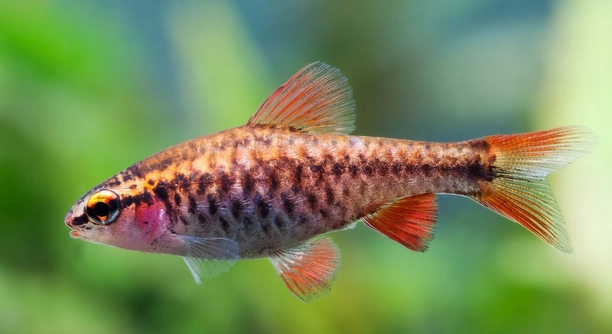
Cherry barbs are popular aquarium fish known for their vibrant colors and active behavior. They are often kept in groups, which may prompt questions about their social interactions and safety mechanisms in the wild and captivity.
Cherry barbs tend to stay in groups as a survival strategy, providing safety through numbers. This behavior helps them avoid predators by staying in tight schools, reducing the likelihood of being singled out. Group living also facilitates social interactions and stress reduction.
Understanding the reasons behind their behavior can improve their care and help you create a thriving tank environment for these colorful fish.
Why Do Cherry Barbs Stick Together?
Cherry barbs, like many other species of fish, are naturally inclined to stay in groups for safety. When they move together, they create a protective barrier against predators, reducing the chance that any one fish will be singled out. This behavior is often seen in both the wild and in aquariums. The idea behind this grouping is simple: staying close to others increases the chances of survival. In the wild, cherry barbs often form tight schools to avoid larger predators that might hunt them individually. In captivity, they maintain this instinctive behavior, making it important to keep them in groups of at least six to eight individuals for their well-being.
While cherry barbs might appear playful or carefree, their need to stay together is rooted in survival. By keeping them in groups, you mimic their natural environment, reducing stress and ensuring they are comfortable. Their active, social behavior in schools can also create a visually stunning display in any tank.
When cherry barbs are kept alone or in small numbers, they can become stressed, which may affect their overall health and lifespan. Keeping them in groups lets them express their natural instincts and provides them with the security they need to thrive.
Social Behavior and Its Importance
The social behavior of cherry barbs is not just about avoiding predators. These fish interact with one another through various behaviors such as chasing, schooling, and even displaying dominance. Being in groups allows them to form a social hierarchy, which helps reduce aggression and creates a balanced environment. This behavior also aids in breeding, as these fish often rely on the presence of others to trigger mating rituals.
Fish that are kept in groups of appropriate sizes typically display fewer signs of stress. They become more active and exhibit more natural behaviors, such as exploring the tank, foraging, and engaging with each other. It’s important to remember that cherry barbs are not solitary creatures. Their happiness and health are closely linked to the number of their own kind in the tank.
Additionally, the social structure of cherry barbs can make a tank more interesting to observe. Watching them interact in a group can be both calming and educational. With the right tankmates, they form a dynamic and colorful community that is a joy to watch.
Benefits of Keeping Cherry Barbs in Groups
Cherry barbs thrive when kept in groups, as they exhibit less stress and more natural behaviors. When surrounded by others of their kind, they feel safer and more comfortable, leading to healthier and more active fish. This helps them avoid issues such as aggression or fear-induced behaviors, promoting overall well-being.
Keeping cherry barbs in groups mimics their natural environment, where they form schools for protection. In the aquarium, a school of cherry barbs not only creates a more visually pleasing display but also promotes better socialization among the fish. This reduces territorial behavior and encourages the fish to engage in more natural activities. The presence of fellow barbs helps alleviate stress, which is critical for their immune systems, allowing them to grow and breed successfully.
Moreover, these fish are known to display fascinating social dynamics within their groups. You may see them interacting with one another through light chasing, swimming in synchronized patterns, or even forming subtle pecking orders. These behaviors make it easy to appreciate their social nature and add an extra layer of interest to your aquarium.
The Role of Tank Size in Group Behavior
The size of the tank can greatly influence how well cherry barbs interact with each other. A larger tank provides ample space for them to swim freely, interact, and establish their social hierarchies. It allows the group to feel secure without overcrowding, which can lead to stress and aggression. Proper tank size ensures that the fish have room to move without feeling cramped.
When cherry barbs are kept in a tank that’s too small, they may become territorial or exhibit signs of stress. A small space doesn’t allow for natural schooling behavior, and the fish may become more vulnerable to illness. It’s essential to provide a minimum tank size of at least 20 gallons to ensure the fish can thrive. A larger tank also enables you to keep a greater number of barbs, which helps to further reinforce their social instincts.
Setting up a tank with enough space for cherry barbs not only makes them feel more comfortable, but it also promotes a healthy, active environment. They will be more likely to school together and engage in playful behavior, giving you a more rewarding aquarium experience.
How to Set Up the Perfect Tank for Cherry Barbs
Creating the right environment for cherry barbs means providing them with plenty of swimming space and hiding spots. Live plants, rocks, and decorations are essential for making them feel safe and comfortable. A well-planted tank gives them areas to explore and reduces stress.
Ensure the water conditions are optimal for cherry barbs. They prefer slightly acidic to neutral water with a temperature range of 72°F to 80°F. Regular water changes help maintain clean, stable conditions. Additionally, good filtration ensures the tank stays healthy, which is crucial for maintaining the vibrant colors of the fish.
The right setup not only supports their health but also allows you to enjoy watching them interact. With appropriate tankmates, plants, and filtration, cherry barbs will thrive in an environment that mimics their natural habitat.
Best Tankmates for Cherry Barbs
Cherry barbs are peaceful fish and can be kept with a variety of other species. They do well in community tanks with similar-sized fish that share their calm nature. Consider species like tetras, rasboras, or peaceful gouramis, which match their temperament and won’t outcompete them for food.
Avoid aggressive or large fish, as they may stress or bully the barbs. It’s important to keep tankmates that aren’t too territorial, allowing the cherry barbs to swim freely without fear. When choosing companions, look for species that enjoy similar water conditions and temperatures to ensure a harmonious tank environment.
Feeding Cherry Barbs
Cherry barbs are omnivores and will happily eat a variety of foods, including high-quality flakes, pellets, and frozen or live foods like brine shrimp and daphnia. A balanced diet keeps them healthy and enhances their color. Feeding them small portions 2-3 times a day is ideal for their digestive system.
FAQ
Do Cherry Barbs Need to Be in a School?
Yes, cherry barbs thrive in groups. They are naturally social fish that feel more secure when kept in schools of at least six or more individuals. Keeping them in smaller groups can lead to stress, reduced activity, and even health issues. In the wild, they form schools to protect themselves from predators, and replicating this behavior in captivity helps them maintain their natural instincts. A group of barbs will swim together, reduce aggression, and enjoy a healthier, happier life.
Can Cherry Barbs Live with Other Fish?
Yes, cherry barbs are peaceful and can live with a variety of other non-aggressive fish. They do well in community tanks with species such as tetras, rasboras, and smaller gouramis. It’s important to avoid keeping them with larger or more aggressive fish, as this could stress the barbs or cause injury. When selecting tankmates, ensure that the fish share similar water preferences, such as temperature and pH levels. This helps keep the entire aquarium environment harmonious.
What Is the Ideal Tank Size for Cherry Barbs?
For cherry barbs, a minimum of a 20-gallon tank is recommended, especially when keeping them in groups. Larger tanks provide more swimming space and better water quality management. A 20-gallon tank allows for adequate space for a small school of cherry barbs and any other peaceful tankmates you may want to include. Keep in mind that the larger the tank, the easier it is to maintain water parameters, such as temperature and pH, which is crucial for keeping your fish healthy.
What Water Conditions Do Cherry Barbs Need?
Cherry barbs prefer slightly acidic to neutral water with a pH level between 6.0 and 7.5. The ideal temperature range is 72°F to 80°F. They also need well-filtered water to keep it clean and clear. Regular water changes are necessary to maintain stable water conditions. Poor water quality can stress the fish, making them more susceptible to disease. Using a reliable water test kit can help you monitor the water’s pH, hardness, and ammonia levels. Ensuring these factors are stable is key to keeping your cherry barbs healthy.
How Often Should I Feed My Cherry Barbs?
Cherry barbs should be fed 2-3 times a day, offering small portions each time. A varied diet is essential to their health, including high-quality flakes or pellets, as well as occasional treats like live or frozen brine shrimp, daphnia, or bloodworms. Overfeeding can lead to water quality issues, so it’s best to provide only as much food as they can consume in a few minutes. Be sure to remove any uneaten food promptly to avoid polluting the tank. Feeding them a balanced diet ensures their vibrant colors and good health.
Do Cherry Barbs Breed Easily in Captivity?
Breeding cherry barbs in captivity is possible but can require some effort. To encourage breeding, it’s best to keep a ratio of 2-3 females to every male. You should also provide hiding places like plants or decorations where the female can lay her eggs. Water conditions should be optimal, and slight changes in temperature (raising it a few degrees) can sometimes trigger breeding behavior. After fertilization, the eggs hatch in about 24-48 hours, and the fry will need small food, such as infusoria or crushed flakes, until they grow large enough to eat regular food.
How Long Do Cherry Barbs Live?
Cherry barbs typically live for 3-5 years when kept in optimal conditions. Their lifespan can vary depending on factors like water quality, diet, and tank conditions. Stress and poor water quality can shorten their lives. To help them live longer, maintain a clean tank, avoid overfeeding, and keep them in groups of at least six. With proper care, cherry barbs can be a long-term, colorful addition to your aquarium.
Can Cherry Barbs Change Color?
Yes, cherry barbs are known for their bright red coloration, but their color can change based on their mood, health, or environmental conditions. During breeding, males may become more vibrant, especially when they’re courting females. Poor water quality, stress, or an inadequate diet can cause cherry barbs to lose some of their brightness. Ensuring they have proper tank conditions and a balanced diet will help maintain their natural colors. Healthy cherry barbs are typically a rich red or orange with a subtle shimmer.
Are Cherry Barbs Hardy Fish?
Cherry barbs are relatively hardy fish that can adapt to a range of conditions, but they do need stable water parameters to thrive. While they can tolerate slight fluctuations in temperature or pH, sudden or extreme changes can stress them out or lead to health issues. Maintaining consistent water quality and avoiding drastic changes in tank conditions is essential to keeping cherry barbs healthy. They’re a great choice for beginner aquarists, but they still require attention to detail when it comes to their environment.
Do Cherry Barbs Get Along with Other Fish?
Cherry barbs are peaceful and usually get along well with other small, non-aggressive fish. They’re often kept in community tanks with species like neon tetras, guppies, or rasboras. It’s important to avoid keeping them with aggressive fish or large species that might bully or harm them. Cherry barbs are especially sensitive to aggressive tankmates, which can cause them stress and potentially lower their lifespan. Providing a peaceful environment helps ensure that all the fish in the tank coexist harmoniously.
Final Thoughts
Cherry barbs are a great choice for many aquarists due to their peaceful nature and vibrant colors. They thrive in a well-maintained tank with stable water conditions and the right companions. With proper care, these small fish can live for several years and add beauty to any aquarium. Providing them with a suitable environment that mimics their natural habitat is essential for their well-being. This includes offering plenty of swimming space, hiding spots, and the right water parameters.
Their social behavior makes them even more enjoyable to watch, especially when kept in schools of at least six or more. Cherry barbs interact with each other and explore their surroundings, creating an active and lively atmosphere in the tank. They are relatively easy to care for, making them suitable for both beginner and experienced fish keepers. However, it’s important to pay attention to their specific needs, such as diet, water temperature, and filtration. Regular water changes and maintaining water quality will help keep them healthy and prevent any potential issues.
Overall, cherry barbs are a hardy, low-maintenance species that fit well into most community tanks. They get along with a variety of peaceful fish, making them versatile tankmates. Whether you’re looking to add some color to your aquarium or simply enjoy watching their peaceful behavior, cherry barbs are a rewarding choice. By following the guidelines for care and environment setup, you can ensure that your cherry barbs will thrive and provide enjoyment for years to come.

Hello,
If you enjoy the content that we create, please consider saying a "Thank You!" by leaving a tip.
Every little bit helps us continue crafting quality advice that supports the health, happiness, and well-being of pets around the world, for pets of all shapes, sizes, and species.
We really appreciate the kindness and support that you show us!