
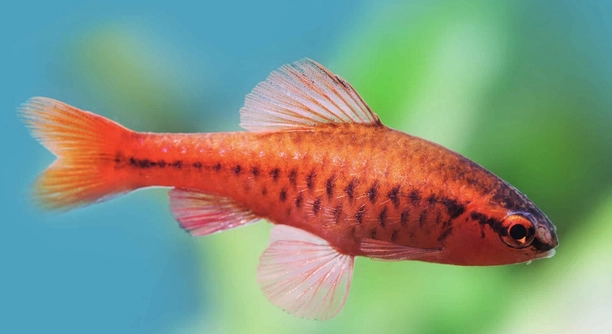
Cherry barbs are a popular choice for many aquarium owners, thanks to their colorful appearance and easy-going nature. However, as they grow, some may wonder if they ever stop growing or what factors influence their growth.
Cherry barbs, like most fish, experience most of their growth in the first few months. While they do continue to grow at a slower pace after reaching maturity, they generally stop growing around one year of age.
Knowing when cherry barbs stop growing helps you understand their care better. We’ll explore the factors that influence their growth and how to ensure they live a healthy, balanced life.
When Do Cherry Barbs Stop Growing?
Cherry barbs usually stop growing after they reach maturity, which typically occurs around 6 to 12 months. During their early months, these fish can grow rapidly, especially if kept in a well-maintained environment with proper care. After they hit adulthood, their growth slows down considerably, although they may still gain a little size over time.
At about 1 year old, most cherry barbs will have reached their full size, which usually ranges between 1.5 to 2 inches. By this time, their body shape and color will also be fully developed. Growth slows even more as they age, with only slight increases in size.
Environmental factors like water quality, diet, and tank size play a role in how quickly they grow. If cherry barbs are kept in conditions that support their health, they may reach their maximum size faster. However, poor care or overcrowding can limit their growth potential and even cause stunted development.
Factors Affecting Cherry Barb Growth
The size of a cherry barb can depend on various factors beyond just age. Tank size is an important one; smaller tanks can restrict movement and limit growth. If there isn’t enough space to swim and explore, it can stress the fish, affecting their health and growth rate.
Another key factor is diet. Cherry barbs thrive when fed a balanced, nutritious diet. Their growth will be limited if they are not given the right amount of food or nutrients. Quality food provides the energy they need to grow at a healthy rate.
Water conditions also play a huge role in their development. Clean water with appropriate temperature and pH levels promotes healthy growth. Stagnant or polluted water can slow growth and lead to diseases, which can stunt their size. Regular water changes and proper filtration are necessary for optimal conditions.
Can Cherry Barbs Keep Growing After Maturity?
Cherry barbs continue to grow very slowly after they reach maturity. While they don’t grow much in size, they may gain some weight as they age. However, their growth rate dramatically slows down once they hit their adult size at around 1 year old.
After maturing, cherry barbs tend to focus more on maintaining their health rather than growing larger. Their body shape becomes more defined, and their colors become more vibrant. Although growth slows, it’s not entirely absent. With proper care, they might still increase in size slightly over the years, though this won’t be noticeable unless you closely monitor them.
The primary reason for this slowed growth is that most fish, including cherry barbs, reach their full size after their first year. After that, their growth is more about maintaining their size rather than significant increases. They will remain the same size and shape for the most part throughout their life, provided the environment is healthy and stress-free.
How Environment Affects Growth
The environment in which cherry barbs live plays a crucial role in how much they grow. In a well-maintained tank with clean water, good filtration, and proper temperature, they are more likely to grow to their full potential. Poor water quality can stunt growth and even cause health problems.
Crowded tanks can also prevent cherry barbs from reaching their full size. When there are too many fish in a tank, each one has less space to move around. This can cause stress and hinder proper growth. Additionally, fish may not get enough food if the tank is overcrowded, limiting their growth further.
Ensuring that cherry barbs have plenty of space to swim and good water conditions is essential for their development. If they are kept in a large, clean tank with enough room to swim freely, they will likely grow to their ideal size and live a healthier life overall.
Does Temperature Affect Growth?
Water temperature plays a significant role in how quickly cherry barbs grow. Warmer water speeds up their metabolism, allowing them to grow faster. However, if the temperature is too high, it can lead to stress and health problems, slowing their growth instead.
Maintaining a stable temperature is key for healthy growth. Cherry barbs thrive in water temperatures between 75-80°F (24-27°C). If the water is too cold, their growth may slow down, and they might become more susceptible to illnesses. It’s essential to keep the tank temperature within the ideal range to promote their growth.
Diet and Its Impact on Growth
A balanced diet is crucial for cherry barbs to reach their full size. Providing a variety of high-quality foods helps ensure they get the necessary nutrients to grow strong and healthy. Poor nutrition can stunt their growth and affect their overall health.
High-protein foods such as flakes, pellets, and live or frozen options like brine shrimp and daphnia can help support their growth. Offering a mix of foods ensures that cherry barbs get all the vitamins and minerals they need. Regular feeding with the right foods promotes healthy development throughout their growth period.
Stress and Its Effect on Growth
Cherry barbs are sensitive to stress, and it can significantly affect their growth. Stressful conditions, such as poor water quality, overcrowding, or aggressive tank mates, can hinder their growth and lead to health problems. Reducing stress is essential for their well-being.
FAQ
Do cherry barbs grow faster in a bigger tank?
Yes, cherry barbs tend to grow faster in larger tanks because they have more space to swim and explore. A bigger tank also helps maintain water quality, which is essential for their growth. In a cramped tank, they may experience stress due to overcrowding, which can slow their growth. Proper space, clean water, and a peaceful environment are crucial factors that promote healthy growth.
Can cherry barbs stop growing if they’re stressed?
Yes, stress can significantly slow down or even stop the growth of cherry barbs. Stressors such as poor water quality, temperature fluctuations, overcrowding, or aggressive tank mates can have a negative impact on their development. Ensuring a stable, calm environment with good water conditions is key to promoting growth.
How often should I feed cherry barbs to help them grow?
Cherry barbs should be fed once or twice a day, depending on their age and size. Younger cherry barbs that are still growing may require more frequent feedings to support their growth, while adult fish can be fed once daily. Offering a variety of high-quality foods such as flakes, pellets, and live or frozen food like brine shrimp will help ensure they get the necessary nutrients for healthy development.
What is the ideal water temperature for cherry barbs to grow?
Cherry barbs thrive in water temperatures between 75-80°F (24-27°C). If the water temperature is too low or too high, it can impact their growth and overall health. Warm water promotes faster metabolism, aiding growth, while water that is too cold can slow down their development and make them more vulnerable to diseases. Maintaining a stable temperature is essential for optimal growth.
Can cherry barbs grow too big for their tank?
Although cherry barbs are small fish, they can still outgrow a tank if they are kept in a small, overcrowded environment. Cherry barbs generally reach 1.5 to 2 inches in length, but they need enough space to grow properly. A tank that’s too small will limit their swimming space and may affect their growth potential. For healthy growth, a minimum tank size of 20 gallons is recommended for a small group of cherry barbs.
What is the average lifespan of a cherry barb?
Cherry barbs have an average lifespan of 3 to 5 years when cared for properly. Good water quality, a balanced diet, and a stress-free environment will help them live a longer, healthier life. However, if they are exposed to poor conditions or health issues, their lifespan can be shorter. Proper care and attention will ensure they reach their full potential.
Do cherry barbs need a specific type of substrate for growth?
No, cherry barbs do not require a specific type of substrate for growth. They are quite adaptable and can thrive in various substrate types, including gravel, sand, or planted tanks. The main focus should be on keeping the water clean and ensuring a well-maintained environment. A planted tank can provide them with hiding spaces and a more natural environment, but the substrate itself doesn’t directly affect their growth.
Can cherry barbs breed in a small tank?
Cherry barbs can breed in a small tank, but the chances of successful breeding are higher in a larger, well-maintained tank. A smaller tank can limit the space available for the fish to find suitable mates and might increase stress levels. To encourage breeding, ensure the water quality is good and the environment is peaceful, and provide plenty of hiding spots for the fry once they hatch.
Will cherry barbs grow better in a group or alone?
Cherry barbs do better in groups. Keeping them in schools of at least 6 or more encourages natural behavior and reduces stress, which in turn can promote healthier growth. A solitary cherry barb may experience loneliness and stress, affecting its overall well-being and growth. When kept in groups, cherry barbs are more active, social, and less prone to stress-related issues.
How do cherry barbs compare to other fish in terms of growth rate?
Cherry barbs grow at a moderate pace compared to other fish. Their rapid growth occurs during the first few months, after which it slows down significantly. They tend to be smaller fish, reaching about 1.5 to 2 inches when fully grown. Compared to larger species, cherry barbs do not grow as quickly or as large. However, they are relatively easy to care for and don’t require as much space as larger fish, making them a popular choice for home aquariums.
Final Thoughts
Cherry barbs are relatively small fish that grow quickly during their first year of life. After reaching maturity, they stop growing at a fast pace, though they may continue to increase in size slightly. Understanding this natural growth process can help aquarium owners provide the right care for these fish. By focusing on proper water conditions, a balanced diet, and a stress-free environment, cherry barbs can thrive and live a healthy, long life.
Their growth can also be influenced by several factors, such as the size of the tank, water temperature, and the quality of their diet. Larger tanks provide more space for cherry barbs to swim, which can encourage growth. On the other hand, smaller tanks may lead to overcrowding and stress, which can hinder their development. Keeping the water temperature stable and within the ideal range of 75-80°F (24-27°C) also helps to promote a healthy growth rate. Regular water changes and filtration are essential to maintaining clean water, which is crucial for their overall health.
In summary, while cherry barbs stop growing significantly after reaching maturity, ensuring their environment is optimal for health and well-being can help them live to their full potential. Keeping them in a well-maintained tank with proper care and nutrition can prevent any growth limitations and allow them to flourish. Whether you’re new to fishkeeping or an experienced aquarist, understanding the growth cycle of cherry barbs and the factors that affect it will help you create the best environment for them.

Hello,
If you enjoy the content that we create, please consider saying a "Thank You!" by leaving a tip.
Every little bit helps us continue crafting quality advice that supports the health, happiness, and well-being of pets around the world, for pets of all shapes, sizes, and species.
We really appreciate the kindness and support that you show us!