
Do your cherry barbs sometimes chase other fish around the tank, making you wonder if they’re getting too big for their home?
Cherry barbs do not typically outgrow their tankmates in size, as they remain relatively small even into adulthood. However, behavioral shifts such as increased aggression or dominance can occur in certain tank conditions.
Understanding these changes can help you create a peaceful environment where all your fish feel safe and comfortable in their shared space.
How Cherry Barbs Interact with Other Fish
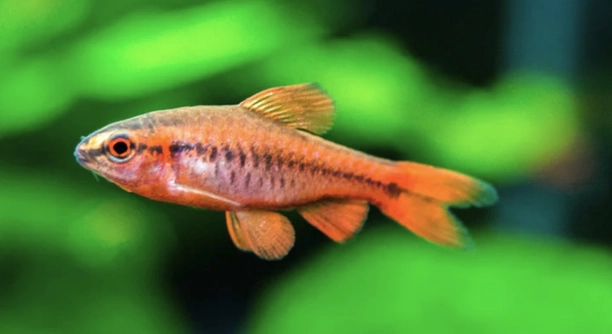
Cherry barbs are usually peaceful, but their behavior can shift depending on the tank setup. They grow to about two inches in length and often stay active. In groups, they feel more secure and display brighter colors. When kept alone or in small numbers, they can become nervous or even nippy toward other fish. Cherry barbs prefer swimming in the middle to lower parts of the tank, so they won’t usually compete for space unless the tank is too small. They are also fast swimmers and enjoy darting through plants and decorations. If other fish are slower or timid, cherry barbs might overwhelm them. Their social habits can make them seem more dominant than they really are. It’s important to match them with tankmates that can tolerate their pace and energy levels. This helps reduce stress for everyone in the tank and avoids unnecessary aggression.
Pairing cherry barbs with calm yet active fish like danios or tetras works well.
Make sure there is enough space and hiding spots so every fish can feel safe. If the tank is too crowded or lacks decorations, tension may rise. Cherry barbs do better when the tank mimics a natural environment with plants and open swimming areas. Watching how they behave over time can help you spot signs of stress or dominance. If needed, rearranging the tank layout or adding more hiding spots can ease tensions. Sometimes, it’s not about the species itself but the number of fish and how the tank is organized. Cherry barbs thrive when they feel balanced in their space, and that balance helps keep interactions smoother and more predictable.
What Can Make Them Seem Aggressive
Cherry barbs can seem more aggressive when they’re stressed or when the tank is too small for their activity levels.
Keeping too few cherry barbs is a common issue. In small numbers, they feel insecure and might act out by chasing other fish. They are schooling fish, so it’s best to keep them in groups of six or more. This helps them spread out their energy and focus on interacting with each other rather than bothering their tankmates. Overcrowding, on the other hand, can increase territorial behavior. Males may compete for space or attention, especially during breeding periods. Another factor is the type of fish they’re placed with. Slow-moving or long-finned fish may become targets if cherry barbs get bored or overstimulated. To reduce this, provide enough enrichment—plants, driftwood, and open space for swimming. A well-balanced diet and consistent tank maintenance also contribute to more stable behavior. Taking these simple steps can help maintain harmony.
When Size Isn’t the Only Issue
Even though cherry barbs stay small, their activity level can make them seem like a problem in the tank. It’s not always about size—sometimes it’s their energy and behavior that causes tension with other fish.
Cherry barbs are fast, playful swimmers and can easily stress out slower tankmates. Fish with long fins, like guppies or angelfish, might become targets for occasional nipping, especially in tight or bare tanks. If the environment doesn’t provide enough hiding spots or space to swim freely, their playful nature might turn into chasing or dominance. This can make it look like they’re becoming aggressive as they grow, even though their size hasn’t really changed. Grouping them properly and creating a comfortable tank layout helps redirect that energy. Watching how your fish interact over time gives you a better sense of what’s working and what might need a small change.
The more comfortable cherry barbs feel, the less likely they are to behave in ways that disturb others. They’re most at ease when they’re in a group, surrounded by plants, and given enough space to swim without bumping into other fish constantly. If they’re acting out, it’s often a sign that something in the tank is off balance. Tank maintenance, water quality, and feeding habits all play a role in how they behave. A stable tank helps keep behavior consistent, and you won’t have to worry as much about them clashing with their tankmates. These little changes make a big difference in creating a peaceful tank where everyone can live comfortably side by side.
Understanding Behavior Changes Over Time
As cherry barbs mature, their social behavior becomes more noticeable. Males especially may become more territorial or competitive, particularly during mating times. This behavior shift can be misread as them “outgrowing” their tankmates.
Male cherry barbs will often flash their colors more and chase others during breeding periods. This can cause stress for fish that prefer a calm space. It helps to balance the male-to-female ratio in your group and avoid overcrowding the tank. A well-structured setup with plenty of plant cover gives each fish a place to retreat. Regular water changes, consistent lighting, and stable temperature keep them calm. Over time, you may notice small behavioral changes—like more frequent chasing or different swimming patterns. These are natural but should be watched to make sure they don’t lead to conflict. Staying aware of these shifts allows you to adjust early, keeping the tank peaceful and well-balanced.
Signs Your Cherry Barb Needs a Change
If your cherry barb is constantly chasing other fish, it could be a sign that it’s feeling stressed or overcrowded. This type of behavior usually means the tank setup or group size needs adjusting.
Another sign is faded color or hiding more than usual. These changes often mean your barb isn’t comfortable in its environment and might need more companions, better cover, or improved water quality.
What to Do if Issues Continue
If behavior problems don’t improve, start by checking your tank size and stocking levels. A 20-gallon tank is a good minimum for a small group of cherry barbs. Make sure there are at least six barbs to reduce stress and improve group behavior. Add live plants or decorations to break lines of sight and create places to rest or hide. Test water conditions regularly, keeping the temperature around 74–78°F and ammonia/nitrite levels at zero. Feed a varied diet and monitor for signs of illness. If things still feel off, consider rearranging the tank or moving incompatible species to another space.
Tankmates That Work Well
Good tankmates for cherry barbs include rasboras, corydoras, kuhli loaches, and small tetras. These fish are peaceful and match well in both size and energy.
FAQ
Can cherry barbs live with bettas?
Cherry barbs can live with bettas, but it requires careful consideration. Bettas are known for their territorial behavior, and their long fins can become a target for the nippy nature of cherry barbs. To make this work, the tank should be large enough to offer hiding spots and space for each fish. Cherry barbs are best kept in groups of at least six, which may help reduce aggressive behavior. Additionally, avoid keeping bettas with particularly slow or long-finned fish that could provoke the betta’s aggression.
What’s the ideal tank size for cherry barbs?
Cherry barbs do best in a tank of at least 20 gallons when kept in groups of six or more. A larger tank helps spread out the energy of the fish and gives them enough space to swim without crowding. Overcrowding can increase stress and lead to aggression, so make sure the tank has sufficient swimming space and cover.
How many cherry barbs should I keep together?
It’s best to keep at least six cherry barbs together. These fish are social creatures, and keeping them in small groups or alone can cause stress and lead to aggressive behavior. A larger group allows them to interact peacefully and reduces territorial disputes. They feel more secure when surrounded by others of their kind.
Are cherry barbs fin nippers?
Cherry barbs can occasionally nip at the fins of slower-moving or long-finned fish, but this behavior is not typical unless they are stressed or crowded. If they are kept in a well-balanced tank with plenty of space, hiding spots, and tankmates of similar size and temperament, fin-nipping shouldn’t be a major problem.
Do cherry barbs require special water conditions?
Cherry barbs are not particularly picky about water conditions but thrive in stable environments. The ideal water temperature is between 74°F and 78°F, with a slightly acidic to neutral pH (6.0-7.5). Regular water changes are important to maintain water quality and ensure the fish stay healthy. Keep ammonia and nitrite levels at zero, and perform routine testing to ensure everything stays balanced.
How long do cherry barbs live?
Cherry barbs typically live for about 3 to 5 years when kept in good conditions. Their lifespan can be influenced by water quality, diet, and the presence of stressors like overcrowding or incompatible tankmates. Providing a stable, stress-free environment will help them live a long and healthy life.
Do cherry barbs need a filter?
Yes, a filter is important for maintaining water quality in any aquarium, including for cherry barbs. Filters help remove waste, excess food, and toxins from the water. Cherry barbs are sensitive to poor water conditions, so a reliable filter will ensure they remain healthy and thrive in their environment. Make sure the filter flow isn’t too strong, as cherry barbs prefer calmer water.
Can cherry barbs breed in a community tank?
Cherry barbs can breed in a community tank, but it’s not always guaranteed. For successful breeding, you need a mature, balanced environment with good water conditions and the right ratio of males to females. Males typically chase females during the breeding season. If breeding is successful, the eggs are often hidden among plants or decorations. However, in a community tank, the eggs might be eaten by other fish before they hatch.
What do cherry barbs eat?
Cherry barbs are omnivores and will eat a variety of foods. Their diet should include high-quality flake food, frozen or live foods like brine shrimp and bloodworms, and plant matter. They enjoy grazing on algae and vegetable matter, so adding plant-based foods like spirulina or blanched vegetables is a good idea. Variety is key to keeping them healthy.
Are cherry barbs suitable for beginner aquarists?
Yes, cherry barbs are generally considered good for beginner aquarists. They are hardy, easy to care for, and adaptable to different tank conditions. However, like all fish, they require a stable environment, and beginners should pay attention to water quality and tank maintenance. They are peaceful, easy to feed, and interact well with other peaceful fish.
Can cherry barbs live with goldfish?
Cherry barbs are not the best tankmates for goldfish. Goldfish produce a lot of waste, which can lead to water quality issues that may stress out cherry barbs. Additionally, goldfish are slower and larger, and may unintentionally bully the smaller, quicker cherry barbs. It’s better to keep cherry barbs with other species that are more suited to similar water conditions and activity levels.
How do I know if my cherry barb is stressed?
Signs of stress in cherry barbs include faded coloration, hiding more often, and a lack of appetite. Stressed fish might also swim erratically or rub against surfaces in the tank. If your cherry barbs are showing these signs, it’s important to check their tank conditions, such as water quality, tankmates, and temperature. Stress can also result from overcrowding or improper tank size, so these factors should be reviewed as well.
Can cherry barbs tolerate salt in the water?
Cherry barbs are relatively salt-tolerant and can handle small amounts of aquarium salt if necessary. However, they should not be kept in a brackish environment or in water with high salt concentrations. Salt can help treat certain illnesses, but it should be used carefully and only when needed. Always monitor the salinity levels closely when using salt in the tank.
Final Thoughts
Cherry barbs are generally peaceful and adaptable fish, making them a great choice for many home aquariums. They thrive in groups, and their active yet calm nature can bring life to your tank. While they don’t grow very large, their behavior can change depending on their environment and tankmates. When kept in the right conditions, they coexist well with other fish and can add vibrant color to your aquarium. However, it’s important to remember that they are social creatures, so they should never be kept alone or in groups of fewer than six. This helps prevent stress and aggression, which can occur if they are isolated or overcrowded.
When it comes to keeping cherry barbs with other fish, it’s essential to choose tankmates that share similar behavior and size. They do well with peaceful fish that are active but not overly aggressive. It’s also important to provide enough space in the tank, as cherry barbs are quick swimmers that need room to move around. A well-planted tank with places to hide or rest will reduce stress and prevent territorial behavior. Regular water changes and monitoring water conditions are also key to ensuring a healthy environment. Over time, you’ll learn how your cherry barbs interact with their tankmates and what conditions help them thrive.
Overall, cherry barbs are a low-maintenance fish that can bring joy to your aquarium for several years. They’re hardy and forgiving, but like any fish, they still need proper care and attention to stay healthy. By understanding their social needs, keeping a suitable number in the tank, and selecting appropriate tankmates, you can ensure they live a long, peaceful life in your aquarium. Just remember to keep an eye on their behavior and make adjustments as needed to maintain a harmonious environment for all your fish. With the right care, cherry barbs can be a wonderful addition to your home aquarium.

Hello,
If you enjoy the content that we create, please consider saying a "Thank You!" by leaving a tip.
Every little bit helps us continue crafting quality advice that supports the health, happiness, and well-being of pets around the world, for pets of all shapes, sizes, and species.
We really appreciate the kindness and support that you show us!