
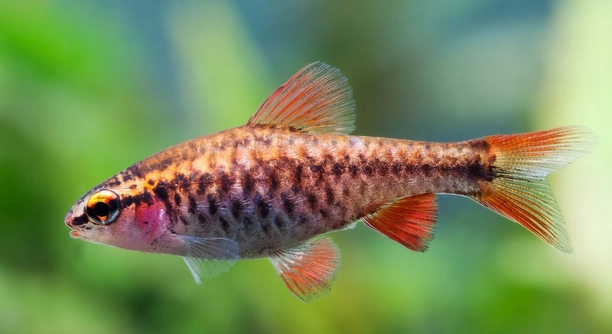
Cherry Barbs are small, peaceful fish known for their vibrant colors. Whether they thrive in solitude or prefer company can be an important consideration for aquarists. Understanding their social needs can help ensure a happy and healthy aquarium environment.
Cherry Barbs are social fish and thrive when kept in groups. In the wild, they form schools for safety and companionship. Keeping them in groups helps reduce stress, promotes natural behaviors, and improves their overall well-being.
Understanding their social nature will help you create a thriving aquarium that supports the health and happiness of your Cherry Barbs.
The Social Nature of Cherry Barbs
Cherry Barbs are peaceful fish but prefer to live in groups. In their natural environment, they move in schools, which helps them feel secure. When kept alone, they can become stressed and inactive. A group of at least five Cherry Barbs allows them to engage in natural social behaviors, reducing anxiety. With enough company, they will interact more, swim together, and show vibrant colors, indicating that they are healthy and content. Keeping them in groups also helps prevent aggression and establishes a more balanced, peaceful aquarium environment.
The social interaction among Cherry Barbs is key to their overall happiness. Without companionship, they can become shy and withdrawn, impacting their health.
Providing your Cherry Barbs with the company they need leads to a more active and lively aquarium. They will display more vibrant colors and engage in playful swimming patterns when kept in groups. These behaviors are natural, making them easier to care for when they feel secure and comfortable. Not only does it support their social needs, but it also contributes to their physical well-being.
Caring for Cherry Barbs in Groups
When setting up a tank for Cherry Barbs, it’s important to keep in mind their social nature. A tank with enough space for a group allows for social interaction and natural movement. They are peaceful towards other species, making them compatible with many other fish in community tanks. However, a proper balance of male and female fish in the group is essential for the best experience. Having a mix of genders encourages natural behavior and reduces the chance of one fish being singled out.
Proper tank conditions also play a role in supporting their social needs. Cherry Barbs thrive in well-planted aquariums with hiding spaces. These spaces offer them the opportunity to retreat when they need some privacy.
Tank Size and Setup
A proper tank size is essential for Cherry Barbs to thrive in groups. At least a 20-gallon tank is recommended to provide ample swimming space. This size supports a school of five or more fish, which helps them feel secure and reduces stress.
In a larger tank, the fish can interact more freely and explore their environment. It’s important to avoid overcrowding, as it can lead to stress and aggression. Additionally, the tank should be well-planted, offering hiding spots for the Barbs to retreat when needed. A few rocks and plants help mimic their natural habitat.
Adding plants to the tank benefits not only the Cherry Barbs but also contributes to water quality. The plants help reduce nitrates and maintain a more stable environment. Providing hiding spots encourages natural behavior, such as foraging and resting. A balanced setup keeps the Barbs healthy and reduces the chances of disease or stress.
Feeding Cherry Barbs in Groups
Cherry Barbs are not picky eaters but thrive on a balanced diet. A mix of high-quality flake food, frozen or live foods, and occasional plant matter is ideal. In groups, they will compete for food, which can help ensure they all get their share.
Feeding in a group also encourages natural behavior like pecking and swimming together. They are not aggressive towards one another during feeding time, but some larger fish may dominate. Ensure that enough food is provided for all, especially in larger groups. Feed them small amounts several times a day to keep them satisfied and reduce waste.
Keep in mind that while feeding, Cherry Barbs also enjoy scavenging and foraging in the tank. It’s beneficial to offer food in a way that mimics their natural behavior. A varied diet, including live foods like brine shrimp or daphnia, will boost their health and coloration, keeping them active and vibrant.
Cherry Barb Behavior in Groups
Cherry Barbs are peaceful and non-aggressive, making them ideal for community tanks. They are not territorial but will establish a social hierarchy within their group.
Within a group, they swim together, often following each other in a coordinated pattern. This behavior reduces stress and promotes a healthy, social environment. They will display brighter colors when they feel secure and comfortable.
Though peaceful, Cherry Barbs can be shy around aggressive tank mates. In a mixed-species tank, it’s important to monitor their interactions and ensure they’re not being outcompeted for food or space.
Compatibility with Other Fish
Cherry Barbs are generally peaceful and do well with a variety of tank mates. They thrive in community setups with other non-aggressive species.
They are compatible with species like tetras, guppies, and peaceful rasboras. Avoid keeping them with larger, more aggressive fish that may stress or harm them. Proper tank size and plenty of hiding spots allow them to coexist comfortably with other peaceful species.
Water Conditions for Cherry Barbs
Cherry Barbs prefer slightly acidic to neutral water with a temperature range of 72–78°F. Consistent water conditions are crucial for their health.
Water changes should be done regularly to maintain good water quality. A filtration system is important to keep the water clean, but make sure the flow is gentle. Cherry Barbs prefer calm water with minimal current, as fast-moving water can cause them stress.
FAQ
Do Cherry Barbs need to be in groups?
Yes, Cherry Barbs are social fish and should be kept in groups. They feel more secure and less stressed when they are not alone. A group of at least five fish allows them to engage in natural behaviors, such as swimming together and interacting with each other. In a group, they also display brighter colors and are more active. Keeping them alone can result in a shy and less vibrant fish.
What size tank do Cherry Barbs need?
A 20-gallon tank is the minimum recommended size for a small group of Cherry Barbs. A larger tank is better if you plan to keep more than five fish, as it provides more swimming space and reduces stress. Cherry Barbs need space to move around and engage with each other. An overcrowded tank can lead to aggression and poor water quality, so it’s important to avoid overstocking.
Can Cherry Barbs live with other fish?
Yes, Cherry Barbs are generally peaceful and can live with many other non-aggressive species. They do well in community tanks with fish such as tetras, guppies, or rasboras. It’s important to avoid pairing them with aggressive or territorial fish, as this can stress them out and affect their health. Always ensure your tank mates are compatible in size and temperament.
How often should I feed Cherry Barbs?
Cherry Barbs should be fed small amounts of food 2–3 times a day. A balanced diet consisting of high-quality flakes, live foods, and occasional plant matter will keep them healthy and vibrant. It’s best to feed them in small portions to ensure they don’t overeat and that the water quality remains stable.
What do Cherry Barbs eat?
Cherry Barbs are not picky eaters. They enjoy a variety of foods, including high-quality flake food, pellets, and live or frozen foods like brine shrimp, daphnia, and bloodworms. They also enjoy some plant matter, such as blanched spinach or lettuce. Offering a varied diet will ensure they stay healthy and colorful.
What water conditions do Cherry Barbs need?
Cherry Barbs prefer slightly acidic to neutral water with a pH of 6.5 to 7.5. They thrive in temperatures between 72–78°F (22–25°C). Regular water changes are important to maintain good water quality and reduce the buildup of harmful substances. A gentle filtration system is recommended to keep the water clean, but avoid strong currents, as they can stress the fish.
Do Cherry Barbs need hiding spots?
Yes, Cherry Barbs appreciate having hiding spots in their tank. These fish are not overly shy, but they enjoy having areas where they can retreat if they feel stressed or need rest. Plants, rocks, and decorations can provide these hiding spaces, helping them feel secure in their environment.
Can Cherry Barbs live with bettas?
Cherry Barbs can usually live with bettas as long as the betta is not overly aggressive. Since Cherry Barbs are peaceful, they typically do not provoke other fish. However, males bettas can sometimes become territorial and may chase or nip at Cherry Barbs. It’s important to monitor their behavior and separate them if needed.
How long do Cherry Barbs live?
Cherry Barbs can live for around 3 to 5 years in a well-maintained tank. Their lifespan can be influenced by water quality, diet, and the overall care they receive. Providing them with a stable environment and proper nutrition can help them live a longer, healthier life.
Why are my Cherry Barbs not displaying their color?
If your Cherry Barbs aren’t displaying their full color, it may be due to stress, poor water conditions, or improper diet. Stress can be caused by factors such as overcrowding, aggressive tank mates, or fluctuations in water temperature. Ensure that your tank is properly maintained, and provide them with a balanced diet, including high-quality food that enhances their colors.
Do Cherry Barbs breed easily?
Breeding Cherry Barbs is not particularly difficult, but it requires a specific environment. To encourage breeding, provide a breeding tank with soft, acidic water, plenty of plants for the eggs to attach to, and the right temperature (around 75–80°F). Male Cherry Barbs will display bright colors to attract females. After mating, remove the adults from the breeding tank, as they may eat the eggs.
What is the best tank setup for Cherry Barbs?
Cherry Barbs prefer a tank with plenty of plants, soft lighting, and gentle filtration. Include a mix of live plants and some hiding spaces to help them feel secure. The tank should have a stable temperature between 72–78°F and slightly acidic to neutral water. A tank size of at least 20 gallons is ideal for a group of five or more Cherry Barbs.
Do Cherry Barbs jump?
While Cherry Barbs are not known for jumping, they can occasionally do so if they are startled or if there are inadequate tank covers. It’s best to have a secure lid or mesh on top of your tank to prevent them from escaping. Always ensure the water level is not too high, leaving enough space between the water surface and the lid.
Are Cherry Barbs hardy?
Cherry Barbs are relatively hardy and can adapt to a range of water conditions, as long as they are kept within the recommended temperature and pH range. However, like all fish, they require consistent care, proper diet, and regular tank maintenance. Keeping their environment stable and clean will ensure they remain healthy.
Final Thoughts
Cherry Barbs are a great choice for anyone looking to add peaceful and colorful fish to their aquarium. They are adaptable, non-aggressive, and thrive in groups, making them ideal for community tanks. Their small size, combined with their easygoing nature, allows them to coexist well with many other species, provided the tankmates are also non-aggressive. Cherry Barbs are a versatile species, able to live in a variety of water conditions, as long as those conditions remain stable. With proper care, they can be a vibrant and long-lasting addition to your aquarium.
These fish require minimal maintenance but do benefit from a well-maintained tank environment. Regular water changes, gentle filtration, and monitoring water parameters are key to keeping Cherry Barbs healthy and colorful. They should be provided with a varied diet, including high-quality flakes, live foods, and occasional plant matter. Creating a tank setup with plants, hiding spots, and gentle water movement will help them feel secure and encourage natural behaviors. Keeping Cherry Barbs in a group will ensure they are at their happiest, as they are naturally social fish that thrive in the presence of others.
Whether you’re new to fishkeeping or a seasoned enthusiast, Cherry Barbs offer an easy and rewarding fish-keeping experience. Their lively swimming patterns and beautiful coloration bring a calm yet energetic atmosphere to the aquarium. By providing them with the right conditions, you can enjoy the beauty and peaceful nature of these fish for several years. Remember, like all pets, they deserve attention and care to thrive. With a little effort, Cherry Barbs will continue to be a charming and delightful part of your aquarium.

Hello,
If you enjoy the content that we create, please consider saying a "Thank You!" by leaving a tip.
Every little bit helps us continue crafting quality advice that supports the health, happiness, and well-being of pets around the world, for pets of all shapes, sizes, and species.
We really appreciate the kindness and support that you show us!