
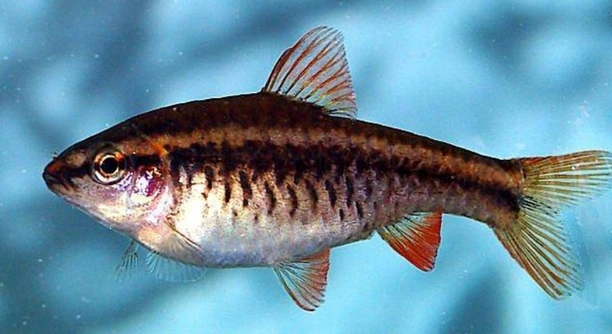
Cherry barbs are popular aquarium fish known for their active behavior and vibrant colors. Many aquarium enthusiasts wonder if these small fish will help control algae growth on glass surfaces. This can be important for maintaining a clean tank.
Cherry barbs are not primarily algae eaters, but they may graze on algae when available. Their diet mainly consists of small invertebrates, plant matter, and other natural foods. They are more likely to nibble on soft algae rather than actively clean glass surfaces.
Understanding their eating habits can help manage algae in your aquarium. Keep reading to find out what other solutions may be needed to maintain a clean tank.
Understanding Cherry Barbs’ Natural Diet
Cherry barbs are omnivores, meaning they eat both plant and animal matter. In the wild, they will graze on small invertebrates, algae, and plant material. In your aquarium, they tend to focus more on protein-rich foods like live or frozen shrimp and high-quality fish flakes. While they might nibble on algae, their feeding habits aren’t particularly geared toward algae control.
Their diet is varied, and they thrive on a balanced intake of different foods. Algae may be consumed, but it’s not a main source of nutrition for them. These fish are also known for their active swimming, which keeps them busy. Therefore, they are not as effective at cleaning glass surfaces when compared to other fish species like plecos or certain species of snails.
Algae growth in the tank is a natural part of aquarium care. To manage this issue, introducing specialized algae-eating fish or snails may be a more effective solution. If you’re looking for a tank cleaner, consider options that are known for their algae-cleaning capabilities.
Why Cherry Barbs Don’t Clean Glass
While cherry barbs might nibble on some algae, they are not known for cleaning glass effectively. Their focus is on other food sources. Some fish are better suited for this role, such as plecos or certain types of snails.
Algae build-up on glass surfaces can affect the overall look of your tank. You can minimize this by adding fish like Amano shrimp, known for their algae-eating habits. Regular tank maintenance, such as water changes and proper filtration, also helps prevent excessive algae growth.
Cherry Barbs and Algae Growth
Cherry barbs may help reduce algae growth, but they are not efficient at eliminating it from your tank. They will nibble at soft algae, but their main focus is on other food sources. Algae control requires more than just adding these fish to your setup.
If you’re dealing with algae growth, a combination of fish and tank management is necessary. For instance, algae-eating fish like plecos, Otocinclus, or shrimp can assist in controlling the problem. Regular water changes and proper filtration help as well. These steps, in combination with the right fish, will make algae management much easier.
The key to successful algae control is understanding the specific needs of each species in your tank. Cherry barbs won’t be the solution for cleaning your glass, but they do contribute to a balanced ecosystem. Adding the right fish for algae control will make a noticeable difference, allowing cherry barbs to focus on other important activities.
Best Fish for Algae Control
To keep your tank clean, it’s important to consider fish that specialize in eating algae. Plecos, Amano shrimp, and certain species of snails are excellent choices. They help remove algae build-up on surfaces and keep your tank looking pristine.
When selecting fish for algae control, look for species known for their algae-eating habits. Plecos, for example, are great for cleaning the substrate and glass surfaces. Amano shrimp are small, but they’re highly effective at removing algae from various parts of your aquarium. Additionally, snails like Nerite snails are also excellent cleaners. These creatures provide a more dedicated approach to algae management.
How to Encourage Healthy Algae Growth
If you’re looking to encourage a small amount of algae for your fish to graze on, ensure your tank has a balanced light cycle and nutrient levels. Avoid overfeeding your fish, as excess food can lead to an algae explosion. A bit of algae can be a natural food source.
Controlling the amount of light in your tank will prevent algae overgrowth. Fish like cherry barbs can help keep algae in check, but you need to balance their feeding habits with proper maintenance. Light, water temperature, and feeding schedules should all be considered when managing algae growth.
Managing Algae Without Fish
When dealing with algae, it’s not always necessary to rely on fish for removal. Physical cleaning of the tank is key. Regularly scrape the glass to remove built-up algae and maintain good water quality through frequent water changes. This method helps manage algae without introducing more fish.
Tank Maintenance for Algae Control
Consistent tank maintenance is crucial to preventing algae overgrowth. Regular water changes, proper filtration, and maintaining the right light conditions will keep algae growth manageable. Cherry barbs will likely not provide enough algae control on their own, but they can still contribute to a healthy, balanced tank environment.
FAQ
Do Cherry Barbs need algae to survive?
Cherry barbs do not require algae to survive. They are omnivores, meaning they need a varied diet that includes both plant matter and protein. While they may nibble on algae occasionally, they rely on food like flakes, pellets, and small live foods for their nutritional needs. A healthy diet will keep them thriving, with algae just being an additional, occasional food source.
Can Cherry Barbs eat algae wafers?
Yes, Cherry barbs can eat algae wafers, but they may not seek them out on their own. If algae wafers are placed in the tank, the Cherry barbs may nibble on them, especially if other food sources are limited. However, they typically prefer protein-based foods and will focus on those first.
Are Cherry Barbs good tank mates with algae-eating fish?
Cherry barbs can live well with algae-eating fish, such as plecos or Otocinclus, since they are peaceful and social. Both species can coexist without competing for food. Cherry barbs usually focus on other types of food, leaving algae-eating fish to clean surfaces without interference. Just ensure all fish in the tank have enough food to meet their needs.
Do Cherry Barbs eat hair algae?
Cherry barbs may nibble on hair algae, but they are not efficient at removing it. Hair algae typically grows in long strands, which can be difficult for Cherry barbs to consume. Other species, like Amano shrimp or certain snails, are better at controlling hair algae in an aquarium.
Can Cherry Barbs clean aquarium glass?
Cherry barbs do not clean aquarium glass effectively. While they might eat a bit of algae, they are not focused on cleaning surfaces like other algae-eating fish or shrimp. If you’re looking for fish to clean the glass, consider species like plecos, which are better equipped for that job.
How often should I feed my Cherry Barbs?
Feed Cherry barbs 2-3 times per day, offering small amounts of food they can consume in a few minutes. Their diet should include a mix of high-quality flakes, pellets, and occasional live or frozen food. Overfeeding can lead to excess nutrients in the tank, contributing to algae growth and poor water quality.
What other food can I feed Cherry Barbs?
In addition to fish flakes and pellets, you can offer Cherry barbs small amounts of live or frozen foods like brine shrimp, daphnia, or bloodworms. They will also enjoy blanched vegetables, such as zucchini or spinach, which provide extra nutrients and variety in their diet.
Can Cherry Barbs survive in a tank without algae?
Yes, Cherry barbs can live in a tank without algae. They don’t rely on algae for survival but can benefit from it as a supplementary food source. With a proper, varied diet, they will thrive in an aquarium with or without algae present.
What are the best tank conditions for Cherry Barbs?
Cherry barbs prefer a well-maintained tank with slightly acidic to neutral water (pH 6.5-7.5). The water temperature should range between 72°F and 79°F (22°C to 26°C). Providing plenty of plants and hiding spots will help them feel secure. Regular water changes and good filtration are essential for keeping the environment clean.
How can I manage algae growth in a tank with Cherry Barbs?
To manage algae growth, keep your tank clean and maintain a good balance of light and nutrients. Limit the amount of light your tank receives, and avoid overfeeding your fish. You can also introduce algae-eating fish or snails to help control the growth. Regular tank maintenance, such as water changes and glass cleaning, will keep algae in check.
Do Cherry Barbs eat green spot algae?
Cherry barbs may occasionally nibble on green spot algae, but they are not particularly effective at removing it. Green spot algae can be stubborn, and it is better to rely on algae-eating fish like Otocinclus or snails for more thorough cleaning. Regular tank maintenance is still necessary to manage this type of algae.
How long do Cherry Barbs live?
Cherry barbs typically live for about 3 to 5 years in a well-maintained aquarium. Their lifespan can be affected by water quality, diet, and tank conditions. Providing a healthy, balanced environment and proper care will help them live a long and healthy life.
Are Cherry Barbs aggressive?
No, Cherry barbs are peaceful and non-aggressive. They do well in community tanks and get along with other peaceful fish species. However, males may display some aggression toward each other, especially during breeding periods. Providing plenty of space and hiding spots will reduce any territorial behavior.
Can Cherry Barbs tolerate salt in the aquarium?
Cherry barbs can tolerate low levels of aquarium salt, but they should not be kept in brackish water. They thrive in freshwater environments with stable water conditions. Using salt in the aquarium should only be done for short periods, such as to treat certain health conditions, and with caution.
Are Cherry Barbs suitable for beginners?
Yes, Cherry barbs are suitable for beginners due to their peaceful nature and relatively easy care requirements. They do well in a variety of tank setups as long as the water conditions are right. They are hardy fish that adapt to different environments, making them a great choice for those new to fishkeeping.
How do I breed Cherry Barbs?
To breed Cherry barbs, set up a separate breeding tank with soft, slightly acidic water. Provide plenty of plants and hiding spots for the eggs. Once the female lays her eggs, remove the adults to prevent them from eating the eggs. The eggs will hatch in a few days, and the fry should be fed infusoria until they grow large enough to consume baby brine shrimp or crushed flakes.
Are Cherry Barbs schooling fish?
Yes, Cherry barbs are schooling fish and do best when kept in groups. A group of at least six individuals will help reduce stress and allow for natural social behavior. Keeping them in groups also makes them feel more secure and can reduce aggression between males.
Final Thoughts
Cherry barbs are peaceful and easy-to-care-for fish, making them a great addition to a community aquarium. While they may nibble on algae, they are not efficient at cleaning the tank. Their diet should include a variety of foods such as flakes, pellets, and occasional live or frozen foods. It’s important to keep their tank environment balanced to ensure their health and well-being. Though they may occasionally consume algae, relying on them for algae control alone is not ideal. Instead, consider introducing algae-eating fish or snails to help manage algae growth effectively.
To ensure a thriving environment for Cherry barbs, pay attention to the water conditions. They prefer slightly acidic to neutral water with a temperature range of 72°F to 79°F (22°C to 26°C). Providing plenty of plants and hiding spots helps them feel secure. Regular water changes and proper filtration will also keep the tank clean and the water quality high. A balanced tank with proper lighting and nutrient levels will help prevent excessive algae growth. Cherry barbs can be kept with a variety of other peaceful species, making them a versatile choice for community tanks.
If you are looking to control algae in your aquarium, Cherry barbs can help by consuming small amounts, but they should not be relied upon as the main solution. Maintaining the right balance of light, nutrients, and tank maintenance will go a long way in keeping algae under control. Other algae-eating species such as snails, plecos, or Otocinclus fish are better suited for this job. By combining Cherry barbs with the right tank management practices, you can create a peaceful, balanced aquarium that benefits both your fish and the overall tank environment.

Hello,
If you enjoy the content that we create, please consider saying a "Thank You!" by leaving a tip.
Every little bit helps us continue crafting quality advice that supports the health, happiness, and well-being of pets around the world, for pets of all shapes, sizes, and species.
We really appreciate the kindness and support that you show us!