
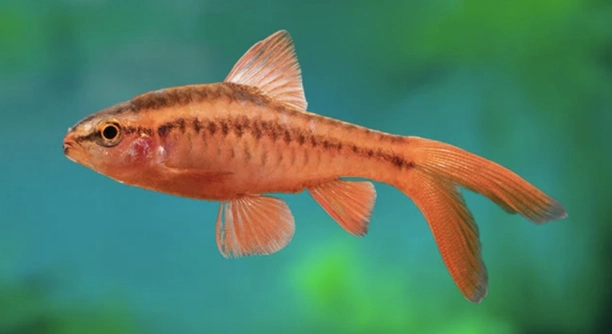
Cherry Barbs are popular aquarium fish, known for their peaceful nature and vibrant colors. Observing their behavior after mating can be fascinating, as it may provide insights into their reproductive habits and social interactions.
After mating, Cherry Barbs typically exhibit changes in behavior. Females may become more sedentary, while males often show increased activity and territorial behavior. These shifts are a result of their mating process and hormonal changes that occur post-mating.
Understanding these behaviors helps improve care for your Cherry Barbs, ensuring their well-being in your aquarium.
Changes in Cherry Barbs’ Behavior After Mating
After mating, Cherry Barbs can display noticeable shifts in their actions. The female may become less active and take up a more secluded position in the tank. This behavior is due to the physical strain of the mating process. Meanwhile, the male often shows heightened activity, swimming around more energetically as he may be seeking to protect his territory. You might also notice the male displaying more intense color patterns, signaling his readiness to attract a mate or defend his space.
The hormonal changes that occur post-mating can significantly impact how these fish behave. These shifts are essential in maintaining the natural balance within your tank. Monitoring these changes allows you to better understand their needs and provide a healthier environment for them.
Knowing these behaviors makes it easier to care for your Cherry Barbs. This ensures that both males and females feel comfortable and safe, fostering a thriving aquarium.
How Long Do These Behavioral Changes Last?
These behavior changes after mating can last for a few days to a week. The period may vary based on environmental conditions and individual health. During this time, the male will likely keep guarding his space.
Once the mating process has been completed, the Cherry Barbs will gradually return to their usual activities. The female will often resume swimming around the tank, though she may still rest more often. The male, once his territorial instincts settle, will return to his normal behavior as well.
To keep your Cherry Barbs happy and healthy, it’s important to maintain a balanced tank with the right water conditions and feeding schedule. This allows them to recover from mating and return to their usual habits. A stable environment also reduces the stress that can result from such changes.
How to Care for Cherry Barbs After Mating
After mating, Cherry Barbs need some time to recover. Make sure they have a calm, stable environment with plenty of hiding spots. This helps reduce stress and allows them to feel secure. Monitoring their water quality is crucial during this period.
A consistent water temperature between 72°F and 80°F is ideal for Cherry Barbs. The tank should have soft to moderately hard water with a slightly acidic to neutral pH. Regular water changes will help keep the environment clean and prevent any issues that may arise from waste build-up. Adding plants or decorations can provide additional shelter, reducing any post-mating stress.
It’s also important to continue feeding them a balanced diet. Offer a variety of high-quality flakes or pellets, along with occasional live or frozen foods like brine shrimp or daphnia. This will keep them nourished and help them recover quickly from mating.
Monitoring Female Cherry Barbs Post-Mating
After mating, the female may appear more sedentary than usual. It’s important to ensure she isn’t showing signs of illness or stress. Watch for any unusual behavior, such as excessive hiding or failure to eat. These could indicate health concerns.
If the female remains inactive for an extended period, check the water conditions to ensure they are optimal. Overcrowding, poor water quality, or high stress levels can affect her well-being. Sometimes, females need a bit more time to recover from the physical demands of mating, so patience is key. However, if her condition worsens or she refuses to eat, consider isolating her in a separate quarantine tank to monitor her more closely.
Make sure to maintain proper care for both the female and male during this period. Proper recovery can help prevent potential complications, ensuring your Cherry Barbs remain healthy and active in the long run.
Male Cherry Barb Behavior After Mating
Male Cherry Barbs typically become more active and territorial after mating. They may swim around more aggressively to protect their space. This is a natural instinct, as they try to defend their territory and assert dominance in the tank.
It’s essential to ensure there are enough hiding places and territories in the tank to prevent stress or aggression. If there are multiple males, they may display more frequent territorial behavior, which can lead to occasional chasing or fin nipping. Keeping a well-decorated tank helps to reduce these conflicts and create a balanced environment for all the fish.
How Mating Affects Cherry Barb Health
Mating can be physically demanding for Cherry Barbs. Females may experience stress and fatigue, while males expend energy in courtship and territorial behavior. It’s important to monitor their health during and after the mating process. Ensure they are eating well and swimming normally.
By maintaining a healthy environment and monitoring their condition, you can prevent many common post-mating issues. Regular water changes, a balanced diet, and stress-free surroundings will support their recovery and overall well-being.
Temperature and Environment Adjustments for Recovery
Keeping a stable environment is crucial for Cherry Barbs after mating. Water temperature should be maintained at a comfortable 72°F to 80°F. Any significant changes in water temperature or conditions can stress the fish and slow their recovery.
Adding plants, caves, or rocks gives the fish places to rest and reduces their stress. Cherry Barbs prefer environments with plenty of hiding spots, which mimic their natural habitat. A calm tank, free of disturbances, allows them to regain their strength and return to their normal behavior faster.
FAQ
Do Cherry Barbs mate for life?
No, Cherry Barbs do not mate for life. They are not monogamous, and their mating pairs usually change with each breeding cycle. The males will court different females, depending on availability and readiness for mating. This behavior is natural and ensures genetic diversity in the population. After mating, they typically move on to new mates, and the cycle repeats itself.
How often do Cherry Barbs reproduce?
Cherry Barbs can reproduce quite frequently, typically once every two to three weeks under optimal conditions. The frequency of reproduction depends on the availability of food, water quality, and the presence of suitable mates. If the conditions are right, a pair may spawn multiple times within a month.
Do Cherry Barbs eat their eggs?
Yes, Cherry Barbs may eat their eggs if they are not removed from the tank. Like many fish, they have an instinct to consume their eggs, which can help them replenish nutrients. To prevent this, you can either separate the eggs into a breeding tank or use a breeding box that allows the eggs to hatch safely while keeping them away from the parents.
Can Cherry Barbs breed in a community tank?
Yes, Cherry Barbs can breed in a community tank, but there are some considerations. In a tank with other species, the eggs and fry may not survive due to predation from other fish. Additionally, the conditions in a community tank may not always be ideal for breeding, as Cherry Barbs typically prefer calmer, less stressful environments during mating. It’s best to create a separate breeding area or tank to ensure successful spawning and fry survival.
What should I feed Cherry Barbs after they mate?
After mating, Cherry Barbs need a balanced diet to recover and maintain their health. Feed them a variety of high-quality flake food, pellets, and occasional live or frozen foods like brine shrimp or daphnia. These foods will provide essential nutrients for both males and females as they regain energy. A healthy diet also supports the female’s recovery after the physically demanding process of spawning.
How can I tell if my Cherry Barb is pregnant?
Female Cherry Barbs don’t carry their eggs for long. They do not show the typical signs of pregnancy like livebearers, but you can tell when they are ready to lay eggs. The female will become plumper as she fills with eggs, and her abdomen may appear fuller. This is often a sign that the female is nearing readiness to mate and lay her eggs.
Can I separate the female Cherry Barb after mating?
It’s not necessary to separate the female after mating, but it can sometimes help her recover faster. If you notice that she is stressed or becoming overly passive, placing her in a calm, low-traffic area of the tank can give her some peace. However, she should be returned to the main tank once she’s recovered, especially if the tank provides plenty of hiding spots and a stable environment.
How long does it take for Cherry Barb eggs to hatch?
Cherry Barb eggs typically hatch within 24 to 48 hours under ideal conditions. The water temperature plays a significant role in how quickly the eggs develop. Warmer temperatures (within the 75°F to 80°F range) will speed up the hatching process, while cooler temperatures may delay it. After hatching, the fry will continue to develop and grow over the next few weeks.
Do Cherry Barbs need a specific water condition for mating?
Yes, Cherry Barbs require specific water conditions for successful mating. They prefer soft to moderately hard water with a slightly acidic to neutral pH (around 6.5 to 7.5). The water temperature should be within the range of 72°F to 80°F. Clean, stable water conditions are essential for their overall health and for encouraging breeding behavior. Regular water changes and proper filtration will keep the tank conditions ideal for mating.
How do I know if my Cherry Barb is ready to mate?
Cherry Barbs are ready to mate when the males become more vibrant and active, displaying brighter colors to attract the females. Females also become rounder as they mature and fill with eggs. When ready, the female will swim near the male, allowing him to court her. Once courtship is successful, the female will lay her eggs, which the male will fertilize shortly after.
Will Cherry Barbs breed if kept with other species?
Yes, Cherry Barbs can breed in a tank with other species, though it’s not always the most successful method. If there are other fish present, especially aggressive or larger species, the eggs or fry may be eaten. However, if the tank is peaceful and well-planted, the Barbs can still breed successfully. It’s important to ensure that the other species won’t interfere with the breeding process.
What are the best tank mates for Cherry Barbs during mating?
During mating, Cherry Barbs do best with peaceful species that won’t compete with them for food or space. Small fish like Corydoras catfish or peaceful tetras are ideal companions. It’s also essential to provide plenty of plants and hiding spots for the Barbs to retreat to if they feel stressed or overwhelmed. Avoid aggressive fish that could disturb the Barbs during the mating process.
How can I encourage my Cherry Barbs to breed?
To encourage breeding, you’ll need to create an environment that mimics their natural habitat. This includes providing clean water, stable temperatures, and plenty of hiding spots like plants or decorations. Ensure they have a proper diet that includes a mix of high-quality food. You can also simulate the rainy season by doing a large water change with slightly cooler water, which often triggers breeding behavior in many fish species, including Cherry Barbs.
Final Thoughts
Cherry Barbs are fascinating fish to keep, especially when it comes to their breeding behavior. They are relatively easy to care for and breed in a home aquarium, making them a great choice for both beginners and experienced fish keepers. Observing their mating process and the way males display their vibrant colors is a rewarding experience. With the right conditions, Cherry Barbs can thrive and reproduce without much effort on the part of the owner.
However, it’s important to be mindful of the environmental factors that influence their behavior after mating. Post-mating stress can affect both males and females, so providing a peaceful, well-maintained tank is essential. Ensuring the water temperature and quality are stable helps the fish recover quickly and minimizes potential health issues. If you want to protect the eggs and fry from predation, consider setting up a separate breeding tank or using a breeding box. By doing so, you’ll give your Cherry Barbs the best chance for successful reproduction.
Overall, Cherry Barbs are an enjoyable and low-maintenance species to keep. They don’t require complex care routines, and with a little attention to their needs during and after mating, they can thrive in a community tank. Watching them interact and reproduce can be fascinating and educational. By ensuring a safe and healthy environment, you can help your Cherry Barbs lead a stress-free life, allowing you to enjoy their vibrant beauty and lively nature for years to come.

Hello,
If you enjoy the content that we create, please consider saying a "Thank You!" by leaving a tip.
Every little bit helps us continue crafting quality advice that supports the health, happiness, and well-being of pets around the world, for pets of all shapes, sizes, and species.
We really appreciate the kindness and support that you show us!